




menu

Weird Smells from Vents in Memphis – Expert Diagnosis and Fast Fixes for Every Odor

From musty air ducts to foul HVAC odors, Ironwood HVAC Memphis identifies the source of strange smells and restores clean, breathable air to your home with targeted repairs.

Slider Image 1
Slider Image 2
Slider Image 3
Slider Image 4
Slider Image 5
Slider Image 7
Slider Image 8
Slider Image 9
Slider Image 10
Slider Image 11

Why Memphis Homes Get Strange Odors from Air Ducts

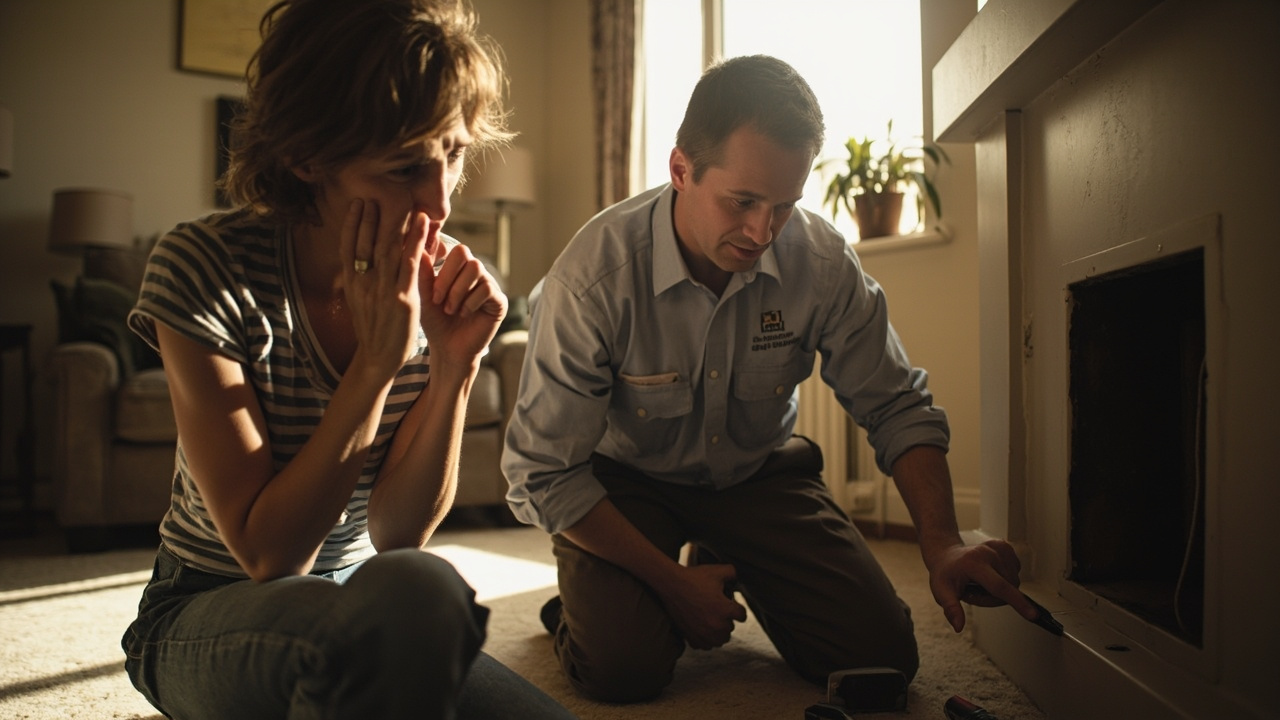
You turn on the air conditioning and get hit with a musty, rotten, or chemical smell. It lingers. It spreads. You wonder if something died in the ducts or if the system is leaking fumes.

Memphis's humid climate creates the perfect breeding ground for mold, mildew, and bacteria inside your HVAC system. When relative humidity sits above 60% for most of the year, condensation collects on evaporator coils and inside ductwork. That moisture feeds microbial growth. The result is a bad smell coming from vents every time the blower kicks on.

Clay soil in the region also causes foundation settling, which can crack ducts and allow sewer gas, pest droppings, or insulation fibers to enter your air supply. Older homes in Midtown or Cooper-Young often have galvanized ductwork that rusts from the inside, releasing metallic or sulfur-like odors. Homes near industrial zones may pull in outdoor contaminants through leaky return plenums.

Odd smells from HVAC systems are not just unpleasant. They signal real problems. Mold spores circulate through your home. Refrigerant leaks smell sweet but cause headaches and dizziness. Burning odors point to electrical failures or overheating motors. Ignoring foul air conditioner odors puts your family's health and safety at risk.

If you smell something strange, you need to identify the source fast. The longer you wait, the worse the contamination gets.

Why Memphis Homes Get Strange Odors from Air Ducts
How We Track Down and Eliminate Funny Smells from Heating Systems

How We Track Down and Eliminate Funny Smells from Heating Systems

We do not mask odors with duct deodorizers or air fresheners. We find the cause and fix it.

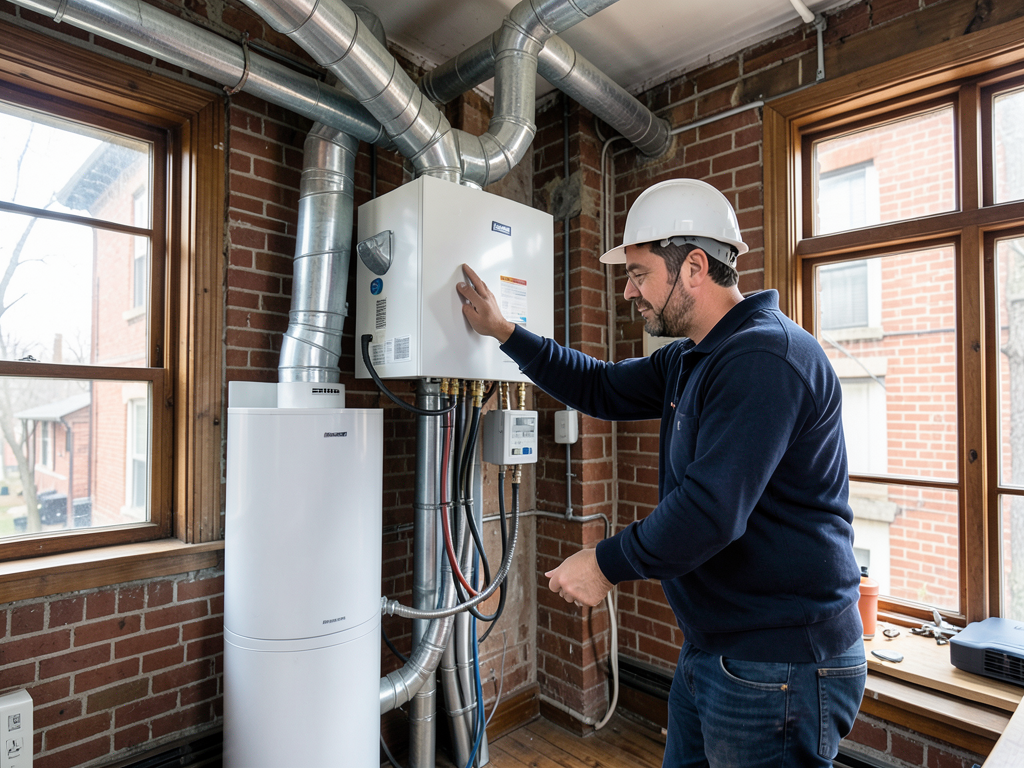
Our technicians start with a full system inspection. We check the evaporator coil for mold and biofilm buildup. We inspect the condensate drain pan for standing water and algae growth. We test for refrigerant leaks using electronic detectors, because a failing compressor or punctured line can release chemical odors. We examine the heat exchanger for cracks, which allow combustion gases to enter your airstream and create a sulfur or rotten egg smell.

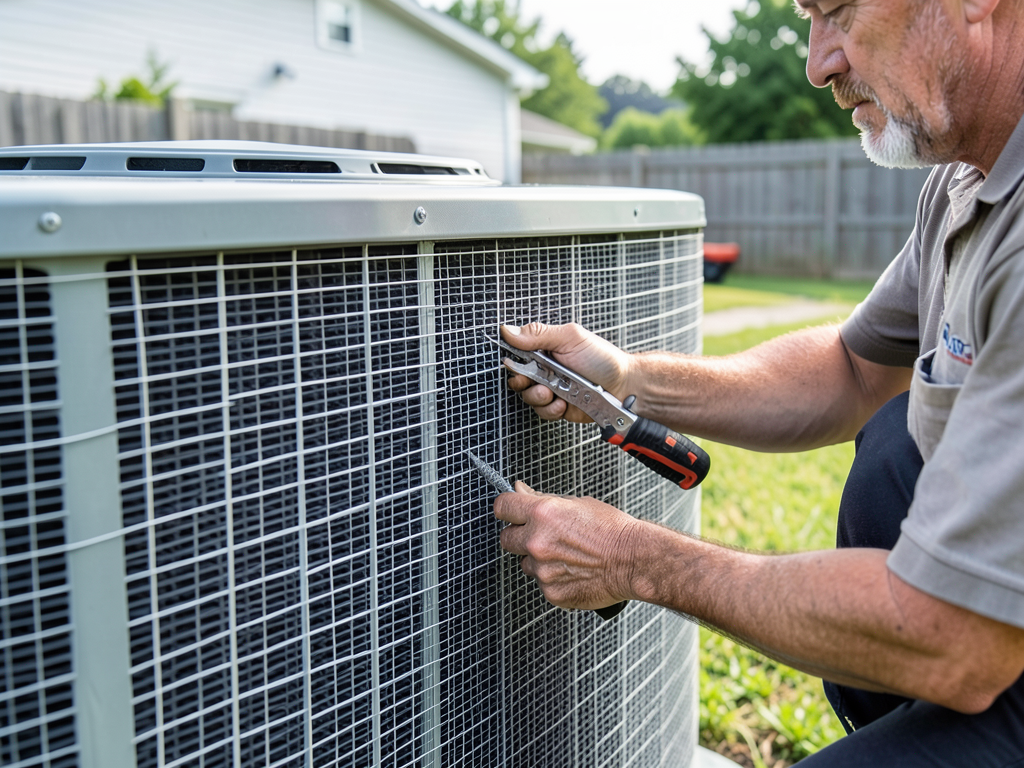
We use a camera scope to inspect ductwork for pest nests, dead animals, and mold colonies. We check duct seams and connections for air leaks that pull in attic insulation, chimney soot, or crawl space moisture. We verify that the return air pathway is not pulling in fumes from the garage or laundry room.

If the smell is musty or earthy, we test airflow and look for blocked filter access or undersized return ducts that trap moisture. If the smell is chemical or metallic, we inspect wiring, capacitors, and blower motors for overheating or arcing. If the smell is like gym socks or dirty feet, we check for dirty sock syndrome caused by bacteria on the evaporator coil.

Once we identify the source, we clean or replace the contaminated components. We sanitize coils with EPA-registered antimicrobial treatments. We seal duct leaks with mastic and foil tape. We replace rusted duct sections and install UV lights to prevent future microbial growth. We fix refrigerant leaks and recharge the system to factory specs.

What Happens During an Odor Investigation

Weird Smells from Vents in Memphis – Expert Diagnosis and Fast Fixes for Every Odor
01

Initial System Assessment

We start by running your HVAC system through a full cycle while documenting the odor. We note when the smell appears, whether it is constant or intermittent, and if it changes with temperature or humidity. We inspect accessible components like the air handler, filter, and condensate drain. This narrows down the likely cause before we open up ductwork or disassemble equipment.
02

Component Testing and Inspection

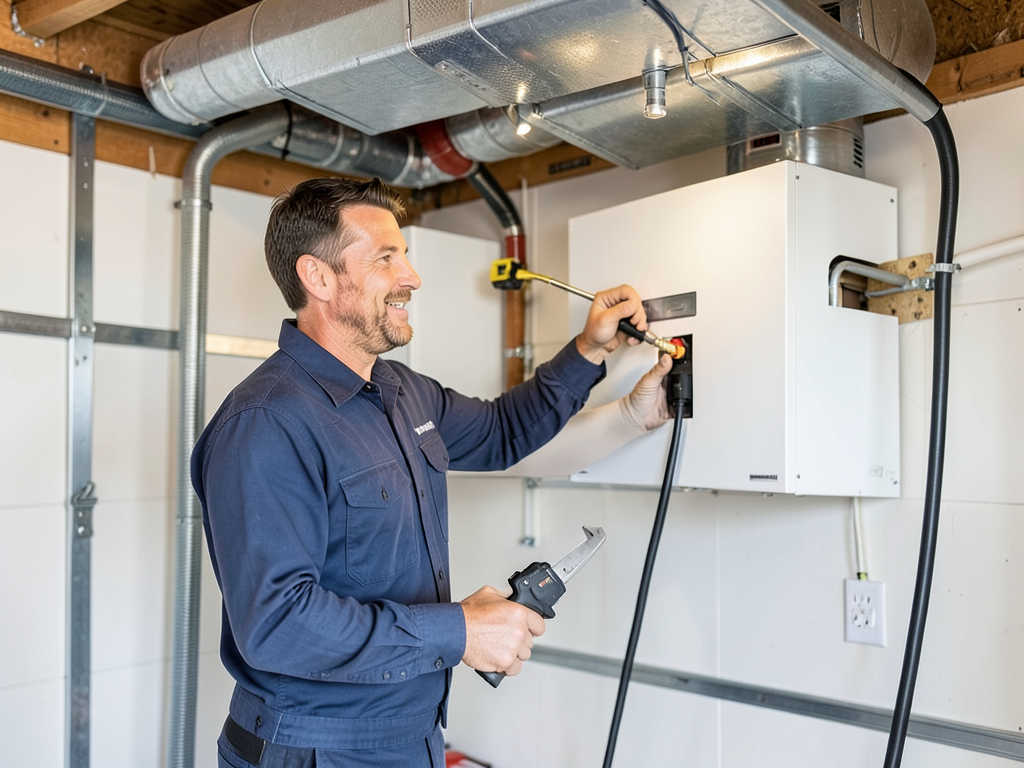
We use diagnostic tools to check refrigerant pressures, electrical continuity, and airflow across the coil. We inspect the heat exchanger with a combustion analyzer and mirror scope. We remove access panels to examine the blower wheel, motor windings, and duct boots. If needed, we deploy a duct camera to inspect hidden sections of the air distribution system. This step identifies the exact component causing the odor.
03

Cleaning and Repair

After pinpointing the source, we clean contaminated surfaces, replace damaged parts, and seal air leaks. We sanitize the evaporator coil and drain pan, replace filters, and verify proper airflow. We test the system again to confirm the odor is gone. Before we leave, we explain what caused the problem and how to prevent it from returning. You get clean air and peace of mind.

Why Memphis Homeowners Trust Ironwood HVAC for Odor Problems

Odor diagnosis requires technical skill and local experience. You need a technician who understands how Memphis's climate affects indoor air quality and who knows the quirks of older HVAC systems common in historic neighborhoods.

Ironwood HVAC Memphis has been diagnosing and fixing foul air conditioner odors in homes across Shelby County for years. We know that homes in East Memphis often have duct systems installed in vented attics, which pull in hot, humid air through leaky seams. We know that bungalows in Central Gardens have tight crawl spaces where condensate drains clog and overflow. We know that split-level homes in Germantown may have zoning issues that create stagnant airflow and mold growth.

We do not sell you services you do not need. If your odor problem is a clogged drain pan, we clean it and move on. If you need a full duct cleaning and coil replacement, we explain why and show you the contamination. We provide upfront pricing and give you options based on your budget and system age.

Our technicians carry the tools and parts to fix most odor issues on the first visit. We stock UV lights, antimicrobial coil cleaners, duct sealant, and replacement motors. We do not disappear for a week to order parts. We get your air quality back to normal fast.

We also understand that some odors signal dangerous conditions. A sulfur smell from a gas furnace means you need immediate attention. A burning plastic smell from an air handler could indicate an electrical fire risk. We treat those situations with urgency and transparency.

What You Can Expect from Our Odor Removal Service

Same-Day Appointments Available

We know that living with strange odors from air ducts is miserable. You cannot sleep. You worry about your family breathing contaminated air. You wonder if something is about to catch fire. We offer same-day service for odor complaints. Call us in the morning, and we will have a technician at your door by afternoon. We do not make you wait three days while the smell gets worse. If you suspect a gas leak or electrical issue, we prioritize your call and dispatch someone immediately.

Thorough Diagnostic Process

We do not guess. We test. Our diagnostic process includes visual inspection, airflow measurement, refrigerant testing, and duct camera inspection when needed. We document what we find and explain it in plain language. You get photos or video of mold growth, cracked heat exchangers, or clogged drain pans. We walk you through the options and costs before we start any work. You make the final call on what gets fixed and when.

Clean Air You Can Feel

When we finish the job, you will notice the difference immediately. No more musty smell when the air conditioner cycles on. No more chemical odors drifting through the house. No more rotten egg stench from the furnace. We verify that the odor is eliminated before we leave your home. If the smell returns within 30 days, we come back and inspect the system again at no additional diagnostic charge. You get results, not excuses.

Preventive Maintenance Plans

The best way to avoid future odor problems is regular system maintenance. We offer seasonal tune-up plans that include coil cleaning, drain line flushing, filter replacement, and airflow testing. Scheduled maintenance catches small issues before they turn into big, smelly problems. We send reminders when your system is due for service, so you never forget. Maintenance plan members also get priority scheduling and discounts on repairs. Clean air should not be a one-time fix.

Frequently Asked Questions

You Have Questions,
We Have Answers

Why is there a bad smell coming from my vents? +

Bad smells from your vents signal problems in your HVAC system or ductwork. Common causes include accumulated dust burning off when you first turn on heat, mold growth from Memphis humidity, dead pests trapped in ducts, or dirty evaporator coils. A musty odor points to mold or mildew. A rotten egg smell suggests a gas leak, which requires immediate action. Burning smells can indicate overheating components or electrical issues. Memphis homes face high moisture levels year-round, which accelerates mold growth in ductwork. Turn off your system if you smell burning or gas, then call a qualified HVAC technician to inspect your system and ductwork.

What does an electrical fire smell like before it starts? +

An electrical fire smells like burning plastic, rubber, or fish before flames appear. You might notice a sharp, acrid odor coming from vents, outlets, or the breaker panel. This smell comes from wire insulation melting due to overheating circuits or failing connections. Memphis homes with older wiring face higher risk during hot summers when AC units draw maximum power. If you detect this smell from your vents, shut off your HVAC system immediately at the breaker. Do not touch any outlets or switches. Evacuate your home and call 911 first, then contact a licensed electrician to inspect your electrical system before running your HVAC again.

What does mold in air vents smell like? +

Mold in air vents smells musty, earthy, or like damp socks. Some describe it as a stale, sour odor that gets stronger when your HVAC runs. Memphis humidity creates perfect conditions for mold growth inside ductwork, especially if condensation builds up around your evaporator coil or drain pan. You might notice the smell intensifies during spring and fall when moisture levels peak. Black mold produces a stronger, more pungent odor than common mildew. If you smell mold from your vents, you need professional duct cleaning and mold remediation. Running your system spreads spores throughout your home, which affects indoor air quality and triggers respiratory issues.

Is strange smell coming from a vent a chemical hazard? +

Yes, strange vent smells can indicate chemical hazards requiring immediate attention. A rotten egg odor signals natural gas leaks, which cause explosions. Sweet, chemical smells suggest refrigerant leaks containing harmful compounds. Formaldehyde from building materials creates a sharp, pickle-like odor that irritates lungs. Memphis homes built before 1980 may have asbestos insulation in ductwork that releases fibers when disturbed. If you smell chemicals from vents, turn off your HVAC system and open windows. Evacuate if you smell gas. Call your utility company for suspected gas leaks. For other chemical odors, contact an HVAC technician to identify the source and test air quality before running your system.

How to sanitize air ducts yourself? +

You cannot safely sanitize air ducts yourself. Proper duct cleaning requires specialized vacuum equipment with HEPA filtration, rotating brushes, and negative air pressure machines to prevent spreading contaminants. DIY attempts push dust and mold deeper into ductwork or release particles into your home. Memphis humidity makes mold remediation more complex, requiring antimicrobial treatments and moisture control. You can change your air filter monthly and vacuum floor registers, but leave internal ductwork to professionals. Certified duct cleaners use cameras to inspect damage, seal leaks, and apply EPA-approved sanitizers. Improper cleaning damages ductwork insulation or disconnects sections, which creates bigger problems than the original odor.

What does an HVAC refrigerant leak smell like? +

HVAC refrigerant leaks smell sweet and slightly chemical, similar to chloroform or ether. Some describe it as a faint, sickly sweet odor near indoor units or from vents. Modern refrigerants like R-410A are less odorous than older R-22, but leaks still produce detectable smells. Memphis summers push AC systems hard, which stresses copper line connections and causes leaks. You might notice reduced cooling performance, ice buildup on refrigerant lines, or hissing sounds along with the smell. Refrigerant displaces oxygen and causes dizziness, headaches, or nausea in confined spaces. Turn off your AC if you suspect a leak. Only EPA-certified technicians can repair refrigerant leaks and recharge systems.

Are there warning signs before an electrical fire? +

Yes, electrical fires show warning signs before ignition. You might smell burning plastic or fish from outlets or vents. Breakers trip repeatedly without explanation. Lights flicker or dim when appliances run. Outlets feel warm to touch or show discoloration. You hear buzzing or crackling sounds from walls or electrical panels. Memphis homes often have aluminum wiring from the 1960s and 1970s, which oxidizes faster in humid conditions and increases fire risk. Older homes with knob-and-tube wiring cannot handle modern electrical loads from HVAC systems. If you notice these signs, stop using affected circuits. Call a licensed electrician immediately for a complete electrical inspection.

What does bad wiring smell like? +

Bad wiring smells like burning plastic, rubber, or fish. This odor comes from wire insulation melting due to overheating from overloaded circuits, loose connections, or corroded wires. You might notice the smell near outlets, light switches, or coming from vents when your HVAC pulls power. Memphis homes face accelerated wire deterioration from humidity, which corrodes connections inside walls and junction boxes. The smell intensifies when you run high-draw appliances like AC units or space heaters. Never ignore electrical burning smells. Shut off power at the main breaker if you cannot locate the source. Contact a licensed electrician immediately to inspect your wiring before fire starts.

What are signs of faulty wiring? +

Faulty wiring shows multiple warning signs. Breakers trip frequently when running your HVAC or appliances. Lights flicker or dim without explanation. Outlets feel hot, show scorch marks, or spark when plugging in devices. You smell burning plastic from walls or vents. Extension cords feel warm during use. Light switches make crackling sounds or fail to work consistently. Memphis homes built before 1990 often have outdated wiring that cannot handle modern electrical demands from central AC systems. High humidity accelerates wire corrosion inside walls. If you notice these signs, turn off affected circuits at your breaker panel. Hire a licensed electrician to inspect your electrical system before serious damage occurs.

What are the 10 warning signs of mold toxicity? +

Mold toxicity produces ten common warning signs. You experience persistent fatigue that rest does not fix. Headaches occur more frequently at home than elsewhere. Brain fog affects memory and concentration. Respiratory issues include coughing, wheezing, or shortness of breath. Sinus congestion never clears up. Skin rashes or irritation develop without obvious cause. Joint pain or muscle aches worsen indoors. You feel dizzy or lightheaded at home. Eye irritation or excessive tearing occurs. Mood changes include anxiety or depression. Memphis humidity creates year-round mold growth conditions in ductwork and crawl spaces. If you experience multiple symptoms and smell mold from vents, you need professional mold testing and duct cleaning immediately.

How Memphis Humidity Turns HVAC Systems into Mold Factories

Memphis averages 76% relative humidity during the summer. When warm, moist air hits a cold evaporator coil, water condenses out of the air and collects in the drain pan. If that pan does not drain properly, or if the coil stays damp between cooling cycles, mold and bacteria colonize the surface. Every time the blower runs, it spreads spores and volatile organic compounds through your ducts. Homes with undersized ductwork or blocked return vents trap moisture even longer, making the problem worse. Without proper maintenance, Memphis's climate guarantees that you will develop odor problems in your HVAC system.

Local HVAC professionals who understand Memphis's climate know how to design and maintain systems that resist mold growth. This means proper duct sizing, correct refrigerant charge, clean coils, and functioning condensate drains. It also means knowing when to install a whole-home dehumidifier or UV light to keep indoor humidity below 50%. Ironwood HVAC Memphis has worked in homes from Downtown to Collierville, and we know what it takes to keep air ducts clean and odor-free in this region. Trust matters when the issue is indoor air quality.
HVAC Services in The Memphis Area

Ironwood HVAC Memphis proudly serves the entire Memphis community and the surrounding counties. Our team is local, dedicated, and always ready to dispatch quickly to your residential or commercial location. View our central service area on the map below, or contact us directly to confirm if your specific neighborhood falls within our swift response zone. We look forward to bringing you reliable comfort.

Address:
Ironwood HVAC Memphis, 1661 International Dr, Memphis, TN, 38120

Additional Services We Offer

Our news updates

Latest Articles & News from The Blogs

Your home gym in Lakeland should feel energizing, not like a sauna. Yet many Memphis homeowners find their workout spaces…

Why your home gym in Lakeland feels stuffy and how to fix the ventilation

Your home gym in Lakeland should feel energizing, not like a sauna. Yet many Memphis homeowners find their workout spaces…

Choosing an air purifier that actually removes BBQ smoke in your Midtown backyard

Choosing an air purifier that actually removes BBQ smoke in your Midtown backyard Memphis summers bring backyard BBQs but the…

How to stop mice and squirrels from nesting in your outdoor unit in Eads

How to stop mice and squirrels from nesting in your outdoor unit in Eads Pests like mice and squirrels are…

Contact Us

You should not have to tolerate foul odors in your home. Call Ironwood HVAC Memphis at (901) 640-3999 to schedule an odor investigation. We will find the source, fix the problem, and restore clean air fast.