







menu

High Energy Bills in Memphis – Professional HVAC Diagnostics That Pinpoint Hidden System Inefficiencies

Ironwood HVAC Memphis uses thermal imaging and blower door testing to identify exactly why your high energy bills keep climbing, targeting airflow leaks, duct inefficiencies, and failing components that drain your wallet every month.

Slider Image 1
Slider Image 2
Slider Image 3
Slider Image 4
Slider Image 5
Slider Image 7
Slider Image 8
Slider Image 9
Slider Image 10
Slider Image 11

Why Memphis Homeowners Face Rising Utility Costs Year After Year

You open the electricity bill and feel your stomach drop. The number climbed again. You kept the thermostat steady. You changed the air filter. Nothing changed. High energy bills in Memphis are not just about summer heat. They signal something broken in your HVAC system that wastes money every hour it runs.

Memphis sits in a humid subtropical zone where air conditioners run hard from April through October. The Mississippi River valley traps moisture. Your system pulls double duty, cooling air and removing humidity. When ductwork leaks into your attic or crawlspace, you are conditioning space you do not live in. When your evaporator coil gets caked with dirt, your compressor works overtime. When refrigerant levels drop, your system runs longer cycles to hit target temperature. All of these failures show up as expensive electricity bills before you hear strange noises or feel warm air.

The clay soil under Memphis foundations shifts with moisture changes. Duct connections crack. Plenums separate. Conditioned air escapes before it reaches your living room. Your thermostat keeps calling for cooling because the temperature never drops. Meanwhile, your outdoor unit cycles constantly, burning through kilowatt hours. Increased heating and cooling costs are not about rate hikes. They point to mechanical failure, poor airflow, or system sizing problems that turn your HVAC into an energy furnace. Skyrocketing energy bills are a symptom. The disease is inefficiency.

Why Memphis Homeowners Face Rising Utility Costs Year After Year
How We Diagnose Energy Loss in Memphis HVAC Systems

How We Diagnose Energy Loss in Memphis HVAC Systems

Most companies look at your thermostat and call it done. We start with a blower door test. This depressurizes your home and measures exactly how much conditioned air you lose through leaks. We combine this with thermal imaging to see temperature differentials in walls, ceilings, and ductwork. Cold spots in summer mean conditioned air is escaping. Hot spots mean insulation failed or ducts are not delivering airflow where they should.

We check static pressure in your duct system. High static pressure means your blower motor is fighting restrictions. It draws more amperage, heats up, and shortens its lifespan. Low static pressure means leaks or disconnected ductwork. Both conditions waste energy and create costly utility expenses. We measure airflow at each register using a flow hood. If your master bedroom gets 60 CFM when it needs 180 CFM, your system runs longer to cool that room. That extended runtime shows up on your bill.

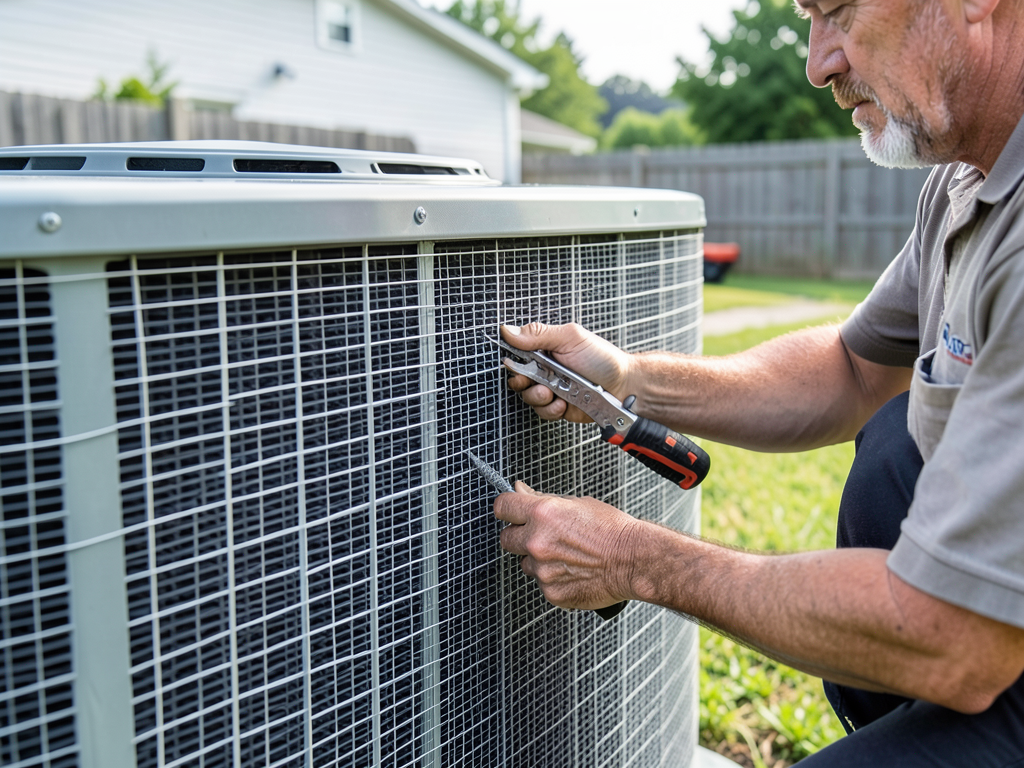
We test refrigerant charge with superheat and subcooling calculations. A system low on refrigerant cannot absorb heat efficiently. Your compressor runs longer. Electricity consumption climbs. We inspect your evaporator coil for dirt buildup that blocks heat transfer. We check your condensate drain for clogs that raise humidity and force your system to overcool to feel comfortable. We examine your outdoor unit for bent fins, debris, and clearance issues that restrict airflow and kill efficiency. Every data point we collect explains why your energy bills climbed. We do not guess. We measure.

What Happens During Your Energy Audit

High Energy Bills in Memphis – Professional HVAC Diagnostics That Pinpoint Hidden System Inefficiencies
01

System Performance Baseline

We document your current energy usage, thermostat settings, and runtime data from your HVAC system. We record amperage draw on your compressor and blower motor to establish baseline electrical consumption. We photograph your utility bills to track patterns. This data shows us exactly how much energy your system consumes under normal operation, giving us a clear target for improvement.
02

Comprehensive Leak Detection

We pressurize your duct system and use a manometer to measure leakage rates. We inspect every duct joint, plenum connection, and register boot for gaps. We check your attic and crawlspace for disconnected flex duct or crushed sections. We test your building envelope with blower door equipment to find air infiltration points around windows, doors, and penetrations. This step identifies where conditioned air escapes.
03

Efficiency Optimization Plan

We give you a prioritized list of repairs ranked by energy savings potential. Sealing a major duct leak might cut your runtime by 20 percent. Cleaning a clogged evaporator coil might drop your electrical draw by 15 percent. We explain what each repair accomplishes and how it reduces your monthly bills. You decide which fixes make sense for your budget. We execute the work and verify results with post-repair testing.

Why Memphis Residents Choose Ironwood HVAC for Energy Diagnostics

You need someone who knows Memphis construction. Homes built in the 1950s through 1970s in neighborhoods like Cooper-Young and Central Gardens often have uninsulated ductwork in vented attics. Summer attic temperatures hit 140 degrees. Your supply ducts run through that space, gaining heat before the air reaches your rooms. Your return ducts pull hot attic air through leaks, forcing your system to cool that load. We recognize these patterns because we work in these homes every week.

Newer construction in Cordova and Germantown uses spray foam and sealed attics, but builders sometimes undersize ductwork to save costs. Your system cannot move enough air. Static pressure climbs. Efficiency drops. We know the building codes and the shortcuts contractors take. We test airflow and pressure, then recommend duct modifications that restore proper performance.

Memphis sits on the New Madrid Seismic Zone. Minor settling cracks duct connections over time. We check every joint, especially in crawlspaces where flex duct sags and separates. We seal with mastic, not tape, because we know what lasts in high humidity. We understand that Memphis mechanical codes require certain duct insulation R-values in unconditioned spaces. We verify compliance and fix violations that waste energy.

Ironwood HVAC Memphis does not sell you equipment you do not need. We fix inefficiencies first. A properly sealed and balanced system with a clean coil often performs like new. If your equipment is genuinely undersized or worn out, we give you load calculations and efficiency comparisons. We do not push the most expensive option. We explain what makes sense for your home and your budget.

What You Get When You Call Ironwood HVAC Memphis

Same-Week Energy Audits

You do not wait three weeks for answers. We schedule comprehensive energy audits within days of your call. Most audits take two to three hours depending on your home size and system complexity. We bring diagnostic equipment including manometers, thermal cameras, flow hoods, and refrigerant gauges. You get a written report with photos and measurements before we leave. We explain findings in plain language. You see exactly what is wasting energy and how much each repair saves you monthly. We do not rush. We do not skip steps. You get complete data.

Detailed System Analysis

We test every component that affects energy consumption. We measure supply and return temperatures at your air handler. We check voltage and amperage on your compressor, blower motor, and capacitors. We inspect your thermostat calibration and programming. We examine your insulation levels in attics and crawlspaces. We test your condensate drain operation because clogs raise indoor humidity, forcing your system to overcool. We give you a checklist showing what passed, what failed, and what needs attention. You understand your system completely after we finish.

Measurable Energy Reduction

We do not promise percentages. We fix the problems we find, then verify improvement. If we seal ductwork, we retest leakage rates and document the reduction. If we clean your coil, we measure temperature split and airflow before and after. If we correct refrigerant charge, we record superheat and subcooling to prove proper operation. You compare your next utility bill against the same month last year. You see the difference in dollars, not marketing claims. Real fixes produce real savings. We give you the data to prove it.

Ongoing Efficiency Maintenance

Energy efficiency does not last without maintenance. Coils get dirty. Filters clog. Duct connections loosen. We offer seasonal maintenance plans that keep your system operating at peak performance. We clean coils, check refrigerant, test airflow, and inspect electrical connections twice per year. We catch small problems before they become expensive failures. Regular maintenance extends equipment life and keeps your energy bills stable. You get priority scheduling and discounted service rates. We track your system performance over time and alert you to changes that signal developing problems.

Frequently Asked Questions

You Have Questions,
We Have Answers

Why is my power bill so high suddenly? +

A sudden spike in your power bill points to three common culprits in Memphis homes. Your HVAC system may be working overtime due to clogged air filters, refrigerant leaks, or failing components. Memphis humidity forces air conditioners to run longer cycles when units struggle. Check for phantom loads from devices left plugged in, or rate increases from your utility provider. Older ductwork in Memphis homes often leaks conditioned air into attics and crawl spaces, forcing your system to compensate. Inspect your thermostat settings and recent weather patterns. Hot Memphis summers strain aging HVAC equipment, causing efficiency drops you notice immediately on your bill.

Why is your energy bill suddenly so much more expensive? +

Rising energy costs stem from equipment inefficiency, not just utility rate hikes. In Memphis, your air conditioning system accounts for up to 50% of summer electric costs. When HVAC units age past 10 years, efficiency drops significantly. Dirty evaporator coils, low refrigerant, or failing compressors force the system to run constantly. Poor attic insulation common in older Memphis homes lets heat penetrate living spaces, triggering longer cooling cycles. Leaky ductwork wastes up to 30% of conditioned air before it reaches your rooms. Thermostats placed near heat sources or in direct sunlight give false readings, causing unnecessary runtime. Schedule an HVAC efficiency inspection to identify the real problem.

What runs your electric bill up the most? +

Your HVAC system dominates electric consumption in Memphis, especially during June through September when humidity stays high. Air conditioning alone can represent 40-50% of your total bill. Water heaters rank second, running constantly to maintain temperature. In Memphis homes, poor insulation and air sealing force heating and cooling equipment to work harder. Older refrigerators, electric dryers, and pool pumps add significant load. Ductwork leaks waste conditioned air in unconditioned spaces like attics and crawl spaces. Inefficient HVAC equipment or systems sized incorrectly for your home create the biggest impact. Addressing air conditioning efficiency delivers the fastest bill reduction for Memphis residents.

Is $250 a normal electric bill? +

A $250 monthly electric bill falls within normal range for Memphis homes between 1,500-2,000 square feet during peak summer months. Memphis summers push HVAC systems hard from May through September. Homes with older air conditioning units, poor insulation, or single-pane windows typically see higher bills. Your total depends on home size, occupancy, thermostat settings, and equipment age. A 2,500 square foot home with a 15-year-old HVAC system running at 72 degrees will cost more than a newer home with modern equipment. Compare your usage in kilowatt-hours, not just dollars, to identify true consumption patterns. If your bill jumped suddenly, investigate equipment problems rather than assuming normal usage.

Why is my electric bill over $400? +

A $400 electric bill signals a problem beyond normal Memphis summer usage. Your HVAC system may have a refrigerant leak, failed capacitor, or dirty coils forcing continuous operation. Check for air leaks around windows, doors, and attic access points that let conditioned air escape. Ductwork disconnections or tears in attic spaces waste massive amounts of cooled air. Thermostat malfunctions can cause your system to ignore temperature settings and run nonstop. Older heat pumps working in cooling mode during Memphis heat waves struggle to keep up. Phantom loads from multiple devices add up, but HVAC problems cause the biggest spikes. Get a professional load calculation and system inspection immediately.

Why is my energy bill high when no energy was used? +

High bills with minimal usage indicate phantom loads, base charges, or metering errors. Devices on standby mode pull constant power in Memphis homes. Water heaters, refrigerators, and HVAC systems consume electricity even when you are away. Your bill includes fixed delivery charges and demand fees regardless of consumption. Faulty meters occasionally misread usage, though this is rare. Neighbors accessing your outdoor outlets or electrical panel theft happens in some Memphis areas. Vampire loads from entertainment systems, garage door openers, and smart home devices add up over weeks. Request a meter test from your utility provider and audit all circuit breakers to identify unexpected draws.

Why am I using so much electricity all of a sudden? +

Sudden electricity increases trace back to failing HVAC components, changed usage patterns, or malfunctioning appliances. In Memphis, air conditioning systems nearing end of life lose efficiency rapidly during hot months. A failing compressor or blower motor runs constantly without reaching set temperature. Check if new occupants, pets, or schedule changes increased thermostat adjustments or hot water usage. Appliances like water heaters and refrigerators draw more power when heating elements or compressors begin failing. Dirty air filters restrict airflow, forcing your HVAC system to work harder. Ductwork separated at joints wastes conditioned air. Compare current usage to the same month last year to identify true anomalies worth investigating.

How can I find out what is using the most electricity in my house? +

Identify electricity hogs by checking your utility provider app for hourly usage patterns or using a plug-in energy monitor. Memphis homeowners typically find HVAC systems consume the most power, visible as usage spikes during afternoon heat. Turn off all circuits except one at your breaker panel and watch your meter to isolate problem areas. Check attic insulation levels and ductwork for disconnections or damage. Infrared cameras reveal where conditioned air escapes through walls and ceilings. Water heater age and thermostat settings matter significantly. Pool pumps, electric dryers, and older refrigerators rank high. Professional energy audits pinpoint exact culprits and quantify savings from repairs or replacements.

What contributes most to my electric bill? +

Air conditioning dominates electric bills in Memphis homes, followed by water heating and appliances. Your HVAC system uses more power than all other devices combined during summer months. Inefficient ductwork, poor insulation, and air leaks force longer equipment runtimes. Thermostat placement near heat sources causes false readings and unnecessary cooling cycles. Older compressors and blower motors draw excessive amperage while delivering less cooling capacity. In Memphis humidity, dehumidification loads add to total consumption. Water heaters maintain temperature constantly, especially older tank models. Refrigerators, washers, dryers, and lighting contribute smaller portions. Focus on HVAC efficiency first for the biggest impact on your monthly costs.

How to figure out what is causing a high electric bill? +

Track down high electric bills by comparing current usage to past months in kilowatt-hours, not dollars. Memphis utility providers offer online portals showing daily consumption patterns. Schedule an HVAC inspection to check refrigerant levels, airflow, and component function. Walk your property checking for ductwork damage in attics and crawl spaces. Verify thermostat accuracy with a separate thermometer and confirm programmed settings. Use an infrared thermometer to find air leaks around windows, doors, and electrical outlets. Test large appliances for proper operation. Check attic insulation depth against Memphis building code recommendations. Request a professional energy audit to identify specific problems and calculate payback periods for upgrades.

How Memphis Humidity Doubles Your HVAC Energy Consumption

Memphis averages 72 percent relative humidity in summer. Your air conditioner must remove moisture and lower temperature simultaneously. Dehumidification requires longer runtime and higher energy consumption than cooling alone. When your evaporator coil is dirty or your refrigerant charge is low, your system struggles to condense water vapor. It runs constantly but never adequately dries your indoor air. You feel sticky at 76 degrees, so you lower the thermostat to 72 degrees. Your energy consumption explodes. The river valley traps moisture. Poor HVAC performance makes your home feel like a swamp and your utility bills like a mortgage payment.

Memphis mechanical contractors understand that proper system sizing accounts for latent load, not just sensible heat. Oversized equipment short-cycles, never running long enough to remove humidity. Undersized equipment runs continuously, burning energy without delivering comfort. Ironwood HVAC Memphis calculates both loads using Manual J procedures specific to Memphis climate data. We verify that your equipment matches your home, not the other way around. We know the local building inspectors and their interpretation of code requirements. We seal ductwork to the standards that pass inspection the first time. Local expertise prevents the energy waste that out-of-town contractors miss.
HVAC Services in The Memphis Area

Ironwood HVAC Memphis proudly serves the entire Memphis community and the surrounding counties. Our team is local, dedicated, and always ready to dispatch quickly to your residential or commercial location. View our central service area on the map below, or contact us directly to confirm if your specific neighborhood falls within our swift response zone. We look forward to bringing you reliable comfort.

Address:
Ironwood HVAC Memphis, 1661 International Dr, Memphis, TN, 38120

Additional Services We Offer

Our news updates

Latest Articles & News from The Blogs

Your home gym in Lakeland should feel energizing, not like a sauna. Yet many Memphis homeowners find their workout spaces…

Why your home gym in Lakeland feels stuffy and how to fix the ventilation

Your home gym in Lakeland should feel energizing, not like a sauna. Yet many Memphis homeowners find their workout spaces…

Choosing an air purifier that actually removes BBQ smoke in your Midtown backyard

Choosing an air purifier that actually removes BBQ smoke in your Midtown backyard Memphis summers bring backyard BBQs but the…

How to stop mice and squirrels from nesting in your outdoor unit in Eads

How to stop mice and squirrels from nesting in your outdoor unit in Eads Pests like mice and squirrels are…

Contact Us

Call Ironwood HVAC Memphis at (901) 640-3999 today. We will schedule your comprehensive energy audit this week. You get answers, data, and a clear plan to cut your utility bills. No guessing. No sales pressure. Just professional diagnostics that solve your high energy bill problem permanently.