



menu

Storm Damage HVAC Repair in Memphis – Emergency Response Within 60 Minutes

When severe weather strikes the Mid-South, your heating and cooling system can't wait. We dispatch certified technicians to Memphis homes and businesses immediately, restoring comfort and preventing secondary damage from failed HVAC systems.

Slider Image 1
Slider Image 2
Slider Image 3
Slider Image 4
Slider Image 5
Slider Image 7
Slider Image 8
Slider Image 9
Slider Image 10
Slider Image 11

When Memphis Storms Hit, Your HVAC System Takes the Brunt

Memphis sits in the crosshairs of severe weather year-round. Spring brings tornado outbreaks and damaging straight-line winds that tear through Midtown and East Memphis. Summer thunderstorms with 70-plus mph gusts rip condenser units from concrete pads in Cooper-Young and Germantown. Winter ice storms snap power lines and flood systems with voltage surges when the grid flickers back online.

Your outdoor condenser unit is exposed. High winds bend fan blades, crack compressor housings, and drive debris into coil fins. Hail the size of golf balls punches dents into refrigerant lines, causing slow leaks that silently kill your system over days. Power surges during storms fry circuit boards and capacitors without warning.

Inside, sudden temperature swings stress ductwork already compromised by Memphis's humidity and age. When your system fails after a storm, you are not just uncomfortable. You are racing against mold growth in a climate where relative humidity averages 70 percent. Emergency HVAC storm repair is not optional when you live near the Mississippi River floodplain.

Storm damaged AC unit repair must happen fast. Refrigerant leaks pose health risks. A compromised system running at partial capacity burns energy and money while delivering zero comfort. HVAC storm restoration services begin the moment you call, because waiting 24 hours in Memphis summer heat is dangerous for children, elderly residents, and pets.

Fix storm damaged HVAC systems before secondary problems cascade. Water intrusion from damaged ductwork breeds mold in crawl spaces common to Berclair and Hickory Hill homes. Heating and cooling storm damage repair protects your investment and your family's health.

When Memphis Storms Hit, Your HVAC System Takes the Brunt
How We Restore Storm-Damaged Systems to Full Function

How We Restore Storm-Damaged Systems to Full Function

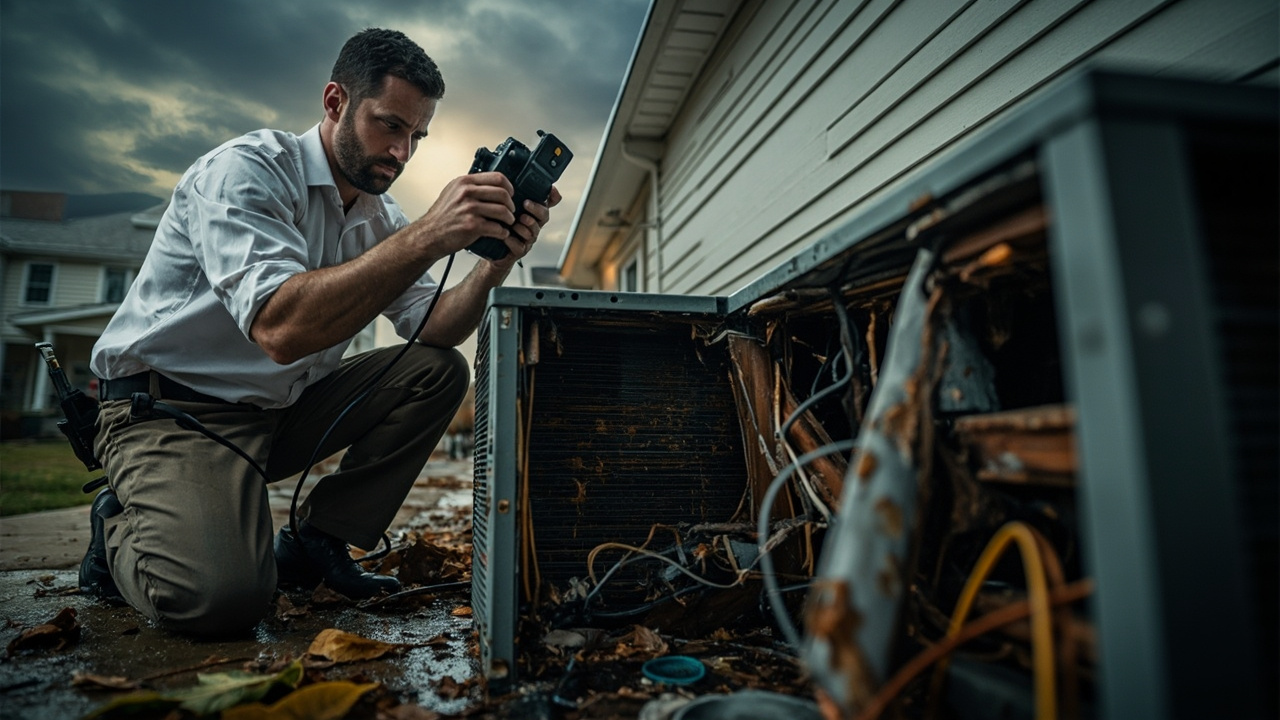
Our technicians arrive with diagnostic tools designed for post-storm assessment. We do not guess. We use refrigerant leak detectors, amp clamp meters, and thermal imaging cameras to map the full extent of damage before turning a single wrench.

Outdoor units get inspected first. We check compressor windings for short circuits, test capacitor microfarads against factory specs, and verify refrigerant pressures across both the low and high side of the system. Bent fan blades get replaced, not straightened. A blade running off-balance destroys bearings and creates vibration that cracks refrigerant lines within weeks.

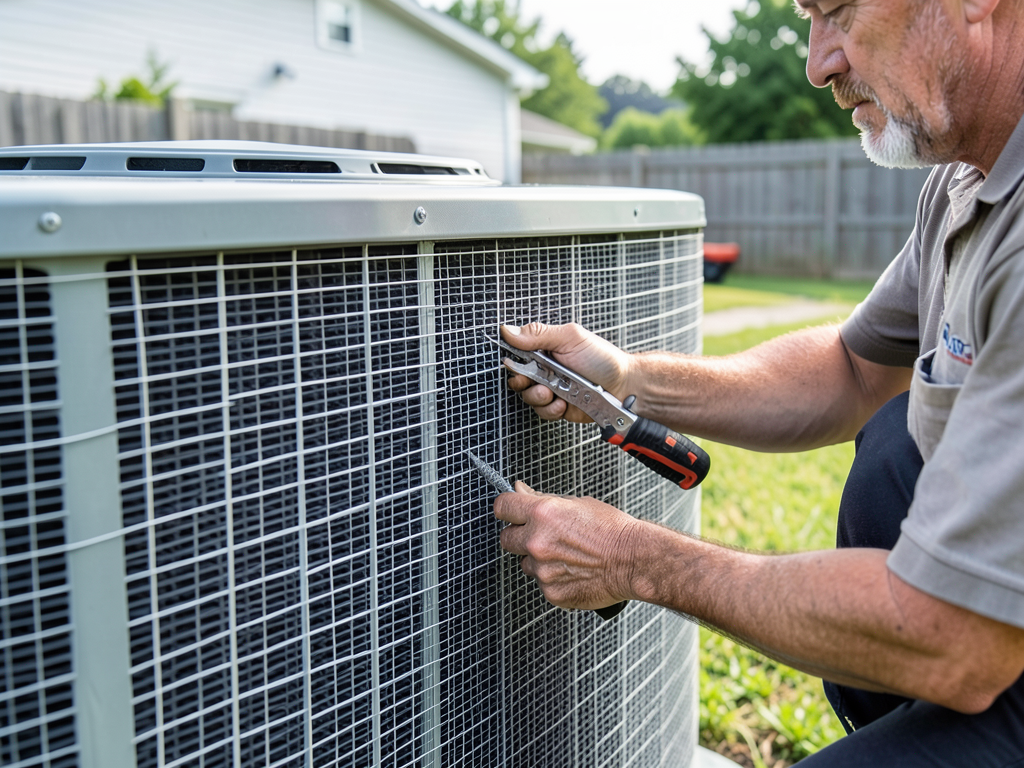
Condenser coils take abuse during storms. We inspect each coil fin for punctures and use nitrogen pressure tests to find pinhole leaks that standard gauges miss. If hail compromised your coil, we document it with photos for your insurance adjuster before quoting repairs.

Electrical components fail silently during power surges. We test contactors, run capacitors, start capacitors, and transformer output. A surge can damage your thermostat wiring, creating phantom calls for heat or cooling that drain your system. We trace every wire from the air handler to the condenser, checking voltage drop and continuity.

Ductwork inspection is non-negotiable in Memphis homes. Storms shift foundations, and that movement tears flex duct connections in attics. We crawl every inch of accessible ductwork, sealing leaks that waste 30 percent of your conditioned air. Mastic sealant and foil tape replace the duct tape that fails in our humidity.

When we complete heating and cooling storm damage repair, your system runs at manufacturer specifications. We provide documentation of all repairs for insurance claims and future service records.

What Happens When You Call for Emergency Storm Repair

Storm Damage HVAC Repair in Memphis – Emergency Response Within 60 Minutes
01

Immediate Safety Assessment

Our dispatcher takes your call and asks specific questions about visible damage, strange sounds, and whether you smell refrigerant or burning insulation. We determine if your situation requires immediate power shutdown to prevent fire risk. A technician is assigned to your address within minutes, and you receive their direct mobile number for real-time updates during transit to your Memphis location.
02

Complete System Diagnostics

The technician performs a 47-point inspection covering electrical systems, refrigerant circuit integrity, airflow measurements, and structural damage to cabinets and mounting hardware. We test your system under load to identify failures that only appear during operation. You receive a written assessment detailing every damaged component, required repairs, and optional upgrades that improve storm resilience. We photograph damage for your insurance documentation before beginning any work.
03

Repair and Performance Verification

Once you approve repairs, we source parts from our Memphis warehouse or direct from suppliers with same-day delivery. Refrigerant work follows EPA Section 608 protocols. After repairs, we run your system through complete heating and cooling cycles, measuring temperature split, amperage draw, and static pressure to verify factory performance levels. You receive a detailed invoice, warranty information, and a maintenance schedule to prevent future storm damage.

Why Memphis Property Owners Trust Our Storm Response Team

Memphis weather does not follow a schedule, and neither do we. Our trucks are stocked for storm season from March through November, carrying the components that fail most during severe weather events. Fan motors, capacitors, contactors, and refrigerant are loaded before storm fronts hit, eliminating parts delays when you need repairs immediately.

Our technicians live in Cordova, Bartlett, Collierville, and Germantown. They know the building styles in each neighborhood. Homes in Central Gardens have different ductwork challenges than new construction in Southwind. We understand how older homes near Overton Park handle humidity differently than brick ranches in Raleigh. This local knowledge speeds diagnosis and prevents mistakes that waste your time.

We work directly with Memphis-area insurance adjusters. Storm damage claims require specific documentation, and we provide itemized estimates that match the format adjusters expect. Our photos include measurement references, and our written assessments use the terminology that streamlines your claim. We have helped hundreds of homeowners navigate State Farm, Allstate, and local carriers through the repair approval process.

Ironwood HVAC Memphis responds to commercial properties with the same urgency as residential calls. Restaurants in Cooper-Young cannot lose refrigeration during summer heat. Medical offices in East Memphis cannot compromise patient comfort. We carry commercial-grade parts and have the licensing to work on package units and split systems up to five tons.

Our service area covers Shelby County and extends into Fayette and Tipton counties. We respond to storm calls in Lakeland, Arlington, and Millington when severe weather impacts those communities. You are calling a local company with deep roots in the Mid-South, not a franchise routing your emergency to the lowest bidder.

What You Can Expect During Emergency Storm Repairs

Response Time and Availability

We dispatch technicians 24 hours a day, seven days a week, including holidays. During active storm events, we prioritize calls based on safety risk and occupant vulnerability. Homes with elderly residents, young children, or medical equipment get priority scheduling. Most Memphis-area calls receive a technician within 60 to 90 minutes. Our dispatcher provides real-time ETAs and the technician's mobile number so you can coordinate access. If we encounter delays due to road closures or downed power lines, we communicate immediately and suggest temporary measures to protect your property until we arrive.

On-Site Assessment Process

Your technician performs a visual inspection of all exterior and interior HVAC components before activating your system. We check for refrigerant odors, damaged wiring, and compromised ductwork. If your system is unsafe to operate, we explain why and outline the risks of powering up damaged equipment. We use multimeters to test voltage, amp clamps to measure current draw, and manometers to check static pressure. You receive a written assessment within 30 minutes of our arrival. We never begin repairs without your explicit approval of the scope and cost.

Quality of Completed Repairs

We replace damaged components with OEM or equivalent-quality parts that meet or exceed manufacturer specifications. Refrigerant work includes leak testing with nitrogen pressure and electronic leak detectors. We do not use sealants or stop-leak products. Electrical repairs use proper gauge wire, crimp connections, and heat shrink insulation rated for outdoor exposure. After repairs, we run your system through full cooling and heating cycles, measuring supply and return air temperatures to verify proper operation. You receive documentation of all work performed, parts installed, and system performance measurements for your records and insurance claim.

Post-Repair Support and Maintenance

All labor and parts come with warranty coverage detailed in your service invoice. We provide written instructions for monitoring your system over the following 72 hours and explain warning signs that require immediate callback. You receive our emergency contact number for after-hours concerns related to completed repairs. We recommend scheduling a follow-up inspection 30 days after storm repairs to verify system performance and check for delayed damage that can appear weeks after the initial event. Many homeowners enroll in our maintenance plan, which includes priority storm response and discounted repairs during future weather events.

Frequently Asked Questions

You Have Questions,
We Have Answers

What is the $5000 rule for HVAC? +

The $5000 rule is a guideline for deciding whether to repair or replace your HVAC system. Multiply the age of your unit by the repair cost. If the total exceeds $5000, replace it. For example, a 12-year-old system needing a $500 compressor repair equals $6000, so replacement makes sense. After severe storms in Memphis, this rule helps you avoid throwing money at an aging system that suffered hail damage or electrical surges. Always get a licensed technician to inspect storm damage before deciding. A flooded 15-year-old unit is almost always a replacement candidate.

Does insurance cover HVAC damage? +

Most homeowners insurance policies cover HVAC damage if caused by a covered peril like wind, hail, or falling trees. However, flood damage requires separate flood insurance, which matters in Memphis where river flooding and heavy rain events can swamp ground-level units. Your policy typically excludes damage from lack of maintenance or normal wear. After a storm, document everything with photos and call your insurance adjuster immediately. Get an emergency inspection to document the damage while it is fresh. Do not wait. Insurance companies move faster when you act fast and provide clear evidence of sudden storm-related failure.

How to fix a HVAC unit that was flooded? +

Stop. Do not turn on a flooded HVAC unit. Water destroys electrical components, compressors, and controls. Call a licensed technician immediately to assess the damage. They will disconnect power, drain water, remove debris, and inspect the compressor, blower motor, and circuit boards. In Memphis, where humidity accelerates corrosion, flooded units often need full replacement rather than repair. The technician will check refrigerant lines for contamination and test electrical connections. If floodwater reached the air handler or furnace, mold growth starts within 24 hours. Time is critical. Professional assessment prevents electrical fires and costly secondary damage.

What is the 3 minute rule for AC? +

The 3-minute rule prevents compressor damage after your AC cycles off. Wait at least 3 minutes before restarting the system. This allows refrigerant pressure to equalize between the high and low sides of the system. Starting too soon forces the compressor to work against high pressure, which can burn out the motor. After a power outage from Memphis thunderstorms or grid failures, this rule protects your equipment. Modern units have built-in delay timers, but older systems do not. If your AC trips the breaker repeatedly after storm-related power loss, you likely have compressor damage requiring immediate professional repair.

How much does it cost to replace an entire HVAC system? +

A full HVAC system replacement in Memphis typically ranges from moderate to significant investment depending on system size, efficiency rating, and installation complexity. Costs vary based on your home's square footage, ductwork condition, and whether you choose a basic 14 SEER unit or a high-efficiency 20 SEER system. After storm damage, insurance may cover part or all of replacement costs if the damage resulted from a covered event like hail or wind. Get multiple quotes from licensed contractors. Factor in Memphis climate demands, high summer humidity loads, and potential insurance reimbursement before deciding on system specifications.

How to claim HVAC tax credit 2025? +

The 2025 federal tax credit covers up to 30 percent of qualified HVAC equipment costs, capped at specific dollar limits for heat pumps, central AC units, and furnaces. Your new system must meet efficiency requirements: 16 SEER2 for central AC or 15 SEER2 for heat pumps. After storm damage forces replacement, claim the credit using IRS Form 5695 when you file taxes. Keep your manufacturer certification statement and itemized receipt showing equipment costs separately from labor. This credit applies to storm-related replacements if you upgrade to qualifying efficient equipment. Consult a tax professional to maximize your claim and confirm eligibility.

Which two are not usually covered by homeowners insurance? +

Homeowners insurance typically excludes flood damage and normal wear-and-tear or maintenance issues. This matters in Memphis, where Mississippi River proximity and clay soil drainage problems create flood risks. If your HVAC unit floods from rising water, you need separate flood insurance through the National Flood Insurance Program. Standard policies also exclude damage from neglect, like a corroded condensate drain that finally fails or a filter you never changed. Storm-related wind or hail damage is covered, but gradual deterioration is not. Always maintain your system and carry flood coverage if you live in low-lying Memphis neighborhoods near Nonconnah Creek or Wolf River tributaries.

How much does it cost to fix a leak in your AC system? +

AC refrigerant leak repairs in Memphis range from minor to substantial depending on leak location and severity. A simple line seal replacement costs less than a leaking evaporator coil, which requires significant labor to access. After storm damage, hail can puncture refrigerant lines or shift the outdoor unit, creating connection leaks. Expect diagnosis fees, refrigerant recharge costs, and repair labor. Older R-22 systems cost more due to refrigerant scarcity. If your system is over 10 years old with multiple leaks, replacement makes more financial sense than repeated repairs. Get a detailed estimate before authorizing work.

How quickly does mold grow after a flood? +

Mold begins growing within 24 to 48 hours after flooding. Memphis humidity accelerates this timeline. If storm water flooded your air handler, ductwork, or insulation, mold spores colonize wet surfaces fast. This creates serious health risks and destroys equipment. You must dry and disinfect affected areas within 24 hours to prevent spread. Flooded HVAC systems need immediate professional cleaning or replacement. Do not run a flooded system, which circulates mold spores throughout your home. Insurance often covers mold remediation if you act quickly after a documented storm event. Speed matters. Call for emergency service the moment flooding occurs.

Who is liable for flooding? +

Liability for flooding depends on the cause. Natural flooding from storms, river overflow, or heavy rain is not typically anyone's fault. However, if a neighbor's poor drainage, blocked gutters, or intentional grading changes divert water onto your property and flood your HVAC unit, they may be liable. In Memphis, where clay soil creates drainage challenges and aging infrastructure struggles with heavy rain, determining liability requires documentation and sometimes legal action. Your homeowners insurance covers your property regardless of fault, but you may pursue subrogation against negligent parties. Photograph damage immediately, document water sources, and consult your insurance adjuster about liability claims.

How Memphis Humidity Accelerates Damage After Storms

Memphis averages 220 humid days per year, creating perfect conditions for mold growth within 48 hours of HVAC failure. When storms damage your cooling system during June through September, indoor humidity spikes above 70 percent. Mold colonies establish in ductwork, insulation, and drywall faster than in drier climates. Emergency HVAC storm repair matters more here than in arid regions because you are not just restoring comfort. You are preventing a biological hazard that requires expensive remediation and poses respiratory risks to your family.

Shelby County building codes require specific refrigerant handling procedures and permits for major HVAC repairs. Our technicians hold Tennessee HVAC licenses and EPA Section 608 certification for refrigerant work. We pull permits when required and schedule inspections to keep your repairs compliant with local regulations. Insurance companies in Memphis scrutinize storm damage claims carefully. Working with a licensed local contractor who understands county requirements protects your claim from denial based on improper repairs or missing documentation. Our relationships with local inspectors and adjusters speed the approval process.
HVAC Services in The Memphis Area

Ironwood HVAC Memphis proudly serves the entire Memphis community and the surrounding counties. Our team is local, dedicated, and always ready to dispatch quickly to your residential or commercial location. View our central service area on the map below, or contact us directly to confirm if your specific neighborhood falls within our swift response zone. We look forward to bringing you reliable comfort.

Address:
Ironwood HVAC Memphis, 1661 International Dr, Memphis, TN, 38120

Additional Services We Offer

Our news updates

Latest Articles & News from The Blogs

Your home gym in Lakeland should feel energizing, not like a sauna. Yet many Memphis homeowners find their workout spaces…

Why your home gym in Lakeland feels stuffy and how to fix the ventilation

Your home gym in Lakeland should feel energizing, not like a sauna. Yet many Memphis homeowners find their workout spaces…

Choosing an air purifier that actually removes BBQ smoke in your Midtown backyard

Choosing an air purifier that actually removes BBQ smoke in your Midtown backyard Memphis summers bring backyard BBQs but the…

How to stop mice and squirrels from nesting in your outdoor unit in Eads

How to stop mice and squirrels from nesting in your outdoor unit in Eads Pests like mice and squirrels are…

Contact Us

Do not wait for a callback. Call Ironwood HVAC Memphis right now at (901) 640-3999. Our dispatcher will assign a technician to your address immediately. We are responding to storm damage calls across Memphis while you read this. Every hour you wait increases the risk of mold growth and system failure. Call now.