
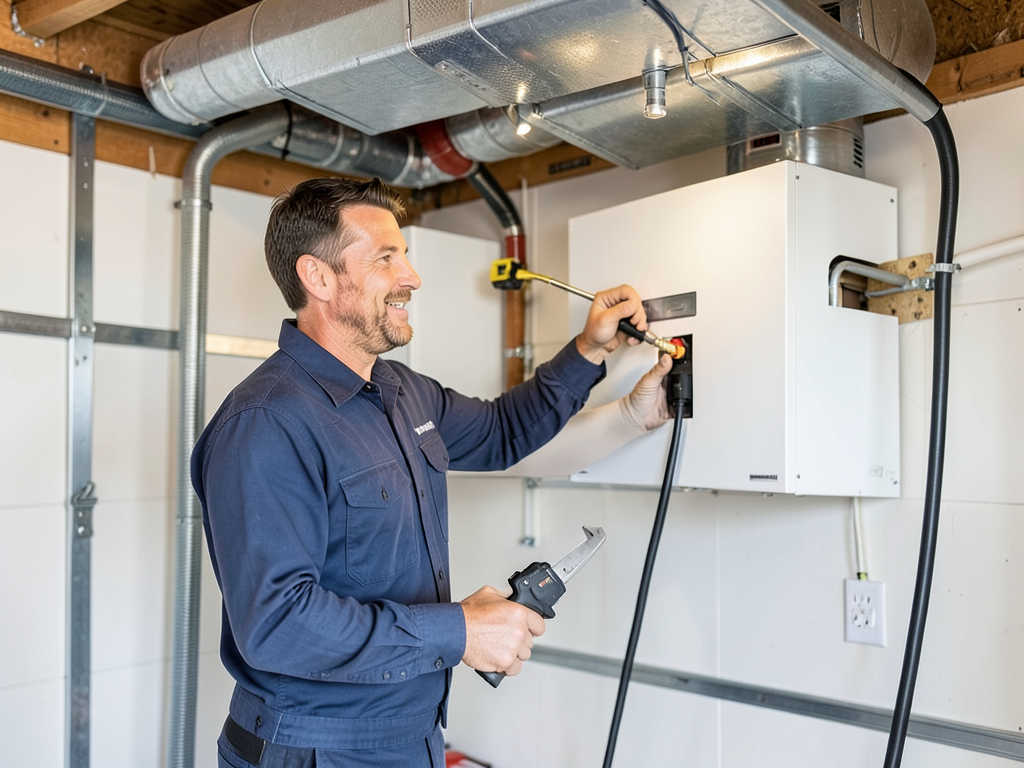
Your home gym in Lakeland should feel energizing, not like a sauna. Yet many Memphis homeowners find their workout spaces quickly become stuffy, humid, and uncomfortable. The problem isn’t your equipment or your effort—it’s the air itself. Standard home ventilation wasn’t designed for the moisture, heat, and odors generated during intense exercise. In Lakeland’s humid climate, this creates the perfect conditions for mold growth, equipment corrosion, and an environment that actively discourages your fitness goals.
Most home gyms suffer from inadequate air changes per hour, poor humidity control, and insufficient exhaust capacity. Your garage or spare bedroom wasn’t built to handle the heat load of a Peloton and resistance bands combined with body heat from a high-intensity workout. Add Memphis’s naturally high dew points, and you’ve got a ventilation problem that requires professional HVAC solutions, not just a box fan. Professional Heat Pump Replacement Services in Bartlett.
The hidden costs of poor home gym ventilation
Beyond discomfort, inadequate ventilation creates real problems. Rubber flooring off-gasses volatile organic compounds (VOCs) that accumulate without proper airflow. High humidity promotes mold growth on walls, ceilings, and even your equipment. Electronics in your gym—from smart trainers to TVs—can suffer damage from excess moisture. The air quality becomes so poor that you might actually breathe in more pollutants during your workout than you would sitting on your couch.
Many Lakeland homeowners don’t realize their home gym ventilation issues are interconnected with broader HVAC performance. A room that feels stuffy during your workout might indicate your entire home’s air distribution system needs attention. The good news? Professional HVAC solutions can transform your stuffy gym into a climate-controlled fitness sanctuary that works year-round. Troubleshooting AC Issues.
Understanding your home gym’s ventilation needs
Different gym locations require different approaches. A garage gym faces unique challenges from outdoor air infiltration and temperature extremes. An interior room conversion deals with limited exterior wall access for ventilation. The size of your space, ceiling height, and even the type of equipment you use all factor into proper ventilation design.
Professional HVAC contractors calculate ventilation needs using air changes per hour (ACH) specific to exercise spaces. While a bedroom needs 4-6 ACH, a home gym performing high-intensity workouts requires 8-12 ACH to maintain air quality and temperature. This means your gym needs nearly twice the ventilation of a standard room. Without proper calculations, you’re essentially guessing at a solution that won’t work when Memphis hits 95 degrees with 80% humidity. The Best Way to Find a Reliable HVAC Contractor in Arlington.
Top ventilation solutions for Lakeland home gyms
Effective home gym ventilation combines multiple strategies. The most successful setups use mechanical ventilation paired with proper humidity control and air filtration. Here are solutions that actually work in Memphis’s climate:
High-CFM exhaust fans: The foundation of good airflow
Standard bathroom exhaust fans won’t cut it for a home gym. You need fans rated for 400-800 CFM (cubic feet per minute) depending on your space size. These fans should run continuously during workouts and for 30 minutes afterward to clear moisture and odors. Install them high on walls or ceilings where hot air accumulates, and ensure they vent directly outdoors—not into your attic where moisture causes bigger problems.
Look for ENERGY STAR certified models with humidity sensors that automatically adjust speed based on moisture levels. In Lakeland’s climate, this smart control prevents both under-ventilation during intense workouts and energy waste when the room is idle.
Energy Recovery Ventilators: Fresh air without the energy penalty
ERVs exchange stale indoor air with fresh outdoor air while transferring heat and moisture between the airstreams. This means you get ventilation without losing your conditioned air or bringing in hot, humid Memphis air. For Lakeland home gyms, ERVs are particularly valuable because they maintain temperature while providing the fresh air exchange your workout space desperately needs.
Modern ERVs recover 70-80% of the energy from exhaust air, making them far more efficient than simple exhaust fans. They also filter incoming air, removing pollen and dust that would otherwise enter your gym. The initial investment pays off through improved comfort, better air quality, and lower energy bills compared to opening windows during Memphis summers.
Ductless mini-split systems: The all-in-one solution
For Lakeland home gyms, ductless mini-splits offer heating, cooling, dehumidification, and air circulation in one unit. These systems excel at managing the variable loads of a home gym—providing powerful cooling during intense workouts and efficient dehumidification when humidity spikes. Unlike central HVAC, mini-splits respond quickly to changing conditions in a single room.
Look for models with inverter technology that adjusts compressor speed rather than cycling on and off. This provides consistent comfort and uses 30-40% less energy than traditional systems. Many Lakeland homeowners appreciate that mini-splits also offer air filtration, removing dust and allergens that accumulate during workouts.
Strategic floor fans: Low-cost airflow enhancement
While not a complete solution, high-velocity floor fans dramatically improve air circulation when positioned correctly. Oscillating pedestal fans or directional floor fans create air movement that helps evaporate sweat and prevents stagnant air pockets. For garage gyms, position fans to create cross-ventilation between your exhaust fan and any fresh air intake.
The key is choosing fans with enough power. Look for models moving at least 4,000 CFM. Position them to direct air across your workout area rather than just circulating air in one corner. Remember, fans cool people through evaporation—they don’t actually lower room temperature, so they work best as supplements to mechanical ventilation.
Memphis-specific humidity challenges
Lakeland’s location in the Mississippi River Valley creates unique ventilation challenges. Memphis routinely experiences dew points above 70°F during summer months—conditions where opening a window actually makes your gym more humid, not less. The outdoor air that feels refreshing in drier climates becomes a moisture-laden burden in the Mid-South.
Professional HVAC solutions account for these local conditions. Standard ventilation calculations that work in Arizona or Colorado fail miserably in Memphis. Your home gym needs systems designed specifically for high latent loads—the technical term for moisture in the air. Without this specialized approach, you’re fighting a losing battle against the climate itself.
Another Memphis factor: seasonal temperature swings. Your January workout requires different ventilation than your July session. Systems must handle both scenarios efficiently, which is why many Lakeland homeowners opt for heat pump-based solutions that provide both heating and cooling capabilities.
Calculating your gym’s ventilation requirements
Proper ventilation starts with accurate calculations. Here’s how to determine what your home gym actually needs:
- Measure your space
Calculate cubic volume by multiplying length × width × ceiling height. A 200 sq ft gym with 9-foot ceilings equals 1,800 cubic feet.
- Determine activity level
High-intensity workouts require 8-12 air changes per hour. Moderate exercise needs 6-8 ACH. Use the higher number for Memphis’s humid climate.
- Calculate required CFM
Multiply cubic feet by desired ACH, then divide by 60. For our example: (1,800 × 10) ÷ 60 = 300 CFM minimum.
- Factor in equipment heat load
Add 10-15% for electronics, lighting, and equipment that generates additional heat.
- Account for Memphis humidity
Increase capacity by 20-30% to handle the latent moisture load specific to the Mid-South.
Using this method, our 200 sq ft example gym actually needs approximately 400-450 CFM of ventilation capacity—significantly more than most homeowners realize. This explains why basic solutions often fail in Memphis’s climate.
Professional vs. DIY ventilation: What actually works
Many Lakeland homeowners start with DIY solutions—box fans, open windows, or portable dehumidifiers. While these might provide temporary relief, they rarely solve the underlying problem. Here’s how professional solutions compare:
| Solution Type | Initial Cost | Monthly Energy Cost | Effectiveness in Memphis | Lifespan |
|---|---|---|---|---|
| Box Fans + Open Windows | $50-100 | $10-15 | Poor (increases humidity) | 1-2 years |
| Portable Dehumidifier + Fans | $300-500 | $30-50 | Moderate (limited capacity) | 3-5 years |
| ERV + Exhaust System | $1,500-2,500 | $25-35 | Excellent (year-round) | 15-20 years |
| Ductless Mini-Split | $2,500-4,000 | $40-60 | Superior (complete control) | 15-20 years |
The data reveals why professional solutions, despite higher upfront costs, often provide better long-term value. They’re designed for Memphis’s specific challenges and include features like automatic humidity control and energy recovery that DIY options lack.
Installation considerations for Lakeland homes
Your home’s construction affects ventilation options. Older Lakeland homes built before 1980 often lack the electrical capacity for modern HVAC equipment. Newer constructions might have limited attic access or exterior wall space for equipment mounting. Professional assessment identifies these constraints before you invest in equipment that won’t work in your specific situation.
Building codes also matter. Shelby County requires permits for most HVAC modifications, and proper condensate drainage prevents moisture damage. Professional installation ensures compliance with local regulations while maximizing system efficiency. The difference between code-compliant and non-compliant installation can mean higher energy bills and potential moisture damage.
Consider your gym’s location within your home’s HVAC layout. A garage gym might need separate systems since it’s outside your home’s thermal envelope. An interior room conversion could tap into existing ductwork but may require zoning controls to prevent affecting the rest of your home’s comfort.
Maintenance for long-term performance
Even the best ventilation system fails without proper maintenance. Memphis’s high humidity means filters clog faster than in drier climates. Check and replace filters every 30-60 days during peak usage seasons. Clean fan blades and coils annually to maintain efficiency—dust buildup can reduce performance by 20% or more.
Monitor humidity levels with a hygrometer. Your gym should maintain 40-60% relative humidity for optimal comfort and equipment protection. If humidity creeps higher, your system might need servicing or your space might have developed air leaks that need sealing.
Professional maintenance contracts typically include seasonal tune-ups that catch small issues before they become costly repairs. Given Memphis’s climate extremes, this preventive approach often saves money compared to emergency service calls during heat waves or cold snaps. Reliable Emergency Furnace Repair for Families in Collierville.
Smart technology integration
Modern ventilation systems integrate with smart home technology for automated control. Wi-Fi enabled thermostats can adjust your gym’s temperature based on your workout schedule. Humidity sensors can trigger dehumidification cycles automatically. Some systems even integrate with fitness apps to pre-condition your space before your scheduled workout.
These smart features matter in Lakeland because they optimize energy use while maintaining comfort. Your system can enter energy-saving mode when you’re not using the gym but respond instantly when you start your workout. Over a year, these adjustments can reduce energy costs by 15-25% while improving comfort.
Voice control adds convenience—adjusting fan speed or temperature without interrupting your workout. Look for systems compatible with Amazon Alexa, Google Assistant, or Apple HomeKit depending on your existing smart home ecosystem.
Health benefits beyond comfort
Proper ventilation does more than make your gym comfortable—it protects your health. During intense exercise, you breathe 10-20 times more air than at rest. Poor air quality during this elevated breathing rate means you inhale more pollutants, allergens, and moisture. This can trigger asthma attacks, respiratory irritation, and even long-term health issues.
Good ventilation also prevents the buildup of airborne pathogens. While COVID-19 concerns have faded, other viruses and bacteria still circulate in poorly ventilated spaces. Proper air exchange rates significantly reduce the concentration of any airborne contaminants, making your home gym safer for you and your family.
The psychological benefits matter too. A fresh, comfortable workout space encourages consistency—the most important factor in any fitness journey. When your gym feels good, you’re more likely to use it regularly, achieving the health benefits you originally sought.
Ready to transform your stuffy gym?
Don’t let poor ventilation sabotage your fitness goals. The right HVAC solution can turn your uncomfortable, stuffy gym into a climate-controlled workout sanctuary that works year-round. Whether you need a simple exhaust fan upgrade or a complete ductless mini-split installation, professional assessment ensures you get the right solution for your specific space and needs.
Ironwood HVAC Memphis specializes in solving the unique ventilation challenges that Lakeland homeowners face. Our technicians understand how Memphis’s humidity affects indoor air quality and can design systems that actually work in our climate. We’ll assess your space, calculate your exact requirements, and recommend solutions that fit your budget and performance needs.
Call (901) 640-3999 today to schedule your home gym ventilation assessment. Don’t spend another workout feeling like you’re exercising in a steam room. Our team will evaluate your current setup, identify problem areas, and provide a clear plan to fix your stuffy gym for good. Your fitness goals deserve better than inadequate ventilation—let us help you breathe easier while you work toward them.
Frequently Asked Questions
How much does it cost to ventilate a home gym properly?
Costs range from $500 for basic exhaust fans to $4,000+ for complete ductless mini-split systems. Most Lakeland homeowners spend $1,500-2,500 for effective ventilation that handles Memphis humidity. The exact cost depends on your gym size, location, and existing HVAC infrastructure.
Can I just open windows instead of installing ventilation equipment?
In Memphis’s humid climate, opening windows often makes your gym more uncomfortable. Outdoor air in July frequently has higher humidity than indoor air, increasing moisture problems rather than solving them. Mechanical ventilation with dehumidification works far better in our climate.
How long does professional installation take?
Most home gym ventilation projects complete in one day. Simple exhaust fan installations take 2-4 hours, while complete mini-split systems require 4-8 hours including electrical work and testing. We’ll provide a specific timeline after assessing your space. For more information, visit ASHRAE ventilation standards. For more information, visit Department of Energy ventilation guide.
{
“@context”: “https://schema.org”,
“@type”: “BlogPosting”,
“headline”: “Why your home gym in Lakeland feels stuffy and how to fix the ventilation”,
“description”: “Lakeland home gyms get stuffy fast. Learn how Memphis humidity and poor airflow affect your workout space and the HVAC solutions that actually work.”,
“wordCount”: 2235,
“datePublished”: “2026-06-12T08:32:00.000Z”,
“dateModified”: “2026-06-12T08:32:00.000Z”,
“inLanguage”: “en-US”,
“mainEntityOfPage”: {
“@type”: “WebPage”,
“@id”: “https://ironwoodhvacmemphis.com”
},
“publisher”: {
“@type”: “LocalBusiness”,
“name”: “Ironwood HVAC Memphis”,
“url”: “https://ironwoodhvacmemphis.com”
},
“author”: {
“@type”: “Organization”,
“name”: “Ironwood HVAC Memphis”,
“url”: “https://ironwoodhvacmemphis.com”
},
“image”: {
“@type”: “ImageObject”,
“url”: “https://ironwoodhvacmemphis.com/wp-content/uploads/2026/03/why-your-home-gym-in-lakeland-feels-stuffy-and-how-1.png”
}
}
{
“@context”: “https://schema.org”,
“@type”: “HVACBusiness”,
“name”: “Ironwood HVAC Memphis”,
“url”: “https://ironwoodhvacmemphis.com”,
“address”: {
“@type”: “PostalAddress”,
“addressLocality”: “Memphis”
},
“areaServed”: {
“@type”: “City”,
“name”: “Memphis”
}
}
{
“@context”: “https://schema.org”,
“@type”: “FAQPage”,
“mainEntity”: [
{
“@type”: “Question”,
“name”: “Ready to transform your stuffy gym?”,
“acceptedAnswer”: {
“@type”: “Answer”,
“text”: “Don’t let poor ventilation sabotage your fitness goals. The right HVAC solution can turn your uncomfortable, stuffy gym into a climate-controlled workout sanctuary that works year-round. Whether you need a simple exhaust fan upgrade or a complete ductless mini-split installation, professional assessment ensures you get the right solution for your specific space and needs.”
}
},
{
“@type”: “Question”,
“name”: “How much does it cost to ventilate a home gym properly?”,
“acceptedAnswer”: {
“@type”: “Answer”,
“text”: “Costs range from $500 for basic exhaust fans to $4,000+ for complete ductless mini-split systems. Most Lakeland homeowners spend $1,500-2,500 for effective ventilation that handles Memphis humidity. The exact cost depends on your gym size, location, and existing HVAC infrastructure.”
}
},
{
“@type”: “Question”,
“name”: “Can I just open windows instead of installing ventilation equipment?”,
“acceptedAnswer”: {
“@type”: “Answer”,
“text”: “In Memphis’s humid climate, opening windows often makes your gym more uncomfortable. Outdoor air in July frequently has higher humidity than indoor air, increasing moisture problems rather than solving them. Mechanical ventilation with dehumidification works far better in our climate.”
}
}
]
}
{
“@context”: “https://schema.org”,
“@type”: “HowTo”,
“name”: “Calculating Home Gym Ventilation”,
“step”: [
{
“@type”: “HowToStep”,
“position”: 1,
“name”: “Measure your space”,
“text”: “Calculate cubic volume by multiplying length × width × ceiling height. A 200 sq ft gym with 9-foot ceilings equals 1,800 cubic feet.”
},
{
“@type”: “HowToStep”,
“position”: 2,
“name”: “Determine activity level”,
“text”: “High-intensity workouts require 8-12 air changes per hour. Moderate exercise needs 6-8 ACH. Use the higher number for Memphis’s humid climate.”
},
{
“@type”: “HowToStep”,
“position”: 3,
“name”: “Calculate required CFM”,
“text”: “Multiply cubic feet by desired ACH, then divide by 60. For our example: (1,800 × 10) ÷ 60 = 300 CFM minimum.”
},
{
“@type”: “HowToStep”,
“position”: 4,
“name”: “Factor in equipment heat load”,
“text”: “Add 10-15% for electronics, lighting, and equipment that generates additional heat.”
},
{
“@type”: “HowToStep”,
“position”: 5,
“name”: “Account for Memphis humidity”,
“text”: “Increase capacity by 20-30% to handle the latent moisture load specific to the Mid-South.”
}
],
“image”: “https://ironwoodhvacmemphis.com/wp-content/uploads/2026/03/why-your-home-gym-in-lakeland-feels-stuffy-and-how-1.png”
}
{
“@context”: “https://schema.org”,
“@type”: “BreadcrumbList”,
“itemListElement”: [
{
“@type”: “ListItem”,
“position”: 1,
“name”: “Home”,
“item”: “https://ironwoodhvacmemphis.com”
},
{
“@type”: “ListItem”,
“position”: 2,
“name”: “Blog”,
“item”: “https://ironwoodhvacmemphis.com/blog”
},
{
“@type”: “ListItem”,
“position”: 3,
“name”: “Why your home gym in Lakeland feels stuffy and how to fix the ventilation”
}
]
}
{
“@context”: “https://schema.org”,
“@type”: “Service”,
“serviceType”: “HVAC”,
“provider”: {
“@type”: “LocalBusiness”,
“name”: “Ironwood HVAC Memphis”,
“url”: “https://ironwoodhvacmemphis.com”
},
“areaServed”: {
“@type”: “City”,
“name”: “Memphis”
},
“description”: “Lakeland home gyms get stuffy fast. Learn how Memphis humidity and poor airflow affect your workout space and the HVAC solutions that actually work.”
}