




Atoka sits in West Tennessee where summer humidity regularly tops 80 percent and winter temperatures swing wildly from mild to subfreezing. This combination punishes air conditioning systems harder than dry climates because humid air forces compressors to work longer cycles. Your AC removes moisture and heat, doubling the workload compared to arid regions where cooling alone is the primary task.
The freeze-thaw cycles here stress heat pumps and furnace heat exchangers. When temperatures drop to 20 degrees one week and climb to 55 the next, expansion and contraction crack welds and loosen connections. Rural areas around Atoka often rely on heat pumps rather than natural gas furnaces, and these systems struggle during sustained cold snaps below 30 degrees when defrost cycles run constantly.
Summer storms knock out power frequently, causing voltage spikes when electricity returns. These surges damage circuit boards and capacitors in modern HVAC equipment. Atoka's red clay soil retains moisture poorly during droughts but floods during heavy rains, threatening outdoor condensing units with water damage and creating drainage issues around foundation-mounted equipment.
We built our reputation across West Tennessee by showing up when other companies send you to voicemail. Serving Atoka means understanding that most residents here work demanding schedules and cannot afford to miss work waiting on a four-hour service window. We give you real arrival times and stick to them.
Our technicians carry fully stocked service vehicles with parts for the brands actually installed in Atoka homes. We know this area runs heavy on Carrier, Trane, and Goodman systems because those are what local builders specified for decades. We stock capacitors, contactors, and thermostats for these units so we fix problems during the first visit instead of ordering parts and coming back next week.
Ironwood HVAC Memphis trains every technician on both old and new equipment because Atoka homes span 70 years of construction. We service 1960s furnaces in older homes near downtown and diagnose computerized variable-speed systems in newer subdivisions with equal skill. This range matters because many companies only want to work on equipment less than 10 years old.
We give you straight answers about repair versus replacement. If your 18-year-old air conditioner needs a $900 compressor, we tell you that investing in a failing system makes no financial sense. But if your five-year-old unit needs a $200 capacitor, we fix it and send you on your way. This honesty has kept Atoka customers calling us for over a decade.

We dispatch technicians to Atoka within hours of your call during HVAC emergencies. Your broken air conditioner in July or dead furnace in January cannot wait until next Tuesday. We stock service vehicles daily and maintain technician coverage across West Tennessee so someone reaches you fast when your system fails.

Our technicians carry the parts that actually fail on Atoka HVAC systems. Capacitors, contactors, thermostats, and blower motors for Carrier, Trane, Goodman, and Rheem equipment ride in every truck. This preparation means we complete most repairs during the initial visit instead of ordering parts and returning days later.
Ironwood HVAC Memphis services everything from 1970s gas furnaces to 2024 variable-speed heat pumps. Atoka's housing stock varies dramatically in age and equipment type. We train on legacy systems and cutting-edge technology so your equipment age never sends us scrambling for answers or turning down your service call.
Ironwood HVAC Memphis handles every climate control need for Atoka residential and commercial properties. We separate our services into emergency repair, planned maintenance, and complete system replacement because each category demands different response times, pricing structures, and customer expectations.
Emergency AC service requires immediate dispatch, diagnostic speed, and parts inventory to restore cooling during summer heat. Planned maintenance visits schedule weeks in advance, focus on prevention, and tune systems before extreme weather arrives. Replacement projects involve load calculations, equipment selection, and installation planning that takes days rather than hours.
This structure lets us serve you whether your air conditioner died overnight, you want to prevent winter breakdowns, or you need to replace a failing system before it quits completely. Central air repair, heat pump service, furnace diagnostics, and ductwork modifications all fall within our scope. We size residential split systems, package units for commercial buildings, and ductless mini-splits for room additions where running ducts makes no sense.
Your air conditioner quits cooling or your furnace stops heating. These failures demand immediate service, not appointments three days out. We dispatch technicians to diagnose compressor failures, refrigerant leaks, blower motor burnouts, ignition problems, and thermostat malfunctions. Our trucks carry replacement parts for common failures on Carrier, Trane, Goodman, and Rheem systems so we restore your comfort during the first visit whenever possible.
Scheduled maintenance catches problems before they cause breakdowns. We clean condensing coils, check refrigerant charge, test capacitors, inspect electrical connections, and verify airflow across evaporator coils. These inspections find worn contactors, weak capacitors, and dirty filters that reduce efficiency and shorten equipment life. Spring AC tune-ups prepare your system for summer heat. Fall furnace inspections ensure safe operation before winter cold arrives.
Old systems eventually cost more to repair than replace. We perform Manual J load calculations to size equipment correctly for your home's square footage, insulation levels, and window area. Undersized units run constantly without reaching temperature. Oversized equipment short-cycles and fails to remove humidity. Proper sizing ensures comfort and efficiency. We install split systems, package units, heat pumps, and gas furnaces matched to Atoka's climate demands.
West Tennessee's climate and infrastructure create predictable HVAC failures. High summer humidity overworks air conditioners, forcing compressors to run extended cycles that burn out capacitors and contactors. Winter temperature swings stress heat exchangers and reversing valves. Rural power grids deliver inconsistent voltage that damages electronic controls.
Atoka's older housing stock compounds these problems. Homes built before 1990 often have undersized ductwork, minimal insulation, and single-pane windows that make HVAC systems work harder than necessary. New construction faces different issues like improper load calculations and rushed installations that leave refrigerant charges wrong or airflow restricted.
These patterns mean certain failures happen repeatedly. Recognizing them helps you spot problems early before minor issues become expensive emergencies. Calling for service when you notice weak airflow or strange noises prevents complete system failure during the hottest or coldest days when technician availability gets tight.
High humidity makes air conditioners run longer cycles than in dry climates. Extended run times wear out start capacitors and contactors faster. You hear clicking sounds but the compressor will not start, or the outdoor unit hums without running. These electrical components fail predictably every 3-5 years in Atoka. Replacement is straightforward and prevents compressor damage from repeated failed start attempts.
Air conditioners older than 10 years develop pinhole leaks in evaporator coils or condenser coils. Vibration, corrosion, and freeze-thaw cycles crack copper tubing over time. Your system runs constantly without cooling properly. Ice forms on refrigerant lines. Simply adding refrigerant wastes money because it leaks out again. We find leaks, repair them, and recharge systems to proper levels.
Power surges from summer storms damage electronic controls and thermostats. Your system will not respond to temperature changes, runs constantly, or short-cycles every few minutes. Modern HVAC equipment relies on circuit boards that voltage spikes destroy. We test thermostats, check control board outputs, and replace damaged components. Installing surge protectors prevents repeat failures after storms knock out power.
Condensate drains clog with algae and mold in humid climates. Water backs up and overflows from drain pans, causing water damage or triggering float switches that shut systems down. Restricted airflow from dirty filters makes evaporator coils freeze. Ice blocks airflow completely. We clear drain lines, clean coils, and verify proper airflow to prevent freezing and water damage.
We know HVAC emergencies create stress. Your house is too hot or too cold, you are worried about cost, and you need answers fast. Our process focuses on speed, transparency, and permanent fixes rather than temporary patches.
When you call, we ask specific questions about your symptoms to dispatch the right technician with appropriate parts. If your outdoor unit hums but will not start, we bring capacitors and contactors. If your furnace igniter glows but gas will not light, we stock ignition controls and flame sensors. This preparation eliminates return trips for parts.
We arrive within the time window we promise, diagnose problems completely before quoting repairs, and explain what failed and why. You get upfront pricing before work begins. No surprises. If we find multiple problems, we prioritize what needs immediate repair versus what can wait. This honesty helps you make informed decisions about your system and your budget.
You reach a real person when you call, not an answering service. We gather details about your problem, explain what our diagnostic visit costs, and give you an honest arrival window. If we are running behind, you get a call before your scheduled time. After service, we explain what we found, what we fixed, and what maintenance will prevent future problems. You understand your system better after we leave.
We test every component related to your problem. A compressor that will not start might have a bad capacitor, failed contactor, seized motor, or low refrigerant charge. We check voltage, test capacitance, measure amperage, and verify refrigerant pressures before recommending repairs. This thorough approach finds the actual problem instead of guessing and replacing parts until something works. You pay for the right repair, not trial and error.
We install quality replacement parts and verify proper system operation after repairs. Refrigerant charges get weighed in, not guessed. Electrical connections get torqued to specification. Condensate drains get cleaned and tested. Your system runs through complete heating or cooling cycles before we leave. This attention to detail prevents callbacks and ensures repairs hold up through Tennessee's extreme weather demands.
HVAC repair should not involve mystery or confusion. We follow a consistent three-step process that gets your system running again without surprises or delays.
Call us at (901) 640-3999 and describe your problem. We ask targeted questions about symptoms to send the right technician with appropriate parts. You get a realistic arrival window, not a vague all-day appointment. Our dispatcher confirms your address, explains diagnostic fees, and answers questions about what happens next. Emergency calls get same-day response. Scheduled maintenance books at your convenience.
Our technician arrives within your scheduled window, examines your system, and runs diagnostic tests to identify the failure. We check electrical components, measure refrigerant pressures, inspect airflow, and verify control operation. Once we find the problem, we explain what failed, why it failed, and give you an upfront price for repairs. You approve the work before we start. No hidden fees.
We complete repairs, verify proper system operation, and test all functions before leaving. Your air conditioner cools to the temperature you set. Your furnace heats reliably. Condensate drains flow freely. Airflow feels strong at every register. We clean up our work area, explain what we did, and answer questions about maintaining your system. You get peace of mind that the repair will last.
Professional HVAC work in Tennessee follows specific codes and standards that protect homeowners and ensure safe operation. The Tennessee Board for Licensing Contractors requires all HVAC technicians to hold valid licenses for the work they perform. Refrigerant handling demands EPA Section 608 certification because releasing refrigerants into the atmosphere violates federal environmental law.
Electrical work on HVAC equipment must comply with the National Electrical Code as adopted by Tennessee. This includes proper wire sizing, disconnect placement, and overcurrent protection for compressors and air handlers. Local building departments in Tipton County require permits for system replacements and major repairs that involve refrigerant or electrical modifications. These permits trigger inspections that verify code compliance.
Refrigerant charging follows manufacturer specifications, not guesswork. Air conditioning systems require precise refrigerant amounts based on line length, coil design, and operating conditions. Overcharging damages compressors. Undercharging reduces capacity and efficiency. Professional technicians weigh refrigerant in using calibrated scales and verify proper superheat and subcooling temperatures that indicate correct charge levels.
Ductwork sizing follows Manual D calculations from the Air Conditioning Contractors of America. Undersized ducts create high static pressure that reduces airflow and strains blower motors. Oversized ducts waste conditioned air to leakage and reduce system efficiency. Proper duct design considers friction losses, fitting turns, and register placement to deliver specified airflow throughout your home.
Installation quality determines how long equipment lasts. Condensing units must sit level on stable pads with proper clearance for airflow. Refrigerant lines need correct insulation and support to prevent vibration damage. Condensate drains require proper slope and trap depth to flow reliably. These details separate professional installations from work that causes premature failures and expensive callbacks.
Tennessee requires HVAC contractors to hold state licenses verified through the Board for Licensing Contractors. Refrigerant work demands EPA Section 608 certification at the appropriate level for the refrigerant type. These credentials prove technical competency and legal authority to perform HVAC work. Always verify your contractor holds current licenses and certifications before allowing work to begin.
HVAC repair costs depend on equipment age, part availability, refrigerant type, and labor complexity. Older systems using R-22 refrigerant cost more to service because that refrigerant is no longer produced. Compressor replacements approach new system costs on units over 12 years old. Simple repairs like capacitors or thermostats cost far less than refrigerant leak repairs or blower motor replacements.
Simple repairs take one to three hours including diagnosis and testing. Refrigerant leak repairs require additional time for leak detection, repair, evacuation, and recharge procedures that cannot be rushed. Complete system replacements take one to three days depending on ductwork modifications and equipment complexity. Emergency service gets priority scheduling but may involve premium pricing for after-hours response.
Manufacturer warranties cover defective parts but require professional installation and regular maintenance to remain valid. Extended warranties and service agreements provide additional protection beyond base coverage. Keep service records to document maintenance because warranty claims often require proof of proper care. Register new equipment with manufacturers immediately to activate warranty coverage and establish installation dates.
Professional HVAC technician explains common air conditioning and heating system failures specific to Atoka, Tennessee homes. Covers capacitor problems, refrigerant leaks, thermostat issues, and drainage failures caused by local climate conditions. Demonstrates diagnostic techniques and repair processes for central air systems, heat pumps, and furnaces. Provides guidance on when to repair versus replace aging HVAC equipment in West Tennessee's humid climate.
Ironwood HVAC Memphis serves all of Atoka and the surrounding Tipton County area with the same rapid response and expert service. Our location gives us quick access to communities throughout this part of West Tennessee where rural power grids and agricultural surroundings create unique HVAC challenges.
The older residential areas near downtown Atoka feature homes from the 1950s through 1980s with original HVAC equipment or aging replacement systems. These neighborhoods often have undersized ductwork, minimal attic insulation, and single-pane windows that make climate control difficult. We service the legacy equipment common in these homes and help residents decide when repairs make sense versus system replacement.
Newer subdivisions along Highway 59 and surrounding rural routes feature modern construction with higher efficiency requirements and more complex HVAC systems. Variable-speed air handlers, two-stage compressors, and programmable thermostats demand different diagnostic skills than basic single-stage equipment. We train on these advanced systems and carry the specialized tools needed to service them properly.
Rural properties outside Atoka proper face infrastructure challenges that affect HVAC performance. Well water creates hardness issues in humidifiers and requires different maintenance than city water supplies. Propane furnaces operate differently than natural gas systems and need specialized service knowledge. Long driveways and isolated locations mean response time matters even more when systems fail during temperature extremes.
The commercial corridor serving Atoka requires fast HVAC response because business interruptions cost money. Restaurants cannot operate without air conditioning in summer. Retail stores lose customers when heating fails in winter. We prioritize commercial service calls and maintain relationships with business owners who depend on reliable climate control to stay operational.
Properties near the Loosahatchie River and surrounding low areas deal with high water tables that affect outdoor unit placement and drainage. We understand these geographical factors and design installations that account for Atoka's terrain and water management needs.
HVAC systems in Atoka need regular attention due to Oklahoma's extreme weather swings. Your system works harder during hot summers and cold winters, which means more wear on components. Schedule professional maintenance twice yearly to keep your equipment running efficiently. Change air filters every 30-90 days depending on usage and air quality. Watch for warning signs like unusual noises, weak airflow, or inconsistent temperatures. Most systems last 15-20 years with proper care. Local humidity levels affect your system's performance, so dehumidification features help during muggy months. Address small problems quickly to avoid expensive repairs.
Selecting the right HVAC contractor in Atoka requires research and verification. Check online reviews and ask neighbors for recommendations. Verify the company has proper credentials and experience with your system type. Get three written estimates before committing to major work. Ask about their response time for emergencies and what services they provide. Good contractors explain problems clearly and offer multiple solutions. They should inspect your home before recommending equipment sizes. Look for technicians who answer your questions patiently and respect your property. Trust your instincts when evaluating professionalism and communication style.
Energy efficiency directly impacts your monthly utility bills and comfort level. Modern HVAC systems use 30-50% less energy than models from 20 years ago. Look for high SEER ratings when replacing air conditioners. Programmable thermostats reduce energy waste by adjusting temperatures when you're away. Seal ductwork leaks to prevent conditioned air from escaping into attics or crawlspaces. Add insulation to improve your home's thermal envelope. Regular maintenance keeps your system operating at peak efficiency. Clean coils and proper refrigerant levels make significant differences. Small upgrades often provide quick returns through lower energy bills.
HVAC systems in Atoka need regular attention due to Oklahoma's extreme weather swings. Your system works harder during hot summers and cold winters, which means more wear on components. Schedule professional maintenance twice yearly to keep your equipment running efficiently. Change air filters every 30-90 days depending on usage and air quality. Watch for warning signs like unusual noises, weak airflow, or inconsistent temperatures. Most systems last 15-20 years with proper care. Local humidity levels affect your system's performance, so dehumidification features help during muggy months. Address small problems quickly to avoid expensive repairs.
Selecting the right HVAC contractor in Atoka requires research and verification. Check online reviews and ask neighbors for recommendations. Verify the company has proper credentials and experience with your system type. Get three written estimates before committing to major work. Ask about their response time for emergencies and what services they provide. Good contractors explain problems clearly and offer multiple solutions. They should inspect your home before recommending equipment sizes. Look for technicians who answer your questions patiently and respect your property. Trust your instincts when evaluating professionalism and communication style.
Energy efficiency directly impacts your monthly utility bills and comfort level. Modern HVAC systems use 30-50% less energy than models from 20 years ago. Look for high SEER ratings when replacing air conditioners. Programmable thermostats reduce energy waste by adjusting temperatures when you're away. Seal ductwork leaks to prevent conditioned air from escaping into attics or crawlspaces. Add insulation to improve your home's thermal envelope. Regular maintenance keeps your system operating at peak efficiency. Clean coils and proper refrigerant levels make significant differences. Small upgrades often provide quick returns through lower energy bills.
Air quality inside your Atoka home affects health and comfort. Dust, pollen, pet dander, and mold spores circulate through your HVAC system. Standard filters capture large particles, while HEPA filters remove 99.97% of airborne contaminants. Consider UV lights to kill bacteria and mold in your ductwork. Humidity control prevents mold growth and reduces allergens. Schedule duct cleaning every 3-5 years to remove accumulated debris. Ventilation systems bring fresh outdoor air inside while exhausting stale air. Air purifiers work alongside your HVAC to target specific pollutants. Better air quality means fewer respiratory problems and allergies.
System sizing determines how well your HVAC performs and how long it lasts. Oversized units cycle on and off frequently, wasting energy and creating temperature swings. Undersized systems run continuously without reaching desired temperatures. Professional load calculations account for square footage, insulation levels, window placement, and local climate. Atoka's weather patterns require systems sized for extreme heat and occasional cold snaps. Proper sizing improves humidity control and air distribution. Ductwork must match equipment capacity for optimal performance. Never base sizing decisions on your old system's capacity. Each home needs individual assessment for accurate results.
Emergency breakdowns happen at the worst times, often during temperature extremes. Keep your HVAC contractor's emergency number accessible. Check simple fixes first like thermostat settings, circuit breakers, and filter condition. Know where your system's shutoff switches are located. Strange smells, smoking, or sparking require immediate professional attention and system shutdown. Water leaks need quick response to prevent property damage. During summer outages, close blinds and use fans to stay comfortable. Winter emergencies demand space heaters as temporary solutions. Regular maintenance reduces emergency risks significantly. Plan ahead by establishing service relationships before problems occur.
Replacement becomes necessary when repairs exceed half your system's value. Frequent breakdowns indicate declining reliability. Rising energy bills suggest decreasing efficiency. Your system's age matters since technology improves constantly. Uneven heating or cooling throughout your home signals capacity problems. Refrigerant leaks in older systems using discontinued refrigerants push replacement decisions. Strange noises from aging equipment warn of impending failure. Tax credits and utility rebates sometimes offset replacement expenses. New systems provide better comfort, lower operating expenses, and improved reliability. Plan replacement during mild weather when contractors offer better availability and pricing.
Thermostat placement and programming significantly affect comfort and efficiency. Install thermostats on interior walls away from windows, doors, and direct sunlight. Avoid locations near heat sources like lamps or appliances. Mount at standard height, about five feet from the floor. Program temperature setbacks during sleeping hours and when your home is empty. Each degree of setback saves approximately 3% on energy expenses. Smart thermostats learn your schedule and adjust automatically. Zone systems allow different temperatures in separate areas. Replace batteries annually in programmable models. Clean dust from thermostat components yearly for accurate readings.
Seasonal preparation extends equipment life and prevents breakdowns during peak demand. Spring preparation includes cleaning outdoor units, checking refrigerant levels, and testing cooling performance. Fall maintenance focuses on heating components, gas connections, and combustion safety. Clear debris from around outdoor units year-round. Trim vegetation to maintain proper airflow. Cover outdoor units during winter only if recommended by your manufacturer. Clean registers and vents throughout your home. Test your system before extreme weather arrives. Address minor issues during shoulder seasons when contractors have better availability. Preventive care costs less than emergency repairs.
Ductwork distributes conditioned air throughout your Atoka home efficiently. Leaky ducts waste 20-30% of your heated or cooled air. Inspect accessible ductwork for gaps, tears, or disconnected sections. Seal leaks with mastic sealant, never ordinary duct tape. Insulate ducts running through unconditioned spaces like attics or crawlspaces. Poor duct design creates pressure imbalances and reduces comfort. Flexible ducts need proper support to prevent sagging and airflow restrictions. Register placement affects room comfort and air circulation. Professional duct testing identifies hidden leaks and efficiency problems. Good ductwork makes your HVAC system perform better.
Air quality inside your Atoka home affects health and comfort. Dust, pollen, pet dander, and mold spores circulate through your HVAC system. Standard filters capture large particles, while HEPA filters remove 99.97% of airborne contaminants. Consider UV lights to kill bacteria and mold in your ductwork. Humidity control prevents mold growth and reduces allergens. Schedule duct cleaning every 3-5 years to remove accumulated debris. Ventilation systems bring fresh outdoor air inside while exhausting stale air. Air purifiers work alongside your HVAC to target specific pollutants. Better air quality means fewer respiratory problems and allergies.
System sizing determines how well your HVAC performs and how long it lasts. Oversized units cycle on and off frequently, wasting energy and creating temperature swings. Undersized systems run continuously without reaching desired temperatures. Professional load calculations account for square footage, insulation levels, window placement, and local climate. Atoka's weather patterns require systems sized for extreme heat and occasional cold snaps. Proper sizing improves humidity control and air distribution. Ductwork must match equipment capacity for optimal performance. Never base sizing decisions on your old system's capacity. Each home needs individual assessment for accurate results.
Emergency breakdowns happen at the worst times, often during temperature extremes. Keep your HVAC contractor's emergency number accessible. Check simple fixes first like thermostat settings, circuit breakers, and filter condition. Know where your system's shutoff switches are located. Strange smells, smoking, or sparking require immediate professional attention and system shutdown. Water leaks need quick response to prevent property damage. During summer outages, close blinds and use fans to stay comfortable. Winter emergencies demand space heaters as temporary solutions. Regular maintenance reduces emergency risks significantly. Plan ahead by establishing service relationships before problems occur.
Replacement becomes necessary when repairs exceed half your system's value. Frequent breakdowns indicate declining reliability. Rising energy bills suggest decreasing efficiency. Your system's age matters since technology improves constantly. Uneven heating or cooling throughout your home signals capacity problems. Refrigerant leaks in older systems using discontinued refrigerants push replacement decisions. Strange noises from aging equipment warn of impending failure. Tax credits and utility rebates sometimes offset replacement expenses. New systems provide better comfort, lower operating expenses, and improved reliability. Plan replacement during mild weather when contractors offer better availability and pricing.
Thermostat placement and programming significantly affect comfort and efficiency. Install thermostats on interior walls away from windows, doors, and direct sunlight. Avoid locations near heat sources like lamps or appliances. Mount at standard height, about five feet from the floor. Program temperature setbacks during sleeping hours and when your home is empty. Each degree of setback saves approximately 3% on energy expenses. Smart thermostats learn your schedule and adjust automatically. Zone systems allow different temperatures in separate areas. Replace batteries annually in programmable models. Clean dust from thermostat components yearly for accurate readings.
Seasonal preparation extends equipment life and prevents breakdowns during peak demand. Spring preparation includes cleaning outdoor units, checking refrigerant levels, and testing cooling performance. Fall maintenance focuses on heating components, gas connections, and combustion safety. Clear debris from around outdoor units year-round. Trim vegetation to maintain proper airflow. Cover outdoor units during winter only if recommended by your manufacturer. Clean registers and vents throughout your home. Test your system before extreme weather arrives. Address minor issues during shoulder seasons when contractors have better availability. Preventive care costs less than emergency repairs.
Ductwork distributes conditioned air throughout your Atoka home efficiently. Leaky ducts waste 20-30% of your heated or cooled air. Inspect accessible ductwork for gaps, tears, or disconnected sections. Seal leaks with mastic sealant, never ordinary duct tape. Insulate ducts running through unconditioned spaces like attics or crawlspaces. Poor duct design creates pressure imbalances and reduces comfort. Flexible ducts need proper support to prevent sagging and airflow restrictions. Register placement affects room comfort and air circulation. Professional duct testing identifies hidden leaks and efficiency problems. Good ductwork makes your HVAC system perform better.
Ironwood HVAC Memphis proudly serves the entire Memphis community and the surrounding counties. Our team is local, dedicated, and always ready to dispatch quickly to your residential or commercial location. View our central service area on the map below, or contact us directly to confirm if your specific neighborhood falls within our swift response zone. We look forward to bringing you reliable comfort.
Address:
Atoka, TN, 38004
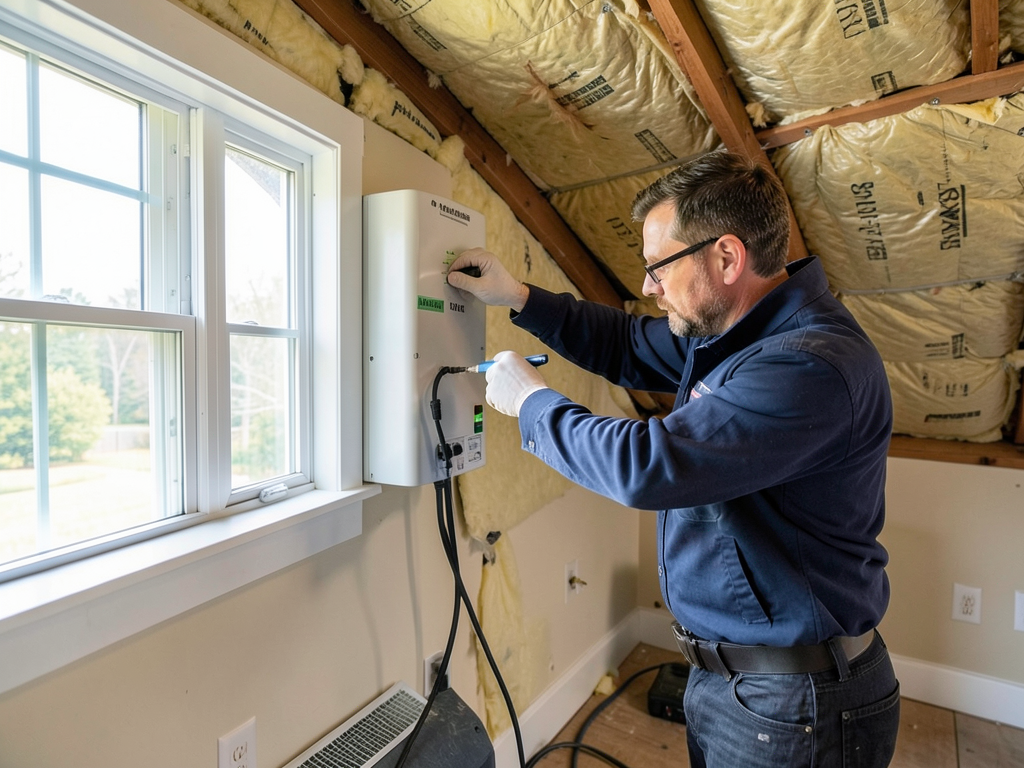
What every homeowner in Southaven should look for in an HVAC replacement quote Getting an HVAC replacement quote in Southaven can feel overwhelming. You want to make sure you're comparing apples to apples and not…
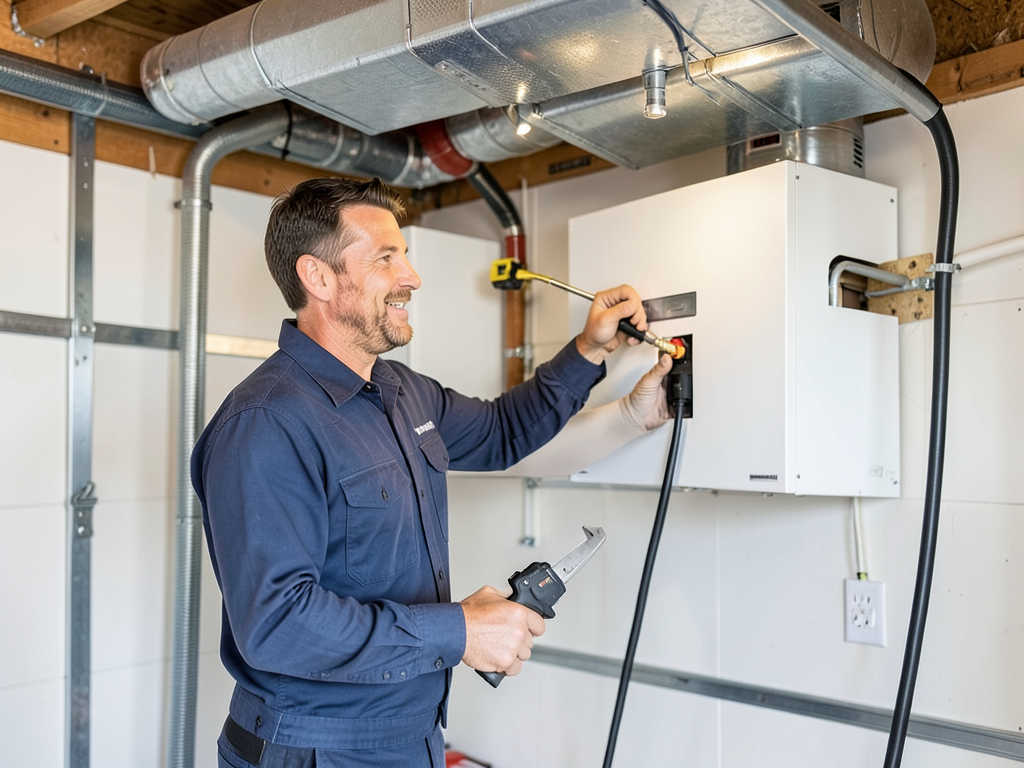
Your home gym in Lakeland should feel energizing, not like a sauna. Yet many Memphis…
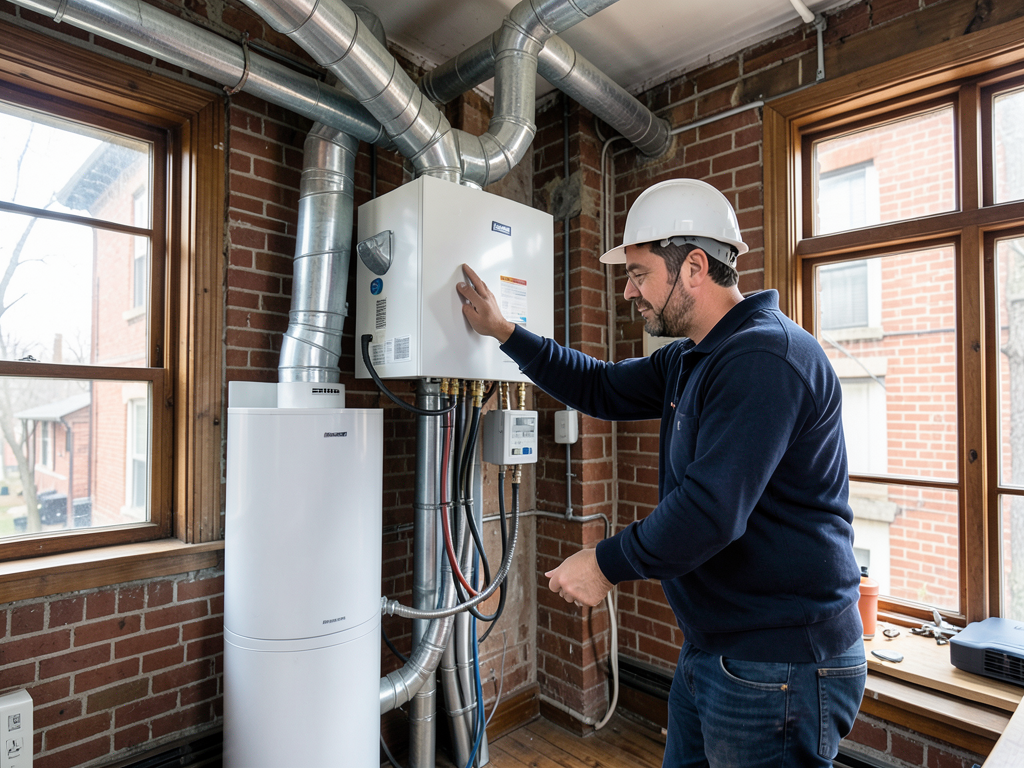
Choosing an air purifier that actually removes BBQ smoke in your Midtown backyard Memphis summers…
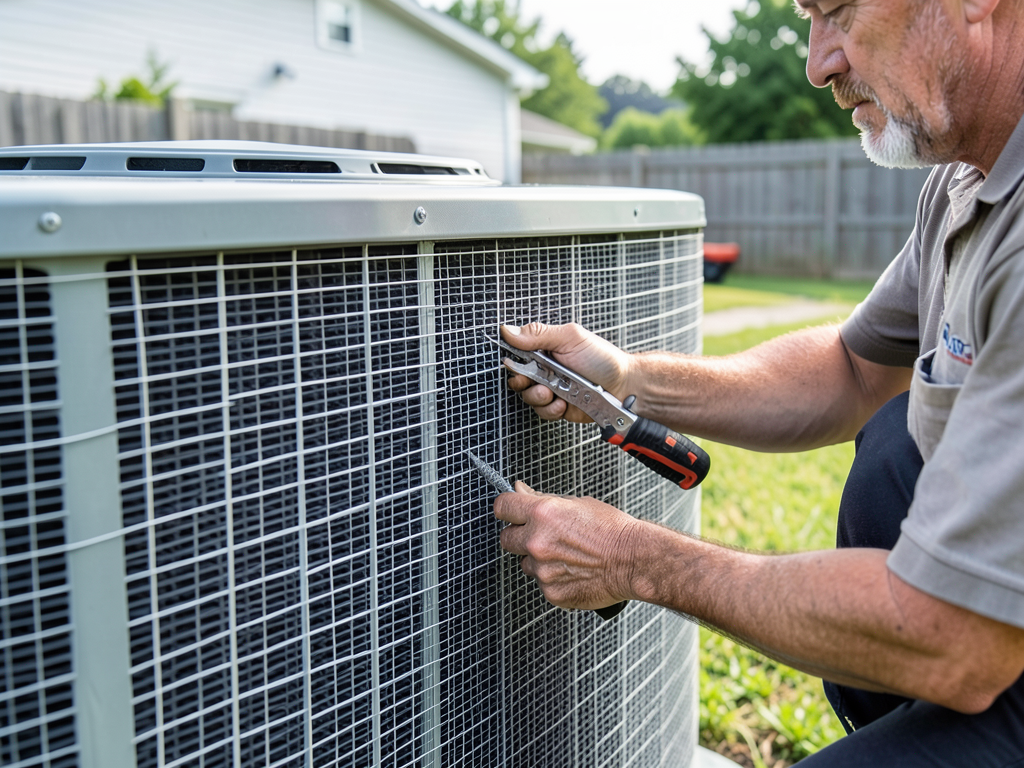
How to stop mice and squirrels from nesting in your outdoor unit in Eads Pests…
Your comfort cannot wait. Call Ironwood HVAC Memphis now at (901) 640-3999 for same-day emergency service throughout Atoka. Our technicians are ready to diagnose your system, explain the problem clearly, and complete repairs that last.