



menu

Commercial Maintenance Agreements in Memphis – Eliminate Downtime with Scheduled Service That Keeps Your Building Running

Protect your business operations with commercial HVAC maintenance plans designed for Memphis's high-humidity climate, ensuring your systems run efficiently year-round while reducing emergency repair costs and unexpected failures.

Slider Image 1
Slider Image 2
Slider Image 3
Slider Image 4
Slider Image 5
Slider Image 7
Slider Image 8
Slider Image 9
Slider Image 10
Slider Image 11

Why Memphis Businesses Lose Money on Reactive HVAC Management

Memphis's hot, humid summers push commercial HVAC systems harder than most owners realize. When humidity climbs above 70 percent from May through September, compressors work overtime to maintain indoor air quality and temperature control. Without scheduled maintenance, condensate drains clog with algae growth, coils accumulate dirt that reduces heat transfer efficiency, and refrigerant levels drop from microscopic leaks.

The cost of reactive management adds up fast. A single emergency service call during peak cooling season can shut down operations for hours while technicians source parts. Retail spaces lose sales. Office workers lose productivity. Restaurants risk health code violations when walk-in coolers fail during lunch service.

Commercial HVAC service contracts eliminate this risk by shifting from reactive to preventive maintenance. Instead of waiting for failure, you schedule service during slow business hours. Technicians catch small issues before they cascade into system-wide problems. You budget maintenance as a fixed operating expense rather than absorbing surprise repair bills that spike during summer heat waves.

The clay soil beneath Memphis also affects building foundations over time, creating subtle shifts that stress ductwork connections. Commercial planned maintenance agreements include inspections that detect these connection failures before conditioned air leaks into wall cavities. You maintain the efficiency you paid for when the system was installed.

HVAC preventive maintenance agreements also extend equipment lifespan. A 15-year rooftop unit can fail at year 10 without proper care, forcing premature capital replacement. With scheduled filter changes, coil cleaning, and refrigerant monitoring, that same unit reaches its full design life while maintaining peak efficiency.

Why Memphis Businesses Lose Money on Reactive HVAC Management
How Commercial HVAC Service Agreements Protect Your Operations

How Commercial HVAC Service Agreements Protect Your Operations

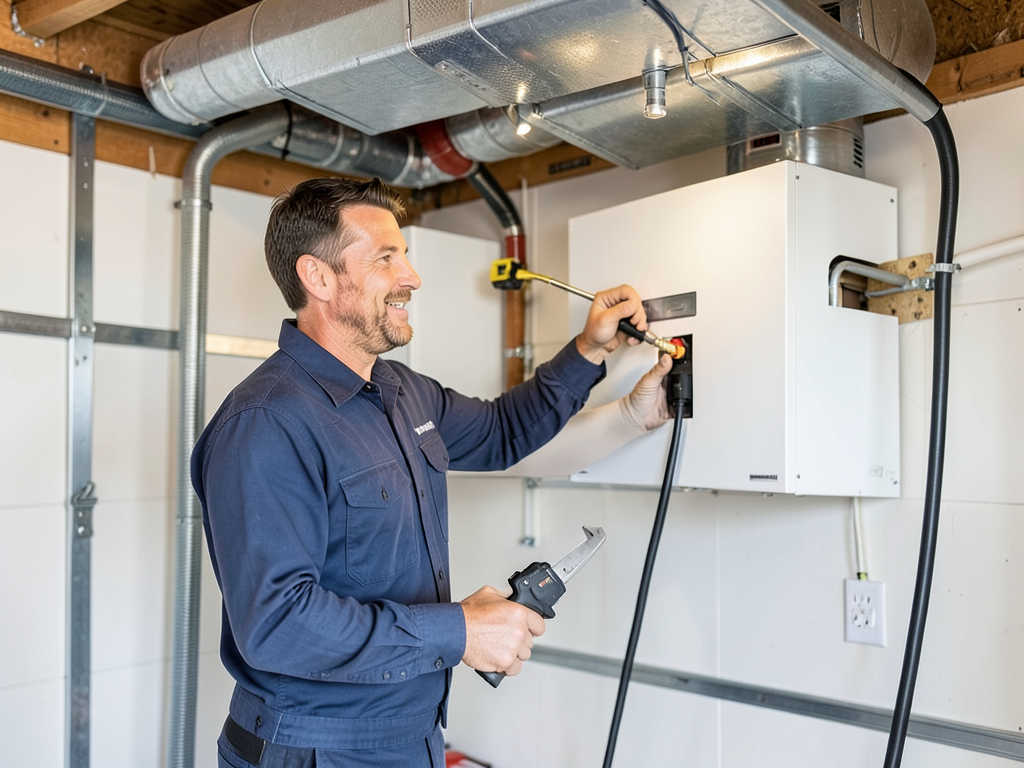
Commercial HVAC maintenance plans start with a baseline system audit. Technicians document every piece of equipment, from rooftop packaged units to split systems to variable refrigerant flow arrays. They record model numbers, refrigerant types, filter sizes, and belt specifications. This creates a service roadmap tailored to your building's exact configuration.

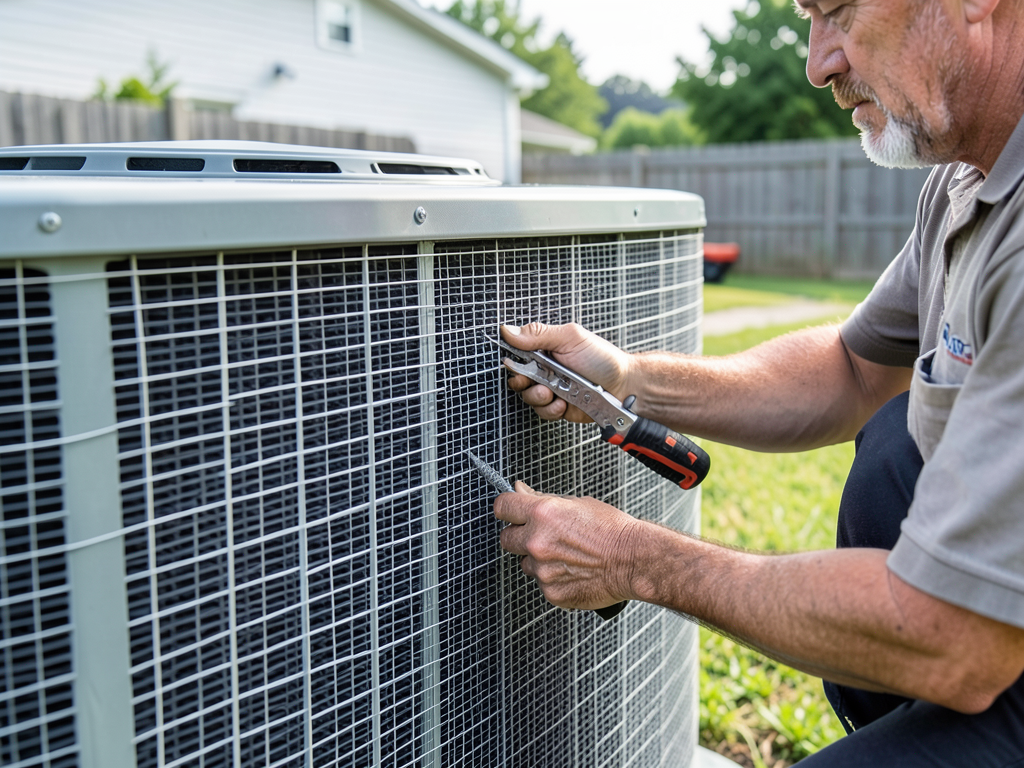
Scheduled visits happen quarterly or monthly depending on system complexity and business needs. During each visit, technicians inspect electrical connections for signs of arcing or loose terminations. They measure amperage draw on compressor motors to detect bearing wear before failure. They clean condenser coils using specialized detergents that remove Memphis's pollen and organic debris without damaging aluminum fins.

Refrigerant levels receive particular attention. Even minor leaks compound over months, forcing compressors to work harder while cooling capacity drops. Technicians use electronic leak detectors to find pinhole leaks in copper line sets, then repair and recharge systems to manufacturer specifications. They also verify superheat and subcooling values to confirm proper refrigerant flow through expansion valves.

Commercial HVAC service agreements include priority dispatch when problems occur between scheduled visits. You skip the queue during peak season when emergency calls flood in. Technicians already familiar with your equipment diagnose problems faster because they know your system's maintenance history.

The agreement also locks in labor rates for the contract term. When seasonal demand drives up service pricing, you pay the agreed rate. Replacement parts typically receive preferred pricing through distributor relationships that individual businesses cannot access.

Documentation matters for insurance and compliance. After each visit, you receive detailed reports showing work completed, measurements taken, and conditions observed. These records prove due diligence if equipment failure causes business interruption or liability claims.

What Happens When You Implement a Service Agreement

Commercial Maintenance Agreements in Memphis – Eliminate Downtime with Scheduled Service That Keeps Your Building Running
01

Initial System Assessment

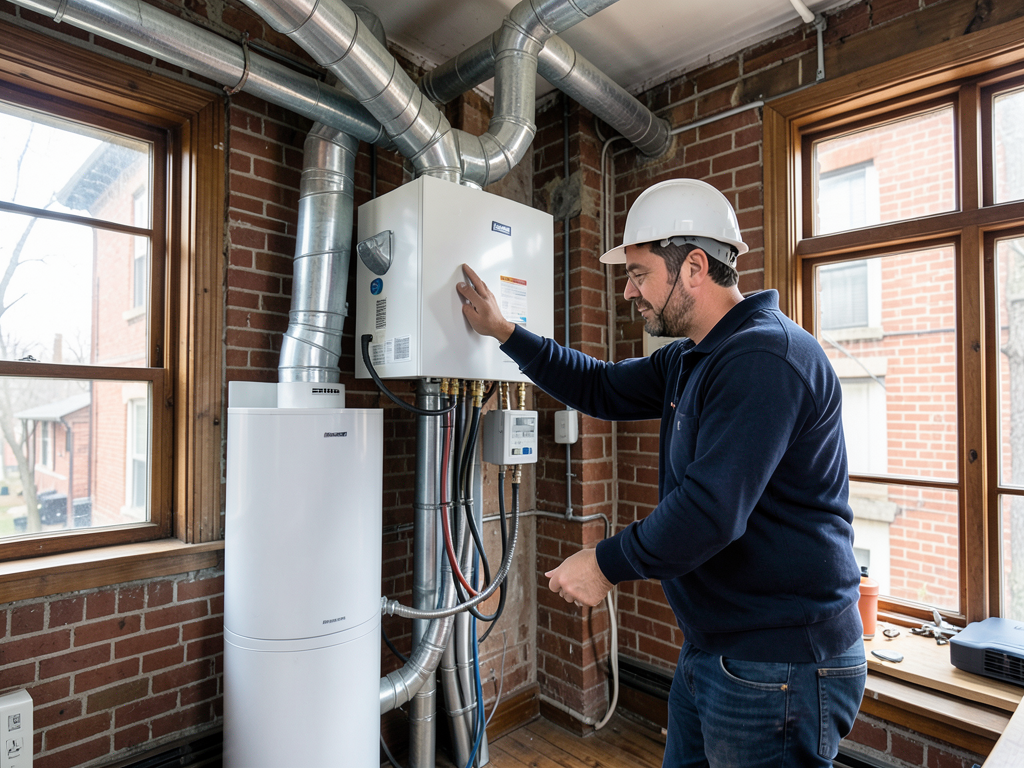
Technicians conduct a comprehensive walkthrough of your facility, documenting every HVAC component from air handlers to thermostats. They photograph equipment nameplates, test system performance under load, and identify any deferred maintenance issues that need immediate attention. You receive a written report detailing current system health and recommended service intervals based on equipment age and operating hours.
02

Scheduled Preventive Service

Service visits occur during off-peak hours to minimize disruption. Technicians follow manufacturer-specific checklists covering electrical, mechanical, and refrigeration components. They replace filters, lubricate moving parts, calibrate controls, and perform safety tests on gas valves and limit switches. You receive advance notice before each visit and same-day completion reports detailing work performed and any concerns requiring future attention.
03

Performance Tracking and Optimization

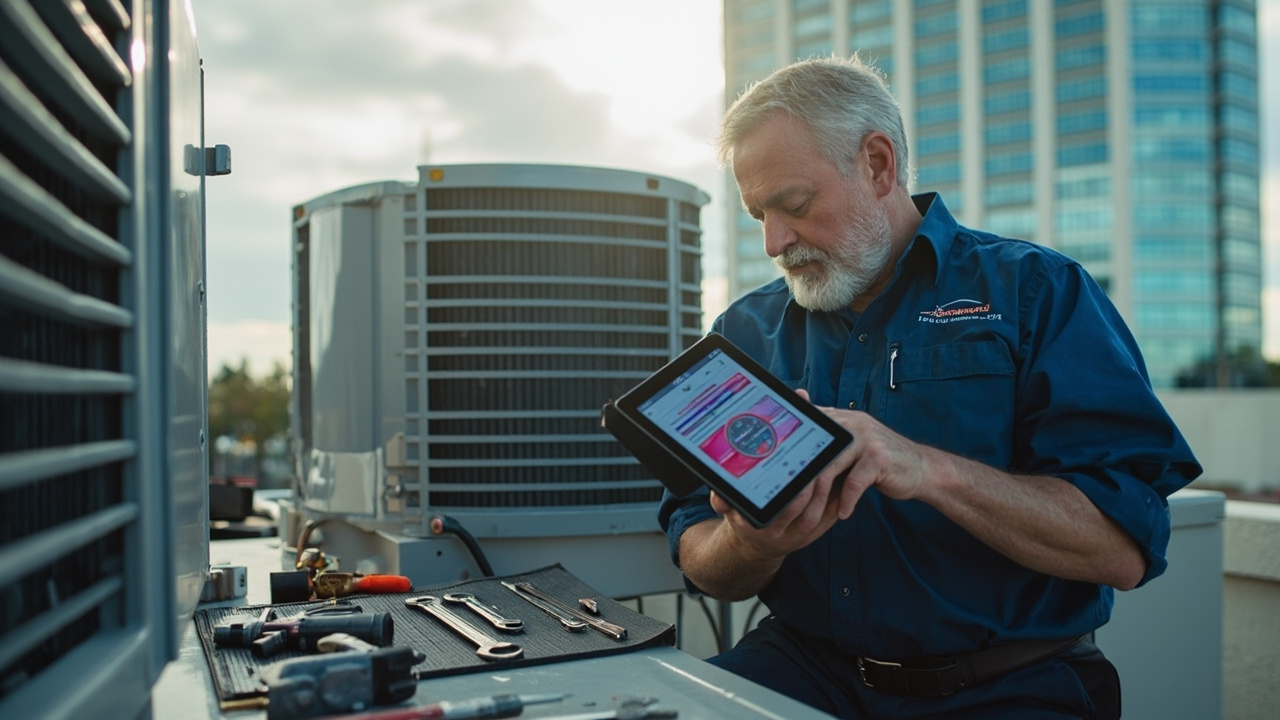
Over multiple service cycles, technicians build a performance baseline for your systems. They track energy consumption patterns, identify efficiency losses, and recommend upgrades that reduce operating costs. Quarterly review meetings present trend data showing how preventive maintenance extends equipment life and prevents emergency failures. You make informed decisions about repair versus replacement using actual performance data rather than guesswork.

Why Memphis Businesses Choose Local HVAC Service Expertise

Memphis's location at the confluence of commercial shipping routes means buildings here house diverse operations. Medical cold storage facilities near the airport require precise temperature control. Distribution warehouses along I-40 need robust ventilation for loading dock operations. Historic buildings in the South Main Arts District demand HVAC solutions that respect architectural constraints while meeting modern comfort standards.

Ironwood HVAC Memphis understands these variations because we service them daily. We know that buildings near the Mississippi River face higher humidity loads than those on the eastern bluffs. We account for the concrete tilt-up construction common in Hickory Hill industrial parks versus the brick masonry in Midtown mixed-use developments.

Local code knowledge matters. Memphis adopted specific amendments to the International Mechanical Code regarding ventilation rates for food service establishments. We design maintenance plans that keep your systems compliant with these requirements, protecting you during health department inspections.

Response time determines business continuity. When you call during a summer cooling emergency, we dispatch from our Memphis location, not a regional hub two hours away. Our technicians carry common replacement parts for the Carrier, Trane, and Lennox equipment prevalent in Memphis commercial installations. We stock motors, contactors, and capacitors sized for the 208V three-phase power typical in local buildings.

We also understand seasonal demand patterns. June through August drive peak cooling loads, while November through March bring heating demands with occasional ice storms that stress rooftop equipment. Our maintenance scheduling accounts for these cycles, performing heavy preventive work during spring and fall shoulder seasons when your systems operate at moderate loads.

Building relationships with property managers and facility directors gives us insight into business priorities. We schedule maintenance around your peak revenue periods, retail holiday seasons, or manufacturing production schedules.

What Your Service Agreement Delivers

Flexible Scheduling Around Business Operations

Service visits happen when your business can accommodate them. Early morning appointments before staff arrival work for office buildings. Evening or weekend service suits retail operations that cannot afford daytime disruption. Manufacturing facilities running multiple shifts receive maintenance during planned downtime or shift changes. You schedule visits 30 days in advance with the flexibility to reschedule if business needs change. Emergency calls receive priority response with technicians dispatched within two hours during business hours.

Comprehensive Equipment Inspection and Testing

Each maintenance visit includes a 40-point inspection covering electrical, mechanical, and refrigeration systems. Technicians measure voltage and amperage at compressor terminals, inspect contactor points for pitting, verify proper capacitor microfarad values, and test safety controls. They check refrigerant pressures against manufacturer charts for outdoor ambient temperature, clean or replace air filters, and inspect ductwork connections for air leakage. Gas-fired equipment receives combustion analysis to verify proper air-fuel ratios and safe flue gas venting. You receive documentation of all measurements and observations.

Reduced Operating Costs and Energy Consumption

Clean coils and proper refrigerant charge improve heat transfer efficiency, reducing compressor runtime and energy consumption. Calibrated thermostats prevent temperature overshoot that wastes energy. Sealed duct connections stop conditioned air from leaking into unconditioned spaces. Businesses typically see 10 to 20 percent reductions in HVAC energy costs within the first year of implementing preventive maintenance. Equipment operates at design efficiency rather than degraded performance caused by accumulated dirt and wear. You also avoid the labor premium charged for emergency after-hours service calls.

Priority Service and Predictable Budgeting

Agreement holders receive priority dispatch when problems occur between scheduled visits. You skip the service queue during peak summer demand when wait times stretch to 48 hours. Labor rates stay fixed for the contract term, protecting you from seasonal price increases. Parts receive preferred pricing through distributor agreements. Predictable quarterly or annual payments replace unpredictable emergency repair bills, smoothing cash flow for financial planning. Multi-year agreements lock in rates for extended periods, providing budget certainty as operating costs rise elsewhere.

Frequently Asked Questions

You Have Questions,
We Have Answers

What should be included in a maintenance agreement? +

A commercial maintenance agreement should include scheduled inspections, filter changes, belt adjustments, refrigerant level checks, and cleaning of condenser coils. Define response times for service calls, especially during Memphis summers when system failures disrupt operations. Specify coverage hours, emergency protocols, and whether parts are included or billed separately. Include detailed reporting on system performance and recommendations for equipment replacement. Address seasonal demands like humidity control during humid Memphis springs and cooling capacity during July and August peak loads. Clear terms on labor rates, covered equipment, and exclusions prevent disputes when HVAC systems fail during business hours.

What is the difference between AMC and CAMC? +

AMC stands for Annual Maintenance Contract, covering routine preventive maintenance like filter changes and inspections. CAMC means Comprehensive Annual Maintenance Contract, which includes both preventive work and repair costs for parts and labor. For Memphis commercial facilities, CAMC reduces budget uncertainty during high-demand cooling months when compressor failures or refrigerant leaks occur. AMC requires separate payment for repairs, while CAMC bundles everything into one predictable cost. Choose CAMC if your equipment is aging or operates in harsh conditions like rooftop units exposed to Memphis weather extremes. AMC works for newer systems needing basic upkeep.

What is a standard maintenance agreement? +

A standard maintenance agreement covers scheduled preventive service visits, typically quarterly or biannual, depending on equipment usage and Memphis climate demands. Technicians inspect electrical connections, lubricate moving parts, test safety controls, and verify refrigerant pressures. The agreement defines what equipment is covered, response times for breakdowns, and whether emergency service falls under the contract or incurs additional charges. Standard agreements do not typically cover parts or major repairs. They focus on keeping systems running efficiently to prevent downtime. For Memphis businesses, this means maintaining cooling capacity during summer and addressing humidity control year-round.

What are the different types of maintenance contracts? +

Commercial maintenance contracts include preventive maintenance contracts covering scheduled inspections and routine service. Comprehensive contracts bundle repairs and parts with preventive work. Time and material contracts charge hourly labor plus parts for each service call without scheduled visits. Performance-based contracts tie payment to uptime metrics or energy efficiency targets. Memphis businesses often choose preventive contracts to manage cooling costs during summer or comprehensive agreements for aging rooftop units. Contract type depends on equipment age, operating hours, and acceptable downtime risk. High-occupancy buildings need faster response times and broader coverage than low-traffic facilities.

What is the 80 20 rule in maintenance? +

The 80 20 rule in maintenance states that 80 percent of equipment failures come from 20 percent of components. Focus preventive maintenance efforts on high-failure parts like compressors, contactors, and capacitors in HVAC systems. For Memphis commercial facilities, this means prioritizing condenser coil cleaning due to pollen and dust accumulation, checking refrigerant levels during cooling season, and inspecting electrical connections on rooftop units exposed to temperature swings. Addressing these critical components prevents most breakdowns. Maintenance contracts should allocate more attention to failure-prone parts rather than equal service across all components, reducing downtime and repair costs.

What are the 4 P's of maintenance? +

The 4 Ps of maintenance are Planning, Preparation, Performance, and Progressive Improvement. Planning involves scheduling service visits around Memphis weather patterns and business cycles. Preparation means stocking parts for common failures like capacitors or belts before cooling season starts. Performance focuses on executing tasks correctly during each visit, from filter changes to electrical testing. Progressive Improvement uses service data to refine maintenance schedules and predict failures before they happen. For commercial facilities, this framework reduces unplanned downtime during peak occupancy periods. Maintenance agreements should reflect this structured approach to keep HVAC systems operating efficiently.

How to price a maintenance contract? +

Price a maintenance contract by calculating labor hours per visit, number of annual visits, travel time, and parts markup. Factor in equipment complexity, access difficulty for rooftop units, and Memphis weather demands that increase service frequency. Add overhead costs, insurance, and profit margin. Include risk premium for emergency coverage or after-hours service. Comprehensive contracts require higher pricing to cover unexpected repairs. Survey competitors but price based on your actual costs and service level commitments. For large commercial accounts, volume discounts apply. Build in cost escalation clauses for multi-year agreements to cover inflation and wage increases.

What are the two types of AMC? +

The two types of AMC are non-comprehensive and comprehensive. Non-comprehensive AMC covers preventive maintenance visits, inspections, and minor adjustments but excludes repair parts and major labor. Comprehensive AMC includes preventive service plus all repair costs for parts and labor during the contract period. Memphis businesses select non-comprehensive contracts for newer equipment needing basic upkeep. Comprehensive contracts suit older systems prone to breakdowns during high-demand cooling months. Comprehensive agreements cost more upfront but eliminate surprise repair bills when compressors fail or refrigerant leaks occur. Choose based on equipment age, operating conditions, and budget predictability needs.

What does an annual maintenance contract include? +

An annual maintenance contract includes scheduled preventive service visits, typically two to four times yearly depending on equipment usage. Technicians perform filter changes, lubricate bearings, inspect electrical connections, test safety controls, and check refrigerant levels. Contracts define response times for service requests and whether emergency calls incur additional fees. Most exclude repair parts and major component replacements. For Memphis commercial properties, contracts should address seasonal demands like pre-summer inspections to verify cooling capacity and humidity control before peak loads hit. Detailed service reports document system condition and recommend repairs or replacements to prevent mid-season failures.

What are the 7 types of maintenance? +

The seven types of maintenance are preventive, predictive, corrective, condition-based, predetermined, reliability-centered, and run-to-failure. Preventive maintenance follows fixed schedules for filter changes and inspections. Predictive uses sensors and data to forecast failures before they occur. Corrective repairs breakdowns after they happen. Condition-based monitors equipment performance to trigger service when parameters drift. Predetermined replaces parts at specific intervals regardless of condition. Reliability-centered prioritizes critical systems for maximum uptime. Run-to-failure accepts breakdown risk for non-critical equipment. Memphis commercial facilities combine preventive and predictive approaches to manage cooling costs and minimize downtime during high-occupancy periods.

How Memphis Climate and Building Types Demand Proactive HVAC Maintenance

Memphis averages 54 inches of annual rainfall with summer dew points regularly exceeding 70 degrees. This combination creates ideal conditions for biological growth in condensate pans and drain lines. Without quarterly cleaning, algae blocks drain lines, causing water to back up into buildings and damage ceilings or inventory. The city's temperature swings between 90-degree summer highs and occasional winter freezes also stress refrigerant systems as pressure differentials fluctuate. Commercial HVAC service contracts address these challenges through scheduled coil cleaning, drain line treatments, and refrigerant monitoring that prevents weather-related failures.

Memphis's mix of aging warehouse districts and modern office parks requires specialized maintenance knowledge. Historic buildings downtown often house rooftop units installed decades ago that still run reliably with proper care. Industrial facilities in Southaven and Bartlett operate 24-hour production schedules that cannot tolerate unexpected downtime. Retail centers along Poplar Avenue and Germantown Parkway face weekend peak loads during shopping rushes. Local HVAC expertise means understanding these diverse demands and crafting maintenance plans that keep each facility type operating efficiently year-round.
HVAC Services in The Memphis Area

Ironwood HVAC Memphis proudly serves the entire Memphis community and the surrounding counties. Our team is local, dedicated, and always ready to dispatch quickly to your residential or commercial location. View our central service area on the map below, or contact us directly to confirm if your specific neighborhood falls within our swift response zone. We look forward to bringing you reliable comfort.

Address:
Ironwood HVAC Memphis, 1661 International Dr, Memphis, TN, 38120

Additional Services We Offer

Our news updates

Latest Articles & News from The Blogs

Your home gym in Lakeland should feel energizing, not like a sauna. Yet many Memphis homeowners find their workout spaces…

Why your home gym in Lakeland feels stuffy and how to fix the ventilation

Your home gym in Lakeland should feel energizing, not like a sauna. Yet many Memphis homeowners find their workout spaces…

Choosing an air purifier that actually removes BBQ smoke in your Midtown backyard

Choosing an air purifier that actually removes BBQ smoke in your Midtown backyard Memphis summers bring backyard BBQs but the…

How to stop mice and squirrels from nesting in your outdoor unit in Eads

How to stop mice and squirrels from nesting in your outdoor unit in Eads Pests like mice and squirrels are…

Contact Us

Stop gambling with reactive maintenance and start preventing problems before they cost you money. Call Ironwood HVAC Memphis at (901) 640-3999 to schedule your facility assessment and receive a customized commercial maintenance plan that fits your operations.