





Lakeland sits in a climate zone that punishes HVAC equipment year-round. Summer humidity regularly exceeds 80 percent, forcing air conditioners to run continuously just to maintain indoor comfort. Your compressor works overtime removing moisture from the air, which accelerates wear on capacitors and contactors. Winter brings temperature swings that stress heat pumps during defrost cycles. The clay soil common throughout Shelby County retains moisture, creating damp crawlspaces that rust ductwork and promote mold growth in ventilation systems.
The region's heavy pollen loads from oak and pine trees clog filters faster than in drier climates. Most Lakeland homes run their systems 8-10 months per year, compared to 6-7 months in northern states. This extended operation means components fail earlier. A compressor rated for 15 years in moderate climates often fails at 10-12 years here. Condensate drain lines clog frequently because constant humidity creates ideal conditions for algae growth. Understanding these local stressors helps us diagnose problems faster and recommend preventive measures that extend equipment life in this specific environment.
We've served the greater Memphis metro for years, building a reputation on honest diagnostics and repairs that last. Many HVAC companies push equipment replacement when a $200 repair would solve the problem. We make our money through volume and repeat business, not inflated quotes on unnecessary replacements. Our technicians carry extensive parts inventory on every truck because we know the most common failure points for systems in this climate. That preparation means we complete 85 percent of repairs on the first visit, without return trips or waiting days for parts orders.
Every technician on our team holds EPA certification and completes annual training on new refrigerant regulations and equipment technology. We service all major brands, from Carrier and Trane to Lennox and Rheem. Our diagnostic process starts with amp draws and pressure readings, not guesswork. We show you the failed component, explain why it failed, and give you options with upfront pricing. No hidden fees or surprise charges after the work is done.
We maintain strong relationships with local supply houses, which means we get priority access to parts during shortage periods. When other companies tell you it's a three-week wait for a compressor, we often have access to alternative sourcing. Our dispatch system tracks every call, so we know our average response time and hold ourselves accountable. Lakeland residents deserve reliable climate control without the runaround that's become standard in this industry.

We dispatch to Lakeland emergencies within two hours of your call. Our technicians work evenings and weekends because heating and cooling failures don't respect your schedule. Most repairs finish the same day, restoring comfort fast without cutting corners on quality.

You see the repair cost before we start work. No inflated diagnostic fees or hidden charges. We price parts at fair market rates and give you options when multiple repair approaches exist. What we quote is what you pay.
Our trucks carry capacitors, contactors, thermostats, drain line components, and refrigerant for all common systems. This preparation eliminates the delays that plague this industry. We fix your problem today, not after a parts order arrives next week.
We understand how Lakeland's humidity and temperature swings stress HVAC equipment. Our maintenance plans focus on the failure points common to this region. We recommend solutions based on years of service data from homes just like yours.
Ironwood HVAC Memphis handles everything from emergency breakdowns to planned system replacements. Air conditioning repair dominates our summer schedule, when compressor failures and refrigerant leaks leave families sweltering in 90-degree heat. Winter brings furnace and heat pump service calls when ignition systems fail or reversing valves stick. We also perform planned maintenance that prevents emergency failures and extends equipment life.
Our service range covers residential systems from single-stage builders' grade units to high-efficiency variable-speed systems with zoned ductwork. We troubleshoot and repair central air systems, heat pumps, gas furnaces, and package units. Indoor air quality services address the mold and humidity problems common in this climate. New installations follow load calculations and duct design protocols that many competitors skip. Whether you need a capacitor replaced or a complete system designed for a new home, our technicians bring the same attention to detail and quality standards.
Air conditioner quits cooling on a Saturday afternoon. Furnace won't ignite during a cold snap. Heat pump stuck in defrost mode. These emergencies get immediate dispatch and same-day resolution in most cases. Our technicians diagnose the root cause, not just the symptoms, preventing repeat failures. We stock common failure components for fast repairs without parts delays.
When repair costs approach replacement value, we help you select the right system for your home and budget. Our installations start with Manual J load calculations to size equipment correctly. We evaluate existing ductwork and recommend modifications that improve airflow and efficiency. Every installation includes startup testing and customer training on thermostat operation and maintenance requirements.
Regular maintenance catches small problems before they become expensive emergencies. Our spring AC tune-ups check refrigerant charge, test capacitors, clean coils, and verify amp draws on all motors. Fall furnace service confirms safe ignition, tests heat exchangers, and verifies proper venting. Maintenance customers get priority scheduling during peak breakdown seasons when wait times stretch to days for non-contract calls.
Lakeland's climate creates predictable stress points in residential HVAC systems. The extended cooling season and high humidity accelerate component wear. Clay soil and damp crawlspaces create conditions for duct deterioration and mold growth. Temperature swings stress heat pumps and create condensation problems. These local factors mean certain failures happen more frequently here than in other regions.
We see the same problems repeatedly across Lakeland homes. Capacitors fail early because of extended run times. Condensate drains clog from algae growth in humid conditions. Ductwork rusts in damp crawlspaces. Outdoor units clog with cottonwood seeds and grass clippings. Understanding these patterns helps us diagnose problems faster and recommend preventive measures. Most of these issues show warning signs before complete failure, which is why maintenance plans catch problems early.
Air conditioners in Lakeland run nearly year-round, accumulating operating hours faster than equipment in moderate climates. Compressors rated for 15 years often fail at 10-12 years here. Warning signs include hard starting, unusual noise, or intermittent cooling. Early detection through amp draw testing can prevent complete failure.
Constant humidity creates perfect conditions for algae and mold growth in condensate drain lines. Clogs cause water to back up into the air handler, triggering float switches that shut down the system. You'll notice water pooling around the indoor unit or the system shutting off unexpectedly despite thermostat calls for cooling.
Clay soil retains moisture, creating humid crawlspaces that rust metal ductwork and deteriorate flex duct insulation. Gaps and disconnections waste conditioned air and spike utility bills. Poor duct condition also degrades indoor air quality as mold spores and dust enter the airstream through unsealed joints.
Start capacitors and run capacitors fail frequently in this climate because of extended operation and heat exposure. A failing capacitor causes hard starting, decreased cooling capacity, or complete failure to start. This is one of the most common emergency calls we receive during peak summer months.
We run our service operation on transparency and respect for your time. When you call with an HVAC problem, you talk to a dispatcher who asks specific questions about your symptoms. We give you an arrival window, not an all-day guess. Our technicians call 30 minutes before arrival and show up in marked trucks with visible company identification.
The service visit starts with questions about when the problem started and what you've observed. Our technician inspects the entire system, not just the obvious problem area. Diagnosis involves testing with calibrated instruments, actual measurements of voltage, amperage, and refrigerant pressures. We explain what failed, why it failed, and show you the failed component when possible. You receive a written quote before any repair work begins. No surprises, no pressure tactics, no bait-and-switch pricing. If we recommend replacement over repair, we explain the math that led to that conclusion.
You receive a call when the technician is 30 minutes away. We explain findings in plain language, not technical jargon designed to confuse. Written quotes show parts costs and labor separately, so you see exactly what you're paying for. We answer questions directly and give you time to make decisions without pressure.
Our technicians test system performance with calibrated instruments. We check amp draws on all motors, measure refrigerant pressures, test capacitors with meters, and inspect electrical connections. This thorough approach identifies the actual problem, not just symptoms. Many competitors guess at repairs and charge you for trial-and-error parts replacement.
We guarantee our repair work for 90 days on labor and honor manufacturer warranties on all parts. If the same problem recurs within the warranty period, we return and fix it at no additional charge. Our goal is earning your trust for future service and referrals to your neighbors, not maximizing revenue on a single transaction.
We designed our service process to minimize your downtime and eliminate confusion. Three clear steps take you from initial call to restored comfort.
Call our office at (901) 640-3999 and describe your HVAC problem. We ask questions that help us send the right technician with the right equipment. You receive an arrival window, typically within two hours for emergencies or a scheduled time for non-urgent service. Our dispatcher texts you the technician's name, photo, and truck number for security and accountability.
The technician inspects your system, runs diagnostic tests, and identifies the problem. You receive a clear explanation of what failed and why. We provide a written quote showing parts costs and labor separately. Once you approve the work, repairs begin immediately in most cases. Our trucks carry common components, so parts delays are rare.
After completing repairs, we test system operation under actual load conditions. We verify proper temperatures, check amp draws, and confirm the problem is solved. You receive documentation of the work performed and recommendations for preventing future problems. We clean up our work area and answer any questions about system operation or maintenance.
Tennessee requires HVAC contractors to hold state licenses and maintain liability insurance. Our technicians complete EPA Section 608 certification for refrigerant handling, which involves testing on proper recovery, recycling, and charging procedures. This certification isn't optional. Federal law prohibits venting refrigerants to atmosphere and mandates specific recovery equipment and procedures.
New installations in Lakeland must meet Tennessee building codes, which reference the International Mechanical Code. This includes Manual J load calculations to size equipment correctly. Oversized systems short-cycle and fail to dehumidify properly. Undersized systems run continuously without reaching desired temperatures. Load calculations account for home orientation, window area, insulation values, and infiltration rates. Many contractors skip this step and size equipment based on square footage alone, which produces poor results.
Refrigerant charging requires specific procedures. We measure subcooling on systems with thermal expansion valves and superheat on fixed orifice systems. Charging by pressure alone produces inaccurate results because ambient temperature affects pressure readings. Proper charging affects efficiency, capacity, and compressor lifespan. A system with 10 percent low refrigerant charge loses roughly 20 percent capacity and runs longer cycles that waste energy.
Ductwork design follows ACCA Manual D guidelines for sizing supply and return ducts. Undersized ducts create excessive static pressure that reduces airflow and strains blower motors. Every duct system should deliver rated CFM at the manufacturer's specified external static pressure. We measure actual airflow with calibrated instruments during new installations and major repairs. Most comfort complaints trace to airflow problems, not equipment failure. A 2.5-ton system requires roughly 1,000 CFM of airflow for proper operation, and duct restrictions often cut that by 30 percent or more.
Manual J calculations prevent the oversizing and undersizing that plague this industry. Proper sizing considers insulation, window area, home orientation, and infiltration. Equipment sized on square footage alone performs poorly. We calculate loads on every new installation and verify existing equipment sizing during major repairs or replacements.
Installation costs depend on equipment efficiency, required ductwork modifications, electrical upgrades, refrigerant line length, and disposal fees for old equipment. High-efficiency systems cost more upfront but reduce operating costs over 10-15 year lifespans. We provide multiple options at different price points with projected operating costs for each.
Most repairs finish in 2-4 hours when parts are available. Complex diagnostics or compressor replacements may require 4-6 hours. New system installations take one to three days depending on ductwork modifications and electrical upgrades. We give accurate time estimates based on scope of work, not optimistic guesses.
Federal law requires EPA certification for anyone handling refrigerants. Technicians must use approved recovery equipment and follow specific procedures. R-22 refrigerant is phased out, making repairs on older systems expensive. R-410A systems require different pressures and procedures. Only certified technicians should handle refrigerant work.
Educational video explaining HVAC repair considerations for Lakeland, Tennessee homeowners. Covers common air conditioning and heating system failures in the local climate, diagnostic procedures, warning signs of equipment problems, and maintenance practices that prevent emergency breakdowns. Includes information about proper HVAC service standards, refrigerant handling regulations, and equipment sizing requirements specific to Tennessee building codes.
Ironwood HVAC Memphis serves Lakeland and the surrounding areas of northern Shelby County. Our service area extends throughout the neighborhoods along Highway 64 and Canada Road, where many homes sit on larger lots with crawlspace foundations that require specific attention to ductwork conditions. We regularly service homes near the Lakeland Elementary School area and the subdivisions surrounding the Canada Road corridor, where construction from the 1990s and 2000s often features builder-grade HVAC equipment now reaching end-of-life.
The northern parts of Lakeland near the Fayette County line see different HVAC challenges than areas closer to Memphis. Homes in the Herb Parsons Lake area often deal with higher humidity from proximity to water, creating more frequent condensate drain issues. Properties along Bray Station Road and surrounding streets feature a mix of construction ages, from older homes with undersized ductwork to newer construction with modern high-efficiency systems that require specialized diagnostic equipment.
We also serve the communities along Highway 70 and Interstate 40, including the growing residential areas near Arlington. These neighborhoods span multiple decades of construction standards and building codes. Older homes often have duct systems routed through unconditioned attics, where summer heat and winter cold work against system efficiency. Newer subdivisions feature improved insulation and duct design, but equipment failures still happen regardless of home age.
Our familiarity with Lakeland's geography helps us respond quickly to service calls. We know the quickest routes through the area during peak traffic times. We understand which neighborhoods tend to have specific HVAC configurations based on the builders who developed those areas. This local knowledge translates to faster diagnosis and more accurate repair recommendations. When you call with an emergency in any of these Lakeland areas, we dispatch technicians who know the territory and arrive prepared with the parts and equipment most likely needed for your home's specific system.
The $5000 rule is a guideline for repair-versus-replace decisions. Multiply your system's age by the repair cost. If the total exceeds $5000, replacement makes more financial sense than fixing it. For example, a 12-year-old unit needing a $500 compressor repair equals $6000, suggesting replacement. In Lakeland's humid climate, older systems struggle with efficiency and moisture control. This rule helps you avoid throwing money at a failing unit when a new, energy-efficient system would save you more long-term on utility bills and prevent repeated breakdowns.
Average HVAC jobs in Lakeland vary widely by scope. Basic service calls and tune-ups start lower, while compressor replacements or ductwork modifications run higher. System replacements for typical single-family homes fall in the mid-range depending on tonnage and efficiency ratings. Lakeland's climate demands proper sizing because undersized units struggle with July humidity and oversized units short-cycle. Your home's square footage, insulation quality, and ductwork condition all affect final costs. Get three local quotes and verify each contractor calculates Manual J load calculations specific to your property.
New HVAC system costs in Lakeland depend on your home size, efficiency tier, and equipment brand. A standard 3-ton unit for a 1500-square-foot home costs less than a 5-ton variable-speed system for larger homes. High-SEER units cost more upfront but cut summer cooling bills significantly in our hot, humid climate. Costs include equipment, installation labor, ductwork modifications, permits, and electrical upgrades if needed. Financing options and seasonal rebates can offset expenses. Always verify your contractor pulls proper permits through Shelby County to protect your investment.
The $5000 rule is a guideline for repair-versus-replace decisions. Multiply your system's age by the repair cost. If the total exceeds $5000, replacement makes more financial sense than fixing it. For example, a 12-year-old unit needing a $500 compressor repair equals $6000, suggesting replacement. In Lakeland's humid climate, older systems struggle with efficiency and moisture control. This rule helps you avoid throwing money at a failing unit when a new, energy-efficient system would save you more long-term on utility bills and prevent repeated breakdowns.
Average HVAC jobs in Lakeland vary widely by scope. Basic service calls and tune-ups start lower, while compressor replacements or ductwork modifications run higher. System replacements for typical single-family homes fall in the mid-range depending on tonnage and efficiency ratings. Lakeland's climate demands proper sizing because undersized units struggle with July humidity and oversized units short-cycle. Your home's square footage, insulation quality, and ductwork condition all affect final costs. Get three local quotes and verify each contractor calculates Manual J load calculations specific to your property.
New HVAC system costs in Lakeland depend on your home size, efficiency tier, and equipment brand. A standard 3-ton unit for a 1500-square-foot home costs less than a 5-ton variable-speed system for larger homes. High-SEER units cost more upfront but cut summer cooling bills significantly in our hot, humid climate. Costs include equipment, installation labor, ductwork modifications, permits, and electrical upgrades if needed. Financing options and seasonal rebates can offset expenses. Always verify your contractor pulls proper permits through Shelby County to protect your investment.
The 3-minute rule prevents compressor damage by requiring a minimum wait between shut-off and restart. Your AC's refrigerant pressure needs time to equalize after shutdown. Restarting too quickly forces the compressor to start against high pressure, causing mechanical strain and potential failure. Modern thermostats enforce this delay automatically. In Lakeland's demanding cooling season, compressor longevity matters because replacements are expensive. If your system short-cycles (runs less than 10 minutes per cycle), you have a separate problem like improper sizing, refrigerant leaks, or a failing thermostat that needs professional diagnosis.
A 4000-square-foot home in Lakeland typically requires a 4 to 5-ton system or possibly dual-zone equipment depending on floor plan and insulation. Costs increase with square footage because you need higher-capacity equipment, more extensive ductwork, and potentially multiple air handlers. Two-story homes often benefit from zoned systems to balance temperature differences between floors. High-efficiency variable-speed systems cost more upfront but deliver better humidity control and lower operating costs. Your home's orientation, window quality, and insulation drastically affect sizing requirements. Demand a Manual J load calculation before accepting any quote.
The federal Energy Star tax credit offers up to 30 percent of costs (capped at $600 for qualifying AC units and $2000 for heat pumps) for high-efficiency systems installed through 2032. Your equipment must meet specific SEER2 and EER2 ratings. Heat pumps qualify for higher credits than standard air conditioners. You claim the credit on IRS Form 5695 when filing taxes. Keep your Manufacturer Certification Statement and itemized invoice. Lakeland homeowners should verify current requirements at energystar.gov before purchasing because efficiency thresholds and caps change. Consult a tax professional for specific eligibility questions.
HVAC systems in Lakeland typically last 12 to 15 years with proper maintenance. Our humid climate and heavy summer use shorten lifespans compared to milder regions. Heat pumps running year-round may fail sooner than AC-only systems. Coastal humidity accelerates corrosion on outdoor units. Neglected systems fail faster. Annual maintenance (coil cleaning, refrigerant checks, electrical inspections) extends equipment life significantly. If your system exceeds 12 years and needs major repairs, replacement often makes better financial sense. New units offer better efficiency, improved humidity control, and fewer breakdowns during peak summer months when you need reliability most.
Homeowners insurance rarely covers normal HVAC wear and tear or maintenance issues. Coverage applies only if a covered peril (lightning strike, fire, vandalism, fallen tree) directly damages your system. Most policies exclude mechanical breakdown, refrigerant leaks from age, or compressor failure from normal use. Some insurers offer equipment breakdown endorsements for additional premium. Always document damage with photos and get a professional assessment before filing claims. In Lakeland, storm damage from severe weather sometimes qualifies for coverage. Review your specific policy and deductible before assuming insurance will pay for repairs.
The most common HVAC repairs in Lakeland include refrigerant leaks, failed capacitors, clogged condensate drains, dirty evaporator coils, and faulty thermostats. Our humidity causes drain line clogs and biological growth on coils. Capacitors fail from heat stress during long cooling seasons. Refrigerant leaks develop at connection points and coil seams. Blower motor failures occur from extended runtime. Contactor pitting happens from frequent cycling. Many issues stem from skipped maintenance. Dirty filters restrict airflow, causing frozen coils and compressor strain. Annual tune-ups catch these problems early before they escalate into expensive emergency repairs during July heatwaves.
Installing AC in a 2000-square-foot Lakeland home typically requires a 3 to 4-ton system depending on insulation, window quality, and floor plan. Costs include equipment, ductwork installation (if not existing), electrical work, permits, and labor. Two-story homes need careful duct design to balance airflow between levels. Existing homes without ducts may need extensive modifications or alternative solutions like mini-splits. Costs increase for high-SEER units, zoned systems, or homes with poor insulation requiring larger equipment. Get multiple quotes with Manual J calculations to verify proper sizing for our climate.
The 3-minute rule prevents compressor damage by requiring a minimum wait between shut-off and restart. Your AC's refrigerant pressure needs time to equalize after shutdown. Restarting too quickly forces the compressor to start against high pressure, causing mechanical strain and potential failure. Modern thermostats enforce this delay automatically. In Lakeland's demanding cooling season, compressor longevity matters because replacements are expensive. If your system short-cycles (runs less than 10 minutes per cycle), you have a separate problem like improper sizing, refrigerant leaks, or a failing thermostat that needs professional diagnosis.
A 4000-square-foot home in Lakeland typically requires a 4 to 5-ton system or possibly dual-zone equipment depending on floor plan and insulation. Costs increase with square footage because you need higher-capacity equipment, more extensive ductwork, and potentially multiple air handlers. Two-story homes often benefit from zoned systems to balance temperature differences between floors. High-efficiency variable-speed systems cost more upfront but deliver better humidity control and lower operating costs. Your home's orientation, window quality, and insulation drastically affect sizing requirements. Demand a Manual J load calculation before accepting any quote.
The federal Energy Star tax credit offers up to 30 percent of costs (capped at $600 for qualifying AC units and $2000 for heat pumps) for high-efficiency systems installed through 2032. Your equipment must meet specific SEER2 and EER2 ratings. Heat pumps qualify for higher credits than standard air conditioners. You claim the credit on IRS Form 5695 when filing taxes. Keep your Manufacturer Certification Statement and itemized invoice. Lakeland homeowners should verify current requirements at energystar.gov before purchasing because efficiency thresholds and caps change. Consult a tax professional for specific eligibility questions.
HVAC systems in Lakeland typically last 12 to 15 years with proper maintenance. Our humid climate and heavy summer use shorten lifespans compared to milder regions. Heat pumps running year-round may fail sooner than AC-only systems. Coastal humidity accelerates corrosion on outdoor units. Neglected systems fail faster. Annual maintenance (coil cleaning, refrigerant checks, electrical inspections) extends equipment life significantly. If your system exceeds 12 years and needs major repairs, replacement often makes better financial sense. New units offer better efficiency, improved humidity control, and fewer breakdowns during peak summer months when you need reliability most.
Homeowners insurance rarely covers normal HVAC wear and tear or maintenance issues. Coverage applies only if a covered peril (lightning strike, fire, vandalism, fallen tree) directly damages your system. Most policies exclude mechanical breakdown, refrigerant leaks from age, or compressor failure from normal use. Some insurers offer equipment breakdown endorsements for additional premium. Always document damage with photos and get a professional assessment before filing claims. In Lakeland, storm damage from severe weather sometimes qualifies for coverage. Review your specific policy and deductible before assuming insurance will pay for repairs.
The most common HVAC repairs in Lakeland include refrigerant leaks, failed capacitors, clogged condensate drains, dirty evaporator coils, and faulty thermostats. Our humidity causes drain line clogs and biological growth on coils. Capacitors fail from heat stress during long cooling seasons. Refrigerant leaks develop at connection points and coil seams. Blower motor failures occur from extended runtime. Contactor pitting happens from frequent cycling. Many issues stem from skipped maintenance. Dirty filters restrict airflow, causing frozen coils and compressor strain. Annual tune-ups catch these problems early before they escalate into expensive emergency repairs during July heatwaves.
Installing AC in a 2000-square-foot Lakeland home typically requires a 3 to 4-ton system depending on insulation, window quality, and floor plan. Costs include equipment, ductwork installation (if not existing), electrical work, permits, and labor. Two-story homes need careful duct design to balance airflow between levels. Existing homes without ducts may need extensive modifications or alternative solutions like mini-splits. Costs increase for high-SEER units, zoned systems, or homes with poor insulation requiring larger equipment. Get multiple quotes with Manual J calculations to verify proper sizing for our climate.
Ironwood HVAC Memphis proudly serves the entire Memphis community and the surrounding counties. Our team is local, dedicated, and always ready to dispatch quickly to your residential or commercial location. View our central service area on the map below, or contact us directly to confirm if your specific neighborhood falls within our swift response zone. We look forward to bringing you reliable comfort.
Address:
Lakeland, TN, 38002
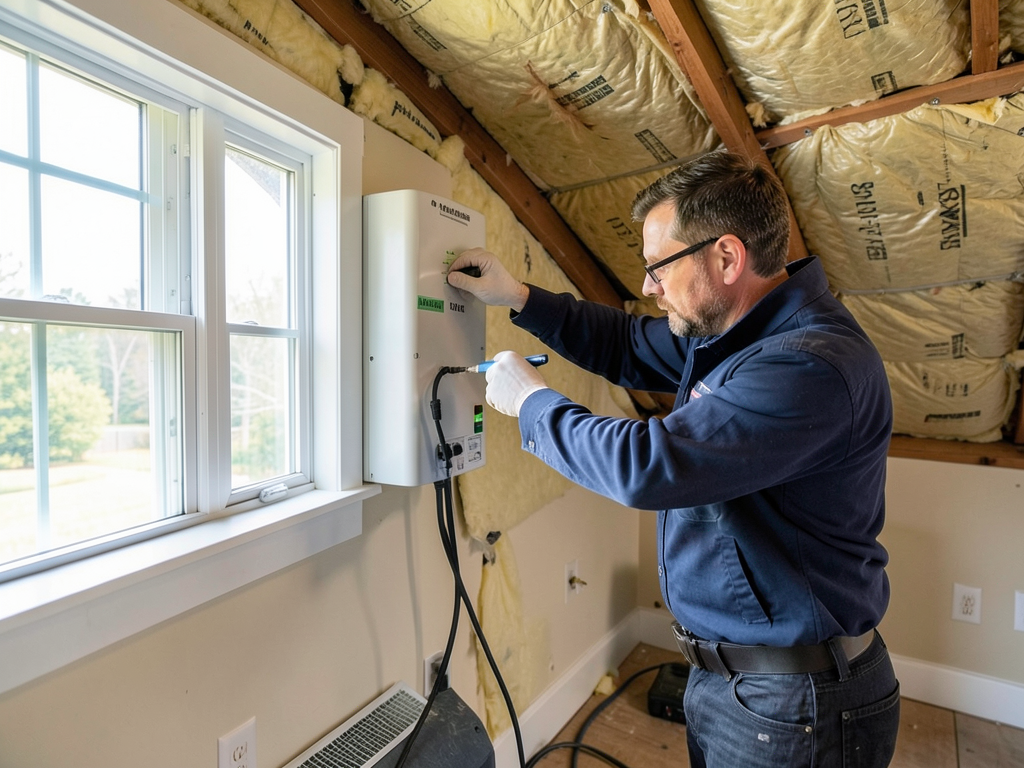
What every homeowner in Southaven should look for in an HVAC replacement quote Getting an HVAC replacement quote in Southaven can feel overwhelming. You want to make sure you're comparing apples to apples and not…
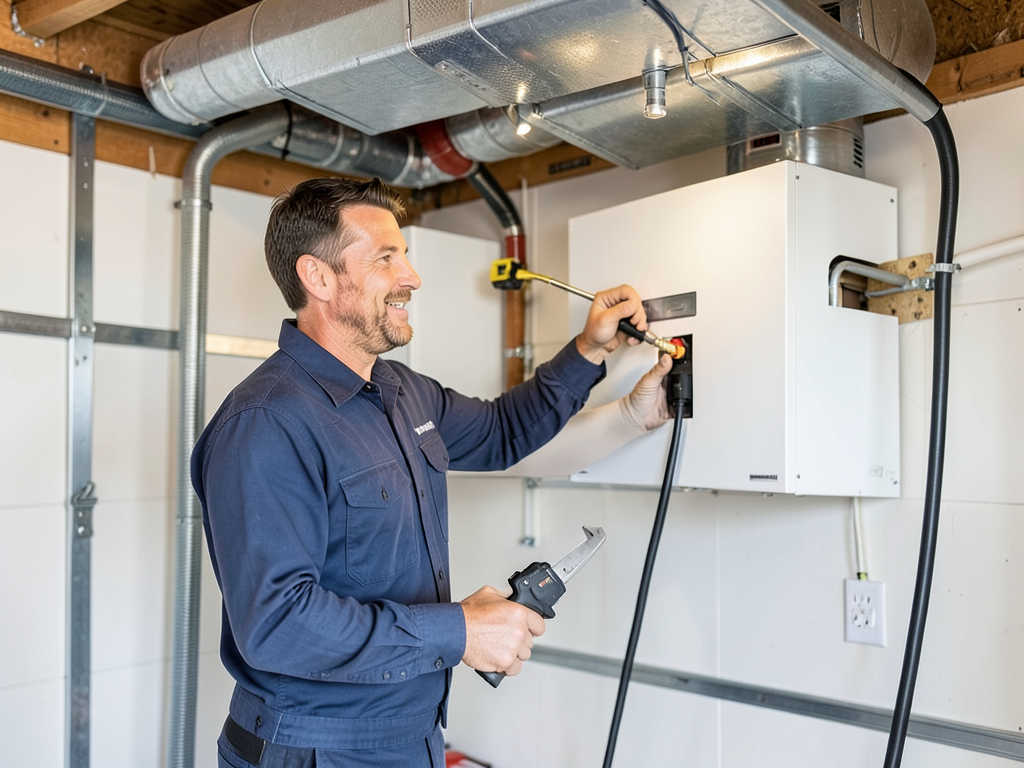
Your home gym in Lakeland should feel energizing, not like a sauna. Yet many Memphis…
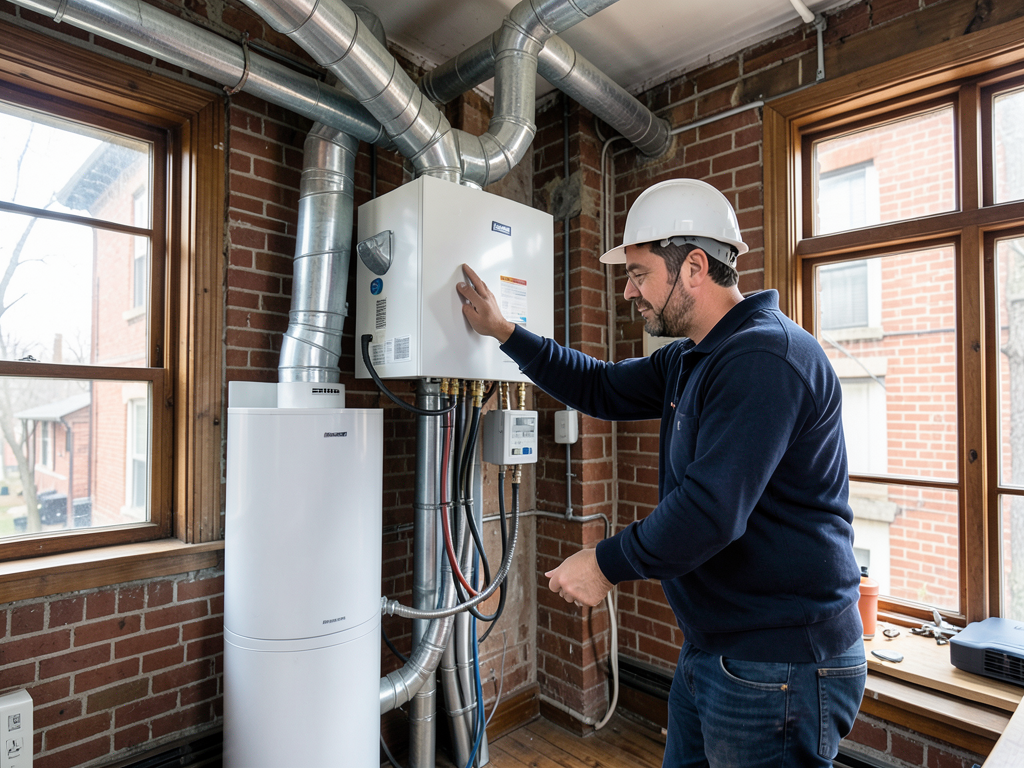
Choosing an air purifier that actually removes BBQ smoke in your Midtown backyard Memphis summers…
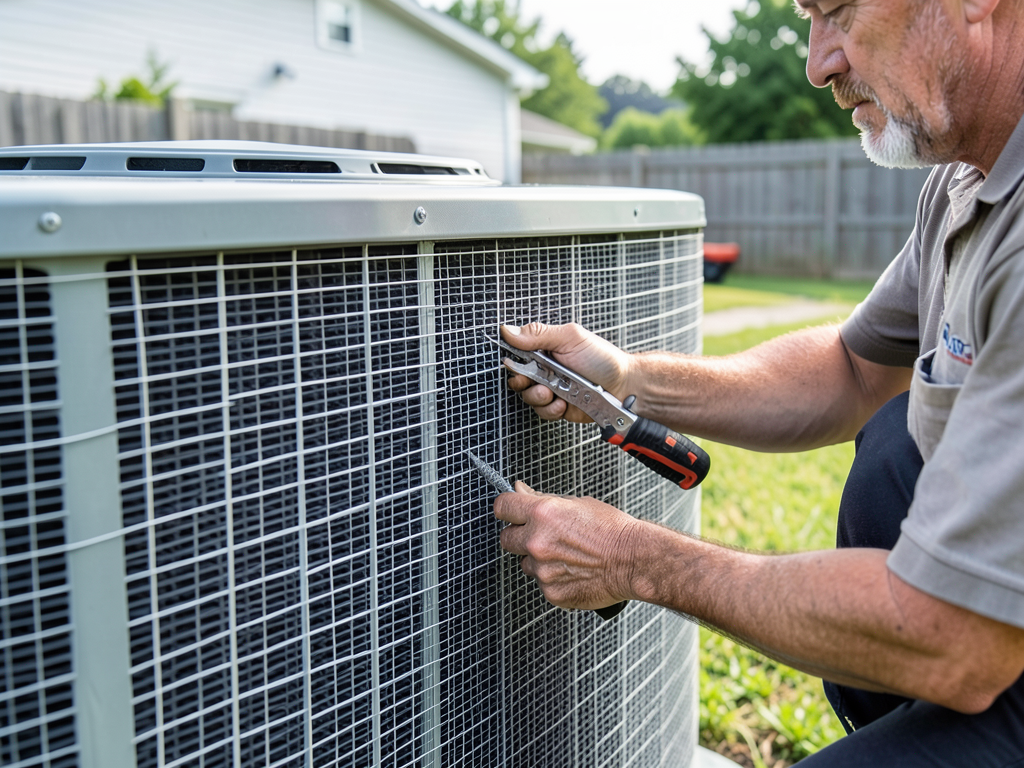
How to stop mice and squirrels from nesting in your outdoor unit in Eads Pests…
Your comfort matters, and delays make problems worse. Call Ironwood HVAC Memphis now at (901) 640-3999 for fast dispatch to your Lakeland home. We answer 24/7 and restore heating and cooling fast.