






Memphis has one of the oldest housing inventories in the Mid-South. Homes in Vollintine-Evergreen, Cooper-Young, and Central Gardens were built between 1910 and 1940, when gas distribution systems used threaded steel pipe without modern corrosion protection. These original gas lines develop internal rust that restricts flow and creates pressure drops. The threaded connections loosen over decades of thermal cycling. Winter temperatures that swing from 55 degrees during the day to 22 degrees at night cause metal components to expand and contract repeatedly. This stress concentrates at union connections and elbow fittings, the exact locations where furnace gas line leaks develop. Newer suburbs like Cordova and Collierville use CSST flexible gas line, which resists corrosion but can develop pinhole leaks where the line bends sharply or rubs against framing.
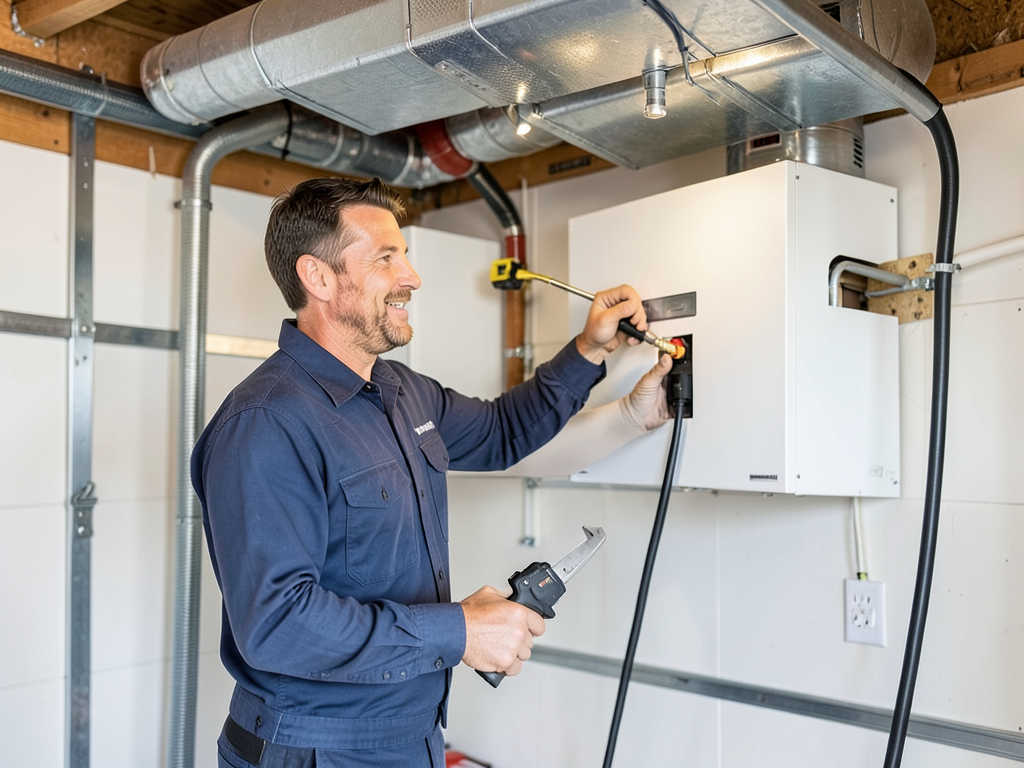
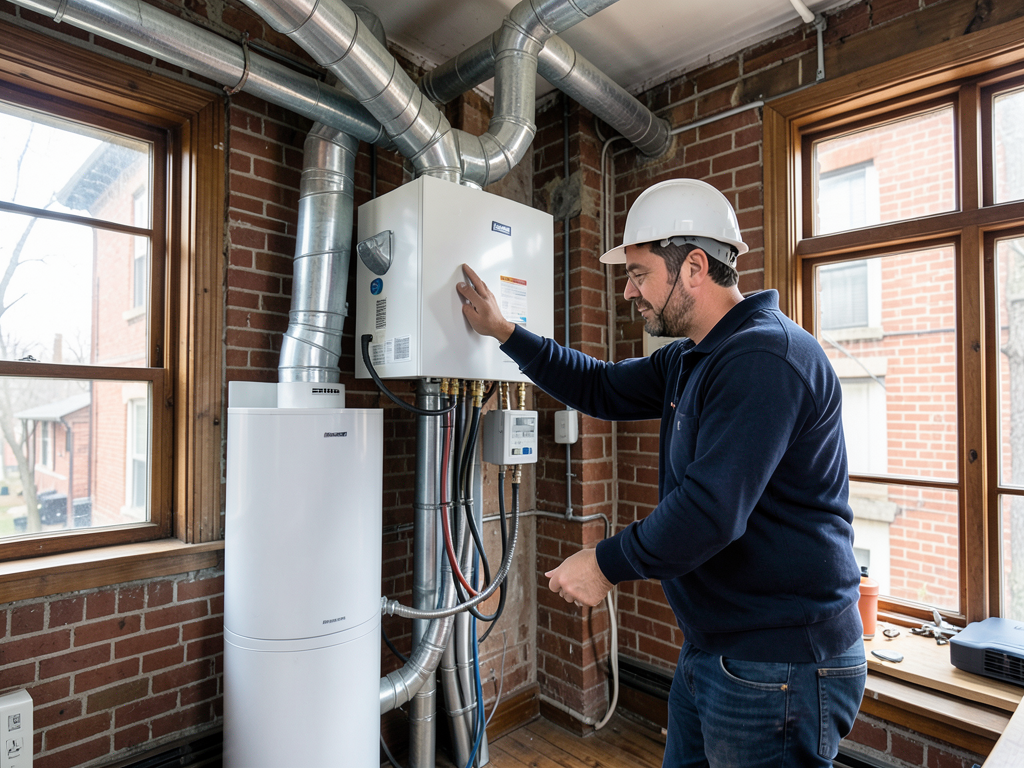
Memphis requires licensed contractors for all gas line work, and for good reason. A gas leak is not a YouTube tutorial repair. The Tennessee Board for Licensing Contractors mandates specific training and testing for anyone who installs or repairs gas distribution systems. Memphis Gas and Light maintains strict standards for gas pressure and requires pressure testing after any repair. Local HVAC contractors understand these requirements because we work within this regulatory environment every day. A handyman or unlicensed technician might stop the leak temporarily, but improper repairs create long-term risks. When you hire a properly licensed company, you get work that meets code, protects your insurance coverage, and keeps your family safe.