




menu

Understanding Ductless Systems in Memphis – Your Complete Guide to How Mini Splits Work and Why They Matter

Learn how ductless mini splits work, when they make sense for Memphis homes and businesses, and what you need to know about ductless heat pumps before making a decision

Slider Image 1
Slider Image 2
Slider Image 3
Slider Image 4
Slider Image 5
Slider Image 7
Slider Image 8
Slider Image 9
Slider Image 10
Slider Image 11

Why Memphis Property Owners Are Switching to Ductless HVAC Systems

Memphis's humid subtropical climate demands smart cooling solutions. You face 90-degree summers with oppressive humidity, unpredictable spring weather, and mild winters that still require heat. Traditional central air works fine if you have ductwork, but what about older homes in Cooper-Young or Victorian Village? What about additions, garages converted to home offices, or commercial spaces with no existing duct infrastructure?

Ductless mini split systems offer a solution without tearing into walls. How ductless mini splits work is simple in concept. An outdoor compressor connects to one or more indoor air handlers through a small refrigerant line. No ductwork needed. Each indoor unit operates independently, which means you control the temperature in each room or zone separately.

This ductless air conditioning guide matters because Memphis has thousands of pre-1950s homes never designed for central air. Adding ducts means cutting through plaster, compromising historical details, and spending serious money. Ductless systems slip into tight spaces. The indoor units mount high on walls or recessed into ceilings. The outdoor condenser sits on a pad or brackets outside.

What are ductless heat pumps? They are the same mini split units that cool in summer but reverse operation to heat in winter. Memphis winters stay mild enough that heat pumps work efficiently most of the season. You avoid the cost of running electric resistance heat or maintaining a separate furnace. The basics of mini split systems come down to zoned comfort, installation flexibility, and energy efficiency. For Memphis properties dealing with humidity, room additions, or aging infrastructure, this ductless hvac system explained makes more sense than forcing in ductwork that does not fit.

Why Memphis Property Owners Are Switching to Ductless HVAC Systems
How Ductless Mini Split Systems Actually Operate

How Ductless Mini Split Systems Actually Operate

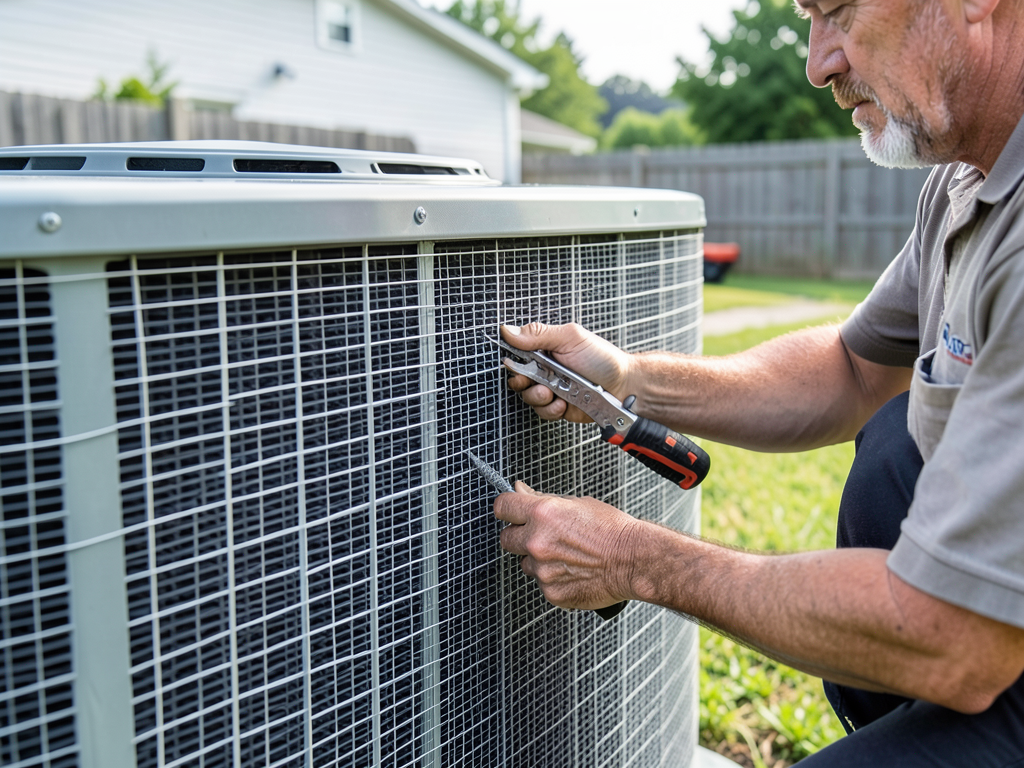
Understanding how ductless mini splits work starts with the outdoor unit. The condenser contains the compressor, condenser coil, and expansion valve. This unit handles the heavy lifting of compressing refrigerant and rejecting heat. A line set, which includes refrigerant tubing, electrical wiring, and a condensate drain, runs from the outdoor unit through a three-inch hole in your exterior wall to the indoor air handler.

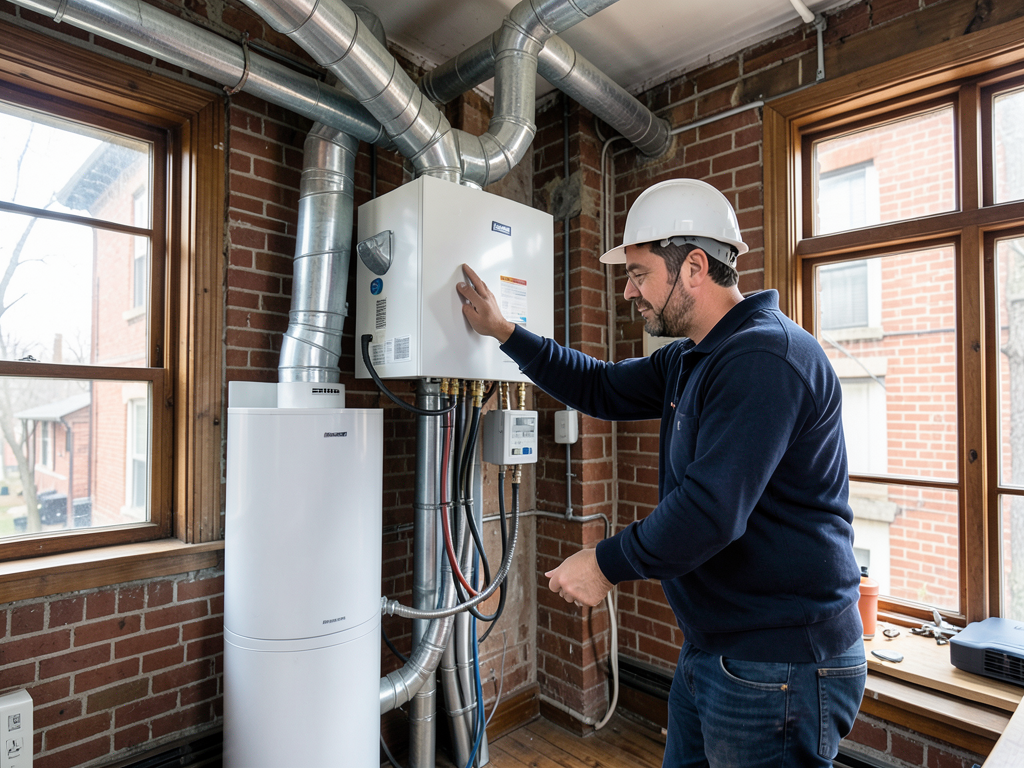
The indoor evaporator unit contains the evaporator coil and blower fan. Refrigerant circulates between outdoor and indoor units. In cooling mode, the indoor coil absorbs heat from your room air and transfers it outside. In heating mode, the cycle reverses. The outdoor unit extracts heat from outside air, even when temperatures drop into the 30s, and pumps that heat indoors. This process defines what ductless heat pumps do. They move existing heat rather than generate it, which makes them more efficient than electric baseboard heaters.

Each indoor unit operates independently. If you install a multi-zone system, you run one outdoor condenser to multiple indoor heads. You set different temperatures in different rooms. Your bedroom stays cool at night while the living room warms up in the morning. No fighting over the thermostat. No wasting energy cooling rooms you do not use.

Memphis humidity requires attention to condensate drainage. Indoor units produce condensate as they dehumidify air. The drain line must pitch correctly to prevent water backup. Poorly installed systems leak and cause ceiling damage. Proper refrigerant charge matters too. Overcharged or undercharged systems lose efficiency and fail early. This ductless hvac system explained in technical terms means precision matters. Line sets must be properly insulated, vacuum-tested for leaks, and charged to manufacturer specifications. Cutting corners during installation destroys performance.

What Happens When You Choose a Ductless System

Understanding Ductless Systems in Memphis – Your Complete Guide to How Mini Splits Work and Why They Matter
01

Site Assessment

We evaluate your property layout, electrical capacity, and cooling needs. Where do you need climate control? What is your insulation condition? Do you have adequate electrical service for the outdoor condenser? We measure the space, check wall construction, and identify the best locations for indoor heads and outdoor placement. This assessment determines system sizing and configuration to match your actual load requirements.
02

System Design

Based on the assessment, we design a system that fits your space and budget. Single-zone systems work for one room. Multi-zone systems handle entire homes or commercial spaces. We calculate BTU requirements per zone, select equipment, and plan line set routing. You see exactly what equipment goes where, how lines run through your structure, and what the final installation looks like before any work starts.
03

Installation and Startup

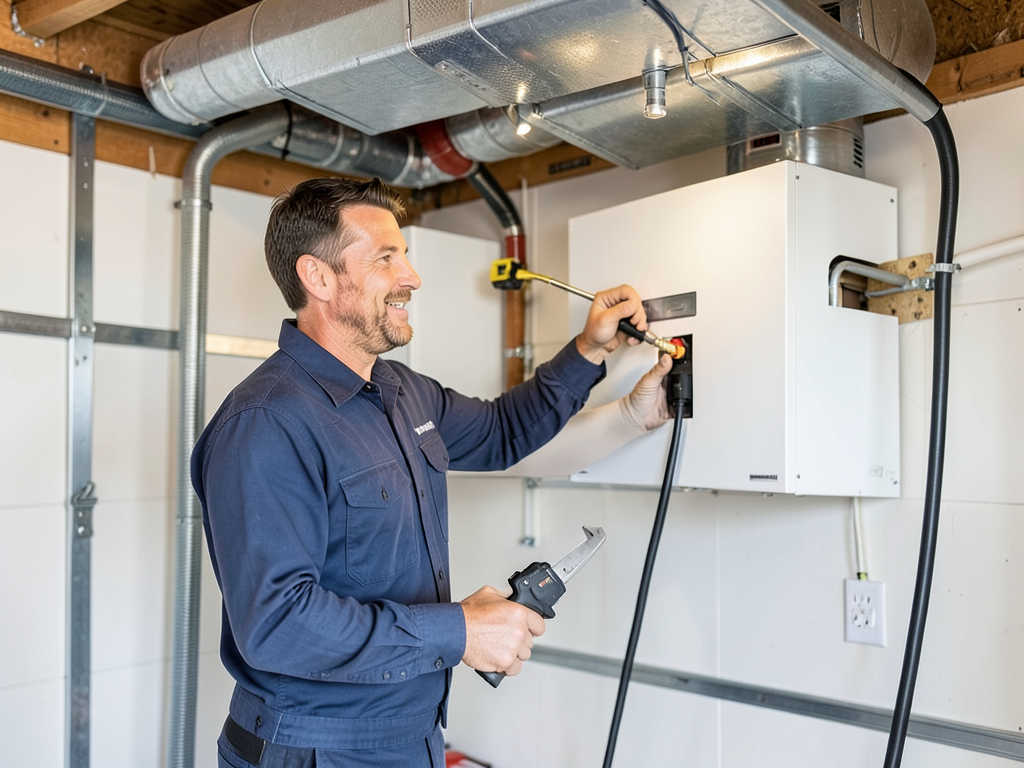
Installation takes one to two days depending on system complexity. We mount outdoor and indoor units, drill penetrations, run line sets, and make electrical connections. After installation, we vacuum the system to remove moisture and contaminants, charge refrigerant to specification, and test all functions. You get a walkthrough on operating your new system, including remote control functions and maintenance requirements.

Why Local Expertise Matters for Memphis Ductless Installations

Memphis presents specific challenges for ductless installations. Older homes in Midtown and East Memphis have solid brick or plaster walls. Drilling through 12-inch brick requires the right tools and technique. You cannot just punch a hole and hope for the best. Poor penetrations leak air and water. They compromise your building envelope and waste energy.

Humidity control separates good installations from bad ones. Memphis summers hit 80 percent humidity regularly. Undersized systems cool the air but do not remove enough moisture. You feel clammy even when the thermostat says 72 degrees. Properly sized ductless systems run long enough to dehumidify while cooling. The outdoor unit must sit on a stable pad or bracket. Memphis soil expands and contracts with moisture changes. A condenser sitting on shifting ground stresses refrigerant lines and causes leaks.

Electrical work must meet local code. Many older Memphis homes have 100-amp service. Adding a multi-zone ductless system might require a service upgrade. We coordinate with electrical contractors when needed. We pull permits when required. We follow manufacturer specifications for line set length, refrigerant charge, and condensate drainage.

Ironwood HVAC Memphis handles these details because we work in these neighborhoods every day. We know which homes have knob-and-tube wiring. We know where the historic district regulations apply. We know how Memphis weather affects equipment selection and placement. You want a company that understands the difference between a quick install and a proper one. Refrigerant leaks, improper drainage, and inadequate electrical connections cause callbacks and system failures. We get it right the first time because we understand what Memphis properties require.

What You Need to Know Before Installing a Ductless System

Installation Timeline

Single-zone installations typically complete in one day. Multi-zone systems take one to two days depending on the number of indoor units and line set routing complexity. We schedule installations to minimize disruption. Most work happens outside or in utility areas. You can stay in your home or keep your business operating during installation. We clean up completely before leaving. The system operates immediately after startup and testing.

Initial Consultation

We start with an on-site evaluation. You show us the spaces you want to heat and cool. We discuss your comfort goals, budget, and any concerns about aesthetics or noise. We measure rooms, examine electrical service, and identify potential installation challenges. You receive a detailed proposal showing equipment specifications, installation scope, and pricing. We explain how the system works and answer your questions. No pressure, no confusion, no surprises.

Performance and Efficiency

Ductless systems deliver 25 to 40 percent better efficiency than traditional central air because they eliminate duct losses. You cool only the spaces you use. Inverter-driven compressors ramp up and down instead of cycling on and off, which reduces energy waste. Expect lower utility bills compared to window units or old central systems. Indoor units operate quietly, typically 25 to 40 decibels. Outdoor units make some noise but sit outside where it matters less.

Maintenance Requirements

You clean or replace filters monthly. The indoor units have washable filters that slide out easily. Outdoor units need annual professional maintenance. We clean coils, check refrigerant charge, inspect electrical connections, and test system performance. Condensate drains need periodic flushing to prevent algae buildup. Well-maintained ductless systems last 15 to 20 years. Neglected systems fail early and lose efficiency. We offer maintenance plans that keep your system running correctly.

Frequently Asked Questions

You Have Questions,
We Have Answers

What is the $5000 AC rule? +

The $5000 AC rule is an IRS guideline for capital improvements. If your AC repair costs less than $5000 or 2% of your home's value (whichever is less), it counts as a repair expense. Above that threshold, it becomes a capital improvement, which changes how you report it on taxes. This matters for Memphis homeowners because our humid climate beats up systems fast. Repairs like compressor replacements often hit this limit. A full system replacement always exceeds it. Track your HVAC expenses carefully and consult a tax professional about depreciation schedules if you replace your system.

What are the disadvantages of a ductless mini split? +

Ductless mini splits have three main drawbacks for Memphis homes. First, the indoor wall units are visible, which some homeowners dislike aesthetically. Second, upfront costs run higher than traditional window units, though lower than full ducted systems. Third, each indoor head only cools its immediate zone, so you need multiple units for whole-home coverage. In Memphis humidity, you must also size units correctly. An oversized mini split will short cycle and fail to dehumidify properly, leaving your home clammy even at the right temperature. Proper load calculations matter here.

Why is my electric bill so high with mini split? +

High electric bills with mini splits usually come from four causes. Oversized units short cycle and waste energy. Dirty filters restrict airflow and force the compressor to work harder. Refrigerant leaks make the system run continuously without reaching setpoint. Poor zone management, like cooling empty rooms, burns money. In Memphis, another culprit is fighting humidity. If your mini split lacks proper dehumidification settings, you may lower the temperature more than needed just to feel comfortable. Check your filter monthly during our humid summers. Clean outdoor coils annually. Use scheduling features to avoid cooling unused zones.

How many mini splits do I need for a 2000 square foot house? +

A 2000 square foot Memphis home typically needs two to four mini split indoor heads, depending on layout and insulation. Open floor plans might need fewer larger units. Homes with many small rooms require more heads for proper coverage. Calculate roughly 500 to 700 square feet per indoor unit for our climate. A split level ranch might use three 9000 BTU heads. A two story with poor insulation might need four 12000 BTU units. Our humidity adds latent load that affects sizing. Get a Manual J load calculation before buying. Guessing leads to short cycling or inadequate cooling.

What is the 3 minute rule for AC? +

The 3 minute rule protects your compressor from damage. After your AC shuts off, wait at least 3 minutes before restarting it. This allows refrigerant pressure to equalize throughout the system. Starting too soon forces the compressor to fight against high pressure, which shortens its lifespan. Most modern thermostats and mini splits have this delay built in automatically. You see this in Memphis during storms when power flickers. The AC will not restart immediately even after power returns. This protective delay prevents compressor burnout. Older systems without this feature need manual time between restart attempts.

Can I write off my new AC unit on my taxes? +

You cannot write off a new AC unit as a simple tax deduction on your primary residence. However, energy efficient systems may qualify for federal tax credits under the Inflation Reduction Act, currently up to $2000 for qualifying heat pumps and mini splits that meet efficiency requirements. For Memphis rental properties, you can depreciate the AC as a capital improvement over 27.5 years. Home office deductions allow a proportional write off if you have a legitimate business space. Medical necessity for specific conditions may qualify in rare cases. Consult a tax professional about your specific situation and keep all receipts.

How do Amish cool their homes without air conditioning? +

The Amish cool homes through passive design strategies that work surprisingly well. Thick walls provide thermal mass. Strategic window placement creates cross ventilation. Large porches shade walls from direct sun. Many Amish homes have basements where families gather during hot afternoons since underground spaces stay 10 to 15 degrees cooler. They plant shade trees on south and west sides. Some communities allow propane powered refrigeration but not electric AC. In Memphis heat, these methods alone would struggle, but combined they reduce indoor temperatures significantly. Modern builders have adopted many of these passive cooling principles for energy efficient construction.

Do mini splits work in 100 degree weather? +

Quality mini splits work effectively in 100 degree Memphis weather if sized and installed correctly. Modern inverter technology allows compressors to run at variable speeds, maintaining comfort even during extreme heat. The key is proper outdoor unit placement. Direct sun exposure reduces efficiency. Units mounted on west facing walls without shade struggle more. Refrigerant charge must be exact. Low refrigerant causes poor performance in extreme heat. Indoor airflow matters too. Blocked filters or dirty coils kill performance when you need it most. Most mini splits operate reliably up to 115 degrees ambient temperature. After that, efficiency drops but they still function.

Where should you not install a mini split? +

Avoid installing mini split indoor heads directly above beds, seating areas, or workspaces where cold air blows on people constantly. Do not mount them where furniture blocks airflow or behind doors that obstruct the unit. Skip exterior walls with poor insulation since condensation forms behind the unit. In Memphis, avoid south and west facing exterior walls without shade, which adds excessive heat load. Never install where the condensate drain cannot gravity feed to the outside or a pump. Bathrooms and laundry rooms with high moisture need dedicated ventilation, not mini splits. Uninsulated garages waste energy cooling unconditioned space.

Why is my AC set to 72 but reads 78? +

Your AC reads 78 when set to 72 because the thermostat placement misleads the system or your AC cannot keep up. Thermostats on exterior walls, near windows, or in direct sunlight read warmer than actual room temperature. In Memphis homes, inadequate insulation lets heat infiltrate faster than your system removes it. Refrigerant leaks reduce cooling capacity. Dirty evaporator coils restrict heat transfer. Undersized systems struggle during our hottest afternoons. Duct leaks in attics waste cooled air before it reaches living spaces. Check thermostat location first. Then inspect filters and outdoor coils. If those check out, you need professional diagnostics.

Why Memphis Humidity and Housing Stock Make Ductless Systems a Smart Choice

Memphis averages 72 percent relative humidity year-round. Summer humidity regularly hits 80 to 90 percent. Traditional central air struggles to dehumidify when oversized or short-cycling. Ductless mini splits run longer cycles at lower speeds, which removes more moisture. Older Memphis homes, particularly those built before 1950, often lack ductwork entirely. Adding ducts means ripping open plaster walls, lowering ceilings, and destroying architectural details. Ductless systems preserve your home's character while delivering modern comfort. The compact indoor units fit in spaces where ducts cannot go.

Local building codes require proper permitting for HVAC installations. Refrigerant handling requires EPA certification. Electrical work must meet National Electrical Code standards and city inspection requirements. Ironwood HVAC Memphis holds the proper credentials and pulls permits when required. We understand Memphis inspection procedures and code enforcement expectations. You avoid fines, failed inspections, and systems that do not meet legal requirements. Choosing a local company means accountability. We are here after installation if you need service or have questions.
HVAC Services in The Memphis Area

Ironwood HVAC Memphis proudly serves the entire Memphis community and the surrounding counties. Our team is local, dedicated, and always ready to dispatch quickly to your residential or commercial location. View our central service area on the map below, or contact us directly to confirm if your specific neighborhood falls within our swift response zone. We look forward to bringing you reliable comfort.

Address:
Ironwood HVAC Memphis, 1661 International Dr, Memphis, TN, 38120

Additional Services We Offer

Our news updates

Latest Articles & News from The Blogs

Your home gym in Lakeland should feel energizing, not like a sauna. Yet many Memphis homeowners find their workout spaces…

Why your home gym in Lakeland feels stuffy and how to fix the ventilation

Your home gym in Lakeland should feel energizing, not like a sauna. Yet many Memphis homeowners find their workout spaces…

Choosing an air purifier that actually removes BBQ smoke in your Midtown backyard

Choosing an air purifier that actually removes BBQ smoke in your Midtown backyard Memphis summers bring backyard BBQs but the…

How to stop mice and squirrels from nesting in your outdoor unit in Eads

How to stop mice and squirrels from nesting in your outdoor unit in Eads Pests like mice and squirrels are…

Contact Us

Call Ironwood HVAC Memphis at (901) 640-3999 to discuss whether a ductless system fits your situation. We evaluate your space, explain your options, and provide clear pricing. No pressure, just honest information from people who know Memphis HVAC.