




menu

Ductless Mini-Split Systems in Memphis – Zone-Controlled Comfort Without Ductwork Renovation

Pioneer HVAC installs ductless mini-split systems that deliver independent temperature control to every room while bypassing the cost and disruption of installing traditional ductwork in older Memphis homes.

Slider Image 1
Slider Image 2
Slider Image 3
Slider Image 4
Slider Image 5
Slider Image 7
Slider Image 8
Slider Image 9
Slider Image 10
Slider Image 11

Why Memphis Homes Are Turning to Ductless Mini-Split Systems

Memphis's housing stock presents a problem. Thousands of homes in neighborhoods like Cooper-Young, Midtown, and Victorian Village were built before central air became standard. Adding traditional ductwork to these homes means tearing into plaster walls, dropping ceilings, and losing architectural details that make these properties valuable.

Ductless air conditioners solve this without demolition. A mini split heat pump consists of an outdoor compressor connected to one or more indoor air handlers through a three-inch refrigerant line that runs through exterior walls. No ductwork. No dropped ceilings. No gutted closets.

Memphis's humid summers and unpredictable winters make ductless heat pumps particularly effective. These systems handle both heating and cooling through heat transfer technology that works efficiently down to 15 degrees Fahrenheit. The outdoor unit extracts heat from outside air and moves it indoors during winter, then reverses the process during summer.

The Mississippi River's influence on local humidity levels creates another advantage. Ductless AC units include built-in dehumidification that removes moisture without overcooling spaces. Traditional systems cool air to remove humidity, then reheat it to maintain temperature. Mini split air conditioners separate these functions, maintaining comfort while using less energy.

Homes with additions, converted garages, or finished attics benefit most. These spaces rarely connect to existing ductwork. A single outdoor unit can power up to eight indoor heads, each controlled independently. One person keeps their bedroom at 68 degrees while another prefers 74 degrees in the adjacent room.

Why Memphis Homes Are Turning to Ductless Mini-Split Systems
How We Size and Install Mini-Split Systems Correctly

How We Size and Install Mini-Split Systems Correctly

Most failed ductless installations share one problem. The contractor guessed at capacity instead of calculating it. We start every project with a room-by-room Manual J load calculation that accounts for window orientation, insulation values, ceiling height, and occupancy patterns.

Memphis homes built before 1980 typically lack wall insulation. A 200-square-foot bedroom might need 9,000 BTUs if it faces west with single-pane windows, but only 6,000 BTUs if it faces north with newer windows. The calculation determines the correct indoor unit size for each space.

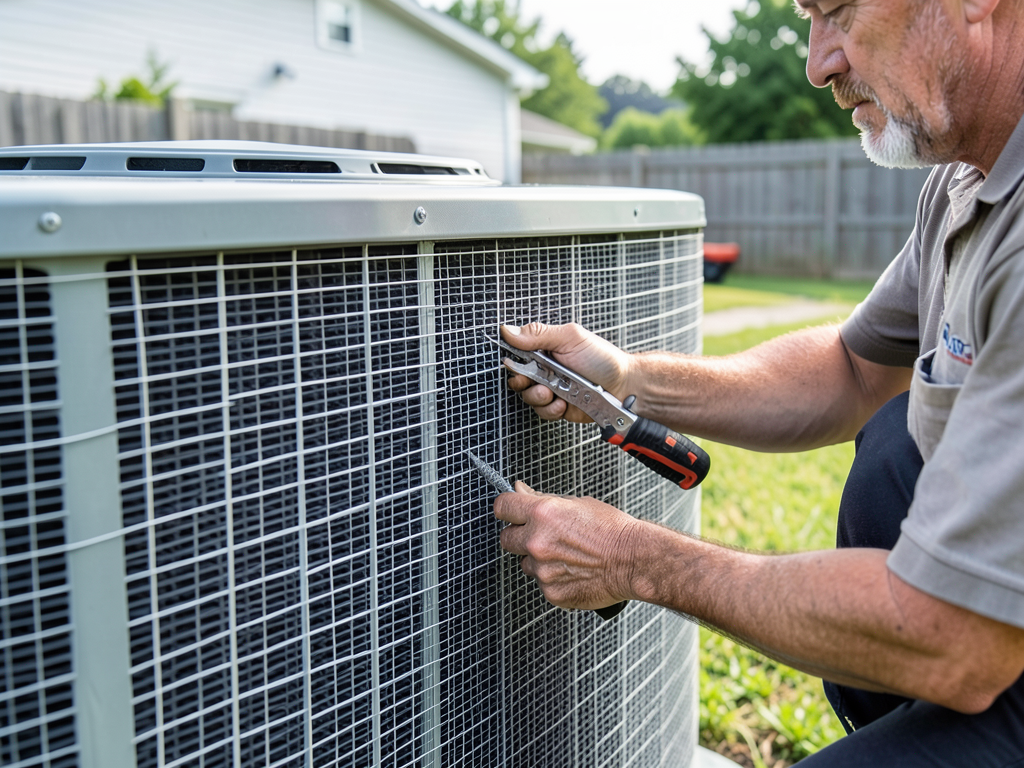
Outdoor unit placement matters in Memphis. We avoid south-facing locations where units sit in direct sun all afternoon. Heat buildup reduces efficiency and shortens compressor life. North or east-facing walls provide shade while maintaining airflow around the condenser coils.

The refrigerant line set installation separates competent work from amateur installations. We use pre-flared line sets with proper insulation, secured every three feet to prevent vibration noise. The line runs through walls, not across them, maintaining the home's appearance. Each connection gets pressure-tested before the system charges with refrigerant.

Indoor unit height affects performance. We mount wall units seven feet above finished floors, directing airflow across the ceiling before it descends. This prevents the cold air dump that makes people uncomfortable. Floor-mounted console units work better in rooms with low ceilings or large windows, placing the air handler where heat loss occurs.

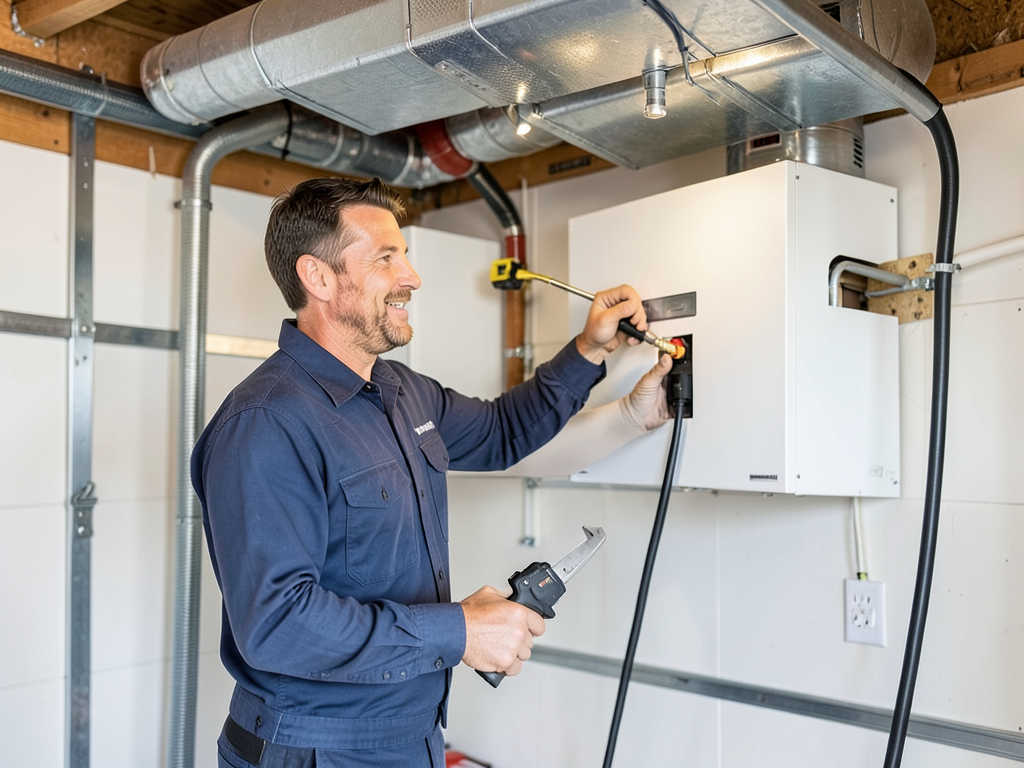
Electrical requirements vary by system size. Most single-zone units run on standard 110-volt circuits. Multi-zone systems need 220-volt circuits with disconnect boxes within sight of the outdoor unit. We coordinate with electricians when panel upgrades are necessary.

What Happens During Your Mini-Split Installation

Ductless Mini-Split Systems in Memphis – Zone-Controlled Comfort Without Ductwork Renovation
01

On-Site Load Assessment

We measure each room that needs conditioning, document window sizes and orientation, check insulation levels in attics and crawl spaces, and photograph potential outdoor unit locations. This site visit produces the Manual J calculation that determines system capacity. We identify electrical requirements and discuss indoor unit placement preferences. Most assessments take 45 minutes to an hour.
02

System Installation Day

Installation starts with mounting the outdoor condenser on a composite pad that prevents settling in Memphis's clay soil. We drill the three-inch penetration through exterior walls, install the line set with proper pitch for condensate drainage, and mount indoor units according to the layout plan. Refrigerant lines get vacuum-tested for leaks before charging. Single-zone systems take four to six hours. Multi-zone systems require a full day.
03

System Commissioning and Training

We test each zone independently, verify temperature accuracy at the thermostat, check condensate drainage, and measure refrigerant pressures against manufacturer specifications. You receive hands-on training with the remote controls, including how to set schedules, adjust fan speeds, and activate dehumidification modes. We program your preferred temperatures before we leave. Most homeowners master the controls in ten minutes.

Why Memphis Homeowners Choose Pioneer HVAC for Ductless Systems

We installed our first ductless mini-split system in Memphis in 2009 when most contractors still dismissed them as expensive novelties. Fifteen years later, we have completed over 800 ductless installations in Shelby County. This experience matters when you are modifying a home's climate control infrastructure.

Memphis's historic districts require careful installation work. Homes in Central Gardens and Vollintine-Evergreen have architectural details worth preserving. We route refrigerant lines through crawl spaces and attics when possible, avoiding exterior line runs that compromise curb appeal. When exterior routing is necessary, we paint line covers to match trim colors.

We stock parts for the systems we install. When a circuit board fails or a fan motor stops, we carry replacements on our trucks. Other contractors order parts and return days later. We fix problems during the first visit in most cases.

The Building Code of Memphis requires permits for HVAC installations that add new circuits or modify existing systems. We pull permits, schedule inspections, and handle the paperwork. Some companies skip this step to save time. That creates liability for homeowners when they sell the property.

Our load calculations account for Memphis-specific factors. The Mississippi River's proximity affects humidity levels throughout the city. Homes near Riverside Drive or Harbor Town experience different moisture loads than properties in Cordova or Bartlett. We adjust calculations based on your specific microclimate.

Multi-zone systems need proper refrigerant distribution to prevent short-cycling. We use branch boxes with electronic expansion valves that adjust refrigerant flow based on demand. This prevents the compressor from cycling on and off repeatedly when only one zone calls for cooling. Poor refrigerant management is the leading cause of premature compressor failure in multi-zone systems.

What to Expect from Your Ductless Mini-Split Installation

Installation Timeline and Scheduling

Single-zone ductless installations take four to six hours from arrival to completion. Multi-zone systems with three or more indoor units require a full day. We schedule installations Monday through Saturday between 8 AM and 5 PM. Lead times run two to three weeks during peak season from May through September, one week during off-season months. Emergency installations for failed systems get priority scheduling within 48 hours. We confirm appointments the day before and provide a two-hour arrival window the morning of installation.

Pre-Installation Assessment Process

The site assessment happens before you commit to installation. We measure rooms, photograph potential equipment locations, check electrical panel capacity, and inspect crawl spaces or attics for line routing options. You receive a written proposal that specifies equipment models, indoor unit locations, and total project costs. The proposal includes the Manual J load calculation showing how we sized each component. Most assessments take 45 minutes to an hour. We schedule these visits within three business days of your call.

System Performance and Efficiency

Properly sized ductless heat pumps maintain temperature within two degrees of the setpoint while removing humidity without overcooling. You control each zone independently through wireless remotes or smartphone apps. Most systems reach the desired temperature within 15 minutes of activation. Energy consumption drops 30 to 40 percent compared to window units or portable air conditioners. The outdoor unit operates quietly enough that neighbors rarely notice it. Indoor units produce 25 to 35 decibels of sound on low fan speed, quieter than a typical refrigerator.

Maintenance Requirements and Longevity

Mini-split systems need annual maintenance that includes cleaning indoor unit filters, washing outdoor coils, checking refrigerant pressures, and testing electrical connections. Filters wash with soap and water every month during heavy use. Most homeowners handle this themselves. We offer annual maintenance contracts that include two service visits, priority emergency response, and discounted repair rates. Properly maintained ductless systems last 15 to 20 years. Compressors carry manufacturer warranties ranging from five to ten years depending on the model. We service all major brands including Mitsubishi, Daikin, Fujitsu, and LG.

Frequently Asked Questions

You Have Questions,
We Have Answers

What are the disadvantages of a mini split system? +

Mini splits have upfront costs higher than window units. The indoor wall units are visible and take up wall space, which some homeowners dislike aesthetically. If you lose power, you lose cooling or heating instantly, unlike gas furnaces with electric blowers. In Memphis, high humidity demands proper sizing. An undersized unit will struggle during July and August peaks. Indoor units require regular filter cleaning every few weeks, which some homeowners forget. Professional installation is required. You cannot DIY refrigerant lines. Lastly, cheap systems from big-box stores often lack the dehumidification capacity Memphis requires, leading to clammy indoor air even when cool.

How much does a mini split system cost for a 2000 square foot house? +

For a 2000 square foot home in Memphis, expect multiple indoor units. Most homes need three to five zones to cover that square footage effectively. Total system cost depends on SEER rating, brand, and the number of zones. Higher efficiency units cost more upfront but lower your summer electric bills. Memphis humidity requires units with strong dehumidification features, which adds cost. Installation complexity matters. Older homes with tight crawl spaces or difficult attic access increase labor costs. Get three quotes from licensed contractors. Compare warranty coverage and dehumidification specs, not just price. Financing options are common for multi-zone systems.

Is ductless mini split worth it? +

Yes, for specific Memphis situations. Homes without existing ductwork save thousands compared to installing ducts. Older Midtown bungalows and historic Cooper-Young homes are ideal candidates. If you have hot second floors or bonus rooms, a mini split solves the problem without modifying your central system. They excel at zoning. You cool bedrooms at night and living areas during the day without wasting energy. Memphis summers demand efficient cooling. High SEER mini splits cut electric bills compared to aging central units. They also heat efficiently during mild winters. If you add a room or finish a garage, mini splits provide instant climate control.

Why is my electric bill so high with mini split? +

Several factors drive high electric bills with mini splits in Memphis. Oversized units short cycle, running inefficiently and spiking demand charges. Undersized units run nonstop during summer, never reaching setpoint. Check your thermostat settings. Running units at 68 degrees in July costs significantly more than 74 degrees. Dirty filters choke airflow, forcing the compressor to work harder. Memphis pollen and humidity clog filters fast. Leaking refrigerant drops efficiency immediately. Old units lose 5% efficiency per year without maintenance. If your outdoor unit sits in direct sun on a concrete slab, it works harder. Shade and airflow matter. Get a load calculation and efficiency check.

How Memphis's Clay Soil and Humidity Affect Ductless System Installation

Memphis sits on expansive clay soil that shifts with moisture changes. This creates problems for outdoor condenser units mounted on concrete pads that crack and settle. We use composite equipment pads that flex with soil movement without cracking. The Mississippi River's influence keeps relative humidity above 70 percent for six months each year. Ductless heat pumps handle this moisture load better than traditional systems because each indoor unit includes independent dehumidification. The units remove moisture continuously without overcooling spaces, preventing the clammy feeling that happens when air conditioning cycles on and off in humid climates.

Memphis's building codes require permits for electrical work and new HVAC installations. We pull permits for every ductless installation and coordinate inspections with Shelby County building officials. This protects your property value and prevents problems during future home sales. The city's historic overlay districts add restrictions on exterior equipment placement and line routing. We work within these guidelines while maintaining system efficiency. Our familiarity with local inspection requirements prevents the delays and rework that happen when contractors ignore permitting requirements. Most inspections happen within five business days of installation completion.
HVAC Services in The Memphis Area

Ironwood HVAC Memphis proudly serves the entire Memphis community and the surrounding counties. Our team is local, dedicated, and always ready to dispatch quickly to your residential or commercial location. View our central service area on the map below, or contact us directly to confirm if your specific neighborhood falls within our swift response zone. We look forward to bringing you reliable comfort.

Address:
Ironwood HVAC Memphis, 1661 International Dr, Memphis, TN, 38120

Additional Services We Offer

Our news updates

Latest Articles & News from The Blogs

Simple ways to keep the wet dog smell out of your HVAC system in East Memphis \n\n If your home…

Simple ways to keep the wet dog smell out of your HVAC system in East Memphis

Simple ways to keep the wet dog smell out of your HVAC system in East Memphis \n\n If your home…

Why your Cooper-Young renovation project might be killing your new furnace with drywall dust

Your Cooper-Young renovation looks amazing on Instagram but could be destroying your HVAC system right now. That fine white dust…

Will home insurance cover a new AC if it gets hit by lightning in Collierville?

Will home insurance cover a new AC if it gets hit by lightning in Collierville? If your air conditioner suddenly…

Contact Us

Call (901) 640-3999 to schedule your on-site assessment. We will measure your space, calculate the correct system size, and provide a written quote with equipment specifications. Most assessments happen within three business days. No-cost evaluations with no obligation.