




menu

Furnace Maintenance Checklist for Memphis Homes – Prevent Breakdowns Before the Next Cold Snap

Our comprehensive annual furnace inspection list helps Memphis homeowners identify problems early, extend equipment life, and avoid emergency repairs during winter freezes when you need heat most.

Slider Image 1
Slider Image 2
Slider Image 3
Slider Image 4
Slider Image 5
Slider Image 7
Slider Image 8
Slider Image 9
Slider Image 10
Slider Image 11

Why Memphis Furnaces Need More Attention Than You Think

Memphis sits in a unique climate zone that creates specific challenges for heating systems. The Mississippi River valley brings extreme humidity year-round, often exceeding 70 percent even in winter months. This moisture infiltrates your furnace cabinet, corrodes heat exchangers, and degrades electrical connections faster than in drier climates.

The seasonal temperature swings are brutal. You might run your air conditioner in November, then need emergency heat three days later when temperatures drop into the 20s. This rapid cycling stresses components and shortens equipment life. Your furnace sits idle for eight or nine months, accumulating dust and debris in the heat exchanger and blower assembly while moisture settles inside the cabinet.

A proper heating system maintenance checklist addresses these Memphis-specific issues. The preventative heating maintenance guide you follow must account for humidity damage, extended dormancy periods, and sudden seasonal transitions. Standard annual furnace inspection protocols often miss the corrosion patterns and condensation problems common in river valley climates.

Your furnace tune-up checklist should happen in early fall, before the first cold front arrives. Waiting until December means you risk a breakdown when every HVAC company in Shelby County is already swamped with emergency calls. The seasonal furnace service schedule matters because parts availability drops during peak winter demand, and you cannot afford to wait three days for a control board when your family needs heat.

Memphis homeowners who skip annual maintenance pay the price in shortened equipment life and mid-winter failures.

Why Memphis Furnaces Need More Attention Than You Think
The Complete Furnace Inspection Process

The Complete Furnace Inspection Process

A real heating system maintenance routine goes far beyond changing the filter and calling it done. You need a systematic approach that examines every component that affects safety, efficiency, and reliability.

Start with combustion analysis. A digital combustion analyzer measures oxygen levels, carbon monoxide output, and flue gas temperature in the exhaust stream. These numbers tell you whether the burners are firing correctly and whether the heat exchanger has developed cracks that allow combustion gases to mix with household air. This step is non-negotiable for safety.

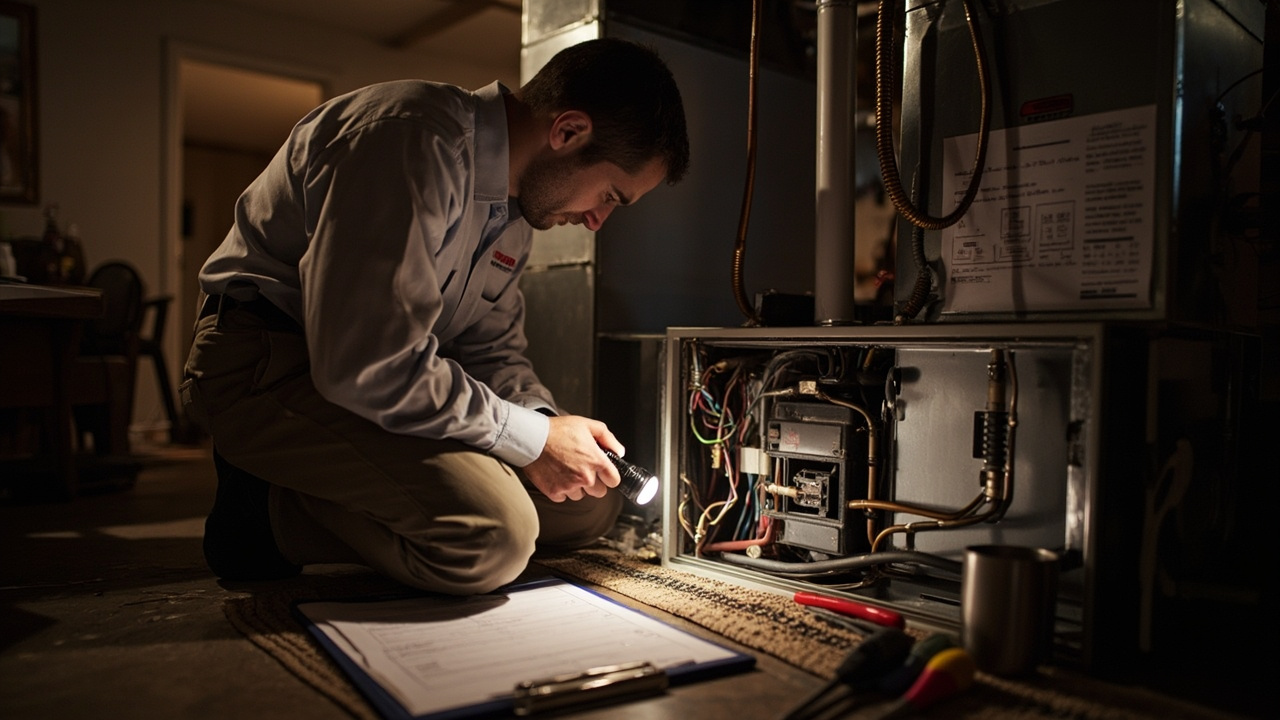
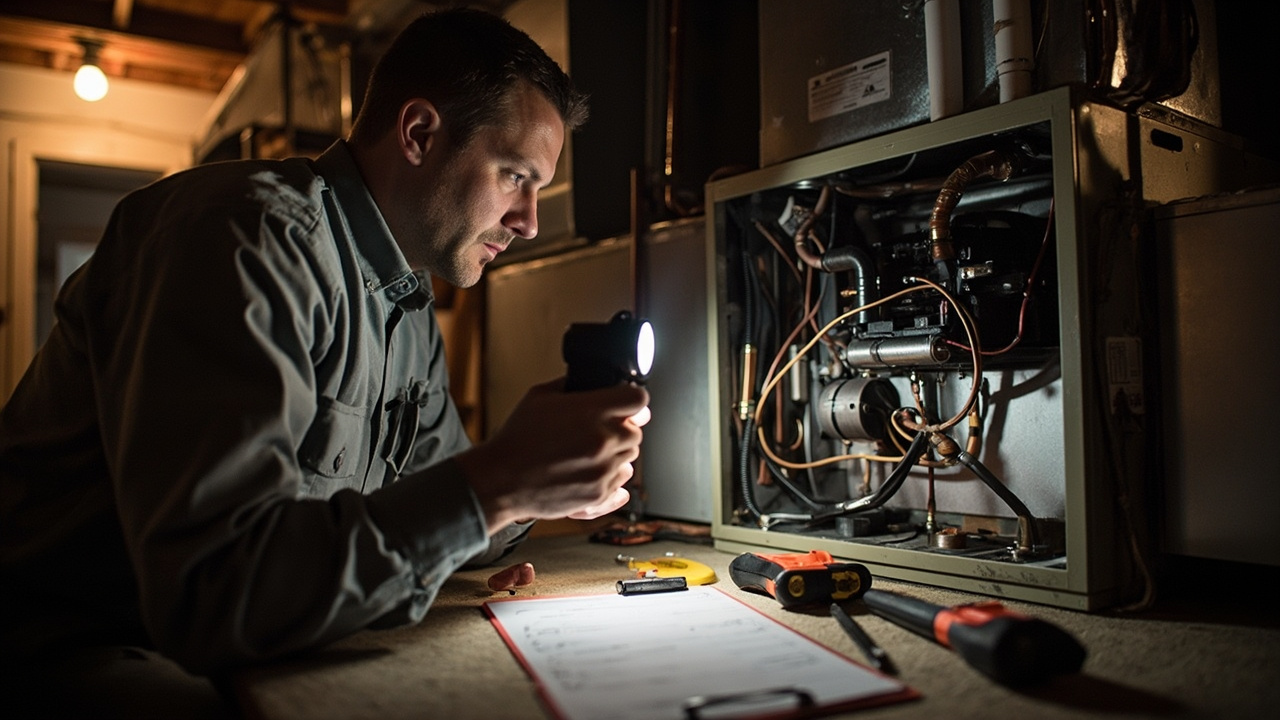
Heat exchanger inspection requires removing the blower assembly to visually examine the metal for stress cracks, corrosion pitting, and flame roll-out patterns. In Memphis, humidity accelerates corrosion on the exterior surfaces where condensation forms during cooling season. You need a mirror and flashlight to check the areas hidden behind the burner box.

The blower motor and capacitor deserve close attention. Check amp draw against the nameplate specifications. A motor pulling excessive current signals bearing wear or electrical problems. The run capacitor loses efficiency over time, and a weak capacitor makes the motor work harder and fail sooner.

Inspect the flame sensor rod for carbon buildup. This small component sits in the burner flame and confirms ignition occurred. Carbon deposits insulate the sensor and cause nuisance shutdowns where the furnace lights, then immediately turns off. A wire brush and fine sandpaper restore proper function.

Finally, test the limit switches and rollout sensors that prevent overheating and dangerous flame conditions. These safety devices must trip at the correct temperatures, and you verify this with a multimeter and temperature simulator.

What Happens During Your Annual Furnace Service

Furnace Maintenance Checklist for Memphis Homes – Prevent Breakdowns Before the Next Cold Snap
01

System Evaluation and Testing

We start by running your furnace through multiple heating cycles while monitoring performance. This reveals problems that only appear under operating conditions. The thermostat receives a calibration check, and we measure temperature rise across the heat exchanger to confirm airflow matches manufacturer specifications. Static pressure readings in the ductwork identify restrictions that force the blower motor to work harder than designed.
02

Component Cleaning and Calibration

The burner assembly gets removed and cleaned completely. Dust and debris accumulate on the burner ports and affect flame pattern. We vacuum the blower wheel, which collects a surprising amount of dust even with regular filter changes. The condensate drain line receives a flush to prevent winter blockages. Gas pressure at the manifold gets verified against specifications, and we adjust the regulator if readings fall outside acceptable range.
03

Documentation and Recommendations

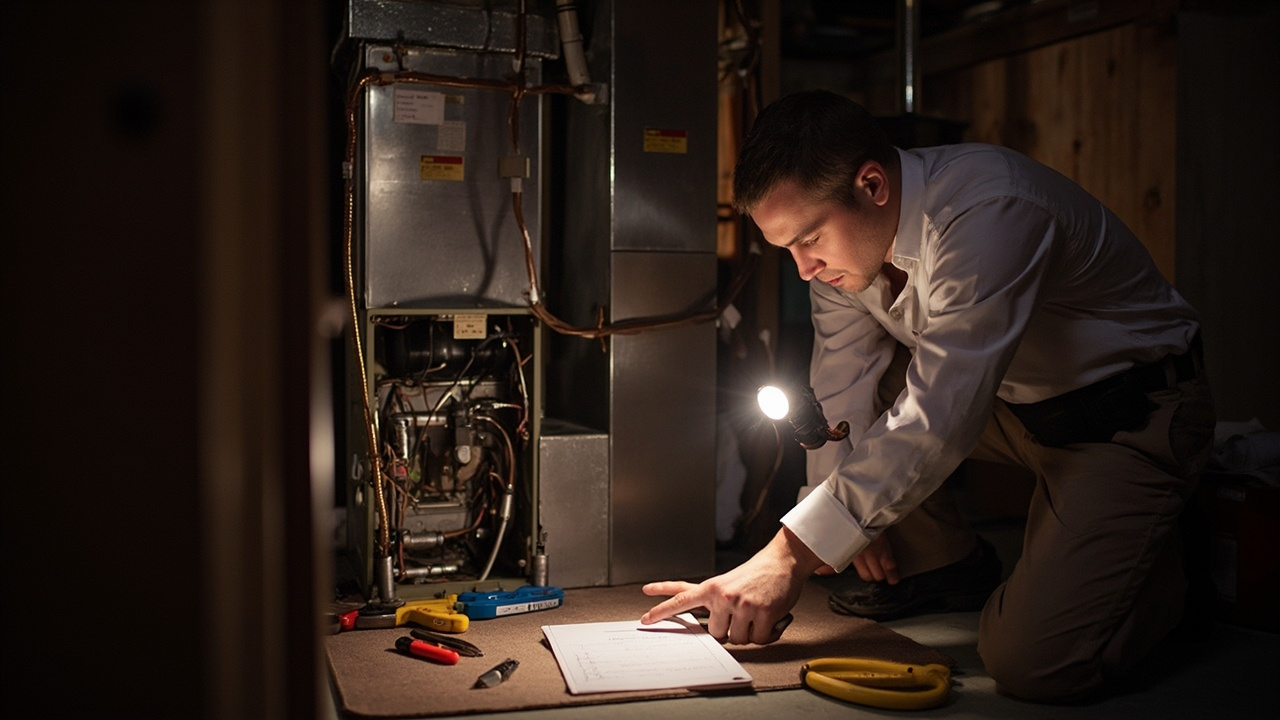
You receive a detailed report showing all measurements, test results, and component conditions. We document heat exchanger condition with photos if we find anything questionable. The report includes specific recommendations prioritized by urgency and safety impact. You get a clear explanation of what needs attention now versus what to monitor over the next year. This documentation helps you budget for future repairs and proves valuable for home sales.

Why Memphis Homeowners Choose Ironwood HVAC Memphis for Furnace Maintenance

Memphis furnaces face challenges that technicians from other regions might not recognize. The combination of high humidity, seasonal dormancy, and rapid temperature changes creates failure patterns you will not find in textbooks written for northern climates.

Ironwood HVAC Memphis technicians understand what happens to furnaces in river valley conditions. We know to check for condensation damage on circuit boards and electrical connections. We recognize the corrosion patterns that develop on heat exchangers exposed to humid air for eight months between heating seasons. We understand why flame sensors fail more frequently here than in drier climates.

The local building codes in Memphis and Shelby County require specific venting configurations for gas furnaces, particularly in homes built before 1990. Older homes in Midtown and Cooper-Young often have gravity vents that no longer meet code when you replace the furnace. We know which vent materials inspectors accept and how to bring older installations into compliance without unnecessary expense.

Parts availability matters when something breaks. We stock the components that fail most often in Memphis furnaces, including flame sensors, pressure switches, and inductance motors for high-efficiency units. You do not wait three days for a circuit board to arrive from a warehouse in another state.

We also understand the Memphis heating season. The first cold snap usually arrives in mid-November, and you need your furnace ready before that happens. Our seasonal furnace service schedule accommodates the timing that makes sense for this climate. We book maintenance appointments starting in September, so you complete service before demand spikes in late October.

Local knowledge extends to understanding which furnace brands perform best in Memphis conditions and which models create ongoing problems.

What to Expect from Professional Furnace Maintenance

Service Timeline and Scheduling

A complete furnace tune-up takes between 60 and 90 minutes depending on system age and configuration. High-efficiency condensing furnaces require additional time for condensate system inspection and secondary heat exchanger examination. We schedule appointments in two-hour windows to give our technicians adequate time without rushing through critical safety checks. Fall is the ideal time for service, specifically September through early November before the first hard freeze. We offer evening and weekend appointments for homeowners who cannot take time off work. Same-day service is usually available for maintenance appointments during the shoulder season.

Comprehensive System Assessment

The initial evaluation starts with a visual inspection of the entire system, including ductwork connections, gas line conditions, and venting integrity. We check for proper clearances around the furnace and verify that combustion air supply meets code requirements. The thermostat gets tested for accuracy and proper communication with the furnace control board. We measure voltage and amperage at multiple points to identify electrical problems before they cause failures. Carbon monoxide testing happens in the supply air and near the furnace cabinet to confirm safe operation. This assessment identifies problems you cannot see during normal operation.

Performance and Efficiency Results

After service, your furnace operates at factory specifications for efficiency and safety. The combustion process runs clean with minimal carbon monoxide production and optimal fuel consumption. Airflow matches the design specifications, which means even heating throughout your home and proper dehumidification during cooling season. The blower motor draws correct amperage, which extends motor life and reduces electricity consumption. All safety controls function properly and will shut the system down if dangerous conditions develop. You get peace of mind knowing the furnace will start reliably when temperatures drop and continue operating safely throughout winter.

Ongoing Support and Priority Service

Regular maintenance customers receive priority scheduling if problems develop during the heating season. We keep detailed service records for your system, which helps us diagnose issues quickly when you call with a problem. You receive reminder notifications when your next annual service is due, so you never miss the optimal maintenance window. Our maintenance customers get preferred pricing on repairs and replacement parts. We also provide a 30-day callback period after service. If something does not perform correctly after your tune-up, we return at no additional charge to address the issue and ensure everything works properly.

Frequently Asked Questions

You Have Questions,
We Have Answers

What maintenance should be done on a furnace? +

Annual furnace maintenance includes inspecting the heat exchanger for cracks, testing gas pressure and burner flame, cleaning or replacing the air filter, lubricating moving parts, checking the blower motor and belt, testing thermostat accuracy, and inspecting venting systems. A technician will also verify carbon monoxide levels and examine electrical connections. In Memphis, high humidity can corrode components faster, so moisture inspection is critical. Cleaning the flame sensor prevents ignition failures during cold snaps. Professional maintenance catches small problems before they become expensive failures and keeps your system running safely through unpredictable Tennessee winters.

What is included in a furnace maintenance? +

Furnace maintenance covers filter inspection and replacement, burner cleaning, heat exchanger examination, blower assembly cleaning, thermostat calibration, electrical connection tightening, gas line leak testing, and safety control verification. The technician checks airflow, tests the ignition system, inspects the flue pipe for blockages, and measures carbon monoxide output. In Memphis homes with older ductwork, the technician may also check for air leaks that waste energy. This comprehensive service ensures your furnace operates efficiently, reduces utility bills, and prevents mid-winter breakdowns. Regular maintenance extends equipment life and maintains manufacturer warranty requirements.

What is included in a furnace tune up? +

A furnace tune-up includes cleaning the burners and flame sensor, inspecting the heat exchanger for cracks, testing ignition and safety controls, checking gas pressure, replacing or cleaning the air filter, lubricating the blower motor, tightening electrical connections, and calibrating the thermostat. The technician measures airflow, tests the limit switch, inspects the venting system, and checks for carbon monoxide leaks. Memphis humidity can cause rust and corrosion, so metal component inspection is important. A tune-up optimizes efficiency, reduces energy costs, and ensures safe operation. It prevents emergency failures during the coldest days.

Can I do my own furnace maintenance? +

You can handle basic tasks like replacing air filters monthly and keeping vents clear, but comprehensive furnace maintenance requires professional training and tools. Heat exchanger inspection needs specialized equipment to detect dangerous cracks. Gas pressure testing, combustion analysis, and carbon monoxide measurement require calibrated instruments. In Memphis, where humidity accelerates corrosion, a trained eye identifies problems early. Incorrect adjustments can create safety hazards or void your warranty. Professional technicians spot issues you might miss. Save DIY efforts for filter changes and thermostat batteries. Leave technical inspections to licensed professionals who understand local building codes.

What is the $5000 rule? +

The $5000 rule applies when deciding between repair and replacement. If your furnace is over 15 years old and the repair cost multiplied by the remaining expected lifespan exceeds half the replacement cost, replacement makes better financial sense. For example, a $500 repair on a 16-year-old furnace with four years left equals $2000 total investment, but a new system costs less and runs more efficiently. In Memphis, older furnaces struggle with humidity and temperature swings, increasing operating costs. A professional can calculate whether repair or replacement offers better value for your specific situation.

What's the average cost of a furnace tune-up? +

Furnace tune-up costs in Memphis typically range from $80 to $150, depending on system complexity and service scope. This price covers inspection, cleaning, testing, and minor adjustments. Some companies offer maintenance plans that reduce per-visit costs. Older furnaces or high-efficiency models may cost more due to additional time requirements. The investment prevents costly emergency repairs and improves efficiency by up to 15 percent, lowering monthly utility bills. Regular tune-ups extend equipment life by several years. Compare service inclusions when shopping, not just price. Comprehensive maintenance saves money long-term through improved reliability and performance.

Do you really need to have your furnace serviced every year? +

Yes, annual furnace servicing is necessary for safety, efficiency, and longevity. Furnaces accumulate dust, carbon buildup, and component wear during operation. A dirty flame sensor causes ignition failures. Cracked heat exchangers leak carbon monoxide, which is deadly. In Memphis, high humidity accelerates corrosion on metal parts, making annual inspection critical. Manufacturers often require annual maintenance to keep warranties valid. Regular service catches small problems before they become expensive emergencies. A well-maintained furnace runs 10 to 15 percent more efficiently, reducing energy costs. Skipping maintenance risks mid-winter breakdowns when you need heat most.

How much does it cost for someone to check your furnace? +

A standard furnace inspection or service call in Memphis costs between $80 and $150. This includes basic system testing, safety checks, and minor adjustments. If repairs are needed, you pay additional labor and parts costs. Some companies offer free inspections to diagnose problems, then quote repair prices. Emergency after-hours service costs more, sometimes double regular rates. Maintenance plans reduce per-visit costs and often include priority scheduling. The inspection identifies problems early, preventing expensive failures later. Investing in regular checks saves money compared to emergency repairs. Get quotes from licensed contractors who understand Memphis climate challenges.

Can I clean my furnace myself? +

You can clean your furnace filter and keep external surfaces dust-free, but internal cleaning requires professional tools and knowledge. Burner cleaning needs specialized brushes and vacuum equipment. Heat exchanger cleaning is dangerous without proper training because cracks can release carbon monoxide. Blower assembly cleaning requires disassembly and reassembly expertise. In Memphis, humidity causes hidden corrosion that only trained eyes recognize. Improper cleaning damages sensitive components or creates safety hazards. DIY efforts may void warranties. Handle basic tasks like filter replacement, but schedule professional cleaning annually to maintain efficiency, safety, and manufacturer protections.

What is the most expensive part to fix on a furnace? +

The heat exchanger is the most expensive furnace component to replace, costing $1000 to $2000 for parts and labor. Heat exchangers crack from age, corrosion, or overheating caused by restricted airflow. In Memphis, humidity accelerates metal corrosion, shortening heat exchanger life. Because replacement costs approach new furnace prices, technicians often recommend full system replacement for older units. The control board ranks second, costing $300 to $600. Blower motors cost $400 to $600. Regular maintenance prevents many expensive failures by catching problems early. Proper airflow through clean filters protects your heat exchanger investment.

How Memphis Humidity Damages Furnace Components During Cooling Season

Memphis sits in the Mississippi River valley where summer humidity regularly exceeds 80 percent. Your furnace cabinet sits in this humid environment for eight or nine months each year while you run the air conditioner. Condensation forms on cool metal surfaces inside the cabinet, particularly on circuit boards and electrical connections. This moisture accelerates corrosion on heat exchanger surfaces and degrades wire insulation. The annual furnace inspection list for Memphis homes must specifically address humidity damage that does not occur in drier climates. Technicians need to check for corrosion patterns, verify electrical connections, and test components that fail prematurely in high-humidity environments.

Ironwood HVAC Memphis understands the maintenance requirements specific to river valley conditions. We inspect components that other companies might overlook because they follow generic checklists designed for different climates. Our preventative heating maintenance approach addresses the accelerated wear patterns common in Shelby County homes. We know which furnace models hold up best in Memphis conditions and which brands create recurring problems. This local knowledge protects your investment and prevents the mid-winter failures that happen when maintenance misses humidity-related damage. Choosing a company that understands Memphis climate challenges means your furnace gets the specific attention it needs.
HVAC Services in The Memphis Area

Ironwood HVAC Memphis proudly serves the entire Memphis community and the surrounding counties. Our team is local, dedicated, and always ready to dispatch quickly to your residential or commercial location. View our central service area on the map below, or contact us directly to confirm if your specific neighborhood falls within our swift response zone. We look forward to bringing you reliable comfort.

Address:
Ironwood HVAC Memphis, 1661 International Dr, Memphis, TN, 38120

Additional Services We Offer

Our news updates

Latest Articles & News from The Blogs

Your home gym in Lakeland should feel energizing, not like a sauna. Yet many Memphis homeowners find their workout spaces…

Why your home gym in Lakeland feels stuffy and how to fix the ventilation

Your home gym in Lakeland should feel energizing, not like a sauna. Yet many Memphis homeowners find their workout spaces…

Choosing an air purifier that actually removes BBQ smoke in your Midtown backyard

Choosing an air purifier that actually removes BBQ smoke in your Midtown backyard Memphis summers bring backyard BBQs but the…

How to stop mice and squirrels from nesting in your outdoor unit in Eads

How to stop mice and squirrels from nesting in your outdoor unit in Eads Pests like mice and squirrels are…

Contact Us

Do not wait until the first freeze to discover your furnace has problems. Call Ironwood HVAC Memphis now at (901) 640-3999 to schedule your annual furnace inspection. We complete your service before the rush, and you stay warm all winter.