





Munford sits in the humid subtropical zone where HVAC systems work overtime every month of the year. Summer heat regularly pushes into the mid-90s with humidity that makes it feel like 105 degrees. Your air conditioner runs 12 hours a day just to keep up, straining compressors and wearing down capacitors faster than in drier climates.
Winter brings the freeze-thaw cycle that West Tennessee knows too well. Temperatures drop into the 20s at night, then climb to 50 during the day. This constant expansion and contraction stresses ductwork seals and creates gaps where conditioned air escapes into your attic or crawlspace. Heat pumps switch between heating and cooling modes more frequently here than almost anywhere else in the country, wearing out reversing valves and defrost boards.
The clay soil common throughout Tipton County shifts with moisture content. Foundations settle unevenly, pulling ductwork connections apart and creating air leaks that cost you money every month. Homes near the Loosahatchie River bottomlands deal with elevated humidity that breeds mold in air handlers and clogs condensate drains. Your HVAC system fights conditions that would break lesser equipment within five years.
We keep repair trucks stationed across Tipton County because Munford homeowners need help fast, not next week. When your AC quits on a Saturday afternoon or your heat pump fails at 11 PM, we dispatch immediately. Our technicians carry diagnostic tools that pinpoint failures in minutes, plus inventory the parts that actually fail in West Tennessee systems. We stock capacitors, contactors, and thermostats that fit the Carrier, Trane, and Lennox systems installed in most Munford homes.
Every technician on our team holds EPA 608 certification and completes ongoing training on refrigerant handling and system diagnostics. We follow the load calculation protocols that matter in humid climates, sizing replacement equipment to match your home's actual cooling load instead of just swapping in the same tonnage that was there before. Poor sizing kills efficiency and comfort. We measure supply temperatures, check airflow across coils, and verify refrigerant charge to manufacturer specs every single service call.
We explain what broke and why before we start repairs. You get photos of failed components, straight talk about whether repair makes sense versus replacement, and upfront pricing before any wrench turns. No surprise charges. No upselling services your system doesn't need. We fix what's broken, restore your comfort, and stand behind the work with real warranties that mean something when problems arise.
Munford knows us because we've been fixing systems here for years, not because we bought Google ads last month. We work on systems in Brighton Woods, in the older homes near Highway 51, and in the newer construction spreading east toward Atoka. Your neighbors trust us to show up fast and fix it right.

We dispatch within one hour for emergency calls across Munford. Trucks carry the parts that actually fail in Tennessee summers and winters. Your family gets relief today, not three days from now when other companies can fit you in their schedule.

Every technician holds EPA 608 certification for refrigerant handling and completes annual training on new equipment and diagnostic methods. We follow manufacturer protocols for system testing, refrigerant charging, and component replacement to protect your warranty and your investment.
You see the price before work starts. We explain what failed, show you the broken parts, and give you options with clear costs. No hidden fees. No surprise charges when the job finishes. Just honest pricing for quality repair work.
We know how humidity attacks air handlers in bottomland homes. We understand how clay soil movement stresses ductwork. We've fixed systems in every neighborhood from old Munford to new construction. Local experience matters when diagnosing problems specific to this area.
Ironwood HVAC Memphis handles every aspect of heating and cooling service for residential and commercial properties across Munford. We repair broken systems, maintain equipment to prevent failures, and replace worn-out units when repair stops making financial sense. Our service range covers emergency breakdowns that need immediate attention, scheduled maintenance that extends equipment life, and full system replacements with proper load calculations and ductwork modifications.
We work on central air conditioners, heat pumps, gas furnaces, electric heating systems, and packaged HVAC units. Our technicians diagnose compressor failures, fix refrigerant leaks, replace blower motors, clean coils, repair thermostats, and seal ductwork that's bleeding conditioned air into unconditioned spaces. We handle the three-ton systems in ranch homes and the five-ton units in two-story houses with bonus rooms. Commercial clients trust us with rooftop units, split systems, and the package units common in retail spaces and small office buildings.
Whether you need AC service for a breakdown, central air repair after storm damage, or HVAC repair to fix heating problems in January, we bring the diagnostic equipment and technical knowledge that solves problems right the first visit. Air conditioner repair requires understanding refrigerant circuits, electrical systems, and airflow dynamics. We handle all three expertly.
Your AC quits cooling at 3 PM on a 95-degree day. Your heat pump stops working when temperatures drop to 25 degrees overnight. You need repair service now, not Monday morning. We dispatch emergency technicians 24/7 with fully stocked trucks ready to diagnose and fix failures fast. Compressor problems, refrigerant leaks, electrical failures, frozen coils, and blower motor breakdowns get handled immediately. We restore comfort when you need it most, with transparent pricing and quality work that lasts.
Regular maintenance catches small problems before they become expensive failures. We inspect electrical connections, test capacitors, measure refrigerant charge, clean coils, check airflow, and verify system performance against manufacturer specifications. Spring AC tune-ups prepare cooling systems for brutal Tennessee summers. Fall heating checks make sure furnaces and heat pumps operate safely through winter. Maintenance plans keep your equipment running efficiently and extend system life by years, saving thousands in premature replacement costs.
Old systems eventually cost more to repair than they're worth. When that time comes, we handle complete replacements with proper load calculations matched to your home's specific cooling and heating needs. We assess ductwork condition, recommend modifications when needed, and install equipment sized correctly for Tennessee's climate. You get high-efficiency systems from trusted manufacturers, professional installation that meets code requirements, and warranty protection that covers parts and labor. No shortcuts. No oversized equipment. Just right-sized comfort that lasts.
West Tennessee's climate creates specific HVAC problems that show up repeatedly across Munford homes. The combination of extreme summer heat, humid air, freeze-thaw winter cycles, and clay soil movement stresses heating and cooling systems in ways that don't happen in drier or more temperate regions. Understanding these common failures helps homeowners recognize warning signs before complete breakdowns leave families sweating through August heat or shivering through January cold snaps.
These problems rarely fix themselves. Small refrigerant leaks get worse. Dirty coils reduce efficiency until systems can't keep up with demand. Electrical components fail suddenly without warning. The issues below represent the service calls we run most frequently in Tipton County, and the problems that cost Munford homeowners the most money when ignored too long.
Copper refrigerant lines develop pinhole leaks from vibration and corrosion over time. Systems low on refrigerant can't absorb heat properly, running constantly without cooling your home. You notice ice forming on outdoor units or supply vents blowing warm air. Leaks must be found, repaired, and systems recharged to manufacturer specifications for proper operation.
Tennessee summers kill capacitors faster than moderate climates. These electrical components start compressors and blower motors. When capacitors fail, nothing runs. Your outdoor unit sits silent or makes a humming sound but won't start. Blower fans quit moving air through your home. Capacitor replacement is straightforward but requires immediate attention to restore cooling.
Air conditioners remove humidity from indoor air, producing gallons of condensate water daily. Drain lines clog with algae and mold growth common in humid climates. Clogged drains cause water to back up into air handlers, damaging equipment and creating water damage inside homes. Regular drain cleaning prevents expensive secondary damage from overflow.
Clay soil shifts with seasonal moisture changes, causing foundations to settle unevenly. Ductwork connections separate at joints, blowing conditioned air into attics and crawlspaces instead of living spaces. Your energy bills climb while comfort decreases. Rooms stay hot or cold regardless of thermostat settings. Duct sealing and reconnection restores efficiency and comfort.
We treat service calls like we'd want to be treated when our own systems fail. That means fast response, clear communication about what we find, honest recommendations about repair versus replacement, and quality work that solves problems right the first visit. You're not a service ticket number. You're a Munford neighbor who needs reliable heating and cooling.
From the moment you call our office to the final system test after repairs, we focus on making the experience as smooth and stress-free as possible. HVAC problems create genuine discomfort and worry. We eliminate the worry by showing up on time, diagnosing problems accurately, and fixing them professionally. Here's exactly what happens when you work with Ironwood HVAC Memphis.
We give you specific arrival windows, not all-day waits. Emergency calls get same-day dispatch across Munford and surrounding areas. Our office contacts you when the technician is 30 minutes out so you're not stuck at home waiting all day. We respect your time because we know you have jobs, kids, and responsibilities that don't stop because your AC broke.
Our technicians diagnose the actual problem before recommending repairs. We test electrical components, measure refrigerant pressures, check airflow, and inspect systems thoroughly to identify root causes instead of just treating symptoms. You get a clear explanation of what failed, why it failed, and what it costs to fix. We show you the broken parts when possible so repairs make sense.
We warranty all repairs with guarantees that cover parts and labor. If something we fixed fails prematurely, we come back and make it right at no additional charge. New system installations include manufacturer warranties plus our installation workmanship guarantee. You're protected long after the service truck leaves your driveway. Quality work backed by real warranties gives you peace of mind.
We've streamlined HVAC service to eliminate wasted time and unnecessary callbacks. This process works for emergency repairs, maintenance calls, and system replacements because it's built on thorough diagnostics and quality workmanship from start to finish.
Our technician arrives with diagnostic tools and begins systematic testing to identify the problem. We check electrical components, measure temperatures and pressures, inspect physical equipment, and test system operation. You get a complete explanation of what we found, what failed, and what it takes to fix it. We provide written estimates before starting any repair work so you know exactly what you're paying for.
Once you approve the work, we complete repairs using quality parts and proper techniques. Refrigerant work follows EPA protocols. Electrical connections meet code requirements. Ductwork modifications use appropriate materials and sealing methods. We don't cut corners or use inferior parts to save a few dollars. The repair gets done right so it lasts and your system operates efficiently.
After repairs finish, we test complete system operation. Air temperatures get measured. Airflow gets verified. Electrical draws get checked against specifications. We run the system through complete cycles to confirm everything works properly. You see the system operating correctly before we leave. We explain any maintenance recommendations and answer questions about operation or care.
Professional HVAC work follows specific technical standards that protect equipment, ensure safety, and maintain efficiency. These aren't optional guidelines. They're engineering requirements based on thermodynamics, electrical theory, and building science. Shortcuts create problems that show up weeks or months later as premature failures, high energy bills, and uncomfortable homes.
Refrigerant handling requires EPA 608 certification because improper techniques damage equipment and release greenhouse gases illegally. Section 608 of the Clean Air Act mandates proper recovery, recycling, and charging procedures. We follow these protocols on every service call, using calibrated manifold gauges and electronic scales to charge systems to manufacturer specifications by weight, not guesswork.
Manual J load calculations determine proper equipment sizing for new installations and replacements. This ACCA standard accounts for home square footage, insulation values, window areas, orientation, and local climate data to calculate actual heating and cooling loads. Oversized equipment short-cycles and fails to dehumidify properly. Undersized equipment can't maintain comfort on extreme days. We size systems correctly using Manual J protocols instead of just matching old equipment tonnage.
Ductwork design follows Manual D standards for proper airflow distribution. Supply registers need specific CFM delivery based on room loads. Return air must match supply air to maintain proper system pressure. Duct sizing, layout, and sealing directly affect comfort and efficiency. We test actual airflow using calibrated instruments and seal ductwork to current building performance standards.
Static pressure testing reveals restriction problems that kill efficiency and shorten equipment life. We measure pressure drop across filters, coils, and ductwork to identify problems invisible to visual inspection. High static pressure from undersized returns or crushed flex duct reduces airflow, freezes coils, and overworks blower motors. Professional service includes pressure testing because you can't fix what you don't measure.
Section 608 certification proves technicians know proper refrigerant recovery, evacuation, and charging procedures. We use electronic scales for precise charging, recovery machines to capture refrigerants legally, and vacuum pumps to remove moisture before recharging systems. Proper refrigerant handling protects your equipment and complies with federal environmental regulations.
Repair costs depend on failed component expense, refrigerant type, and labor complexity. Compressor replacement costs more than capacitor replacement. R-410A refrigerant costs less than older R-22. System age affects whether repair makes sense financially. We explain cost factors honestly so you make informed decisions about repair versus replacement based on your specific situation and budget.
Most repairs complete within two to four hours once parts arrive. System replacements typically take one to two days depending on ductwork modifications needed. We schedule work to minimize disruption and keep you informed about progress. Rush jobs sacrifice quality. We work efficiently but never cut corners that compromise system performance or longevity.
Tennessee requires permits for system replacements and major modifications. We handle permit applications, ensure installations meet state mechanical codes, and arrange required inspections. Code compliance protects your home value and ensures safe operation. Professional contractors don't skip permits to save time or money. We do it right from the start.
Licensed HVAC technicians explain air conditioning repair costs, heating system service pricing, and replacement considerations for Munford, Tennessee homeowners. Covers common AC failures, refrigerant leak repairs, compressor replacement costs, and how Tennessee's humid climate affects HVAC equipment longevity. Includes information about emergency service availability, proper load calculations for system sizing, and when repair stops making financial sense compared to replacement.
Ironwood HVAC Memphis maintains service coverage throughout Munford's residential and commercial areas, from established neighborhoods near downtown to newer developments spreading east toward Atoka and north toward the Shelby County line. We know this area because we work here daily, responding to service calls from Brighton Woods to the older homes along Highway 51, from properties near Munford Elementary to the residential streets around Munford High School.
The central Munford area features a mix of housing styles and ages. Ranch homes built in the 1970s and 1980s often have original ductwork that's developed leaks over decades of clay soil movement. These systems need duct sealing and sometimes complete replacement to restore efficiency. Two-story homes in Brighton Woods and similar subdivisions typically run larger tonnage systems to cool upper floors where heat accumulates during Tennessee summers. We've worked on HVAC systems throughout these neighborhoods and understand the specific challenges each area presents.
Properties along the Loosahatchie River corridor deal with elevated humidity that stresses air conditioning systems and promotes condensate drain clogs. Systems in these areas need more frequent maintenance and drain cleaning to prevent water damage from overflow. The soil moisture near bottomlands also accelerates corrosion on outdoor units and refrigerant lines, shortening equipment life compared to properties on higher ground.
East Munford's newer construction spreading toward Atoka generally features more recent HVAC installations with higher efficiency ratings. These homes often need service for warranty repairs, thermostat programming, and maintenance to keep new equipment operating at peak efficiency. Ductwork in new construction sometimes has design flaws that create comfort problems in specific rooms. We diagnose and correct airflow issues that builders sometimes overlook.
North toward Brighton and west toward Burlison, we service rural properties with unique HVAC challenges. Larger homes need zoned systems or multiple units. Properties on well water sometimes have hard water problems affecting humidifier operation. Agricultural buildings require commercial-grade equipment and specialized ventilation solutions.
We dispatch throughout greater Tipton County including Atoka, Brighton, Covington, and Gilt Edge. The service area extends into northern Shelby County for established customers. Whether your property sits in central Munford or on rural acreage outside town limits, we bring the same professional service, technical expertise, and quality workmanship to every call.
Replace your HVAC air filter every 30 to 60 days in Munford. The humid climate creates more moisture and airborne particles. This extra moisture encourages mold and dust buildup on filters. If you have pets, change filters monthly. During peak cooling months from June through September, check your filter every 30 days. A clogged filter forces your system to work harder and reduces air quality. Set a phone reminder to check your filter on the first day of each month. Clean filters improve efficiency and extend equipment life.
A 2000 square foot home in Munford typically needs a 3 to 3.5 ton air conditioner. This equals 36,000 to 42,000 BTU cooling capacity. Your exact needs depend on insulation quality, window placement, ceiling height, and sun exposure. Homes with poor insulation or many south-facing windows need more capacity. A professional load calculation accounts for Munford's climate and your home's specific features. Oversized units waste energy and fail to remove humidity properly. Undersized units run constantly and never cool adequately. Get a Manual J calculation for accurate sizing.
HVAC system replacement in Munford varies based on system size, efficiency rating, and home requirements. A basic replacement differs from a high-efficiency system with advanced features. Your home's ductwork condition affects final expenses. Homes needing duct repairs or modifications increase project scope. Two-story homes or homes with attic installations require more labor. Get written estimates from three local contractors. Compare equipment warranties, labor coverage, and included services. Most Munford contractors offer financing options. Request detailed breakdowns showing equipment, labor, permits, and removal fees separately.
Replace your HVAC air filter every 30 to 60 days in Munford. The humid climate creates more moisture and airborne particles. This extra moisture encourages mold and dust buildup on filters. If you have pets, change filters monthly. During peak cooling months from June through September, check your filter every 30 days. A clogged filter forces your system to work harder and reduces air quality. Set a phone reminder to check your filter on the first day of each month. Clean filters improve efficiency and extend equipment life.
A 2000 square foot home in Munford typically needs a 3 to 3.5 ton air conditioner. This equals 36,000 to 42,000 BTU cooling capacity. Your exact needs depend on insulation quality, window placement, ceiling height, and sun exposure. Homes with poor insulation or many south-facing windows need more capacity. A professional load calculation accounts for Munford's climate and your home's specific features. Oversized units waste energy and fail to remove humidity properly. Undersized units run constantly and never cool adequately. Get a Manual J calculation for accurate sizing.
HVAC system replacement in Munford varies based on system size, efficiency rating, and home requirements. A basic replacement differs from a high-efficiency system with advanced features. Your home's ductwork condition affects final expenses. Homes needing duct repairs or modifications increase project scope. Two-story homes or homes with attic installations require more labor. Get written estimates from three local contractors. Compare equipment warranties, labor coverage, and included services. Most Munford contractors offer financing options. Request detailed breakdowns showing equipment, labor, permits, and removal fees separately.
Air conditioners freeze when airflow gets restricted or refrigerant levels drop. Dirty filters block air movement across evaporator coils. Low airflow causes coils to get too cold and ice forms. Refrigerant leaks reduce system pressure and create freezing conditions. Blocked return vents or closed registers restrict airflow. Dirty evaporator coils from years of buildup reduce heat transfer. A malfunctioning blower motor fails to move enough air. Turn off your system if you see ice. Let it thaw completely before restarting. Call a technician to diagnose the root cause.
Most modern air conditioners remove sufficient moisture for Munford homes. Your system should maintain 40 to 50 percent indoor humidity during summer. If humidity stays above 60 percent with your AC running, you need additional help. Older or oversized systems cycle off too quickly and fail to dehumidify properly. Basements and crawl spaces often need separate dehumidifiers. Signs you need extra dehumidification include musty odors, condensation on windows, and mold growth. A whole-home dehumidifier integrates with your HVAC system. Check indoor humidity with an inexpensive hygrometer.
Standard HVAC installations in Munford take one to three days. A straightforward replacement of similar equipment takes 6 to 10 hours. Complete system replacements with ductwork modifications take two to three days. Your timeline depends on system complexity, accessibility, and required modifications. Attic installations take longer than ground-level work. Homes needing electrical upgrades or permit inspections add time. Most contractors complete single-unit changeouts in one day. Dual-zone systems or homes requiring extensive duct repairs need more time. Weather delays can extend outdoor work. Ask your contractor for a specific timeline.
Choose a SEER rating between 16 and 18 for Munford's climate. Higher SEER ratings reduce operating expenses in hot, humid regions. The minimum SEER for new systems is 14, but this provides minimal savings. SEER 16 systems balance upfront investment with long-term savings. If you plan to stay in your home 10-plus years, consider SEER 18 or higher. Munford's long cooling season means you'll recoup higher efficiency investments faster. Variable-speed systems offer better humidity control than single-stage units. Proper installation matters more than SEER rating alone.
Replacing only the outdoor unit creates mismatched components and voids warranties. Indoor and outdoor units work as matched sets. Manufacturers design them to operate together at specific efficiency levels. A new outdoor unit paired with an old indoor coil performs poorly. You lose efficiency gains and risk premature failure. Most manufacturers void warranties on mismatched systems. Your new outdoor unit operates at the efficiency of your old indoor coil. If your outdoor unit failed, your indoor coil is likely near failure too. Replace both components together for best performance.
Heat pumps lose efficiency when outdoor temperatures drop below 35 degrees. The refrigerant struggles to extract heat from cold air. Your heat pump relies on backup electric heat strips during extreme cold. Munford occasionally sees temperatures in the teens and twenties. During these cold snaps, heat pumps work harder and produce less heat. Low refrigerant from leaks worsens cold-weather performance. Dirty outdoor coils reduce heat transfer. Ice buildup on outdoor coils signals a problem with defrost cycles. Consider a dual-fuel system pairing a heat pump with a gas furnace for extreme cold.
Start by checking contractor websites and reading customer reviews on Google and Facebook. Ask neighbors and friends for recommendations. Verify the contractor holds proper state credentials through Tennessee's regulatory websites. Request references from recent Munford customers. Get three written estimates for comparison. Check how long the company has operated in the area. Ask about technician training and manufacturer certifications. Professional contractors answer questions clearly and provide detailed proposals. Avoid contractors who pressure you for immediate decisions or request full payment upfront. Local companies familiar with Munford's climate provide better service.
Air conditioners freeze when airflow gets restricted or refrigerant levels drop. Dirty filters block air movement across evaporator coils. Low airflow causes coils to get too cold and ice forms. Refrigerant leaks reduce system pressure and create freezing conditions. Blocked return vents or closed registers restrict airflow. Dirty evaporator coils from years of buildup reduce heat transfer. A malfunctioning blower motor fails to move enough air. Turn off your system if you see ice. Let it thaw completely before restarting. Call a technician to diagnose the root cause.
Most modern air conditioners remove sufficient moisture for Munford homes. Your system should maintain 40 to 50 percent indoor humidity during summer. If humidity stays above 60 percent with your AC running, you need additional help. Older or oversized systems cycle off too quickly and fail to dehumidify properly. Basements and crawl spaces often need separate dehumidifiers. Signs you need extra dehumidification include musty odors, condensation on windows, and mold growth. A whole-home dehumidifier integrates with your HVAC system. Check indoor humidity with an inexpensive hygrometer.
Standard HVAC installations in Munford take one to three days. A straightforward replacement of similar equipment takes 6 to 10 hours. Complete system replacements with ductwork modifications take two to three days. Your timeline depends on system complexity, accessibility, and required modifications. Attic installations take longer than ground-level work. Homes needing electrical upgrades or permit inspections add time. Most contractors complete single-unit changeouts in one day. Dual-zone systems or homes requiring extensive duct repairs need more time. Weather delays can extend outdoor work. Ask your contractor for a specific timeline.
Choose a SEER rating between 16 and 18 for Munford's climate. Higher SEER ratings reduce operating expenses in hot, humid regions. The minimum SEER for new systems is 14, but this provides minimal savings. SEER 16 systems balance upfront investment with long-term savings. If you plan to stay in your home 10-plus years, consider SEER 18 or higher. Munford's long cooling season means you'll recoup higher efficiency investments faster. Variable-speed systems offer better humidity control than single-stage units. Proper installation matters more than SEER rating alone.
Replacing only the outdoor unit creates mismatched components and voids warranties. Indoor and outdoor units work as matched sets. Manufacturers design them to operate together at specific efficiency levels. A new outdoor unit paired with an old indoor coil performs poorly. You lose efficiency gains and risk premature failure. Most manufacturers void warranties on mismatched systems. Your new outdoor unit operates at the efficiency of your old indoor coil. If your outdoor unit failed, your indoor coil is likely near failure too. Replace both components together for best performance.
Heat pumps lose efficiency when outdoor temperatures drop below 35 degrees. The refrigerant struggles to extract heat from cold air. Your heat pump relies on backup electric heat strips during extreme cold. Munford occasionally sees temperatures in the teens and twenties. During these cold snaps, heat pumps work harder and produce less heat. Low refrigerant from leaks worsens cold-weather performance. Dirty outdoor coils reduce heat transfer. Ice buildup on outdoor coils signals a problem with defrost cycles. Consider a dual-fuel system pairing a heat pump with a gas furnace for extreme cold.
Start by checking contractor websites and reading customer reviews on Google and Facebook. Ask neighbors and friends for recommendations. Verify the contractor holds proper state credentials through Tennessee's regulatory websites. Request references from recent Munford customers. Get three written estimates for comparison. Check how long the company has operated in the area. Ask about technician training and manufacturer certifications. Professional contractors answer questions clearly and provide detailed proposals. Avoid contractors who pressure you for immediate decisions or request full payment upfront. Local companies familiar with Munford's climate provide better service.
Ironwood HVAC Memphis proudly serves the entire Memphis community and the surrounding counties. Our team is local, dedicated, and always ready to dispatch quickly to your residential or commercial location. View our central service area on the map below, or contact us directly to confirm if your specific neighborhood falls within our swift response zone. We look forward to bringing you reliable comfort.
Address:
Munford, TN, 38004
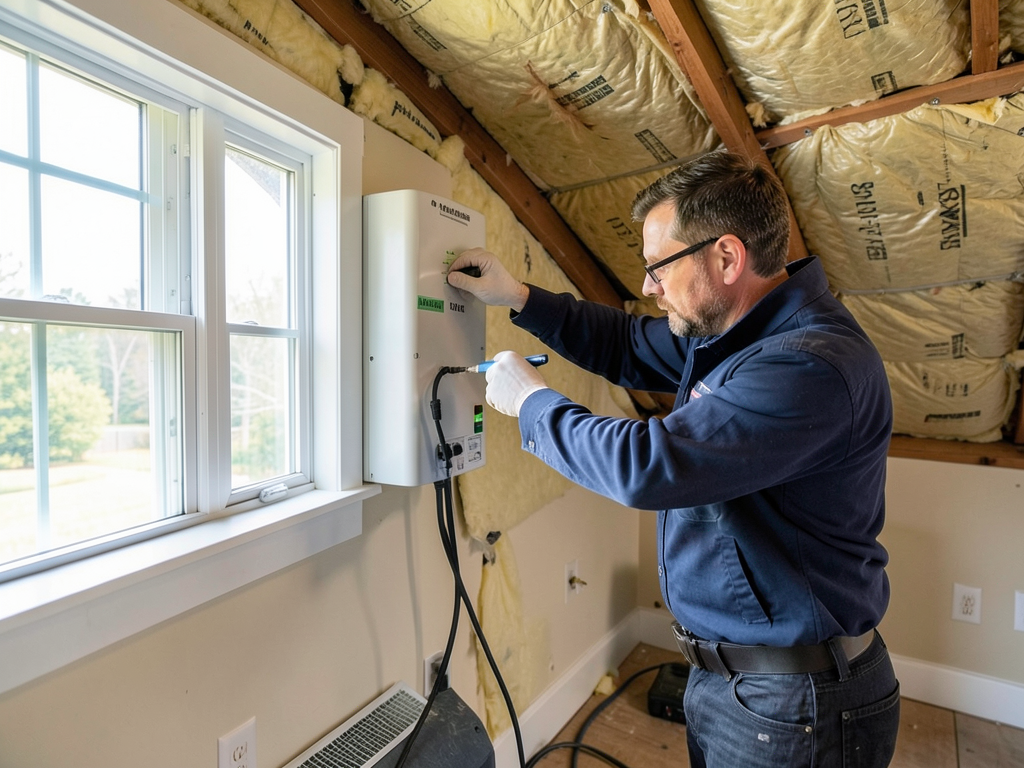
What every homeowner in Southaven should look for in an HVAC replacement quote Getting an HVAC replacement quote in Southaven can feel overwhelming. You want to make sure you're comparing apples to apples and not…
Your home gym in Lakeland should feel energizing, not like a sauna. Yet many Memphis…
Choosing an air purifier that actually removes BBQ smoke in your Midtown backyard Memphis summers…
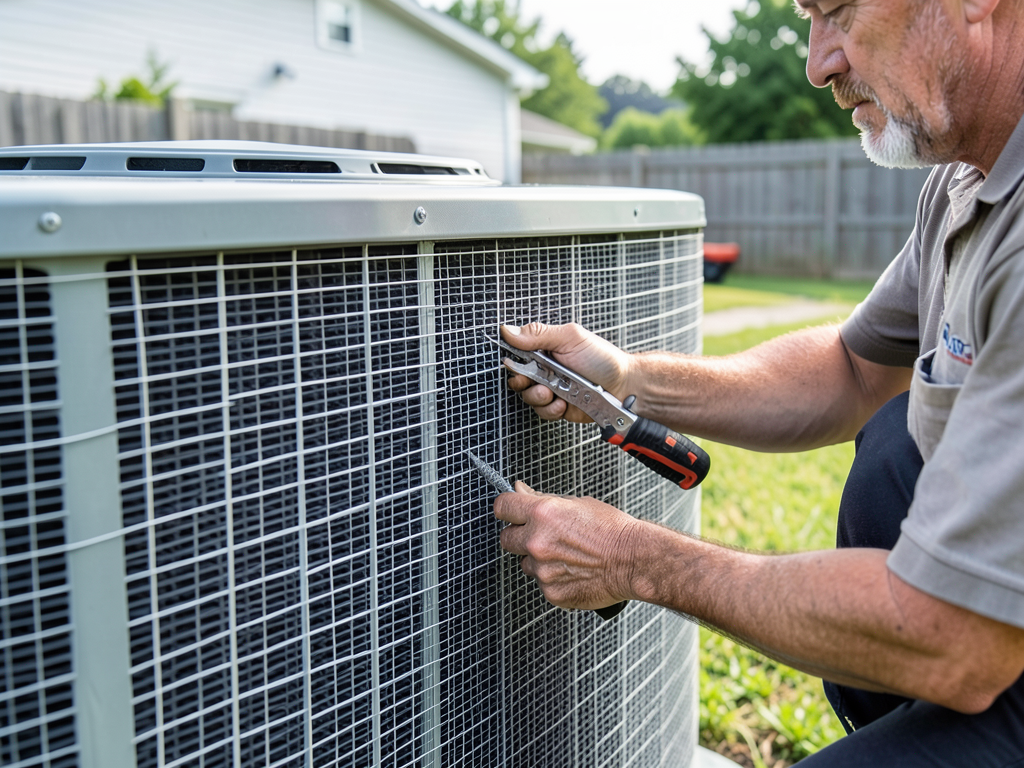
How to stop mice and squirrels from nesting in your outdoor unit in Eads Pests…
Your comfort can't wait. Call Ironwood HVAC Memphis at (901) 640-3999 right now for same-day emergency service or to schedule maintenance and system replacement. We dispatch fast, diagnose accurately, and fix problems right the first time.