




menu

Furnace Blowing Cold Air in Memphis – Expert Diagnosis and Same-Day Repairs

When your heating system blows unheated air on a cold Memphis night, you need accurate diagnosis and fast resolution. Our technicians identify the root cause and restore warm air quickly.

Slider Image 1
Slider Image 2
Slider Image 3
Slider Image 4
Slider Image 5
Slider Image 7
Slider Image 8
Slider Image 9
Slider Image 10
Slider Image 11

Why Your Furnace Blows Cold Air in Memphis Homes

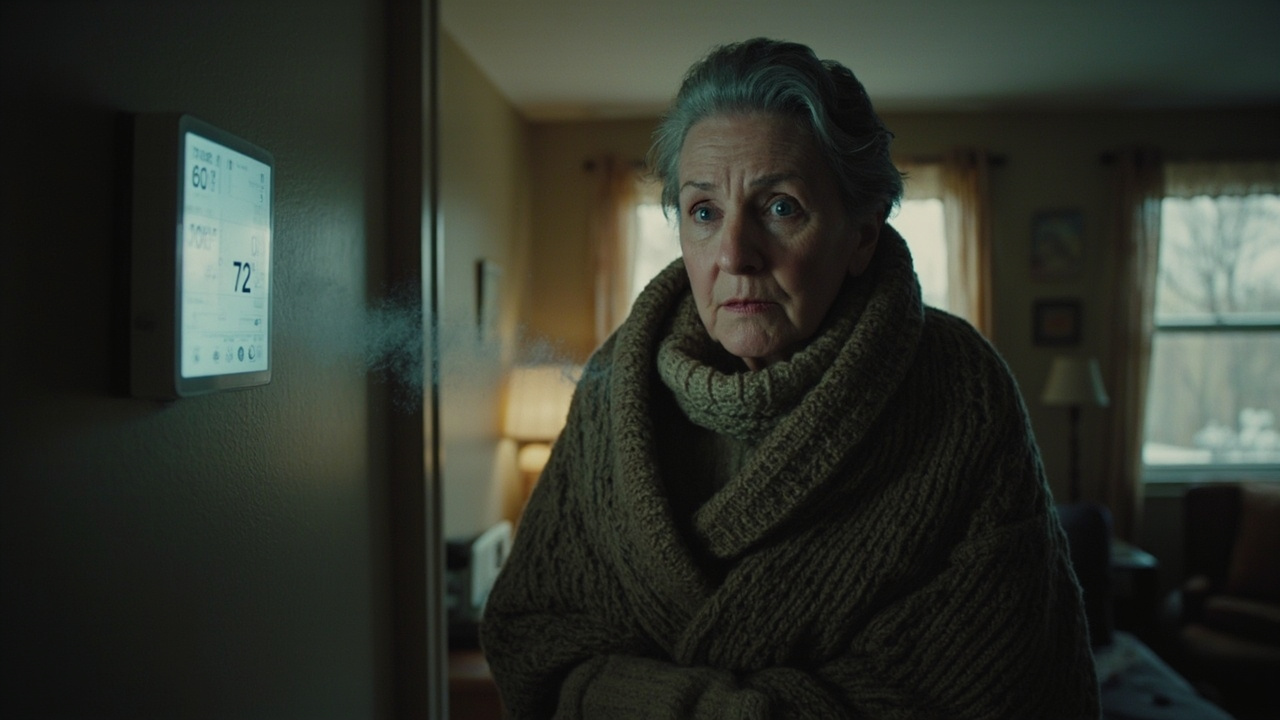
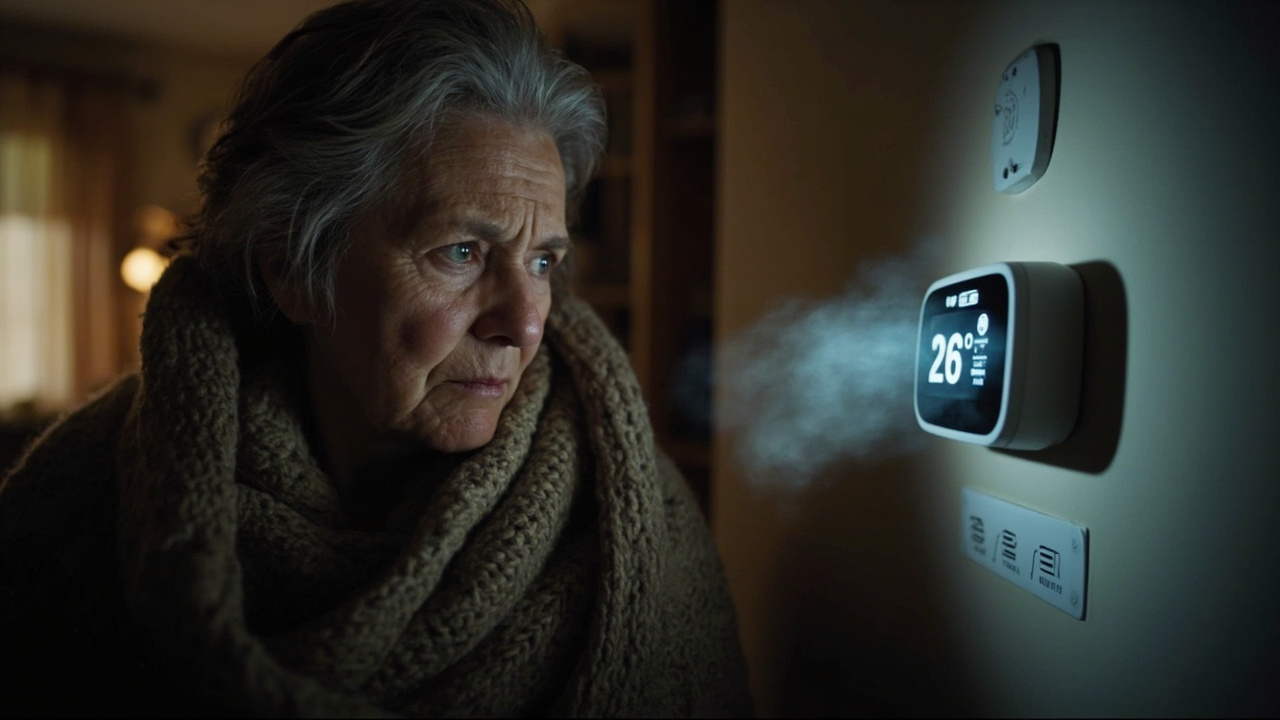
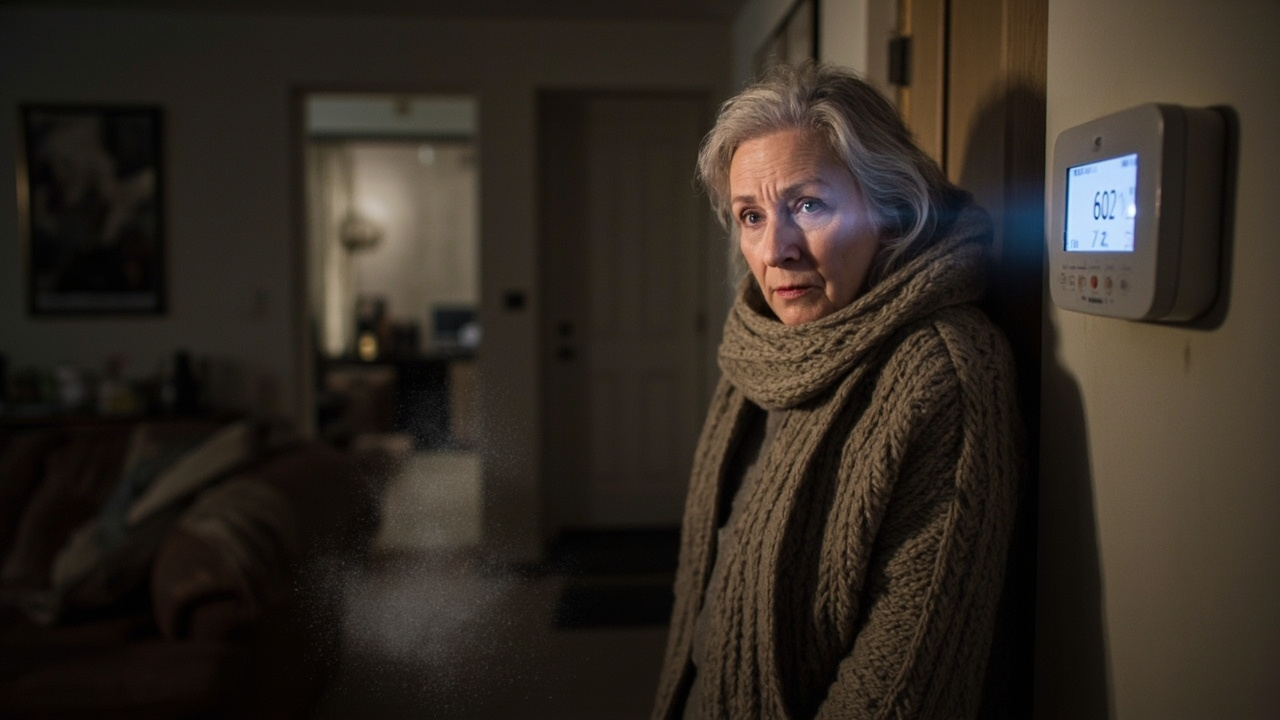
You flip the thermostat to heat, the blower kicks on, and cold air pours from your vents. This ranks among the most frustrating HVAC failures Memphis homeowners face during winter cold snaps.

A heater blowing cold air signals several potential failures. The pilot light may have extinguished on gas units. The flame sensor could be coated in carbon buildup, shutting off the burners prematurely. Your limit switch might be tripping due to restricted airflow from a clogged filter. The ignitor may have cracked after years of thermal cycling.

Memphis's temperature swings compound these issues. When overnight lows drop into the 20s after mild 60-degree afternoons, furnaces cycle more frequently. This repeated heating and cooling stresses igniters, thermocouples, and heat exchangers. The high humidity we experience year-round also accelerates corrosion on electrical connections and gas valve components.

A furnace not blowing hot air wastes energy and risks pipe freeze damage. Many homeowners initially blame their thermostat, replacing batteries or adjusting settings. The actual problem usually sits inside the furnace cabinet where flame sensors, gas valves, or blower motors have failed.

Delayed repairs create secondary damage. When your furnace blows cool air for days, you might crank up the thermostat higher, overworking the blower motor. Ice can form in condensate lines on high-efficiency units, leading to water leaks. A heating system blowing cold air requires professional diagnosis, not guesswork.

Why Your Furnace Blows Cold Air in Memphis Homes
How We Fix Furnaces Blowing Unheated Air

How We Fix Furnaces Blowing Unheated Air

Our diagnostic approach targets the five most common failure points in forced-air heating systems. We begin by measuring supply air temperature at the plenum, comparing it against return air temperature. This differential tells us whether the heat exchanger is transferring thermal energy or if we have a combustion problem.

We inspect the ignition sequence next. On electronic ignition systems, we check for proper voltage at the ignitor terminals and measure microamps on the flame sensor rod. Carbon buildup on the sensor rod creates resistance, preventing the flame signal from reaching the control board. We clean the sensor with emery cloth and verify proper flame rectification current.

Gas pressure testing follows. We attach a manometer to the manifold and measure inlet pressure, then check pressure at each burner orifice. Low gas pressure causes weak flames that cannot adequately heat the exchanger. High pressure creates flame rollout, triggering the limit switch and shutting down the burners.

Airflow verification comes next. We measure static pressure in the ductwork and calculate the actual cubic feet per minute moving through the system. A furnace blowing cool air often has restricted airflow from undersized ducts, closed dampers, or extreme filter restriction. We check the blower wheel for buildup and verify proper belt tension on belt-drive models.

Control board diagnostics finish our process. We test each safety circuit including the pressure switch, rollout sensor, and high-limit switch. Failed control boards often show burned relay contacts or swollen capacitors. We verify proper voltage throughout the 24-volt control circuit and the line voltage to the blower motor.

What Happens During Your Cold Air Repair Visit

Furnace Blowing Cold Air in Memphis – Expert Diagnosis and Same-Day Repairs
01

Initial System Testing

We arrive with combustion analyzers and pressure testing equipment. Our technician runs a full heating cycle while monitoring the ignition sequence, gas valve operation, and temperature rise across the heat exchanger. This live observation reveals intermittent failures that might not show up during a static inspection. We document supply air temperature and compare it against manufacturer specifications for your specific furnace model.
02

Component-Level Diagnosis

After identifying which system failed, we isolate the specific component. If the ignitor glows but gas never flows, we test the gas valve solenoid and check for proper voltage from the control board. When flames ignite but shut off after seconds, we measure flame sensor current and inspect the grounding path. Airflow problems get traced back to the blower motor, capacitor, or ductwork restrictions. We provide clear explanations of what failed and why.
03

Repair and Verification

We install the replacement part and run multiple heating cycles to verify proper operation. Temperature measurements confirm adequate heat output. We check for proper burner flame color and pattern, adjust gas pressure if needed, and verify all safety circuits respond correctly. Before leaving, we show you the warm air flowing from your vents and explain what we fixed. You receive documentation of all measurements and parts installed.

Why Memphis Homeowners Choose Ironwood for Cold Air Repairs

Furnace diagnosis requires specific knowledge of how Memphis homes are built and heated. Most homes here use natural gas or propane forced-air systems installed in attics or closets. These installations face different challenges than basement furnaces in northern climates.

Attic-mounted furnaces in Memphis deal with extreme summer heat that degrades electronic components faster. Control boards, capacitors, and transformers fail more frequently when exposed to 140-degree attic temperatures six months per year. We stock the specific control boards used in Carrier, Trane, Lennox, and Rheem units common to this area.

Our technicians understand local installation practices that affect reliability. Many Memphis homes have undersized return air paths because builders added square footage without upgrading ductwork. This restricted airflow causes high-limit switches to trip, shutting down heat even though nothing has technically failed. We identify these design flaws and provide solutions.

We also recognize the signs of aging heat exchangers in older Memphis homes. Many furnaces installed in the 1990s and early 2000s have reached the end of their service life. Cracked heat exchangers create dangerous carbon monoxide risks while also causing cold air problems. Our combustion analysis detects these failures before they become safety hazards.

Ironwood HVAC Memphis maintains relationships with local supply houses, giving us access to parts other companies need to special order. When your heater blows cold air on a freezing night, we can usually complete repairs the same day instead of making you wait for parts shipments.

We also understand Memphis homeowners need straight answers about repair versus replacement. We provide honest assessments based on the furnace age, repair cost, and expected remaining lifespan.

What to Expect From Your Cold Air Service Call

Response Time and Scheduling

We offer same-day service for heating emergencies throughout Memphis and surrounding areas. Most customers receive service within four hours of calling during business hours. Evening and weekend appointments are available for urgent situations. Our dispatch team provides accurate arrival windows and calls 30 minutes before your technician arrives. We respect your time and understand a furnace blowing cold air cannot wait days for repair. You schedule directly with our office, not through an answering service. Our technicians carry common repair parts on their trucks to complete most repairs in a single visit.

Diagnostic Process

Your technician performs a comprehensive system analysis, not just a visual inspection. We use digital multimeters, manometers, and combustion analyzers to measure actual system performance. You receive a detailed explanation of what caused your furnace to blow unheated air, complete with measurements and observations. We never recommend repairs based on guesswork. Before proceeding with any work, you receive a clear price quote that includes parts and labor. The diagnostic fee applies toward repair costs if you proceed with recommended service. We identify all issues found, not just the most obvious problem.

Repair Quality and Standards

We install manufacturer-specified parts, not universal aftermarket components that might fail prematurely. Every repair includes proper system testing to verify the fix resolved the problem completely. Our technicians check combustion efficiency, measure temperature rise, and verify proper safety circuit operation before considering the job complete. You see warm air flowing from your vents before we leave. We clean up completely, removing all packaging and old parts. Your furnace receives a final inspection that includes checking for gas leaks, verifying proper venting, and confirming adequate airflow throughout the system.

Parts Coverage and Maintenance

Parts we install come with manufacturer warranties that we honor and support. Labor warranties cover the work performed, protecting you from installation defects. We provide written documentation of all work completed, parts installed, and measurements taken during service. This record helps with future service and provides proof of proper maintenance if you need warranty service on other components. We also offer maintenance agreements that include priority scheduling, discounted repairs, and annual tune-ups to prevent future cold air problems. Regular maintenance catches minor issues before they cause complete heating failures during Memphis cold snaps.

Frequently Asked Questions

You Have Questions,
We Have Answers

How do you reset a furnace that blows cold air? +

Turn off your furnace at the thermostat and locate the main power switch on the unit. Flip it off and wait 60 seconds. Check your circuit breaker panel for tripped breakers. Reset any tripped breakers, then restore power to the furnace. Turn the thermostat back to heat mode and wait 5 minutes. If cold air persists, check your air filter for clogs. Memphis homes with older furnaces may need a professional reset if the igniter or flame sensor failed during our humid winters.

Why is cold air blowing when the heat is on? +

Your thermostat fan setting is likely on "On" instead of "Auto." This runs the blower continuously, pushing unheated air when the burners cycle off. Switch to Auto mode. Other causes include a tripped limit switch from blocked vents, a dirty air filter restricting airflow, or a failed igniter preventing burner ignition. In Memphis, high humidity can corrode flame sensors, causing the burners to shut down while the blower keeps running. Check your filter first, then call a technician if the problem continues.

Should I turn off my heater if it's blowing cold air? +

Yes, turn it off immediately. Running a malfunctioning furnace wastes energy and can worsen the underlying problem. If your burners are cycling on and off due to a bad flame sensor or cracked heat exchanger, continued operation risks carbon monoxide buildup. Memphis winters are mild but nights still drop into the 30s. Turn off the system, check your thermostat settings and air filter, then contact a qualified HVAC technician. Do not leave your family exposed to potential safety hazards or unnecessary heating bills.

Why is my furnace blowing cold air but no heat? +

This happens when your blower motor runs but the burners fail to ignite. Common causes include a faulty igniter, clogged burners, a tripped flame sensor, or gas supply issues. Memphis humidity accelerates corrosion on igniters and flame sensors, causing premature failure. Check if your pilot light is out on older units. Verify the gas valve is open. If you smell gas, leave immediately and call your gas company. For electric ignition systems, a failed hot surface igniter is the usual suspect and requires professional replacement.

Why is my furnace blower running but no heat? +

Your blower motor receives power but the heating cycle never starts. This points to ignition failure, a bad thermostat signal, or a tripped safety limit switch. The limit switch shuts down burners if the heat exchanger overheats, often from blocked airflow due to dirty filters. Memphis homes with poor insulation sometimes run furnaces harder, stressing components. Check your filter and thermostat batteries first. If the burners never ignite or you hear clicking without ignition, the igniter or gas valve likely failed and needs replacement.

How do you know if your furnace needs to be reset? +

Your furnace needs a reset if it shuts down unexpectedly, the blower runs without heat, or you see a flashing diagnostic light on the control board. Frequent cycling on and off signals a problem. If your home temperature drops despite the thermostat calling for heat, a safety switch likely tripped. Memphis power fluctuations during storms can cause control board errors requiring resets. Check for error codes on your furnace display panel before resetting. Repeated resets mean a deeper issue that requires professional diagnosis.

How do you fix your heater when it's blowing out cold air? +

Start by switching your thermostat from "On" to "Auto" and ensuring heat mode is selected. Replace your air filter if it looks gray or clogged. Memphis dust and pollen load filters quickly. Reset your furnace using the power switch and circuit breaker. Inspect vents and registers for blockages. If these steps fail, the issue involves ignition components, the flame sensor, or the gas valve. These repairs require a licensed technician with proper tools and safety training. Do not attempt to repair gas components yourself.

What is the most expensive part to fix on a furnace? +

The heat exchanger is the most expensive furnace component to replace, often costing as much as a new furnace. This metal chamber transfers heat from combustion gases to your home air. Cracks develop from years of heating and cooling cycles or corrosion from Memphis humidity. Other costly repairs include the control board, blower motor assembly, and gas valve. If your furnace is over 15 years old and needs a heat exchanger, replacement often makes more financial sense than repair due to efficiency gains and warranty coverage.

How can I tell if my heat pump is low on refrigerant? +

Your heat pump struggles to heat during Memphis cold snaps below 40 degrees. Ice builds up on the outdoor coil even when defrost cycles run. You hear hissing sounds near refrigerant lines. Your energy bills spike without temperature improvement. The system runs constantly but produces lukewarm air. Low refrigerant reduces heat transfer efficiency and forces the compressor to work harder. Memphis winters stress heat pumps operating near their lower temperature limits. Refrigerant leaks require professional repair since handling refrigerant requires EPA certification and specialized equipment.

What are signs of furnace failure? +

Strange noises like banging, screeching, or rumbling indicate failing components. Yellow or flickering burner flames instead of steady blue flames signal incomplete combustion and potential carbon monoxide risk. Frequent cycling on and off points to thermostat or limit switch problems. Rust or soot around the furnace cabinet suggests combustion issues. Rising energy bills without increased usage mean declining efficiency. Memphis homes with furnaces over 15 years old should watch for these signs closely. Cracked heat exchangers and failed blower motors are common end-of-life failures requiring replacement rather than repair.

How Memphis Winter Temperature Swings Stress Furnace Components

Memphis experiences dramatic temperature fluctuations during winter months, with afternoon highs reaching 60 degrees followed by overnight lows in the 20s. These swings force furnaces to cycle frequently, stressing igniters, heat exchangers, and limit switches. Each heating cycle thermally expands and contracts metal components, eventually causing cracks in igniters or stress fractures in heat exchangers. The high humidity we maintain year-round accelerates corrosion on gas valves and electrical connections. Condensation forms inside furnace cabinets during temperature transitions, creating ideal conditions for rust on flame sensors and burner assemblies. A heating system blowing cold air often traces back to this cycle-induced component fatigue.

Memphis HVAC contractors must understand local installation practices and common problems specific to our housing stock. Most homes here were built with attic-mounted furnaces rather than basement installations, exposing equipment to extreme summer heat that degrades control boards and capacitors. Local building codes require specific venting practices for gas appliances, and understanding these requirements prevents improper repairs. Ironwood HVAC Memphis technicians train specifically on the Carrier, Trane, Lennox, and Rheem systems most common in Shelby County homes. We maintain parts inventory for these local systems and understand which components fail most frequently in our climate. This local expertise means faster diagnosis and same-day repairs.
HVAC Services in The Memphis Area

Ironwood HVAC Memphis proudly serves the entire Memphis community and the surrounding counties. Our team is local, dedicated, and always ready to dispatch quickly to your residential or commercial location. View our central service area on the map below, or contact us directly to confirm if your specific neighborhood falls within our swift response zone. We look forward to bringing you reliable comfort.

Address:
Ironwood HVAC Memphis, 1661 International Dr, Memphis, TN, 38120

Additional Services We Offer

Our news updates

Latest Articles & News from The Blogs

Your home gym in Lakeland should feel energizing, not like a sauna. Yet many Memphis homeowners find their workout spaces…

Why your home gym in Lakeland feels stuffy and how to fix the ventilation

Your home gym in Lakeland should feel energizing, not like a sauna. Yet many Memphis homeowners find their workout spaces…

Choosing an air purifier that actually removes BBQ smoke in your Midtown backyard

Choosing an air purifier that actually removes BBQ smoke in your Midtown backyard Memphis summers bring backyard BBQs but the…

How to stop mice and squirrels from nesting in your outdoor unit in Eads

How to stop mice and squirrels from nesting in your outdoor unit in Eads Pests like mice and squirrels are…

Contact Us

Cold air from your vents means you need professional diagnosis now. Call Ironwood HVAC Memphis at (901) 640-3999 for same-day service. Our technicians carry the parts needed to fix most furnace problems in one visit. Stop shivering and get warm air flowing again.