





menu

Air Purification Systems in Memphis – Whole-Home Solutions That Target Your Indoor Air Quality 24/7

From HEPA-grade central air cleaners to UV light systems, we design air purification systems that filter allergens, mold spores, and pollutants before they circulate through your home or business.

Slider Image 1
Slider Image 2
Slider Image 3
Slider Image 4
Slider Image 5
Slider Image 7
Slider Image 8
Slider Image 9
Slider Image 10
Slider Image 11

Why Memphis Homeowners Are Installing Air Purification Systems Right Now

Memphis sits in a humid subtropical zone where mold, pollen, and outdoor allergens thrive year-round. Spring brings oak and elm pollen from Overton Park to Germantown. Summer pumps humidity into ductwork, creating breeding grounds for mildew. Fall stirs up ragweed along the Mississippi River bluffs. Winter traps pet dander, dust mites, and indoor pollutants with no ventilation relief.

Your HVAC system recirculates all of it.

Standard one-inch furnace filters catch large particles like pet hair, but they do nothing against mold spores, bacteria, volatile organic compounds, or fine particulate matter under 2.5 microns. Those pass straight through, settle in ductwork, and circulate back into your living space every time the blower runs.

Air filtration systems solve this by integrating with your existing HVAC infrastructure. Whole-house air purifiers install directly into your ductwork, treating every cubic foot of air before it reaches your vents. HEPA-grade central air cleaners trap particles down to 0.3 microns. UV germicidal lights neutralize bacteria and viruses at the coil. Activated carbon modules capture odors and chemical off-gassing from furniture, cleaning products, and paint.

Memphis residents with asthma, allergies, or young children see immediate relief. You stop waking up congested. Your HVAC system runs cleaner. Dust accumulation on furniture slows. Indoor air cleaning systems work passively in the background while you breathe easier in Midtown, East Memphis, or Bartlett.

Why Memphis Homeowners Are Installing Air Purification Systems Right Now
How We Match Air Purification Technology to Your Home's Air Quality Issues

How We Match Air Purification Technology to Your Home's Air Quality Issues

Generic air purifiers from big-box stores sit in one room and filter maybe 200 square feet. They clog in three months and do nothing for the air moving through your ductwork. We install air cleaning systems that integrate into your HVAC supply plenum, treating air at the source before distribution.

We start with a blower door test and indoor air quality assessment. We measure particulate counts, relative humidity, and volatile organic compound levels in your living space. We inspect duct cleanliness, filter bypass rates, and blower motor CFM output. This tells us whether you need mechanical filtration, electronic air cleaning, UV sterilization, or a combination approach.

Mechanical HEPA filters trap allergens, pollen, and dander through dense fiber matrices. Electronic air cleaners use ionization to charge particles, then capture them on collector plates you wash every few months. UV lights mount near the evaporator coil to kill mold and bacteria before they spread. Activated carbon filters absorb formaldehyde, benzene, and cooking odors.

We size the system to your ductwork static pressure and airflow requirements. Undersized air filtration systems restrict airflow, causing pressure imbalances and comfort issues. Oversized units waste energy. We calculate filter surface area, blower motor capacity, and duct velocity to match purification capacity with your system's CFM output.

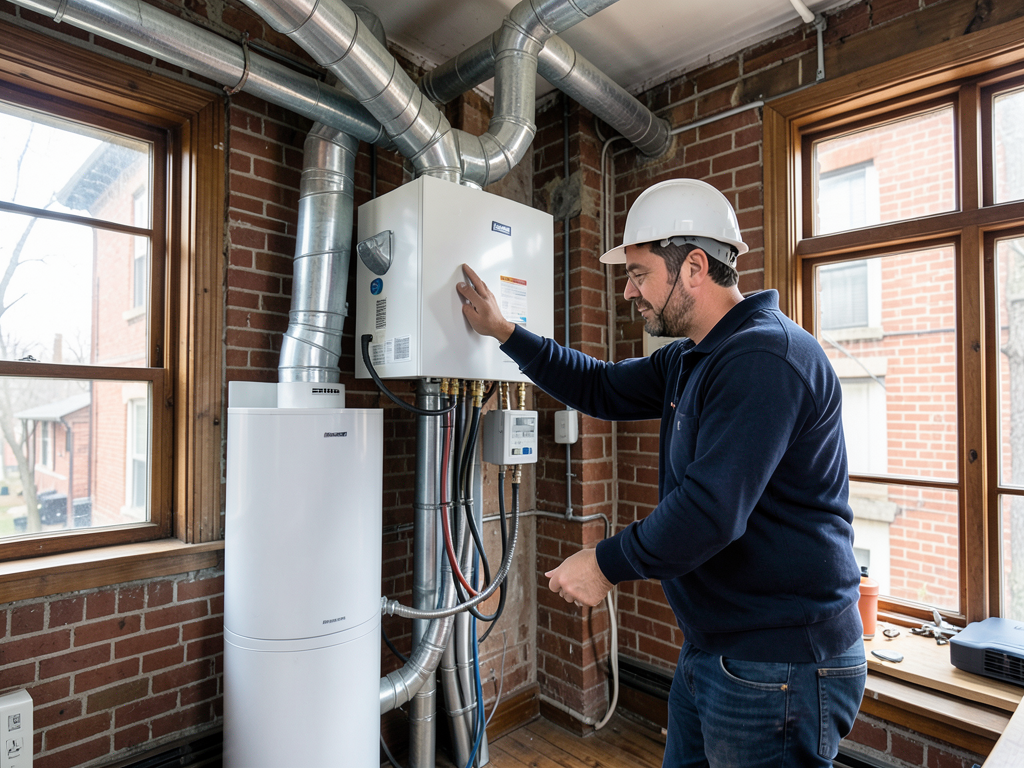
Installation takes three to five hours. We mount the unit in the return plenum or supply trunk, wire it to your thermostat or standalone controller, seal all bypass points, and verify airflow distribution at each register. You get cleaner air without sacrificing system efficiency.

What Happens When You Upgrade to Whole-Home Air Purification

Air Purification Systems in Memphis – Whole-Home Solutions That Target Your Indoor Air Quality 24/7
01

Indoor Air Quality Testing

We measure airborne particle counts, humidity levels, and VOC concentrations in your living space using calibrated diagnostic equipment. We inspect your existing ductwork for mold growth, dust accumulation, and filter bypass. This data determines which air cleaning systems will address your specific indoor air problems, whether that means HEPA filtration for allergens, UV lights for mold, or carbon media for odors.
02

System Design and Installation

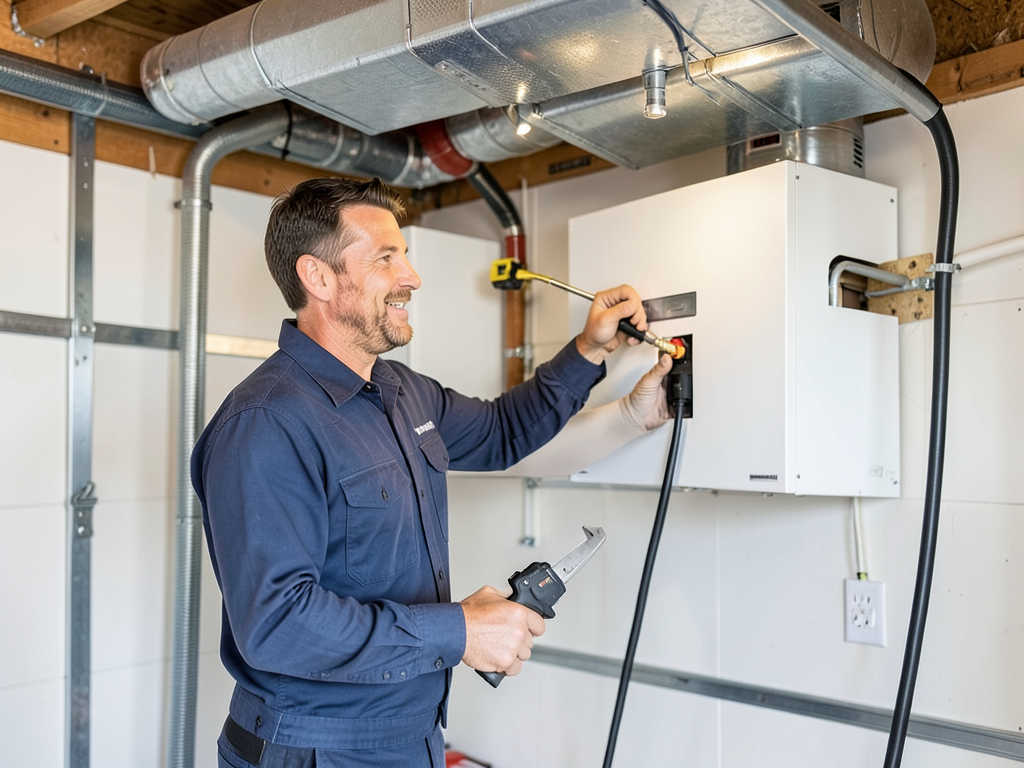
We select whole-house air purifiers based on your HVAC system's airflow capacity, duct configuration, and static pressure limits. We mount the unit in your return or supply plenum, integrate it with your existing thermostat or control board, and seal all ductwork penetrations. We verify that filter media fits correctly, blower motors maintain proper CFM output, and system operation doesn't create pressure drops that reduce heating or cooling performance.
03

Performance Verification and Maintenance Plan

We retest indoor air quality after installation to confirm particle reduction and VOC removal. We show you how to monitor filter status lights, clean collector plates if you have an electronic air cleaner, and replace media cartridges when needed. We schedule filter replacement intervals based on your home's occupancy, pet count, and outdoor air quality. Most HEPA filters last six to twelve months. UV bulbs need annual replacement to maintain germicidal effectiveness.

Why Memphis Families Trust Ironwood HVAC Memphis for Air Purification Systems

Memphis indoor air quality changes seasonally. Pollen spikes in April and May. Humidity breeds mold in July and August. Stagnant winter air traps everything indoors from November through February. You need central air cleaners that adapt to these shifts and run reliably through all of them.

We know how Memphis homes are built. Older homes in Cooper-Young and Vollintine-Evergreen have ductwork that leaks, allowing unfiltered attic air into your living space. Newer homes in Collierville and Lakeland are sealed tight, trapping pollutants with no fresh air exchange. We assess your home's construction, duct integrity, and ventilation rate before recommending air filtration systems.

We work with HVAC air purifiers from Aprilaire, Trane CleanEffects, Honeywell, and Lennox. These are professional-grade units with higher MERV ratings, larger filter surface areas, and longer service intervals than consumer products. We avoid cheap ionizers that produce ozone or flimsy electronic cleaners that arc and fail within a year.

We also understand how Memphis HVAC systems operate under load. Your air handler runs almost nonstop from May through September. Adding a restrictive filter without compensating for static pressure will cause your blower motor to overheat, reduce airflow to upstairs rooms, and shorten compressor life. We calculate total external static pressure before and after installation to verify your system can handle the upgrade.

When you call Ironwood HVAC Memphis, you get an air purification consultation based on data, not sales scripts. We test your air, size the equipment correctly, and install it without compromising your HVAC system's performance or efficiency.

What to Expect When You Upgrade Your Indoor Air Quality

Same-Day Consultations and Quick Installation

We schedule air quality assessments within 48 hours of your call. The evaluation takes about an hour. We test particle counts, inspect ductwork, and review your HVAC system's capacity. If you decide to move forward, we can typically install whole-house air purifiers within three to five business days. The installation itself takes three to five hours depending on duct accessibility and whether we need to add electrical circuits for UV systems. You can use your heating or cooling during the process. We isolate the work area and restore full system operation before we leave.

Transparent Air Quality Testing and Equipment Selection

We show you real-time particle counts and explain what they mean for your health. If your home has elevated mold spore counts, we recommend UV germicidal lights. If you have high VOC levels from new flooring or furniture, we suggest activated carbon filtration. If seasonal pollen is your main concern, a HEPA-grade mechanical filter may be enough. We explain how each air cleaning system works, what maintenance it requires, and what results you can expect. We never upsell equipment your home doesn't need. You get a written proposal with system specifications, installation scope, and filter replacement schedules.

Cleaner Air and Measurable Health Benefits

Most homeowners notice reduced allergy symptoms within a few days. Dust accumulation on furniture and blinds slows. Pet dander and odors dissipate faster. If you have asthma, you may experience fewer nighttime flare-ups. Central air cleaners work passively while your HVAC system runs, so you don't hear anything or adjust any settings. You just breathe cleaner air. We can retest your indoor air quality 30 days after installation to verify particle reduction and confirm the system is performing as designed. The data proves the investment is working.

Simple Filter Maintenance and Long-Term Support

HEPA filters in whole-house air purifiers typically last six to twelve months depending on household size, pet count, and outdoor air quality. Electronic air cleaners require washing collector plates every one to three months. UV bulbs lose germicidal effectiveness after about 10,000 hours and need annual replacement. We set up filter replacement reminders based on your system's runtime and provide maintenance kits with correct filter sizes. If you prefer hands-off service, we offer annual maintenance plans that include filter replacement, UV bulb replacement, and system performance checks. We keep your air filtration systems running efficiently year after year.

Frequently Asked Questions

You Have Questions,
We Have Answers

What is the best home air purifying system? +

The best home air purifying system depends on your specific needs and home size. HEPA filtration systems are the gold standard for capturing particles down to 0.3 microns, including pollen, dust, and mold spores common in Memphis homes due to high humidity. Whole-home systems integrate with your existing HVAC and provide consistent filtration throughout every room. Standalone units work well for targeted spaces like bedrooms or living areas. Look for systems with activated carbon filters to remove VOCs and odors. Consider Memphis's air quality challenges, including seasonal allergens from the Mississippi River Valley, when sizing your system.

Is there a downside to air purifiers? +

Air purifiers have few downsides if you choose the right system. Ozone generators can irritate lungs and should be avoided in occupied spaces. Some units produce white noise that bothers light sleepers. Filter replacement costs add up over time, ranging from twice yearly to monthly depending on the system. Cheap units may lack adequate CADR ratings for your room size, wasting energy without improving air quality. In Memphis homes with high humidity, air purifiers do not replace dehumidifiers. They remove particles but do not control moisture levels that fuel mold growth in our climate.

What is the 2 3 rule for air purifiers? +

The 2-3 rule means running your air purifier on the highest setting for two to three hours initially to clean the air, then dropping to a lower speed for maintenance. This approach reduces noise and energy use while maintaining clean air. In Memphis, you may need longer initial run times during high pollen seasons or after humid periods when mold spores increase. The rule helps balance filter life with air quality needs. Modern units with auto modes adjust fan speed based on real-time air quality sensors, eliminating guesswork and optimizing performance throughout the day.

Do air purifying machines really work? +

Air purifying machines work when you choose the right technology. HEPA filters capture 99.97% of airborne particles, proven effective for allergens, dust, and pet dander. Activated carbon removes odors and gases. UV-C light kills bacteria and viruses. Studies confirm these technologies reduce indoor pollutants measurably. In Memphis, where humidity drives mold growth and river valley location increases pollen counts, quality air purifiers make a noticeable difference for allergy sufferers and asthma patients. However, they supplement but do not replace proper ventilation, humidity control, and regular HVAC maintenance. Effectiveness depends on correct sizing and regular filter changes.

What to avoid when buying an air purifier? +

Avoid air purifiers that generate ozone, marketed as ionizers or electronic air cleaners. Ozone irritates respiratory systems and worsens asthma. Skip units without true HEPA filters, as lesser filters miss smaller particles. Do not buy undersized units for your room square footage, wasting money on ineffective cleaning. Avoid models without CADR ratings or third-party testing verification. In Memphis's humid climate, do not mistake air purifiers for dehumidifiers. They serve different functions. Skip units with proprietary filters that cost more than the machine itself within a year. Check decibel ratings if noise sensitivity matters in bedrooms.

Which air purifier do doctors recommend? +

Doctors recommend air purifiers with true HEPA filtration for patients with allergies, asthma, and respiratory conditions. Medical-grade HEPA filters capture particles down to 0.3 microns, including bacteria, viruses, mold spores, and allergens. Brands tested by independent labs and certified by AHAM receive endorsements. For Memphis residents dealing with seasonal allergies from Mississippi River Valley pollen and indoor mold from humidity, doctors suggest whole-home HEPA systems integrated with HVAC or standalone units with activated carbon for comprehensive filtration. Pulmonologists emphasize proper sizing, regular filter changes, and combining air purification with humidity control for best results.

What are signs you need an air purifier? +

You need an air purifier if you wake up congested, sneeze frequently indoors, or notice dust accumulating quickly on surfaces. Persistent allergy symptoms despite medication indicate poor indoor air quality. Visible mold spots, musty odors, or recent water damage in Memphis homes with high humidity signal airborne spore problems. Pet owners dealing with dander and odors benefit from filtration. If family members have asthma, COPD, or compromised immune systems, an air purifier reduces triggers. Homes near busy roads or construction sites face higher particle counts. Cooking odors that linger or cigarette smoke also warrant air purification.

Is it okay to sleep with an air purifier on all night? +

Yes, running an air purifier all night is safe and recommended. Continuous operation maintains clean air while you sleep, when you breathe deeper and spend extended time in one room. Modern units consume minimal electricity, similar to a light bulb. Bedrooms benefit most from overnight filtration since you spend six to eight hours breathing that air. In Memphis, nighttime humidity can increase mold spore circulation, making continuous purification valuable. Choose units with sleep modes that dim lights and reduce fan noise. Consistent operation extends into better morning air quality and fewer allergy symptoms upon waking.

Is an air purifier good for your lungs? +

Air purifiers benefit your lungs by removing irritants that trigger inflammation and breathing difficulties. HEPA filters capture allergens, dust, mold spores, and fine particles that penetrate deep into lung tissue. Memphis residents exposed to Mississippi River Valley pollen and humidity-driven mold see reduced respiratory symptoms with proper air purification. Studies show cleaner indoor air decreases asthma attacks and COPD flare-ups. However, air purifiers do not heal existing lung damage. They reduce exposure to harmful particles, allowing lungs to function better. Combine air purification with humidity control below 50% for optimal respiratory health in our climate.

Where should you not put an air purifier? +

Do not put air purifiers in corners or behind furniture where airflow gets blocked. Avoid placing them against walls, which restricts intake and exhaust. Keep units away from windows where outdoor air constantly enters, overwhelming the filter. Do not position purifiers near electronics that generate heat or electromagnetic interference. Bathrooms with high moisture damage filters and motors. In Memphis homes, avoid placing units directly under ceiling fans, which disrupt airflow patterns and reduce efficiency. Keep purifiers at least three feet from walls and obstacles. Place them centrally in rooms where you spend the most time for maximum particle capture.

Why Memphis's Humidity Makes Air Purification Systems Critical for Mold Prevention

Memphis averages 55 to 65 percent relative humidity year-round, with summer months regularly spiking above 70 percent. When indoor humidity climbs past 60 percent, mold spores activate on evaporator coils, duct interiors, and register grilles. Your HVAC system becomes a distribution network for allergens and respiratory irritants. Whole-house air purifiers with UV germicidal lights neutralize mold at the source before it colonizes your ductwork and circulates through every room. Activated carbon filters also remove the musty odor that signals hidden mold growth in crawlspaces or behind drywall.

Ironwood HVAC Memphis has installed air cleaning systems in homes from Harbor Town to Eads for over a decade. We understand how Memphis's humid subtropical climate accelerates mold growth and how seasonal pollen from surrounding hardwood forests affects indoor air quality. We follow local building codes for duct sealing and ventilation rates. We also work closely with Memphis-area allergists and pulmonologists who refer patients needing professional-grade HVAC air purifiers. When you choose a local provider who knows Memphis air quality challenges, you get solutions designed for this environment, not generic recommendations from a national call center.
HVAC Services in The Memphis Area

Ironwood HVAC Memphis proudly serves the entire Memphis community and the surrounding counties. Our team is local, dedicated, and always ready to dispatch quickly to your residential or commercial location. View our central service area on the map below, or contact us directly to confirm if your specific neighborhood falls within our swift response zone. We look forward to bringing you reliable comfort.

Address:
Ironwood HVAC Memphis, 1661 International Dr, Memphis, TN, 38120

Additional Services We Offer

Our news updates

Latest Articles & News from The Blogs

Your home gym in Lakeland should feel energizing, not like a sauna. Yet many Memphis homeowners find their workout spaces…

Why your home gym in Lakeland feels stuffy and how to fix the ventilation

Your home gym in Lakeland should feel energizing, not like a sauna. Yet many Memphis homeowners find their workout spaces…

Choosing an air purifier that actually removes BBQ smoke in your Midtown backyard

Choosing an air purifier that actually removes BBQ smoke in your Midtown backyard Memphis summers bring backyard BBQs but the…

How to stop mice and squirrels from nesting in your outdoor unit in Eads

How to stop mice and squirrels from nesting in your outdoor unit in Eads Pests like mice and squirrels are…

Contact Us

Call (901) 640-3999 to schedule an indoor air quality assessment. We test your air, recommend the right air purification system, and install it fast. Stop circulating allergens, mold, and pollutants through your home. Let's fix your air today.