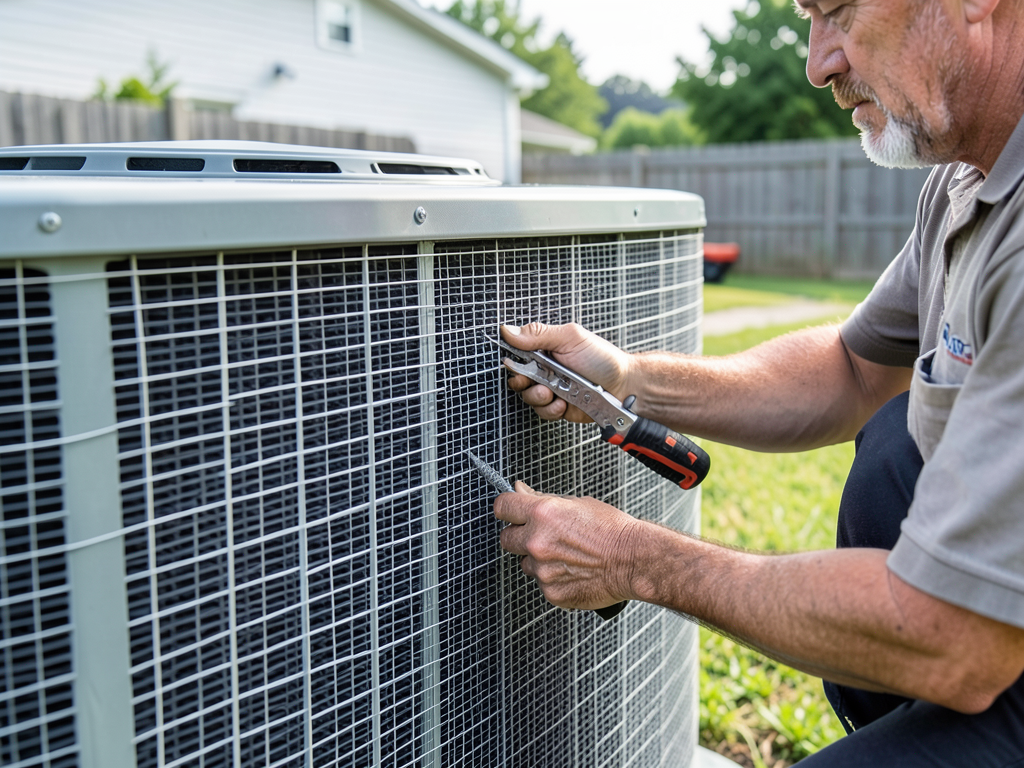







Memphis sits in the Mississippi Delta where humidity averages 72 percent year-round and summer dew points regularly exceed 70 degrees. This constant moisture load forces commercial cooling systems to run dehumidification cycles that residential units never experience. Evaporator coils accumulate biological growth that restricts airflow and reduces heat transfer efficiency. Condensate drain pans in rooftop units overflow when algae blocks drain lines, causing water damage to ceilings and electrical components. The extended cooling season from April through October gives your commercial hvac system zero recovery time. Equipment designed for 2,000 annual runtime hours exceeds 3,500 hours in Memphis climate conditions, accelerating wear on compressors, fan motors, and contactors. Industrial facilities near the river corridor face additional challenges from airborne particulate that clogs filters and coats heat exchanger fins, reducing capacity by 30 percent between maintenance intervals.
Memphis commercial buildings must comply with International Mechanical Code standards as adopted by Shelby County, which mandate specific ventilation rates for occupancy types and refrigerant leak detection in certain applications. Facilities in historic districts face additional constraints when upgrading cooling capacity because exterior equipment placement requires Historic District Commission approval. Ironwood HVAC Memphis understands these local requirements and navigates permitting processes that out-of-town contractors miss. We maintain relationships with local supply houses that stock commercial components, eliminating the multi-day delays that come from ordering parts from regional warehouses. When your business ac repair requires coordination with property management companies, building engineers, or facility maintenance teams, we communicate in the technical language they expect and document our work to their standards.