




menu

Commercial Duct Cleaning in Memphis | Minimize Downtime with Industrial-Grade Solutions

Ironwood HVAC Memphis delivers commercial ductwork cleaning that keeps your facility operational while eliminating contaminants that compromise air quality, energy efficiency, and OSHA compliance across warehouses, hospitals, and manufacturing plants.

Slider Image 1
Slider Image 2
Slider Image 3
Slider Image 4
Slider Image 5
Slider Image 7
Slider Image 8
Slider Image 9
Slider Image 10
Slider Image 11

How Contaminated Ductwork Undermines Your Memphis Facility Operations

Your commercial HVAC system moves thousands of cubic feet of air per minute through ductwork that accumulates industrial dust, manufacturing particulates, and biological growth. In Memphis, the high humidity compounds this problem. Moisture infiltration through poorly sealed duct joints creates ideal conditions for mold colonization, which spreads spores throughout your facility every time the system runs.

This contamination directly impacts your bottom line. Clogged supply ducts force HVAC units to work harder, increasing energy consumption by 20 to 40 percent. Restricted airflow creates pressure imbalances that prevent proper ventilation in production areas, break rooms, and storage zones. Employees working in poorly ventilated spaces report higher rates of respiratory complaints, which translate to lost productivity and potential liability exposure.

Industrial air duct cleaning addresses the specific contamination patterns in commercial facilities. Warehouses near the Memphis Industrial Park deal with diesel particulate matter from truck traffic. Food processing plants face grease vapor accumulation in exhaust ductwork. Medical facilities require HEPA-level filtration and documented cleaning protocols to meet infection control standards.

The challenge intensifies in buildings with legacy ductwork installed before modern sealing standards. Older commercial buildings in the Medical District and along Lamar Avenue often have galvanized steel ducts with deteriorating internal linings. These systems shed metal particles and insulation fibers into the airstream, contaminating clean spaces and sensitive equipment.

Delaying commercial air vent cleaning allows contaminant layers to harden, making future remediation more invasive and expensive. The longer you wait, the more extensive the required intervention becomes.

How Contaminated Ductwork Undermines Your Memphis Facility Operations
The Industrial Duct Cleaning Methodology That Protects Business Continuity

The Industrial Duct Cleaning Methodology That Protects Business Continuity

Commercial HVAC duct cleaning requires negative air pressure containment to prevent cross-contamination during the cleaning process. We establish isolation zones using temporary barriers and seal off sections of your ductwork while maintaining climate control in active areas. This phased approach allows your business to continue operations while we systematically clean each zone.

The process begins with video inspection using push cameras and borescopes to document contamination levels and identify structural issues. This diagnostic phase maps out access point locations, identifies damaged sections requiring repair, and establishes the appropriate cleaning method for each duct segment. Flexible ducts require different techniques than rigid sheet metal runs.

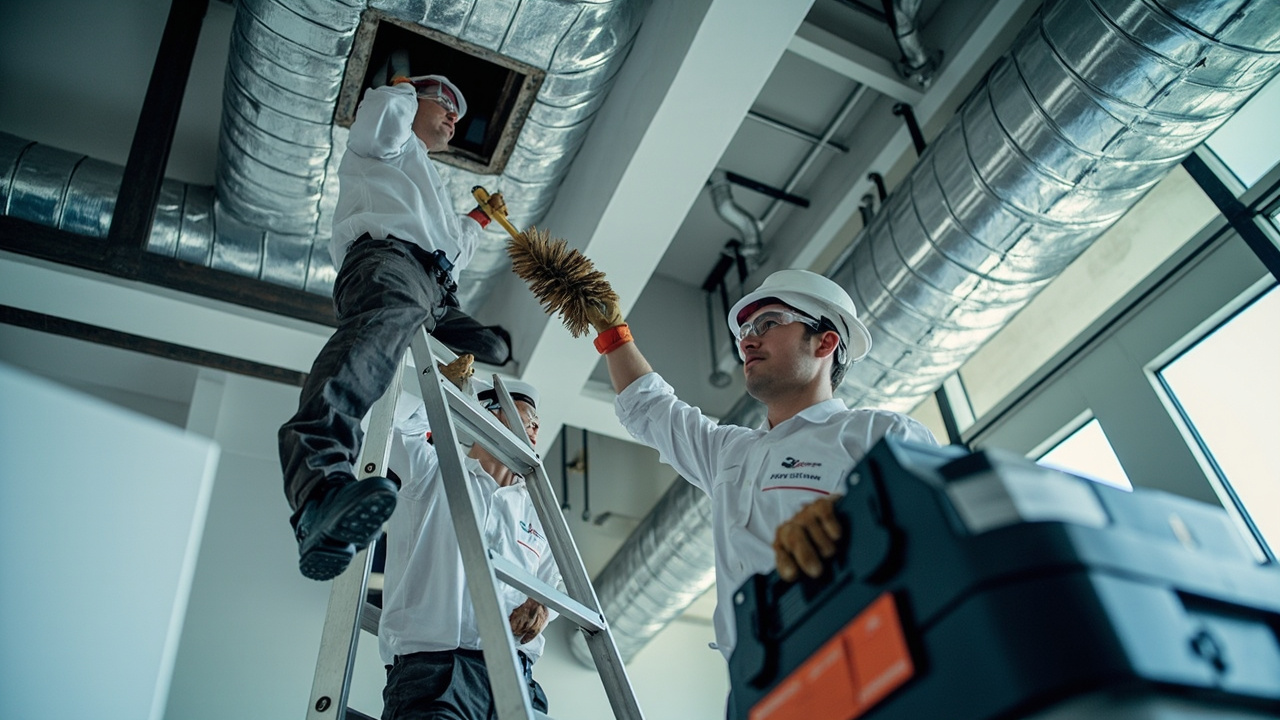
We deploy truck-mounted negative air machines that generate sufficient CFM to extract loosened debris without allowing it to migrate into occupied spaces. Rotary brush systems with compressed air agitation dislodge caked-on contaminants from duct interiors. For facilities with sensitive operations, we schedule work during off-hours to eliminate any disruption to production schedules.

Post-cleaning verification includes ATP testing to measure biological contamination levels and particle count analysis to confirm air quality improvements. We photograph the interior of cleaned ductwork and provide documentation that satisfies insurance requirements and regulatory audits.

Industrial ductwork cleaning in manufacturing environments often reveals damaged flexible connectors, separated duct segments, and failed damper assemblies. We repair these deficiencies as part of the cleaning process to restore system integrity. Leaving compromised ductwork in place negates the benefits of cleaning by allowing recontamination through leaks and gaps.

The final step involves applying EPA-registered antimicrobial coatings to interior duct surfaces in high-risk areas like hospitals and food service facilities. This creates a protective barrier that inhibits future microbial growth between scheduled maintenance intervals.

What Happens During Your Commercial Duct Cleaning Service

Commercial Duct Cleaning in Memphis | Minimize Downtime with Industrial-Grade Solutions
01

System Assessment and Planning

We conduct a comprehensive facility walkthrough to map your ductwork layout, identify all air handling units, and locate optimal access points for cleaning equipment. This planning phase includes reviewing building plans, scheduling around your operational needs, and establishing containment protocols. We coordinate with your facilities manager to ensure zero disruption to critical areas like server rooms, clean rooms, or production lines that cannot tolerate downtime.
02

Containment and Extraction

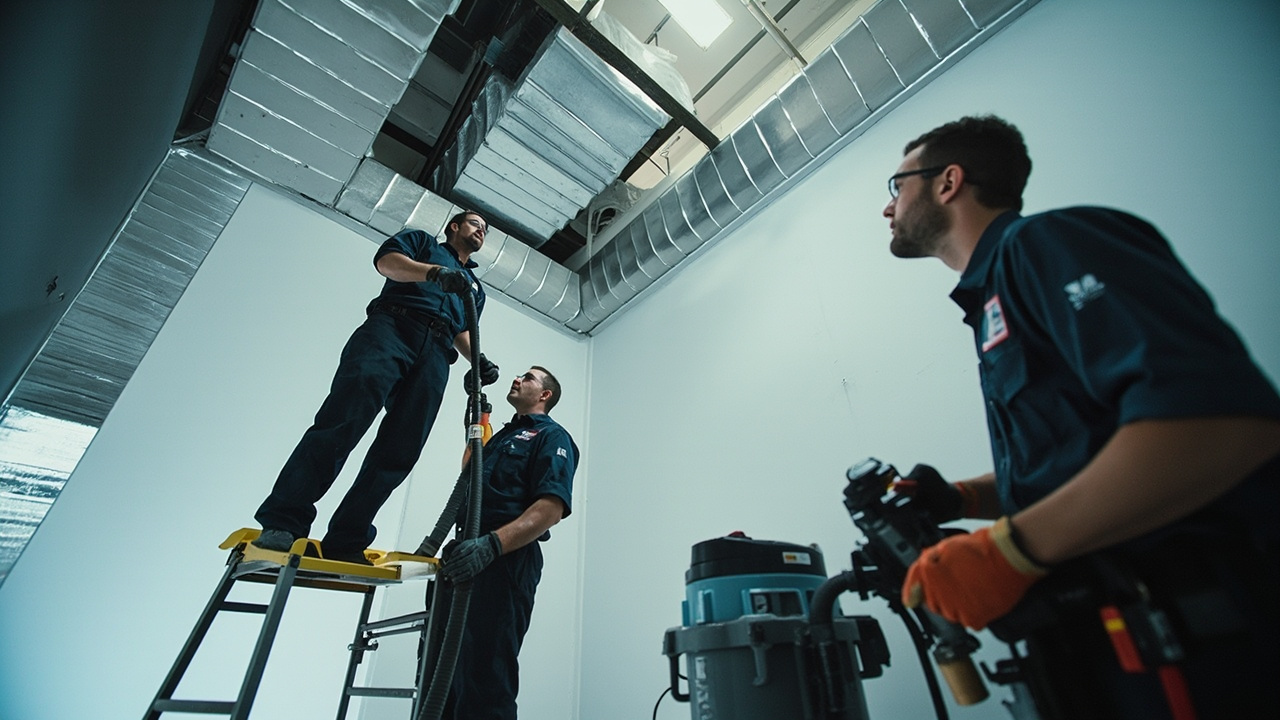
Our team establishes negative pressure zones and begins mechanical cleaning using rotary brushes, compressed air whips, and HEPA-filtered vacuum systems. We work systematically through each duct section, removing accumulated dust, debris, and biological growth. All extracted material is containerized on-site and disposed of according to local waste management regulations. Real-time air quality monitoring ensures contaminants remain contained throughout the process.
03

Verification and Documentation

After cleaning, we perform post-service video inspection to verify complete contaminant removal and document interior duct conditions. You receive a comprehensive report including before and after photos, air quality test results, and a detailed map of your ductwork system. This documentation supports compliance audits, insurance requirements, and facilities management records. We provide recommendations for ongoing maintenance intervals based on your specific facility usage and contamination patterns.

Why Memphis Facility Managers Trust Local HVAC Specialists

Commercial duct cleaning requires understanding the specific challenges of Memphis's commercial building stock and climate conditions. Facilities built during the 1970s and 1980s industrial expansion often have undersized ductwork that cannot accommodate modern ventilation requirements. We have cleaned systems in every major industrial corridor from Presidents Island to the Shelby Drive manufacturing district.

Memphis's position on the Mississippi River creates persistent humidity challenges that accelerate microbial growth in ductwork. Facilities near the river, including the Port of Memphis industrial zone, experience higher moisture infiltration rates that require more aggressive cleaning protocols and preventive treatments. We adjust our methodology based on your building's proximity to water sources and historical humidity issues.

Local building codes require specific ventilation rates for commercial kitchens, medical facilities, and industrial operations. Our team maintains current knowledge of Memphis and Shelby County code requirements, ensuring your cleaned ductwork meets all applicable standards. This local expertise prevents the compliance issues that arise when national chains apply generic protocols without understanding regional requirements.

We have established relationships with property management companies overseeing the major office towers in Downtown Memphis and the commercial developments in East Memphis. These ongoing partnerships demonstrate our ability to deliver consistent results across diverse facility types, from the FedEx logistics centers to the hospitals in the Medical District.

The industrial facilities along American Way and in the Airport Commerce Park require specialized knowledge of process ventilation systems, dust collection ductwork, and chemical fume exhaust. Ironwood HVAC Memphis has the equipment capacity and technical expertise to handle large-scale industrial ductwork cleaning that smaller residential-focused companies cannot properly execute.

Choosing a local provider means faster response times when urgent issues arise and familiarity with your facility's unique characteristics across multiple service visits.

What Your Facility Can Expect from Professional Duct Cleaning

Project Timeline and Scheduling Flexibility

Most commercial ductwork cleaning projects span two to five days depending on system size and contamination levels. We work around your operational schedule, including nights, weekends, and planned shutdowns to minimize business disruption. Large industrial facilities may require phased cleaning over several weeks, with each phase targeting specific zones while others remain operational. We provide detailed project timelines during the planning phase and maintain constant communication with your facilities team to address any scheduling adjustments needed during execution.

Pre-Service Assessment and Scope Definition

The initial evaluation includes video inspection of accessible ductwork, air quality testing, and system performance analysis. We measure static pressure, airflow volumes, and temperature differentials to establish baseline performance metrics. This diagnostic phase identifies contamination severity, structural deficiencies, and any code compliance issues requiring attention. You receive a detailed scope of work with transparent explanations of required services and optional enhancements like antimicrobial treatments or duct sealing. The assessment takes two to four hours for typical commercial buildings.

Measurable Performance Improvements

Clean ductwork delivers immediate improvements in airflow efficiency, reducing HVAC energy consumption and improving temperature consistency across your facility. Post-cleaning air quality tests document reductions in particulate counts and biological contamination. Many facilities report decreased employee complaints about indoor air quality and reduced HVAC maintenance costs due to less strain on equipment. The cleaning process also extends the service life of expensive air handling units by reducing the debris load on blower assemblies, heat exchangers, and filtration systems.

Ongoing Maintenance and Prevention Programs

We recommend establishing a scheduled maintenance interval based on your facility type and usage patterns. Manufacturing plants typically require annual cleaning, while office buildings may need service every three to five years. Hospitals and food service facilities often require quarterly inspections with annual deep cleaning. We offer maintenance contracts that include regular inspections, filter replacements, and priority scheduling. These programs prevent the severe contamination buildup that requires extensive remediation and provide documentation for insurance and regulatory compliance. Contract clients receive detailed service records and trend analysis showing system performance over time.

Frequently Asked Questions

You Have Questions,
We Have Answers

How much does commercial duct cleaning cost? +

Commercial duct cleaning costs vary based on system size, building square footage, and contamination levels. Larger facilities with complex HVAC systems cost more than smaller retail spaces. Expect pricing to scale with the number of units, linear feet of ductwork, and accessibility challenges. Multi-story buildings in downtown Memphis or industrial facilities in Hickory Hill require more labor and equipment. Request a site inspection before receiving a quote. Pricing factors include debris removal, sanitization needs, and whether the system has been maintained regularly. Businesses that delay cleaning face higher costs when buildup becomes severe.

How often should commercial HVAC ducts be cleaned? +

Commercial facilities should clean ductwork every three to five years under normal conditions. High-traffic environments like restaurants, medical offices, or manufacturing plants in Memphis require annual cleaning due to grease, dust, or particulate accumulation. ASHRAE recommends inspections annually to determine cleaning frequency based on system conditions. Memphis humidity accelerates mold growth inside ducts, making shorter intervals necessary for certain buildings. Buildings with sensitive occupants or strict air quality standards need more frequent service. Track HVAC performance and indoor air quality complaints to adjust your cleaning schedule. Document cleaning dates for compliance and tenant health records.

How much is Servpro duct cleaning? +

Servpro pricing varies by location and project scope. They typically handle restoration work following fire or water damage rather than routine commercial duct cleaning. Their pricing structure focuses on emergency remediation services. For scheduled commercial maintenance in Memphis, specialized HVAC contractors often provide more competitive rates and targeted service. Servpro may subcontract duct cleaning or focus on ductwork affected by specific incidents. Compare quotes from multiple vendors who specialize in commercial HVAC maintenance. Verify certifications and request references from similar commercial properties. Emergency restoration pricing differs significantly from preventive maintenance pricing.

What are the drawbacks of duct cleaning? +

Poorly executed duct cleaning damages HVAC systems. Aggressive brushing methods can dislodge fiberglass lining or puncture ductwork. Inexperienced contractors may fail to seal access points properly, creating air leaks that reduce efficiency. Some providers use inadequate equipment that stirs up contaminants without capturing them. Unnecessary cleaning wastes money when ducts are already clean. Buildings with asbestos-containing materials face serious risks if disturbed during cleaning. Unqualified contractors in Memphis may lack proper insurance or certifications. Choose NADCA-certified providers who follow industry standards. Verify the contractor inspects ducts before proposing cleaning to avoid unnecessary service.

How much does Stanley Steemer charge to clean air ducts? +

Stanley Steemer focuses primarily on residential carpet and upholstery cleaning, not commercial duct systems. Their pricing and service models target homeowners rather than commercial facilities. Commercial buildings require specialized equipment, certifications, and knowledge of complex HVAC systems that carpet cleaning companies typically lack. For Memphis commercial properties, work with contractors who specialize in commercial HVAC maintenance and hold relevant certifications. Commercial duct cleaning involves different liability, access challenges, and technical requirements than residential work. Verify any contractor has commercial experience, proper insurance limits, and references from similar facilities before contracting services.

What time of year is best for duct cleaning? +

Spring and fall offer ideal conditions for commercial duct cleaning in Memphis. Scheduling during mild weather allows buildings to operate with reduced HVAC loads during service. Avoid peak cooling season in Memphis summer when system downtime affects occupant comfort and business operations. Fall cleaning removes summer humidity buildup and prepares systems for heating season. Spring service eliminates winter contaminants before cooling demands increase. Plan around your business cycle to minimize operational disruption. Retail spaces should avoid holiday seasons. Restaurants benefit from pre-summer cleaning. Schedule during low-occupancy periods when possible. Coordinate with planned HVAC maintenance for efficiency.

What are the signs air ducts need cleaning? +

Visible dust buildup around supply registers signals contaminated ductwork. Musty odors when the system operates indicate mold growth, common in Memphis humidity. Increased employee respiratory complaints or allergy symptoms point to poor indoor air quality. Uneven airflow between rooms suggests blockages or debris accumulation. Rising energy costs without explanation often result from restricted airflow forcing systems to work harder. Visible mold growth near vents or on accessible ductwork requires immediate attention. Excessive dust accumulation on surfaces shortly after cleaning indicates contaminated supply air. Verify issues with a professional inspection before assuming duct cleaning will solve problems.

Does homeowners insurance cover air duct cleaning? +

Standard commercial property insurance does not cover routine duct cleaning. Policies treat preventive maintenance as an operational expense, not a covered loss. Insurance may cover duct cleaning following a covered event like fire, smoke damage, or water intrusion that contaminates the system. Document contamination thoroughly and obtain adjuster approval before proceeding. Some policies require specific cleaning standards for restoration work. Review your policy language regarding HVAC system coverage. Mold remediation coverage varies significantly between policies. Routine maintenance costs remain the property owner's responsibility. Budget for regular cleaning as part of facility maintenance expenses rather than expecting insurance reimbursement.

Is duct cleaning worth the price? +

Commercial duct cleaning provides measurable ROI when contamination exists. Clean systems operate more efficiently, reducing energy costs and extending equipment life. Removing debris improves airflow, decreases compressor strain, and prevents premature failures. Buildings in Memphis benefit from mold prevention in humid conditions. Facilities with health code requirements or sensitive occupants justify regular cleaning for liability protection. Unnecessary cleaning wastes resources when systems are already clean. Professional inspection determines whether cleaning delivers value for your specific situation. Track energy consumption and maintenance costs before and after cleaning to measure impact. Cleaning contaminated systems pays for itself through operational improvements.

How much should you charge to clean a 2000 sq ft house? +

Residential pricing does not apply to commercial facilities. Commercial duct cleaning costs scale with system complexity, not building square footage. A 2000 square foot medical office has different requirements than a 2000 square foot warehouse. Commercial systems involve multiple air handlers, longer duct runs, and accessibility challenges that increase labor and equipment needs. Commercial buildings in Memphis may have rooftop units or complex zoning that affects pricing. Focus on system specifications, contamination levels, and accessibility rather than square footage alone. Request site-specific commercial quotes based on actual system conditions rather than applying residential pricing models to commercial properties.

Why Memphis Humidity Makes Commercial Duct Cleaning Critical for Facility Health

Memphis averages 54 inches of annual rainfall with relative humidity regularly exceeding 70 percent during summer months. This moisture infiltrates commercial HVAC systems through fresh air intakes, rooftop units, and any duct penetrations in the building envelope. Facilities near the Wolf River Harbor and Nonconnah Creek face even higher moisture exposure. When humid air contacts cool duct surfaces, condensation forms and creates standing water in low points of the ductwork. This moisture supports mold growth, particularly Aspergillus and Stachybotrys species that colonize dust layers and organic debris. Industrial ductwork cleaning removes these moisture-damaged sections and allows proper drainage improvements that prevent recurrence.

Memphis commercial facilities must comply with building codes specific to Shelby County jurisdiction, which incorporate both International Mechanical Code standards and local amendments addressing regional climate factors. The Memphis and Shelby County Health Department enforces strict ventilation requirements for medical facilities, restaurants, and industrial operations handling hazardous materials. Our familiarity with local inspection protocols and documentation requirements ensures your commercial air vent cleaning meets all applicable standards. We maintain working relationships with local mechanical inspectors and understand the specific concerns they raise during facility audits, particularly regarding mold remediation documentation and system performance verification.
HVAC Services in The Memphis Area

Ironwood HVAC Memphis proudly serves the entire Memphis community and the surrounding counties. Our team is local, dedicated, and always ready to dispatch quickly to your residential or commercial location. View our central service area on the map below, or contact us directly to confirm if your specific neighborhood falls within our swift response zone. We look forward to bringing you reliable comfort.

Address:
Ironwood HVAC Memphis, 1661 International Dr, Memphis, TN, 38120

Additional Services We Offer

Our news updates

Latest Articles & News from The Blogs

Your home gym in Lakeland should feel energizing, not like a sauna. Yet many Memphis homeowners find their workout spaces…

Why your home gym in Lakeland feels stuffy and how to fix the ventilation

Your home gym in Lakeland should feel energizing, not like a sauna. Yet many Memphis homeowners find their workout spaces…

Choosing an air purifier that actually removes BBQ smoke in your Midtown backyard

Choosing an air purifier that actually removes BBQ smoke in your Midtown backyard Memphis summers bring backyard BBQs but the…

How to stop mice and squirrels from nesting in your outdoor unit in Eads

How to stop mice and squirrels from nesting in your outdoor unit in Eads Pests like mice and squirrels are…

Contact Us

Contact Ironwood HVAC Memphis at (901) 640-3999 to schedule a comprehensive ductwork evaluation. Our team will assess your system, provide transparent pricing, and develop a cleaning plan that works around your operational schedule. Stop letting contaminated ductwork undermine your facility performance.