




menu

Excess Dust in Home in Memphis – Expert Diagnosis and Permanent Solutions

When excessive house dust keeps returning no matter how much you clean, your HVAC system is usually the culprit. Ironwood HVAC Memphis identifies the root cause and fixes it right the first time.

Slider Image 1
Slider Image 2
Slider Image 3
Slider Image 4
Slider Image 5
Slider Image 7
Slider Image 8
Slider Image 9
Slider Image 10
Slider Image 11

Why Memphis Homes Battle Constant Dust Buildup

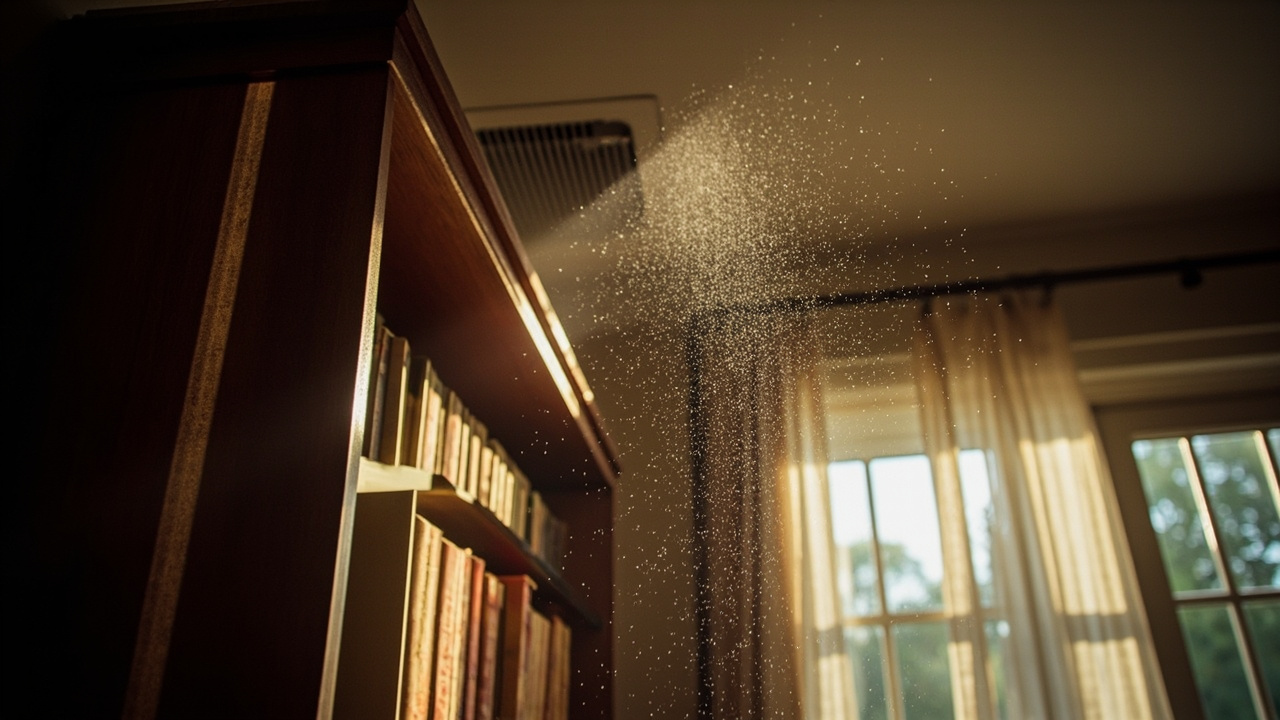
You vacuum on Monday. By Wednesday, a visible layer of dust coats your furniture again. By Friday, you see particles floating in the sunlight streaming through your windows. This is not normal wear and tear.

Memphis's geography makes this problem worse than in most cities. The Mississippi River floodplain creates high humidity that causes dust to clump and settle faster. When humidity levels stay above 60 percent for weeks at a time, airborne particles get heavier and drop onto every surface in your home. The clay-heavy soil common throughout Shelby County becomes fine particulate matter during dry spells, and your HVAC system pulls it indoors through leaky ductwork.

Too much dust in home environments usually signals one of three HVAC failures. Your air filter might be the wrong MERV rating for your system, allowing particles to circulate freely. Your return air vents could be improperly sealed, pulling unfiltered air from your attic or crawlspace. Or your ductwork has developed gaps at the joints, creating negative pressure that sucks dust through wall cavities.

Heavy dust buildup also appears when your blower motor runs at the wrong speed. If it cycles too frequently or runs continuously, it never gives particles time to settle into your filter. Instead, dust recirculates through your home in an endless loop.

The unusually dusty home you are living in right now is making you sick. You are breathing construction debris, insulation fibers, mold spores, and outdoor pollutants that should never enter your living space. Your HVAC system should filter these contaminants out, not spread them around.

Why Memphis Homes Battle Constant Dust Buildup
How We Identify and Eliminate Dust Sources

How We Identify and Eliminate Dust Sources

Generic duct cleaning does not solve excessive house dust problems. You need diagnostic testing to find where the dust originates.

We start with a blower door test to measure your home's air exchange rate. This tells us if you have negative pressure issues pulling unfiltered air into your living space. Homes built before 2000 in the Cooper-Young and Midtown neighborhoods often have this problem because builders did not seal ductwork to modern standards.

Next, we inspect every supply and return register with a borescope camera. This flexible tool lets us see inside your ductwork without tearing open walls. We look for disconnected joints, crushed flex duct, and biological growth. We also check if your return air pathways are adequate for your system size. Undersized returns create suction that pulls dust through every crack in your building envelope.

We test your filter pressure drop with a manometer. If your current filter restricts airflow too much, your system pulls air around the filter frame instead of through the media. This bypassing renders your filtration useless and explains why you see constant dust in house despite changing filters monthly.

We measure supply air velocity at each register. Unbalanced airflow means some rooms get blasted with high-velocity air that stirs up settled dust, while other rooms barely receive conditioned air. This imbalance often comes from improper damper settings or crushed ductwork in your attic.

After diagnostics, we seal duct leaks with mastic compound, not tape. We upgrade your filter housing to accept thicker pleated filters. We install additional return pathways if needed. We balance your system so every room receives proper airflow without creating dust storms.

What Happens During Your Dust Elimination Service

Excess Dust in Home in Memphis – Expert Diagnosis and Permanent Solutions
01

Comprehensive System Assessment

We arrive with diagnostic equipment to test air pressure, ductwork integrity, and filter performance. You walk us through your home and point out which rooms accumulate heavy dust buildup fastest. We use thermal imaging to spot hidden air leaks behind walls and in ceiling cavities. This assessment typically takes 45 to 90 minutes depending on your home's square footage and duct complexity.
02

Targeted Repairs and Upgrades

Based on diagnostic findings, we seal duct joints with approved mastic, install upgraded filter housings, and add return air pathways if your system is starved for airflow. We replace damaged flex duct sections and install balancing dampers where needed. For homes with severe infiltration, we recommend sealing your building envelope before upgrading filtration. This prevents wasting money on expensive filters that cannot overcome massive air leaks.
03

Performance Verification and Education

After repairs, we retest air pressure and register velocities to confirm balanced airflow throughout your home. We show you how to check filter pressure drop and explain which MERV rating works best for your specific equipment. You receive a written report documenting all findings and repairs. Most clients notice dramatically less dust within 72 hours as the system completes several filtration cycles with properly sealed ductwork.

Why Memphis Homeowners Choose Ironwood for Dust Problems

Too many HVAC companies in Memphis treat excessive dust like a simple maintenance issue. They sell you duct cleaning, swap your filter, and leave. Three weeks later, your problem returns because they never identified the root cause.

Ironwood HVAC Memphis takes a diagnostic approach. We invested in calibrated test equipment that measures airflow, pressure differentials, and duct leakage rates. This equipment costs tens of thousands of dollars and requires ongoing calibration, which is why most competitors skip this step. But you cannot fix what you have not properly diagnosed.

We understand Memphis building construction. Homes in East Memphis built during the 1970s expansion often have ductwork running through vented attics, creating severe temperature swings that cause duct tape to fail and joints to separate. Historic homes in Central Gardens have plaster walls that create dust when your HVAC system vibrates poorly mounted ductwork. New construction in Cordova frequently has flex duct crushed under blown insulation, reducing airflow by 40 percent or more.

Our technicians receive ongoing training in building science, not just equipment repair. We understand how air pressure, humidity, and filtration interact to either clean your indoor air or contaminate it. This knowledge separates us from companies that only know how to replace parts.

We also respect your home. Our technicians use drop cloths, wear boot covers, and clean up completely after every service call. When we access your attic or crawlspace, we leave it exactly as we found it. Many of our clients comment that they barely knew we were there except for the dramatic reduction in dust.

You deserve an HVAC company that solves problems permanently instead of creating service dependencies. That is what we deliver.

What to Expect When You Call Ironwood

Fast Scheduling for Dust Assessments

We typically schedule diagnostic appointments within 48 hours of your call. Dust problems are not true emergencies like refrigerant leaks or failed compressors, but we understand the frustration of living in an unusually dusty home. We block out adequate time for thorough assessment rather than rushing through appointments. Morning slots fill quickly during spring and fall when temperature swings make dust issues more obvious, so calling early in the week improves your scheduling options.

Thorough Diagnostic Testing

Our assessment includes blower door testing, duct leakage measurement, filter pressure drop analysis, and airflow balancing verification. We document everything with photos and measurements so you see exactly what we found. We explain which issues contribute most to your constant dust in house and prioritize repairs by impact and cost. You receive a written report within 24 hours that breaks down recommended repairs into immediate needs versus long-term improvements.

Measurable Results After Repairs

After we seal ductwork and optimize your system, you should notice less dust accumulation within three days. We measure success by retesting your system and documenting improved performance numbers, not by subjective observations alone. Your filter should stay cleaner longer because your system is no longer pulling unfiltered air through gaps and cracks. Most clients report cutting their dusting frequency in half or better after our repairs.

Ongoing Maintenance Support

Duct sealing and system optimization are not maintenance items that require annual renewal. Once we seal your ductwork with mastic, those repairs last for decades. We do recommend seasonal maintenance visits to check filter condition, verify balanced airflow, and catch small issues before they become problems. Our maintenance members receive priority scheduling and discounted diagnostic testing if new dust issues develop. We also provide filter recommendations specific to your system and teach you how to monitor performance between visits.

Frequently Asked Questions

You Have Questions,
We Have Answers

Why do I get so much dust in my house? +

Excess dust usually points to your HVAC system. Dirty air filters restrict airflow and push dust back into rooms. Leaky ductwork in attics or crawlspaces pulls in insulation fibers and outdoor particles. Memphis homes face high humidity, which clumps dust and makes it settle faster on surfaces. Poor sealing around windows and doors lets pollen and dirt inside. Old carpets trap and release dust with every step. Your furnace or AC blower motor can also circulate particles if the system lacks proper filtration. Check your filter monthly and inspect ducts for gaps or tears.

Do air purifiers actually reduce dust? +

Yes, but only if matched to your room size and used correctly. Air purifiers with HEPA filters trap particles down to 0.3 microns, which includes most household dust, pollen, and pet dander. They work best in enclosed spaces where air circulates through the unit multiple times per hour. In Memphis, where humidity and pollen counts spike, purifiers help reduce airborne particles but cannot fix duct leaks or dirty HVAC filters. Run the purifier continuously on medium speed and replace filters as directed. Purifiers supplement your HVAC system but do not replace proper duct sealing or filtration.

Is it unhealthy to live in a dusty house? +

Yes. Dust contains allergens, mold spores, dust mites, and particulate matter that trigger respiratory issues. Prolonged exposure worsens asthma, causes chronic coughing, and irritates eyes and skin. In Memphis, high humidity feeds dust mites, which thrive in bedding and upholstery. Children and elderly adults face higher risk. Dust also carries volatile organic compounds from cleaning products and building materials. If you notice frequent sneezing, congestion, or itchy eyes indoors, your dust levels exceed healthy thresholds. Address the source by improving ventilation, sealing ducts, and upgrading HVAC filtration to protect your family.

What is grandmas' simple trick to eliminate dust? +

The old trick is wiping surfaces with a damp microfiber cloth instead of a dry duster. Dry dusting launches particles back into the air, where they resettle minutes later. A slightly damp cloth traps dust on contact and holds it until you rinse the cloth. Add a drop of dish soap for greasy kitchen dust. This method works on baseboards, ceiling fans, and shelves. In Memphis homes with high humidity, damp wiping also prevents static buildup that attracts dust. Pair this with frequent vacuuming using a HEPA filter vacuum to remove dust from carpets and upholstery.

How do I stop my house from getting so dusty? +

Start with your HVAC system. Replace air filters every 30 days with MERV 11 or higher rated filters. Seal ductwork joints and seams with mastic sealant to stop pulling in attic dust and insulation. Vacuum carpets and rugs twice weekly using a vacuum with a HEPA filter. Wash bedding in hot water weekly to kill dust mites. Reduce clutter, which collects dust on surfaces. In Memphis, keep windows closed during high pollen days and run exhaust fans in bathrooms to control humidity. Check weatherstripping around doors and windows to block outdoor particles from entering.

What are the signs of too much dust? +

Visible dust on surfaces within days of cleaning signals a problem. You might see dust streaks on walls near air vents or gray buildup on ceiling fan blades. Frequent sneezing, watery eyes, or morning congestion indoors points to high airborne dust. Check return air vents for gray film buildup, which means your filter is not catching particles. In Memphis, excessive dust often appears worse in spring and fall when pollen counts rise. If your HVAC runs constantly but rooms stay dusty, suspect duct leaks or a clogged filter restricting airflow.

What is the best device to get rid of dust? +

A whole-home HEPA filtration system integrated into your HVAC provides the most effective dust removal. These systems filter air at the furnace or air handler before it circulates through ducts, capturing particles throughout your home. Portable HEPA air purifiers work well for single rooms but require multiple units for whole-home coverage. In Memphis, where humidity and pollen worsen dust problems, pair filtration with duct sealing and proper ventilation. A professional HVAC inspection identifies whether your system supports upgraded filtration or needs ductwork repairs to stop pulling in attic dust and outdoor particles.

Why is my room still dusty with air purifier? +

Your air purifier only cleans air that passes through it. Dust settles on surfaces faster than the purifier can circulate room air, especially in larger rooms. Dirty purifier filters lose effectiveness and recirculate dust instead of trapping it. Check the filter monthly and replace it per manufacturer guidelines. Position the unit away from walls for better airflow. In Memphis homes, unsealed ducts or dirty HVAC filters push dust into rooms faster than a purifier can remove it. Address the source by sealing ductwork and upgrading your HVAC filter to MERV 11 or higher.

Is there a downside to air purifiers? +

Air purifiers require ongoing filter replacements, which add cost. Units produce low-level noise that bothers light sleepers. Some ionizing models release trace ozone, which irritates lungs at high concentrations. Purifiers work only in enclosed spaces, so open windows reduce effectiveness. In Memphis, high humidity can cause mold growth inside the purifier if filters stay damp. Purifiers also mask underlying problems like duct leaks or dirty HVAC systems. They supplement proper ventilation but do not replace fixing the root cause. Choose HEPA models without ionizers to avoid ozone concerns.

Does vacuuming every day reduce dust? +

Yes, if you use a vacuum with a sealed HEPA filter system. Daily vacuuming removes settled dust before it becomes airborne again. Focus on high-traffic areas, under furniture, and along baseboards where dust accumulates. Vacuums without HEPA filters blow fine particles back into the air through exhaust vents. In Memphis, where humidity makes dust clump and settle faster, daily vacuuming paired with damp mopping hard floors cuts visible dust significantly. Empty vacuum canisters outside to prevent releasing captured dust indoors. This works best when combined with clean HVAC filters and sealed ductwork.

How Memphis Humidity and Soil Conditions Worsen Home Dust Problems

Memphis sits in the Mississippi embayment where high water tables and river proximity keep outdoor humidity above 70 percent for much of the year. This moisture makes airborne dust particles heavier so they settle faster on your furniture and floors. The clay soil throughout Shelby County becomes fine powder during summer dry spells, and your HVAC system pulls this particulate matter indoors through any duct leak or building envelope gap. Homes near construction sites in Collierville and Germantown experience even worse dust infiltration as grading operations pulverize clay into breathable particles that travel for miles on prevailing southwest winds.

Ironwood HVAC Memphis understands these local conditions because we have serviced thousands of homes across every Memphis neighborhood. We know which subdivisions have the worst duct sealing from rushed construction during the 2000s housing boom. We know which historic districts require special care when accessing ductwork hidden behind plaster and lath. Our diagnostic approach accounts for Memphis-specific factors that national chain companies miss completely. When you choose local expertise, you get solutions tailored to the exact conditions your home faces every day.
HVAC Services in The Memphis Area

Ironwood HVAC Memphis proudly serves the entire Memphis community and the surrounding counties. Our team is local, dedicated, and always ready to dispatch quickly to your residential or commercial location. View our central service area on the map below, or contact us directly to confirm if your specific neighborhood falls within our swift response zone. We look forward to bringing you reliable comfort.

Address:
Ironwood HVAC Memphis, 1661 International Dr, Memphis, TN, 38120

Additional Services We Offer

Our news updates

Latest Articles & News from The Blogs

Your home gym in Lakeland should feel energizing, not like a sauna. Yet many Memphis homeowners find their workout spaces…

Why your home gym in Lakeland feels stuffy and how to fix the ventilation

Your home gym in Lakeland should feel energizing, not like a sauna. Yet many Memphis homeowners find their workout spaces…

Choosing an air purifier that actually removes BBQ smoke in your Midtown backyard

Choosing an air purifier that actually removes BBQ smoke in your Midtown backyard Memphis summers bring backyard BBQs but the…

How to stop mice and squirrels from nesting in your outdoor unit in Eads

How to stop mice and squirrels from nesting in your outdoor unit in Eads Pests like mice and squirrels are…

Contact Us

Your dust problem has a specific cause that diagnostic testing will reveal. Call Ironwood HVAC Memphis at (901) 640-3999 to schedule your assessment. We identify the root issue and fix it permanently so you can breathe clean air again.