






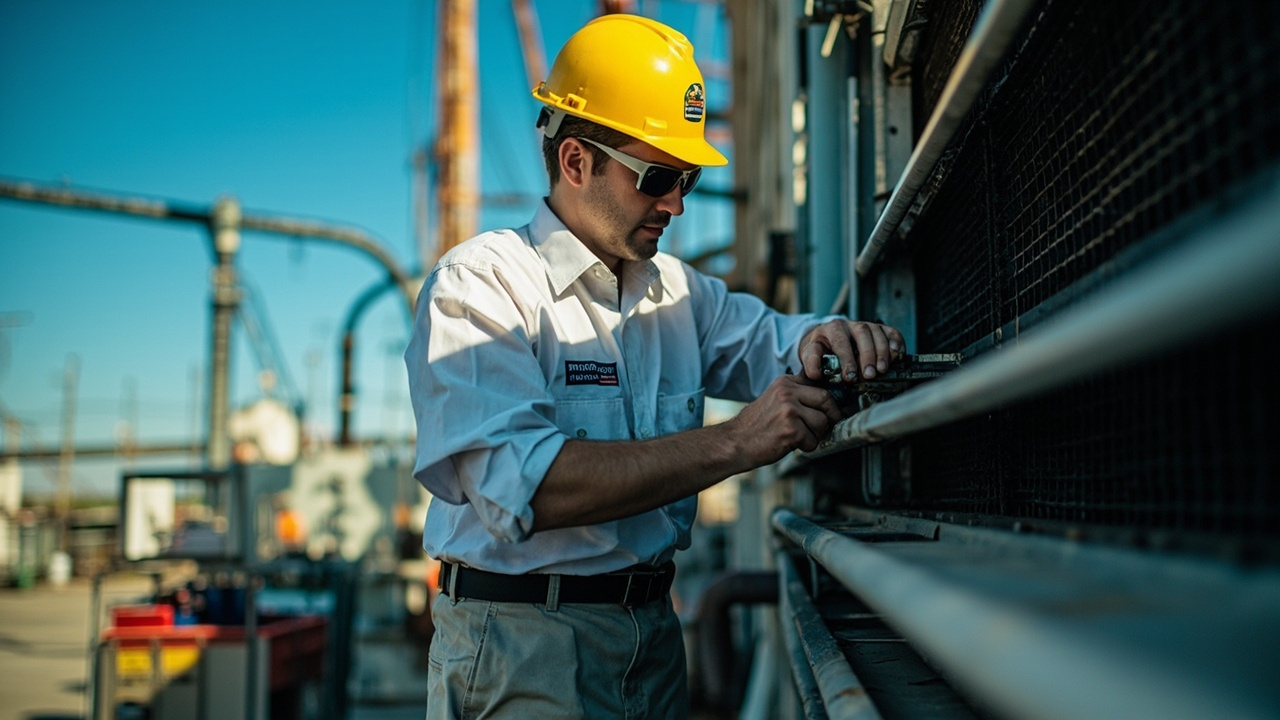
Memphis water comes from the Memphis Sand aquifer, one of the purest natural water sources in the United States. However, commercial facilities often use city water that has picked up minerals from distribution infrastructure. The combination of moderate hardness and high summer humidity creates ideal conditions for biological growth inside cooling towers. Algae and bacteria thrive in warm, wet environments. Left unchecked, biofilm reduces heat transfer efficiency and creates health hazards. Memphis's average summer dewpoint above 70 degrees means cooling towers never fully dry between cycles. This persistent moisture requires aggressive cooling tower cleaning schedules and robust water treatment programs.
Industrial facilities in Memphis face inspection requirements from multiple authorities. The Shelby County Health Department monitors cooling towers for legionella risk. The Tennessee Department of Environment and Conservation regulates water discharge. Local building inspectors verify compliance with mechanical codes. Working with a cooling tower service provider who understands these overlapping jurisdictions prevents compliance issues. We maintain relationships with local inspectors and stay current on regulation changes. Our service documentation meets audit requirements and provides the paper trail needed for permit renewals and insurance compliance.