





menu

Energy Saving Tips for Summer in Memphis – Cut Your Cooling Costs by 30% or More

Memphis homeowners waste hundreds every summer on inefficient cooling. These proven energy saving tips for summer slash your air conditioning bills while keeping your home comfortable during the brutal heat and humidity.

Slider Image 1
Slider Image 2
Slider Image 3
Slider Image 4
Slider Image 5
Slider Image 7
Slider Image 8
Slider Image 9
Slider Image 10
Slider Image 11

Why Memphis Homes Bleed Money Every Summer

Memphis summers hit you with a double punch. The heat climbs past 90 degrees for weeks on end, and the humidity from the Mississippi River turns your air conditioner into a nonstop workhorse. Your system runs 12 to 16 hours daily just to maintain 72 degrees indoors.

The problem gets worse in older homes throughout Midtown and Cooper-Young. These neighborhoods feature beautiful historic architecture, but the original ductwork leaks conditioned air into attics and crawlspaces. Your cooling dollars escape through gaps you cannot see.

High humidity forces your AC to work twice as hard. The system must remove moisture and lower temperature simultaneously. When humidity levels inside your home exceed 60 percent, your air conditioner cycles constantly. This drives up electricity consumption and shortens equipment lifespan.

Most Memphis residents accept high summer utility costs as unavoidable. You resign yourself to bills that double or triple between May and September. The reality is different. Simple changes to how you operate your cooling system and maintain your home can reduce air conditioning bills by 20 to 40 percent without sacrificing comfort.

The key is understanding how Memphis weather creates specific challenges for HVAC efficiency. Ways to lower cooling costs start with addressing the unique conditions we face here. Summer energy efficiency ideas that work in dry climates fail in our humidity. You need strategies designed for the Mid-South climate zone and the specific construction styles common to Shelby County homes.

Why Memphis Homes Bleed Money Every Summer
How to Reduce Summer Energy Consumption Without Losing Comfort

How to Reduce Summer Energy Consumption Without Losing Comfort

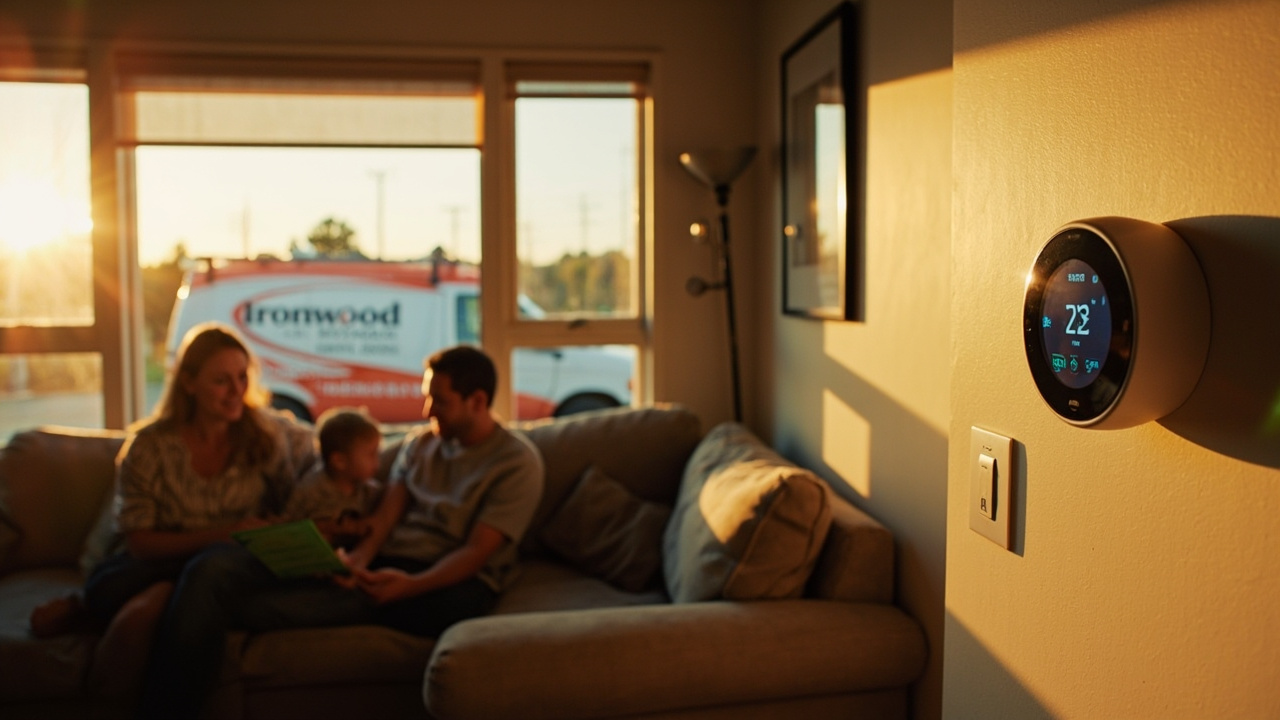
Reducing air conditioning bills begins with your thermostat programming. Set your system to 78 degrees when you are home and awake. Every degree below 78 increases energy consumption by approximately 8 percent. When you leave for work, raise the temperature to 85 degrees rather than turning the system completely off. This prevents your AC from working overtime to recover from extreme indoor heat buildup.

Your air filter impacts efficiency more than any other maintenance task. Replace standard fiberglass filters monthly during cooling season. The delta P across a clogged filter forces your blower motor to consume extra electricity while reducing airflow across the evaporator coil. This creates a cascade of inefficiency throughout the entire refrigeration cycle.

Ceiling fans allow you to raise thermostat settings by 3 to 4 degrees without losing perceived comfort. The wind chill effect makes 78 degrees feel like 74 when air moves across your skin. Run fans counterclockwise during summer months. Turn them off when you leave the room because fans cool people, not spaces.

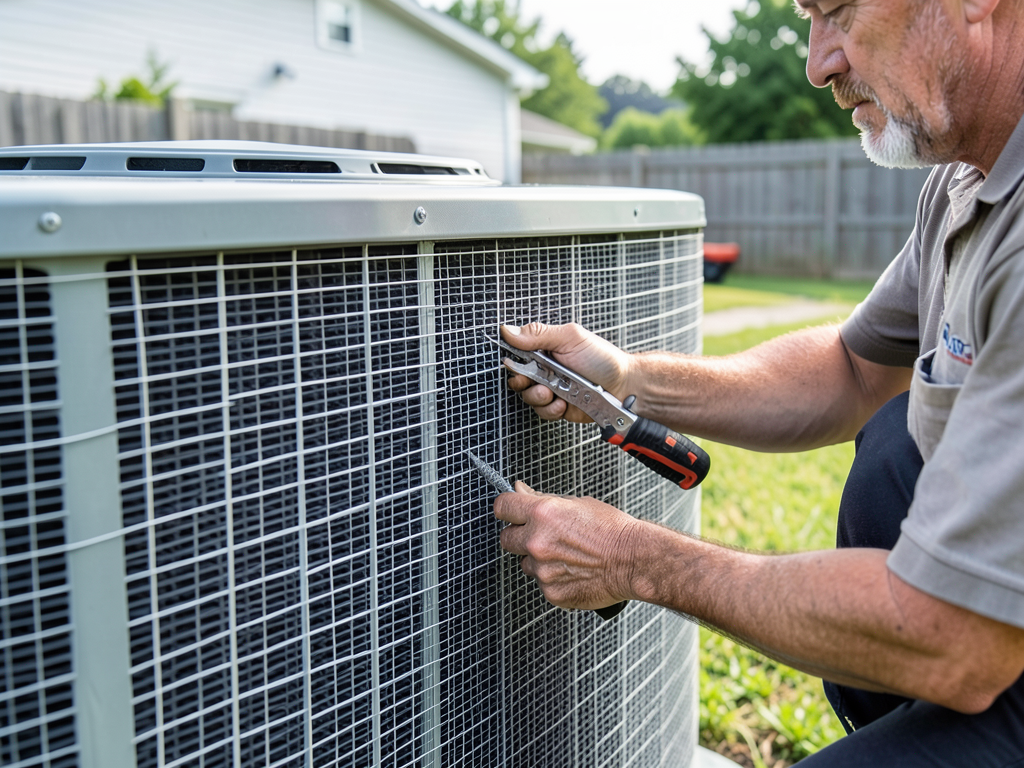
Your outdoor condenser unit needs clearance to reject heat efficiently. Remove vegetation within 24 inches of the unit. Trim back shrubs, pull weeds, and clear fallen leaves from the top grille. When airflow becomes restricted, head pressure rises inside the refrigerant system. Your compressor works harder and draws more amperage to achieve the same cooling output.

Ironwood HVAC Memphis checks superheat and subcooling during maintenance visits to verify your system operates at peak efficiency. These refrigerant measurements reveal problems invisible to homeowners. A system low on refrigerant by just 10 percent can increase operating costs by 20 percent while you remain completely unaware of the issue.

Your Summer Energy Savings Action Plan

Energy Saving Tips for Summer in Memphis – Cut Your Cooling Costs by 30% or More
01

Immediate Changes Today

Start with the fastest wins that require zero investment. Adjust your thermostat up by 2 degrees, close blinds on south and west facing windows during afternoon hours, and verify all supply vents remain fully open throughout your home. Check your air filter and replace it if you see visible dust accumulation. These simple adjustments begin lowering summer utility costs within 24 hours.
02

Weekly Efficiency Checks

Walk your home every Sunday morning during cooling season. Inspect weather stripping around exterior doors for gaps. Feel for air leaks around window frames. Check that your programmable thermostat follows the schedule you set. Look at your condenser unit outside to confirm nothing blocks airflow. Examine exposed ductwork in your attic or basement for disconnected joints or damaged insulation. Catching small problems early prevents expensive efficiency losses.
03

Professional System Optimization

Schedule spring maintenance before Memphis heat arrives in full force. A technician measures airflow, tests capacitors, checks refrigerant charge, and cleans your evaporator coil. These tasks require specialized tools and training you cannot replicate yourself. Systems that receive annual professional maintenance use 15 to 25 percent less electricity than neglected equipment while providing better humidity control and more consistent temperatures throughout your home.

Why Memphis Homeowners Trust Local HVAC Expertise

National HVAC companies send technicians who learned their trade in Arizona or Michigan. They lack experience with the specific challenges Memphis humidity creates. Your system needs different refrigerant pressures, different airflow calculations, and different humidity control strategies than homes in dry or cold climates require.

Homes in East Memphis and Germantown often feature zoned systems with multiple thermostats controlling different areas. These complex installations require technicians who understand how to balance airflow between zones while maintaining proper static pressure throughout the ductwork. Improper zoning setup wastes massive amounts of energy as different zones fight each other for conditioned air.

Memphis building codes updated significantly in 2018 regarding duct sealing requirements. If you live in an older home, your ductwork likely fails to meet current efficiency standards. Duct leakage testing reveals where you lose the most conditioned air. Sealing these leaks can improve system efficiency by 30 percent or more, but only if the technician understands proper mastic application and return air pathway requirements.

Ironwood HVAC Memphis has serviced homes throughout Shelby County since our founding. We understand how the clay soil affects foundation settlement and creates duct disconnections in crawlspaces. We know which neighborhoods feature undersized ductwork from 1970s construction booms. We recognize the signs of insufficient attic insulation common in pre-1990 homes across Bartlett and Collierville.

This local knowledge translates directly into better recommendations for lowering your summer energy costs. We do not offer generic advice from a corporate manual. We provide specific solutions based on your home's construction style, age, and location within the Memphis metro area.

What You Should Know Before Implementing Energy Saving Strategies

Timeline for Results

Simple behavioral changes produce immediate savings you will notice on your next utility bill. Thermostat adjustments, filter changes, and window management cost nothing but deliver measurable results within days. Equipment upgrades and home improvements require longer payback periods. Adding attic insulation or sealing ductwork might take two to three cooling seasons to recover your investment through reduced bills. Professional system optimization through maintenance delivers returns within the same summer. You recoup the service cost through improved efficiency before temperatures drop in October.

How to Identify Your Biggest Waste

Not every home wastes energy the same way. A blower door test measures total air leakage through your building envelope. Thermal imaging cameras reveal where insulation has settled or moisture has compromised R-value. Duct pressure testing quantifies how much conditioned air escapes before reaching your living spaces. These diagnostic tools pinpoint where you lose the most money. Guessing wastes time and capital on improvements that deliver minimal returns. Accurate testing directs your investment toward fixes that produce the largest savings for your specific home and cooling system.

Expected Comfort Improvements

Energy efficiency improvements almost always enhance comfort simultaneously. Better insulation creates more stable temperatures with fewer hot spots. Sealed ductwork delivers stronger airflow to distant rooms. Properly charged refrigerant systems dehumidify more effectively while cycling less frequently. You should notice fewer temperature swings between rooms, lower indoor humidity levels, and reduced noise from constant equipment operation. If an efficiency upgrade makes your home less comfortable, something went wrong with the implementation. Quality work improves both economy and livability at the same time.

Maintenance Plans and Ongoing Support

Energy savings compound when you maintain gains year after year. A maintenance agreement ensures your system receives spring tune-ups before cooling season begins and fall checkups before heating demands arrive. Scheduled maintenance catches small efficiency losses before they become expensive problems. Dirty coils, failing capacitors, and refrigerant leaks all gradually increase operating costs. Regular service prevents this efficiency decay. You lock in the savings you achieved through initial improvements rather than watching them erode over time through neglect.

Frequently Asked Questions

You Have Questions,
We Have Answers

How can we save energy in summer? +

You save energy in summer by raising your thermostat to 78 degrees when home and higher when away. In Memphis, our high humidity makes your AC work harder, so seal air leaks around windows and doors. Change your air filter monthly during peak cooling season. Use ceiling fans to circulate air and allow you to raise the thermostat a few degrees without losing comfort. Close blinds during peak sun hours to block heat gain. Schedule annual HVAC maintenance before summer hits to keep your system running efficiently in our brutal heat.

What are the 5 P's of energy conservation? +

The 5 P's of energy conservation are People, Process, Product, Plant, and Performance. People means getting everyone in your household committed to saving energy. Process refers to daily habits like turning off lights and adjusting thermostats. Product involves choosing energy-efficient appliances and equipment. Plant relates to your home's physical infrastructure, like insulation and windows. Performance means tracking your energy use through utility bills to measure results. In Memphis homes, focusing on Process and Product delivers the biggest summer savings because cooling costs dominate your electric bill.

Does keeping the AC at 72 save money? +

Keeping your AC at 72 degrees does not save money in Memphis. You waste energy fighting our oppressive summer heat and humidity. Each degree below 78 increases your cooling costs by roughly 6 to 8 percent. Set your thermostat to 78 when home and 82 to 85 when away. Install a programmable or smart thermostat to automate these changes. You feel comfortable at higher temps when you use ceiling fans to move air. Most Memphis families see significant savings by raising their thermostat just a few degrees during peak summer months.

What runs your electric bill up the most? +

Your air conditioning system runs your electric bill up the most in Memphis, accounting for 40 to 60 percent of summer energy costs. Our humid subtropical climate forces AC units to run almost constantly from June through September. Water heating takes second place at 12 to 18 percent of annual energy use. Refrigerators, washers, dryers, and dishwashers follow behind. Old, inefficient HVAC systems drain even more money. If your AC unit is over 10 years old or struggles to cool your home, you likely pay far more than necessary each month.

What is the 3 minute rule for AC? +

The 3 minute rule for AC means you wait at least 3 minutes after your unit shuts off before restarting it. This delay prevents compressor damage from short cycling. When you restart too quickly, refrigerant pressure has not equalized, forcing your compressor to work against high head pressure. This strains the motor and shortens equipment life. Most modern thermostats build in this delay automatically. In Memphis, where AC units run constantly during summer, protecting your compressor from premature failure saves you thousands in replacement costs.

What are 10 ways to save energy? +

Ten ways to save energy include raising your thermostat to 78 degrees, using ceiling fans, sealing air leaks, changing air filters monthly, closing blinds during peak sun, washing clothes in cold water, air-drying dishes, unplugging devices when not in use, switching to LED bulbs, and scheduling annual HVAC maintenance. In Memphis, prioritize AC efficiency since cooling dominates summer energy use. Add attic insulation if you have less than R-30 to reduce heat transfer. Install a programmable thermostat to automatically adjust temperatures when you leave home or sleep.

What are 10 examples of conservation of energy? +

Ten examples of conservation of energy include turning off lights when leaving rooms, unplugging phone chargers after use, running full loads of laundry, using a microwave instead of an oven, taking shorter showers, setting your water heater to 120 degrees, switching to LED bulbs, using power strips to eliminate phantom loads, opening windows on cool Memphis evenings instead of running AC, and running ceiling fans counterclockwise in summer. Small daily habits compound over time. Memphis families who adopt these practices typically reduce summer energy bills by 15 to 25 percent.

What are 5 ways to save electricity? +

Five ways to save electricity are raising your thermostat to 78 degrees, switching to LED lighting, unplugging devices when not in use, running appliances during off-peak hours, and maintaining your HVAC system. In Memphis, your AC consumes the most power, so focus there first. Replace old thermostats with programmable models. Clean your outdoor condenser coils each spring to improve efficiency. Seal ductwork leaks in your attic and crawlspace where conditioned air escapes. These targeted actions deliver measurable results on your monthly MLGW statement during brutal summer months.

What appliances use the most energy? +

Air conditioning uses the most energy in Memphis homes, followed by water heaters, refrigerators, washers and dryers, electric ovens, and dishwashers. Your HVAC system accounts for up to 60 percent of summer electric bills. Older refrigerators running 24/7 consume significant power. Electric water heaters rank high because they maintain temperature constantly. Pool pumps drain energy if you run them longer than needed. Resist the urge to lower your thermostat below 78 degrees. Even a few degrees makes a massive difference in how hard your AC works against Memphis heat and humidity.

What is the $5000 AC rule? +

The $5000 AC rule is a guideline for deciding whether to repair or replace your air conditioner. You multiply the repair cost by the age of your unit. If the result exceeds $5000, replace the system instead of repairing it. For example, a $400 repair on a 10-year-old unit equals $4000, so repair makes sense. A $600 repair on a 12-year-old unit equals $7200, so replacement is smarter. In Memphis, where AC units work overtime, apply this rule conservatively since older systems lose efficiency and drive up operating costs year after year.

How Memphis Heat and Humidity Triple Your Cooling Costs

Memphis ranks among the most challenging climates in the United States for air conditioning efficiency. We combine southwestern heat with southeastern humidity. Your cooling system must combat 95-degree temperatures and 70 percent relative humidity simultaneously throughout July and August. This creates an enthalpy load that exceeds what systems face in either hot-dry climates or cool-humid climates. The dewpoint regularly reaches 75 degrees, which means your AC removes gallons of water daily from indoor air. This moisture removal consumes significant energy beyond simple temperature reduction. Homes near the Wolf River or Mississippi River face even higher ambient humidity that infiltrates through building envelopes constantly.

Memphis HVAC contractors understand these local conditions because we live here too. Our trucks sit in the same summer heat. Our families pay the same high utility bills when systems run inefficiently. This shared experience drives us to find solutions that actually work in Mid-South conditions rather than repeating advice designed for other climate zones. We size equipment using local weather data from Memphis International Airport. We calculate duct sizing based on typical home construction methods used by Shelby County builders. We recommend humidity control strategies proven effective in homes throughout Germantown, Collierville, and Cordova rather than generic national guidelines that fail here.
HVAC Services in The Memphis Area

Ironwood HVAC Memphis proudly serves the entire Memphis community and the surrounding counties. Our team is local, dedicated, and always ready to dispatch quickly to your residential or commercial location. View our central service area on the map below, or contact us directly to confirm if your specific neighborhood falls within our swift response zone. We look forward to bringing you reliable comfort.

Address:
Ironwood HVAC Memphis, 1661 International Dr, Memphis, TN, 38120

Additional Services We Offer

Our news updates

Latest Articles & News from The Blogs

Your home gym in Lakeland should feel energizing, not like a sauna. Yet many Memphis homeowners find their workout spaces…

Why your home gym in Lakeland feels stuffy and how to fix the ventilation

Your home gym in Lakeland should feel energizing, not like a sauna. Yet many Memphis homeowners find their workout spaces…

Choosing an air purifier that actually removes BBQ smoke in your Midtown backyard

Choosing an air purifier that actually removes BBQ smoke in your Midtown backyard Memphis summers bring backyard BBQs but the…

How to stop mice and squirrels from nesting in your outdoor unit in Eads

How to stop mice and squirrels from nesting in your outdoor unit in Eads Pests like mice and squirrels are…

Contact Us

You do not need to suffer through another expensive Memphis summer. Call Ironwood HVAC Memphis at (901) 640-3999 today. We will evaluate your system, identify your biggest efficiency losses, and create a custom plan that cuts your cooling costs without sacrificing comfort.