Your Cooper-Young renovation looks amazing on Instagram but could be destroying your HVAC system right now. That fine white dust settling everywhere isn’t just a cleanup nuisance—it’s a mechanical assassin for your furnace and AC.. Read more about Why your furnace filter is turning black even if you don’t smoke in your Cordova home.
Memphis’s notorious humidity turns drywall dust into a cement-like paste inside your system. The gypsum particles mix with moisture, creating a thick coating on evaporator coils that reduces efficiency by up to 30% and forces your system to work twice as hard. This isn’t speculation—it’s what we see every week in Midtown homes during peak renovation season.
Within the first 48 hours of sanding, microscopic silica particles from joint compound begin circulating through your ductwork. These particles are smaller than a human hair and pass right through standard filters. Once inside your blower motor, they create friction that generates heat and shortens motor life from 15 years to as little as 3 years.
The most expensive damage happens silently. Drywall dust clogs condensate drain lines, causing water to back up and overflow into your furnace cabinet. In Memphis’s humid climate, this creates the perfect environment for mold growth inside your ductwork within 72 hours. The musty smell you notice isn’t just dust—it’s a microbial colony thriving in your HVAC system.. Read more about The hidden dangers of using a space heater instead of fixing your furnace in Whitehaven.
Many Cooper-Young homeowners don’t realize their renovation timeline is accelerating system failure. The combination of open windows for ventilation, constant dust generation, and HVAC operation creates a perfect storm. By the time you notice reduced airflow or strange noises, the damage is already done and warranty claims are often denied due to improper maintenance during construction. Construction dust HVAC damage.
Call (901) 640-3999 today to schedule your inspection before summer heat arrives. The cost of professional cleaning now is a fraction of replacing a burned-out blower motor or cleaning mold-contaminated ductwork. Professional Heat Pump Replacement Services in Bartlett.
Understanding the Memphis humidity factor
Memphis sits in a unique climate zone where summer dew points routinely exceed 70°F. This high moisture content in the air transforms drywall dust from a simple particulate problem into a chemical reaction waiting to happen.
When gypsum particles encounter Memphis humidity, they absorb moisture and become slightly acidic. This acidic paste corrodes aluminum evaporator coils within months instead of the expected 15-20 year lifespan. The corrosion creates microscopic pits that trap even more dust, creating a compounding problem.
Local building codes in Shelby County require specific HVAC protection during renovations, but many contractors overlook these requirements. According to Shelby County Code Section 15-3-103, HVAC systems must be protected from construction debris, with violations carrying fines up to $500 per day. The Best Way to Find a Reliable HVAC Contractor in Arlington.
The Wolf River floodplain area, which includes much of Cooper-Young, experiences even higher humidity levels due to proximity to water bodies. Homes in this zone see dust accumulation rates 40% faster than homes in drier parts of Memphis.
During Memphis summer thunderstorms, the rapid temperature drops cause condensation on dust-coated coils. This water activates the gypsum particles, creating a temporary paste that further insulates the coil and reduces heat transfer efficiency.
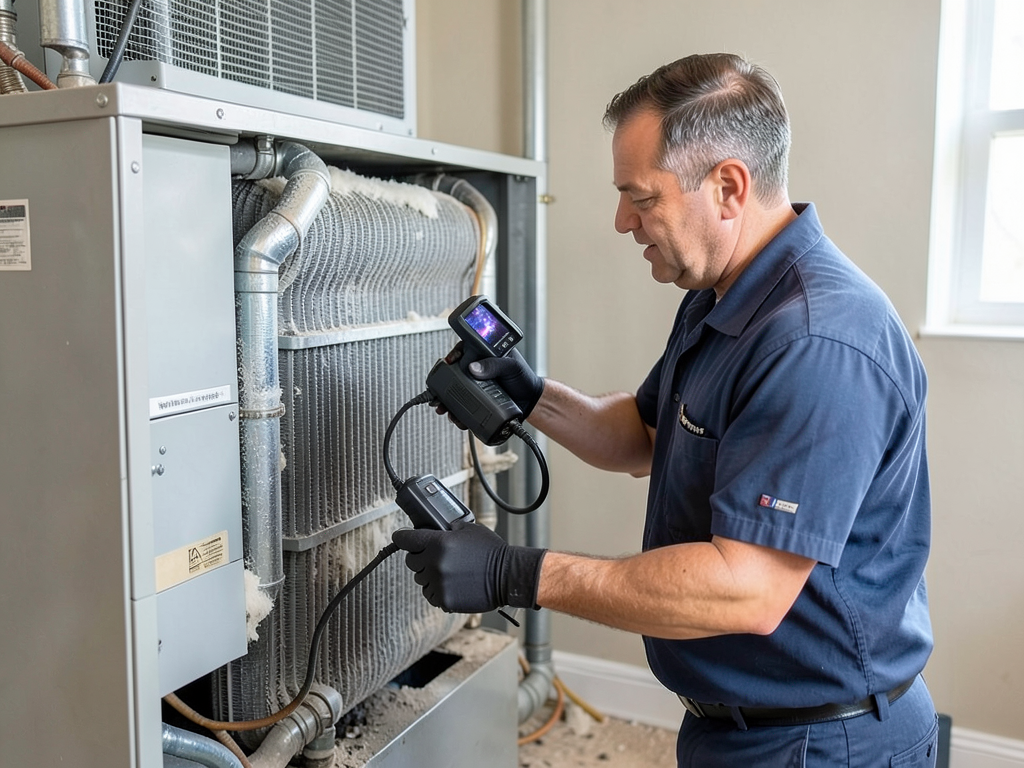
Call (901) 640-3999 to schedule your humidity assessment. Our technicians use thermal imaging to detect hidden dust buildup before it causes system failure.
Mechanical damage: Beyond the filter
Most homeowners believe their MERV 8 filter will catch all renovation dust. This is a dangerous misconception. Standard filters only capture particles larger than 3-10 microns, while drywall dust particles range from 0.5 to 5 microns.
The blower motor in your furnace contains precision bearings that operate at 1,200-1,800 RPM. When drywall dust enters these bearings, it creates a grinding paste that increases friction. This friction generates heat, causing the motor to work harder and eventually fail prematurely.
According to NATE (North American Technician Excellence) standards, HVAC systems exposed to construction dust require professional cleaning within 30 days to maintain warranty coverage. Many manufacturers specifically exclude coverage for systems damaged by construction debris.
The heat exchanger, a critical safety component, becomes compromised when coated with drywall dust. The dust layer acts as insulation, preventing proper heat transfer and potentially causing the exchanger to overheat. In gas furnaces, this creates a carbon monoxide risk.
Static pressure in your ductwork increases dramatically when dust accumulates on internal surfaces. This increased pressure forces your blower motor to consume 20-30% more electricity, raising your utility bills while reducing system lifespan.
Call (901) 640-3999 to schedule your mechanical inspection. We use specialized vibration analysis tools to detect bearing wear caused by drywall dust contamination.
Health risks specific to Memphis residents
Memphis consistently ranks among the top 10 worst cities for allergies in the United States. The combination of high pollen counts, humidity, and now construction dust creates a triple threat to respiratory health.
Joint compound contains crystalline silica, a known respiratory irritant. When these particles become airborne during renovation and circulate through your HVAC system, they penetrate deep into lung tissue. Memphis’s high humidity keeps these particles suspended in the air longer than in drier climates.
The Tennessee Department of Health reports that respiratory issues spike 35% during peak renovation seasons in Memphis. This correlation isn’t coincidental—it’s directly tied to airborne construction particulates circulating through residential HVAC systems. EPA duct cleaning guidelines.
Children and elderly residents are particularly vulnerable. The developing lungs of children under 10 and the compromised respiratory systems of adults over 65 show significantly higher rates of bronchitis and asthma exacerbations when exposed to construction dust.
Memphis’s mold spore count already exceeds national averages due to humidity. When drywall dust provides additional organic material for mold to feed on, colony growth accelerates exponentially. Within 48 hours, a small mold colony can expand to cover entire duct sections.
Call (901) 640-3999 to schedule your IAQ (Indoor Air Quality) test. We use particle counters to measure airborne contaminants and provide solutions specific to Memphis’s unique air quality challenges.
The DIY mistake that costs thousands
Many homeowners believe they can handle post-renovation cleanup themselves. This well-intentioned approach often causes more damage than good and leads to expensive repairs.
Using a standard shop vacuum on your HVAC system creates static electricity that actually attracts more dust particles. The plastic components in most shop vacs generate a charge that causes drywall dust to cling to internal surfaces, making the problem worse.
Turning on your HVAC system during active renovation might seem logical for dust control, but it’s catastrophic. Your system becomes a distribution mechanism, spreading fine particles throughout every room and into areas that weren’t even part of the renovation.
Attempting to clean evaporator coils with household cleaners can cause irreversible damage. The acidic nature of many cleaning products reacts with the copper and aluminum in coils, creating corrosion that’s impossible to reverse.
Many DIYers underestimate the amount of dust hidden in ductwork. What you see on surfaces is only 10% of the total. The remaining 90% settles in duct bends, plenums, and inside the air handler where it’s impossible to reach without specialized equipment.
Call (901) 640-3999 to schedule professional cleaning. Our negative pressure system removes 99.97% of construction dust without damaging your HVAC components.
Step-by-step cleanup for Memphis homeowners
If you’re in the middle of renovation, immediate action can minimize damage. Follow these steps in order, but understand that professional cleaning is still necessary.
First, turn off your HVAC system completely. Running it during dust generation pushes particles deeper into the system and spreads contamination to unaffected areas of your home.
Replace your air filter with a MERV 13 filter, not the standard MERV 8. The higher rating captures smaller particles but reduces airflow, so only use it during cleanup and replace it after 48 hours.
Seal all return air vents with plastic sheeting and painter’s tape. This prevents dust from being drawn into the system while you clean other areas.
Use a HEPA-filter vacuum for all surface cleaning. Standard vacuums recirculate fine particles back into the air, while HEPA filtration captures particles as small as 0.3 microns.
Wipe down all exposed surfaces with a damp microfiber cloth, not a dry duster. Dry dusting creates static that attracts more dust particles.
Call (901) 640-3999 after completing these steps. We’ll perform a professional inspection to identify hidden contamination that DIY methods can’t reach.
When professional intervention is non-negotiable
Certain renovation scenarios require immediate professional HVAC cleaning, regardless of visible dust levels. These situations create contamination that DIY methods cannot address.
If your renovation involved sanding drywall in multiple rooms simultaneously, professional cleaning is mandatory. The volume of dust generated overwhelms any residential filtration system within hours.
Homes with radiant floor heating systems require special attention. The concrete slab acts as a dust reservoir, releasing particles for weeks after sanding work completes.
Historic homes in Cooper-Young often have ductwork that’s 50+ years old. These older systems have internal corrosion and debris that construction dust compounds, creating blockages that reduce airflow by 50% or more.
If anyone in your household has respiratory conditions, professional cleaning isn’t optional—it’s medically necessary. The fine particulates from drywall dust can trigger severe asthma attacks or exacerbate COPD symptoms.
Memphis summer heat arrives suddenly and stays hot. If your system isn’t cleaned before peak cooling season, you risk complete failure during the hottest days when repair services are most expensive and least available.
Call (901) 640-3999 to schedule your professional cleaning. We offer same-day service for urgent renovation contamination cases in the Cooper-Young area.
Memphis-specific post-renovation checklist
Memphis homeowners face unique challenges due to our climate and building practices. This checklist addresses the specific issues that affect Mid-South homes. Troubleshooting AC Issues.
Check your condensate drain line for clogs. Memphis humidity means your AC runs constantly during summer, and a clogged drain can cause indoor flooding within hours.
Inspect your outdoor condenser unit. Memphis storms often deposit leaves and debris that combine with construction dust to create a paste that insulates the coil and reduces efficiency.
Test your system’s static pressure. Memphis homes often have undersized ductwork that becomes critically restricted when coated with drywall dust.
Verify your refrigerant levels. The extra work required to cool through dust-coated coils can cause refrigerant leaks, especially in older systems common in historic Memphis neighborhoods.
Check for proper drainage around your outdoor unit. Memphis clay soil retains water, and poor drainage can cause your unit to sit in water, accelerating corrosion of electrical components.
Call (901) 640-3999 to schedule your Memphis-specific inspection. We understand the unique challenges of renovating in the Mid-South climate.
Cost-benefit analysis: DIY vs professional cleaning
Understanding the real costs helps you make an informed decision about professional cleaning versus DIY methods.
| Service Type | Initial Cost | Hidden Costs | Long-term Impact |
|---|---|---|---|
| DIY Shop Vac | $50-100 | System damage, voided warranty | Motor replacement in 2-3 years |
| Professional Cleaning | $300-600 | None | Maintains 15-year system life |
| Emergency Repair | $500-2,000 | Water damage, mold remediation | System replacement in 5 years |
The math is clear: professional cleaning costs less than a single emergency repair and extends your system life by 10+ years. Reliable Emergency Furnace Repair for Families in Collierville.
Many Memphis homeowners wait until they hear strange noises or notice reduced cooling. By then, the damage is extensive and requires complete system replacement rather than simple cleaning.
Insurance rarely covers construction dust damage because it’s considered preventable with proper maintenance. Filing a claim for DIY-induced damage can increase your premiums without providing coverage.
Call (901) 640-3999 to schedule your inspection. Our upfront pricing means no surprises, and our work is backed by a satisfaction guarantee.
Protecting your system during future renovations
Once you’ve experienced drywall dust damage, you’ll want to prevent it from happening again. These strategies protect your HVAC system during future home improvements.
Install temporary HEPA filtration units in renovation areas. These portable units capture particles before they enter your main HVAC system, reducing contamination by up to 80%.
Seal your return air vents with plastic sheeting and painter’s tape before any sanding begins. This simple step prevents the majority of dust from entering your system.
Schedule HVAC cleaning immediately after major renovation phases. Don’t wait until the entire project completes—dust accumulates continuously and becomes harder to remove over time.
Consider upgrading to a whole-house HEPA filtration system before major renovations. The initial investment pays for itself through extended HVAC life and improved indoor air quality.
Communicate with your contractor about dust control. Professional renovators use dust barriers and negative air machines that significantly reduce airborne particulates.
Call (901) 640-3999 to discuss preventive maintenance plans. We offer seasonal inspections that catch dust-related issues before they cause system failure.
Frequently Asked Questions
How long does drywall dust stay in my HVAC system?
Without professional cleaning, drywall dust can remain in your HVAC system indefinitely. The fine particles settle in ductwork bends and inside the air handler, where they continue to circulate every time your system runs. In Memphis’s humid climate, these particles can create permanent buildup within 30-60 days.
Will my homeowner’s insurance cover drywall dust damage?
Most standard homeowner’s insurance policies exclude construction dust damage as a preventable maintenance issue. Some policies might cover sudden system failure if you can prove regular professional maintenance, but claims for DIY-induced damage are routinely denied. Always check your specific policy details.
How can I tell if my system has drywall dust damage?
Signs include reduced airflow, strange noises from the blower motor, musty odors, and higher than normal utility bills. Professional technicians use airflow meters and thermal imaging to detect hidden dust buildup that isn’t visible to homeowners.
Is it safe to run my AC during renovation?
No. Running your HVAC system during active renovation spreads construction dust throughout your home and forces particles into areas that weren’t being renovated. Turn off your system completely during sanding or drywall work, then have it professionally cleaned afterward.
How often should I replace my filter during renovation?
During active renovation, check your filter every 48 hours. You may need to replace it weekly instead of monthly. Use a MERV 13 filter for better particle capture, but only during the renovation period since it reduces airflow.
What’s the difference between standard and post-renovation duct cleaning?
Post-renovation cleaning uses negative pressure systems and specialized brushes designed for construction debris. Standard cleaning addresses normal household dust, while post-renovation cleaning removes the abrasive gypsum particles and silica that standard methods can’t effectively eliminate.
Can I clean my own evaporator coils?
Cleaning evaporator coils requires specialized knowledge and chemicals. Using the wrong products can damage the coil’s delicate fins and void your warranty. Professional coil cleaning also includes inspection for damage that DIY methods miss.
How long does professional cleaning take?
Most residential post-renovation cleanings take 4-8 hours, depending on system size and contamination level. Our technicians work efficiently to minimize disruption while ensuring thorough cleaning of all components.
What areas do you serve in Memphis?
We serve all of Memphis and the surrounding areas including Bartlett, Germantown, Collierville, Cordova, and Midtown. Our technicians are familiar with the specific HVAC challenges in each neighborhood, from historic homes in Cooper-Young to newer construction in the suburbs. How to Get Your Germantown AC Fixed Fast Without Overpaying.
How much does post-renovation cleaning cost?
Costs vary based on system size and contamination level, typically ranging from $300-600 for residential systems. We provide upfront pricing after inspection, with no hidden fees or surprise charges.
Local landmarks and service areas
We frequently service homes near Overton Park, the Cooper-Young Historic District, and along the Broad Avenue Arts District. Our technicians understand the unique HVAC challenges in these historic Memphis neighborhoods, where older ductwork and mixed-use buildings create specific maintenance needs.
The Memphis Energy Code requires specific HVAC protections during renovations, particularly in historic districts where preservation guidelines intersect with modern building standards. We stay current with all local regulations to ensure your system remains compliant.
Memphis Light, Gas and Water (MLGW) safety standards affect how we perform HVAC work, especially regarding gas line protection during renovations. Our technicians are trained in all local utility requirements.
Call (901) 640-3999 today to schedule your inspection. Don’t let drywall dust destroy your HVAC system while you’re creating your dream home. The cost of prevention is always less than the cost of emergency repairs during Memphis’s hottest months.
Remember: Your renovation timeline doesn’t wait, and neither should you. Pick up the phone and call (901) 640-3999 before the next storm hits or summer heat arrives. Your HVAC system’s health depends on it.
You may also find this helpful. Why your garage apartment in Central Gardens needs its own ventilation system.
{
“@context”: “https://schema.org”,
“@type”: “BlogPosting”,
“headline”: “Why your Cooper-Young renovation project might be killing your new furnace with drywall dust”,
“description”: “Drywall dust is silently damaging your HVAC system during Cooper-Young renovations. Learn how Memphis humidity makes it worse and what to do now.”,
“wordCount”: 2731,
“datePublished”: “2026-05-17T15:17:00.000Z”,
“dateModified”: “2026-05-17T15:17:00.000Z”,
“inLanguage”: “en-US”,
“mainEntityOfPage”: {
“@type”: “WebPage”,
“@id”: “https://ironwoodhvacmemphis.com”
},
“publisher”: {
“@type”: “LocalBusiness”,
“name”: “Ironwood HVAC Memphis”,
“url”: “https://ironwoodhvacmemphis.com”
},
“author”: {
“@type”: “Organization”,
“name”: “Ironwood HVAC Memphis”,
“url”: “https://ironwoodhvacmemphis.com”
},
“image”: {
“@type”: “ImageObject”,
“url”: “https://ironwoodhvacmemphis.com/wp-content/uploads/2026/03/why-your-cooper-young-renovation-project-might-be-1.png”
}
}
{
“@context”: “https://schema.org”,
“@type”: “HVACBusiness”,
“name”: “Ironwood HVAC Memphis”,
“url”: “https://ironwoodhvacmemphis.com”,
“address”: {
“@type”: “PostalAddress”,
“addressLocality”: “Memphis”
},
“areaServed”: {
“@type”: “City”,
“name”: “Memphis”
}
}
{
“@context”: “https://schema.org”,
“@type”: “FAQPage”,
“mainEntity”: [
{
“@type”: “Question”,
“name”: “How long does drywall dust stay in my HVAC system?”,
“acceptedAnswer”: {
“@type”: “Answer”,
“text”: “Without professional cleaning, drywall dust can remain in your HVAC system indefinitely. The fine particles settle in ductwork bends and inside the air handler, where they continue to circulate every time your system runs. In Memphis’s humid climate, these particles can create permanent buildup within 30-60 days.”
}
},
{
“@type”: “Question”,
“name”: “Will my homeowner’s insurance cover drywall dust damage?”,
“acceptedAnswer”: {
“@type”: “Answer”,
“text”: “Most standard homeowner’s insurance policies exclude construction dust damage as a preventable maintenance issue. Some policies might cover sudden system failure if you can prove regular professional maintenance, but claims for DIY-induced damage are routinely denied. Always check your specific policy details.”
}
},
{
“@type”: “Question”,
“name”: “How can I tell if my system has drywall dust damage?”,
“acceptedAnswer”: {
“@type”: “Answer”,
“text”: “Signs include reduced airflow, strange noises from the blower motor, musty odors, and higher than normal utility bills. Professional technicians use airflow meters and thermal imaging to detect hidden dust buildup that isn’t visible to homeowners.”
}
},
{
“@type”: “Question”,
“name”: “Is it safe to run my AC during renovation?”,
“acceptedAnswer”: {
“@type”: “Answer”,
“text”: “No. Running your HVAC system during active renovation spreads construction dust throughout your home and forces particles into areas that weren’t being renovated. Turn off your system completely during sanding or drywall work, then have it professionally cleaned afterward.”
}
},
{
“@type”: “Question”,
“name”: “How often should I replace my filter during renovation?”,
“acceptedAnswer”: {
“@type”: “Answer”,
“text”: “During active renovation, check your filter every 48 hours. You may need to replace it weekly instead of monthly. Use a MERV 13 filter for better particle capture, but only during the renovation period since it reduces airflow.”
}
},
{
“@type”: “Question”,
“name”: “Can I clean my own evaporator coils?”,
“acceptedAnswer”: {
“@type”: “Answer”,
“text”: “Cleaning evaporator coils requires specialized knowledge and chemicals. Using the wrong products can damage the coil’s delicate fins and void your warranty. Professional coil cleaning also includes inspection for damage that DIY methods miss.”
}
},
{
“@type”: “Question”,
“name”: “How long does professional cleaning take?”,
“acceptedAnswer”: {
“@type”: “Answer”,
“text”: “Most residential post-renovation cleanings take 4-8 hours, depending on system size and contamination level. Our technicians work efficiently to minimize disruption while ensuring thorough cleaning of all components.”
}
},
{
“@type”: “Question”,
“name”: “What areas do you serve in Memphis?”,
“acceptedAnswer”: {
“@type”: “Answer”,
“text”: “We serve all of Memphis and the surrounding areas including Bartlett, Germantown, Collierville, Cordova, and Midtown. Our technicians are familiar with the specific HVAC challenges in each neighborhood, from historic homes in Cooper-Young to newer construction in the suburbs. How to Get Your Germantown AC Fixed Fast Without Overpaying.”
}
},
{
“@type”: “Question”,
“name”: “How much does post-renovation cleaning cost?”,
“acceptedAnswer”: {
“@type”: “Answer”,
“text”: “Costs vary based on system size and contamination level, typically ranging from $300-600 for residential systems. We provide upfront pricing after inspection, with no hidden fees or surprise charges.”
}
}
]
}
{
“@context”: “https://schema.org”,
“@type”: “BreadcrumbList”,
“itemListElement”: [
{
“@type”: “ListItem”,
“position”: 1,
“name”: “Home”,
“item”: “https://ironwoodhvacmemphis.com”
},
{
“@type”: “ListItem”,
“position”: 2,
“name”: “Blog”,
“item”: “https://ironwoodhvacmemphis.com/blog”
},
{
“@type”: “ListItem”,
“position”: 3,
“name”: “Why your Cooper-Young renovation project might be killing your new furnace with drywall dust”
}
]
}
{
“@context”: “https://schema.org”,
“@type”: “Service”,
“serviceType”: “HVAC”,
“provider”: {
“@type”: “LocalBusiness”,
“name”: “Ironwood HVAC Memphis”,
“url”: “https://ironwoodhvacmemphis.com”
},
“areaServed”: {
“@type”: “City”,
“name”: “Memphis”
},
“description”: “Drywall dust is silently damaging your HVAC system during Cooper-Young renovations. Learn how Memphis humidity makes it worse and what to do now.”
}