How to Stop Mildew Growth When Your AC Can’t Keep Up in West Memphis
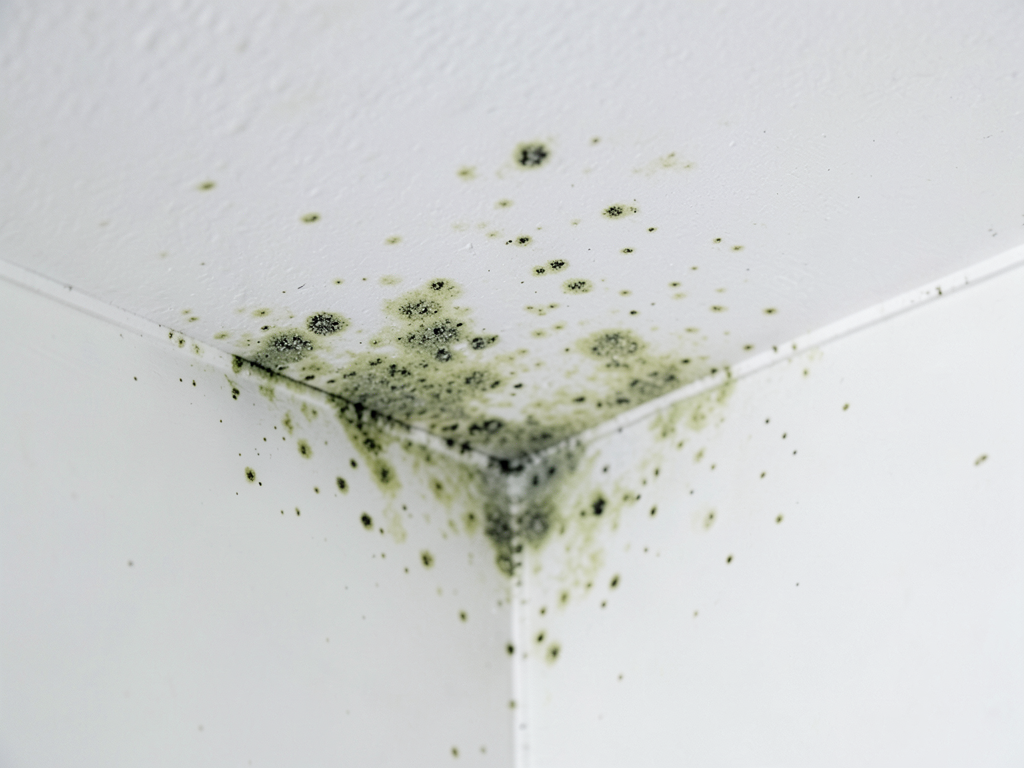
If your West Memphis home feels damp and you notice mildew spots on walls or ceilings, your air conditioner is likely struggling to remove moisture from the humid Mid-South air. The combination of Memphis’s high dew points and oversized AC units creates the perfect environment for mildew growth. This guide explains why your AC can’t keep up and what you can do about it.. Read more about Is a Two-Stage Air Conditioner Worth the Investment in Orange Mound?.
West Memphis experiences some of the highest humidity levels in Tennessee, with summer dew points often exceeding 70 degrees Fahrenheit. When your AC runs in short bursts or can’t extract enough moisture, relative humidity indoors climbs above 60 percent, creating ideal conditions for mildew spores to multiply on surfaces.. Read more about Keeping your Arlington home cool when the Memphis humidity hits 90 percent.
Why Your AC Struggles with Memphis Humidity
Most AC systems are designed to cool air but only remove moisture as a byproduct of the cooling process. In West Memphis, where humidity regularly hits 70-90 percent in the mornings, standard AC units often can’t keep pace with the moisture load. This leads to that clammy feeling even when the temperature reads comfortable.
Common reasons your AC fails as a dehumidifier include oversized units that short cycle, leaking ductwork that draws in humid air, and poor maintenance that reduces coil efficiency. The result is a home that feels cool but still damp, with condensation forming on windows and mildew appearing in corners.
Health and Home Risks of High Indoor Humidity
Beyond the musty smell and unsightly spots, high humidity creates serious problems. Mildew and mold can trigger allergies and asthma, especially problematic in Memphis where pollen counts already challenge respiratory health. Excess moisture also damages wood trim, causes paint to peel, and warps flooring over time.
West Memphis homes with crawl spaces or basements face additional risks. Moisture from the ground combines with humid air to create condensation on ductwork and joists. This hidden dampness often goes unnoticed until mildew spreads or structural wood begins to rot.
Diagnostic Steps: Is Your AC the Problem?
Before calling for service, check these indicators. Use a hygrometer to measure indoor relative humidity; readings above 50 percent suggest your AC isn’t removing enough moisture. Feel for cool air coming from supply vents while the system runs; weak airflow might indicate dirty coils or a failing blower motor.
Inspect your condensate drain line for clogs. A backed-up drain prevents proper water removal and can cause the evaporator coil to ice over, reducing dehumidification. Also check your air filter; a clogged filter restricts airflow and makes the system less effective at moisture removal.
Professional Solutions for Persistent Humidity
If basic troubleshooting doesn’t solve the problem, professional intervention may be necessary. A Manual J load calculation determines if your AC is properly sized. Many West Memphis homes have oversized units installed during construction, which cool quickly but don’t run long enough to remove significant moisture. Professional Heat Pump Replacement Services in Bartlett.
Whole-home dehumidifiers integrated with your HVAC system can remove 70-100 pints of water per day, maintaining ideal 45-50 percent relative humidity. These units work alongside your AC, running when humidity rises even if cooling isn’t needed. This prevents that damp feeling during mild evenings when your AC might not run.
Maintenance Tips to Prevent Mildew Growth
Regular maintenance keeps your system working efficiently. Clean evaporator coils annually to maintain heat transfer and moisture removal capacity. Check and clean condensate drain lines every six months to prevent algae buildup that causes backups.
Seal ductwork leaks with mastic sealant or metal tape. Even small leaks in humid crawl spaces or attics can draw in moist air, overwhelming your AC’s capacity. Consider insulating ducts in unconditioned spaces to prevent condensation on the outside of the ducts.. Read more about Is it Better to Seal Old Air Ducts or Replace Them in Frayser?.
DIY Humidity Control Strategies
While waiting for professional service, several steps can help manage indoor humidity. Run exhaust fans in bathrooms and kitchens during and after use. Take shorter, cooler showers and consider using a bathroom fan timer.
Houseplants release moisture through transpiration. Temporarily moving them outdoors or grouping them in one well-ventilated room can reduce indoor humidity. Also, avoid drying clothes indoors and ensure your dryer vents properly to the outside.
When to Consider System Replacement
If your AC is over 10 years old and struggles with humidity, replacement might be more cost-effective than repeated repairs. Modern variable-speed systems run longer at lower capacities, removing more moisture while maintaining even temperatures. These systems can reduce indoor humidity by 10-15 percent compared to single-speed units. EPA Mold Guide.
Look for units with enhanced dehumidification modes. Some high-efficiency systems include dedicated humidity control that runs the fan slower to maximize moisture removal without excessive cooling. This feature is particularly valuable in West Memphis’s climate.
Cost Considerations for Humidity Control
Installing a whole-home dehumidifier typically costs between $2,500 and $4,500, including professional installation. While this seems expensive, the energy savings from maintaining higher thermostat settings and preventing moisture damage often offset the initial investment within three to five years. Energy Department Air Sealing.
MLGW offers rebates for high-efficiency HVAC equipment and smart thermostats that optimize humidity control. Check their website for current incentives. Also, consider that preventing mildew growth protects your home’s value and avoids costly remediation if mold develops.
Special Considerations for West Memphis Architecture
West Memphis features many mid-century brick ranches and newer suburban homes, each with unique humidity challenges. Older homes often lack proper vapor barriers, allowing ground moisture to enter crawl spaces. Newer constructions with tight envelopes can trap humidity if ventilation isn’t adequate.
Homes near the Mississippi River face additional challenges from river-generated humidity. The constant moisture source means these properties need more robust humidity control than homes in drier parts of Shelby County.
Emergency Steps for Severe Humidity Problems
If you discover active mildew growth or condensation on walls, take immediate action. Use portable dehumidifiers to bring indoor humidity below 60 percent quickly. Clean visible mildew with a solution of one cup bleach per gallon of water, wearing protective gear.
Increase air circulation with fans to help surfaces dry. If the problem persists despite these efforts, professional mold remediation may be necessary to prevent health issues and structural damage. Troubleshooting AC Issues.
Long-term Humidity Management Plan
Develop a comprehensive approach to indoor humidity. Schedule annual HVAC maintenance to ensure optimal performance. Monitor indoor humidity with a hygrometer and aim for 45-50 percent relative humidity year-round.
Consider upgrading to a smart thermostat that monitors humidity and can automatically activate dehumidification modes. These devices learn your patterns and optimize system operation for both comfort and energy efficiency.
Frequently Asked Questions
What humidity level causes mildew growth?
Mildew typically grows when relative humidity exceeds 60 percent for extended periods. The risk increases significantly above 70 percent humidity, especially on organic surfaces like wood, paper, or fabric.
Can I use a portable dehumidifier instead of fixing my AC?
Portable dehumidifiers can help but are less effective than whole-home systems. They require manual emptying, treat only one room, and don’t address the root cause of your AC’s inability to remove moisture.
How much does professional humidity assessment cost?
Most HVAC companies offer free or low-cost humidity assessments when evaluating your system. A comprehensive assessment including Manual J calculations typically costs $150-300 but is often credited toward recommended work.
Will improving insulation help with humidity?
Better insulation helps by reducing the temperature differential between indoor and outdoor air, which can reduce condensation. However, insulation alone won’t solve high humidity problems if your AC can’t remove moisture effectively.
How often should I clean my AC coils for optimal humidity control?
Clean evaporator coils annually, ideally before the cooling season begins. If you have pets or live in a particularly dusty area, consider cleaning every six months to maintain maximum moisture removal efficiency.
Take Control of Your Home’s Humidity Today
Don’t let mildew damage your home and health. If you’re experiencing persistent humidity problems in West Memphis, professional help is just a phone call away. Our technicians understand the unique challenges of the Mid-South climate and can recommend solutions tailored to your specific situation.
Call (901) 640-3999 today to schedule your humidity assessment. We’ll diagnose the problem, explain your options, and help you choose the most cost-effective solution to stop mildew growth and keep your home comfortable year-round. Don’t wait until mildew spreads or causes structural damage. Pick up the phone and call (901) 640-3999 before the next humid Memphis night makes your problem worse.
You may also find this helpful. Why your Mud Island apartment or condo feels damp even when the AC is running.
{
“@context”: “https://schema.org”,
“@type”: “BlogPosting”,
“headline”: “How to Stop Mildew Growth When Your AC Can’t Keep Up in West Memphis”,
“description”: “Struggling with mildew growth in West Memphis? Learn why high humidity overwhelms AC systems and discover effective solutions including dehumidifiers, maintenance tips, and whole-home upgrades.”,
“wordCount”: 1408,
“datePublished”: “2026-03-23T07:34:00.000Z”,
“dateModified”: “2026-03-23T07:34:00.000Z”,
“inLanguage”: “en-US”,
“mainEntityOfPage”: {
“@type”: “WebPage”,
“@id”: “https://ironwoodhvacmemphis.com”
},
“publisher”: {
“@type”: “LocalBusiness”,
“name”: “Ironwood HVAC Memphis”,
“url”: “https://ironwoodhvacmemphis.com”
},
“author”: {
“@type”: “Organization”,
“name”: “Ironwood HVAC Memphis”,
“url”: “https://ironwoodhvacmemphis.com”
},
“image”: {
“@type”: “ImageObject”,
“url”: “https://ironwoodhvacmemphis.com/wp-content/uploads/2026/03/how-to-stop-mildew-growth-when-your-ac-can-t-keep-1.png”
}
}
{
“@context”: “https://schema.org”,
“@type”: “HVACBusiness”,
“name”: “Ironwood HVAC Memphis”,
“url”: “https://ironwoodhvacmemphis.com”,
“address”: {
“@type”: “PostalAddress”,
“addressLocality”: “Memphis”
},
“areaServed”: {
“@type”: “City”,
“name”: “Memphis”
}
}
{
“@context”: “https://schema.org”,
“@type”: “FAQPage”,
“mainEntity”: [
{
“@type”: “Question”,
“name”: “Diagnostic Steps: Is Your AC the Problem?”,
“acceptedAnswer”: {
“@type”: “Answer”,
“text”: “Before calling for service, check these indicators. Use a hygrometer to measure indoor relative humidity; readings above 50 percent suggest your AC isn’t removing enough moisture. Feel for cool air coming from supply vents while the system runs; weak airflow might indicate dirty coils or a failing blower motor.”
}
},
{
“@type”: “Question”,
“name”: “What humidity level causes mildew growth?”,
“acceptedAnswer”: {
“@type”: “Answer”,
“text”: “Mildew typically grows when relative humidity exceeds 60 percent for extended periods. The risk increases significantly above 70 percent humidity, especially on organic surfaces like wood, paper, or fabric.”
}
},
{
“@type”: “Question”,
“name”: “Can I use a portable dehumidifier instead of fixing my AC?”,
“acceptedAnswer”: {
“@type”: “Answer”,
“text”: “Portable dehumidifiers can help but are less effective than whole-home systems. They require manual emptying, treat only one room, and don’t address the root cause of your AC’s inability to remove moisture.”
}
},
{
“@type”: “Question”,
“name”: “How much does professional humidity assessment cost?”,
“acceptedAnswer”: {
“@type”: “Answer”,
“text”: “Most HVAC companies offer free or low-cost humidity assessments when evaluating your system. A comprehensive assessment including Manual J calculations typically costs $150-300 but is often credited toward recommended work.”
}
},
{
“@type”: “Question”,
“name”: “Will improving insulation help with humidity?”,
“acceptedAnswer”: {
“@type”: “Answer”,
“text”: “Better insulation helps by reducing the temperature differential between indoor and outdoor air, which can reduce condensation. However, insulation alone won’t solve high humidity problems if your AC can’t remove moisture effectively.”
}
},
{
“@type”: “Question”,
“name”: “How often should I clean my AC coils for optimal humidity control?”,
“acceptedAnswer”: {
“@type”: “Answer”,
“text”: “Clean evaporator coils annually, ideally before the cooling season begins. If you have pets or live in a particularly dusty area, consider cleaning every six months to maintain maximum moisture removal efficiency.”
}
}
]
}
{
“@context”: “https://schema.org”,
“@type”: “BreadcrumbList”,
“itemListElement”: [
{
“@type”: “ListItem”,
“position”: 1,
“name”: “Home”,
“item”: “https://ironwoodhvacmemphis.com”
},
{
“@type”: “ListItem”,
“position”: 2,
“name”: “Blog”,
“item”: “https://ironwoodhvacmemphis.com/blog”
},
{
“@type”: “ListItem”,
“position”: 3,
“name”: “How to Stop Mildew Growth When Your AC Can’t Keep Up in West Memphis”
}
]
}
{
“@context”: “https://schema.org”,
“@type”: “Service”,
“serviceType”: “HVAC”,
“provider”: {
“@type”: “LocalBusiness”,
“name”: “Ironwood HVAC Memphis”,
“url”: “https://ironwoodhvacmemphis.com”
},
“areaServed”: {
“@type”: “City”,
“name”: “Memphis”
},
“description”: “Struggling with mildew growth in West Memphis? Learn why high humidity overwhelms AC systems and discover effective solutions including dehumidifiers, maintenance tips, and whole-home upgrades.”
}