
Why your Mud Island apartment or condo feels damp even when the AC is running
Your AC is running but the air still feels sticky. That damp sensation in your Mud Island apartment isn’t just in your head. It’s a real problem caused by Memphis’s high humidity mixing with apartment HVAC systems that often aren’t designed for this climate.. Read more about Is it safe to leave your AC running while you are on vacation away from Germantown?.
Memphis sits in the Mississippi River Valley where summer dew points regularly hit 70°F or higher. Your air conditioner has to do two jobs: cool the air and remove moisture. But when your system can’t keep up with the humidity, you’re left with cold damp air instead of comfortable cool air.
Many Mud Island apartments use smaller PTAC units or shared central systems that weren’t sized for our extreme humidity. When these units short-cycle or develop maintenance issues, they stop removing moisture effectively. The result is that clammy feeling that makes you want to run a separate dehumidifier even though your AC is blowing cold air. Troubleshooting AC Issues.
The ‘Short-Cycling’ Phenomenon: Why Bigger Isn’t Always Better
Short-cycling happens when your AC turns on and off too frequently. In apartments this often occurs because the unit is oversized for the space or the thermostat is poorly placed near a heat source.
When an AC short-cycles, it cools the air quickly but doesn’t run long enough to remove humidity. Think of it like taking quick cold showers instead of a proper long one. You feel cool but never truly clean.
Apartment PTAC units are particularly prone to this. These through-the-wall units often get oversized during installation to ensure they can handle peak summer heat. But oversized units cool so fast they shut off before the evaporator coil can pull moisture from the air.
According to ASHRAE Standard 62.2 for residential ventilation, proper humidity control requires the AC to run at least 15-20 minutes per cycle. Anything less and you’re just circulating cold damp air. ASHRAE Standard 62.2.
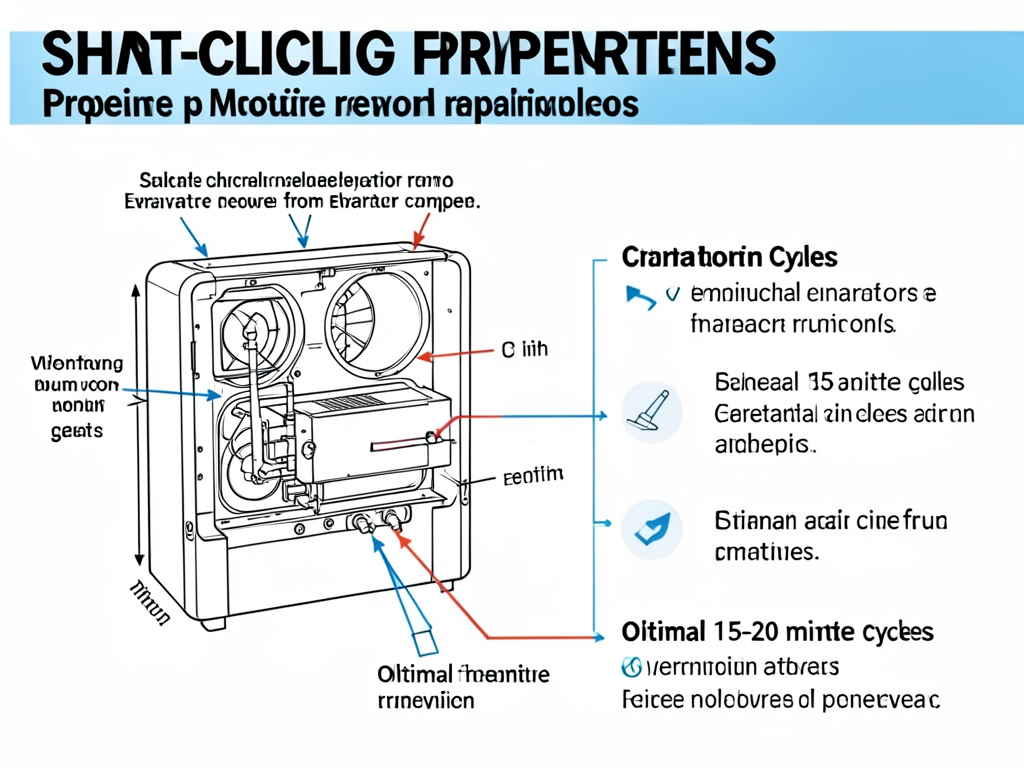
Image description: Technical diagram showing how short-cycling prevents proper moisture removal from evaporator coils compared to optimal 15-20 minute run cycles.
Common Mechanical Culprits: Evaporator Coils and Blower Speeds
Even if your AC runs long enough, dirty evaporator coils can sabotage humidity removal. When dust and grime coat the coils, they can’t absorb heat and moisture effectively.
In apartment buildings, evaporator coils often go years without cleaning. The coils sit in a damp environment perfect for mold growth. A dirty coil might remove only 60% of the moisture it should, leaving your air feeling damp.
Blower motor speed also matters. Many apartment ACs use single-speed blowers that run at full power even when less airflow would be more effective for dehumidification.
Variable-speed blowers can run slower to keep the coil colder longer, pulling more moisture from the air. But most apartment units don’t have this feature, so they trade humidity removal for maximum cooling power.
The condensate drain line presents another common failure point. If the drain clogs with algae or debris, water backs up and the system shuts down the dehumidification process as a safety measure.
Memphis’s high summer humidity means these drain lines need cleaning at least twice yearly. In apartment buildings that skip this maintenance, you get exactly the damp conditions you’re experiencing.
Apartment-Specific Challenges: Neighbors, Insulation, and Shared Walls
Your apartment has challenges a single-family home doesn’t face. Shared walls mean heat transfer from neighbors’ units. If the apartment next door runs their heat in winter or their AC in summer, it affects your temperature and humidity.
Many Mud Island apartments were built before modern energy codes. Single-pane windows and minimal insulation let humid outdoor air seep in around windows, doors, and electrical outlets.
Older apartment buildings often have leaky ductwork in unconditioned spaces. Cool air escapes before reaching your living room, while warm humid air gets drawn in through gaps.
PTAC units installed in exterior walls create another problem. The wall sleeve around the unit often develops gaps that let outdoor air infiltrate. You might feel a slight draft or notice dust accumulation near the unit.
Window seals degrade over time, especially in Memphis’s heat. A window that seemed airtight five years ago might now let in enough humid air to overwhelm your AC’s dehumidification capacity.
The Memphis Factor: How Our Local Dew Point Affects Your Indoor Comfort
Memphis humidity isn’t just uncomfortable. It’s a mechanical challenge for HVAC systems. Our average July dew point of 72°F means the air already holds substantial moisture before your AC even starts running.
The National Weather Service reports Memphis averages 75+ days per year with dew points above 70°F. That’s three months where your AC must work twice as hard to remove moisture. National Weather Service humidity data.
Memphis Building Code Section 13-8-121 requires residential HVAC systems to maintain indoor relative humidity below 60%. But many apartment installations only meet minimum cooling capacity requirements without considering humidity loads.
The Mississippi River creates a moisture source that affects all of Mud Island. Buildings near the river experience higher humidity than those even a few miles inland. Your apartment might feel fine in winter but become clammy as summer humidity rises.
Nighttime brings another challenge. When outdoor temperatures drop but humidity stays high, your AC might not run enough to control moisture. The result is waking up to damp sheets even though the air feels cool.
Quick Diagnostic Steps You Can Take Right Now
Before calling for service, check these common issues that apartment residents can fix:
- Check your thermostat fan setting – It should be on “Auto” not “On”. The “On” setting runs the blower constantly, which can re-evaporate moisture from the coil.
- Inspect your air filter – A clogged filter restricts airflow and reduces dehumidification. Replace it if you can’t see light through it.
- Feel the air from vents – It should feel cool and slightly damp. If it feels cold but not cool, your system might be short-cycling.
- Check for ice on the indoor coil – If you can access the filter area, look for frost buildup which indicates airflow problems.
- Test your condensate drain – If your unit has a visible drain line, make sure water flows freely when the AC runs.
These checks take less than 10 minutes and might reveal simple fixes like a dirty filter or incorrect thermostat setting.
When to Call a Professional: Signs Your Apartment AC Needs Help
Some humidity problems require professional diagnosis. Call for service if you notice: Professional Heat Pump Replacement Services in Bartlett.
- Constant musty odors that persist even with good housekeeping
- Condensation on windows that reappears within hours of cleaning
- AC running constantly but never achieving comfortable humidity
- Water stains around your indoor unit or on nearby walls
- Unusual noises like hissing or bubbling from your AC
Professional HVAC technicians can measure your system’s actual capacity and verify it matches your apartment’s cooling and dehumidification needs.
They’ll check refrigerant charge, which affects both cooling and moisture removal. Low refrigerant causes the coil to freeze, stopping dehumidification entirely.
Technicians also measure airflow across the coil and can adjust blower speeds for better humidity control if your system allows it.
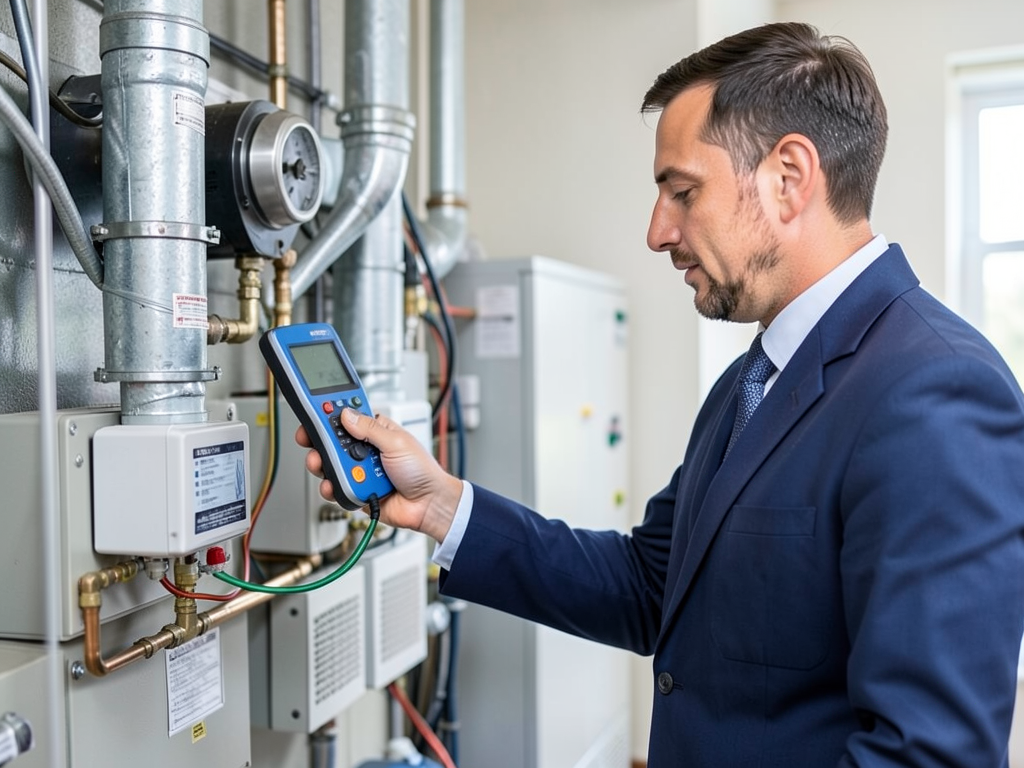
Image description: Technician using a digital psychrometer to measure indoor humidity levels and temperature differential across evaporator coils in an apartment setting.
DIY Solutions for Apartment Renters
As a renter, you have limited options for modifying your HVAC system. But you can improve comfort with these approaches:
Portable dehumidifiers work well in apartments. A 30-pint unit can remove 3-4 pints of moisture per hour in a typical one-bedroom apartment. Place it near your AC return so it conditions air before it reaches the cooling coil.
Humidity sensors help you track when your AC isn’t keeping up. Digital hygrometers cost under $20 and show you exactly when humidity climbs above 55%.
Air circulation prevents damp spots from forming. Use ceiling fans or small oscillating fans to keep air moving. This helps your AC distribute dehumidified air evenly.
Moisture barriers like weatherstripping around windows and doors reduce humid air infiltration. Even temporary solutions like rope caulk can make a noticeable difference.
Smart thermostats can optimize run times for humidity control. Models like the Ecobee or Nest can be programmed to run the fan periodically even when cooling isn’t needed, improving air circulation.
Comparing Your Options: What Actually Works
| Solution | Cost Range | Effectiveness for Humidity | Best For |
|---|---|---|---|
| Professional AC Tune-up | $150-300 | High – restores full capacity | Systems under 5 years old |
| Portable Dehumidifier | $200-400 | Medium – spot treatment | Renters, temporary relief |
| Whole-Apartment Dehumidifier | $1,500-3,000 | Very High – comprehensive | Owners willing to modify HVAC |
| Thermostat Upgrade | $200-500 | Low-Medium – optimization | Smart home enthusiasts |
| Window Sealing | $50-200 | Low-Medium – prevention | DIY improvement |
Long-Term Solutions for Apartment Owners and Condo Associations
If you own your apartment or serve on a condo association, consider these building-wide improvements:
System replacement with properly sized units makes the biggest difference. Many apartment buildings use rules of thumb for sizing that oversize units by 30-50%.
Variable refrigerant flow (VRF) systems offer individual control with better humidity management than traditional PTAC or split systems. They adjust capacity to match demand more precisely.
Energy recovery ventilators (ERVs)** with dehumidification can precondition incoming air, reducing the moisture load on your AC.
Building envelope improvements** like upgraded windows and doors reduce the humidity your HVAC must handle.
Smart building management systems** can coordinate all units to optimize performance and detect problems before they affect comfort.
Memphis Weather Patterns That Make Humidity Worse
Memphis weather creates unique challenges for apartment cooling. Summer thunderstorms often leave behind warm humid air that your AC must remove.
Fall “Indian summer” brings warm days with high humidity but cool nights. Your AC might not run enough on mild days to control moisture.
Spring pollen season means more airborne particles that can clog filters faster, reducing airflow and humidity removal.
Winter poses its own challenges. When outdoor temperatures fluctuate wildly, your AC might run intermittently, never completing full dehumidification cycles.
Memphis’s location in the Mississippi River Valley means we get Gulf moisture pulled up from the south. This creates higher dew points than cities at similar latitudes but farther from large water bodies.
Image description: Psychrometric chart showing Memphis summer conditions where high dew points create a narrow band between comfortable cooling and effective dehumidification.
Frequently Asked Questions
Why does my apartment feel humid even when the AC is set to 70°F?
Your AC might be cooling the air but not running long enough to remove moisture. This often happens with oversized units or when the system short-cycles due to thermostat placement or refrigerant issues.
Can I install a whole-house dehumidifier in my apartment?
Most apartments don’t allow major HVAC modifications. However, you can use portable dehumidifiers or discuss whole-building solutions with your property management if you own your unit.
How much humidity is too much in an apartment?
Indoor humidity above 60% feels uncomfortable and promotes mold growth. The ideal range is 45-55%. Above 70% you’ll notice condensation on cool surfaces and that characteristic damp feeling.
Will a bigger AC unit solve my humidity problems?
No, bigger units often make humidity worse by short-cycling. You need properly sized equipment that runs long enough to remove moisture, not maximum cooling power.
How often should apartment AC maintenance be performed?
Filters should be changed every 1-3 months. Professional maintenance including coil cleaning and drain line clearing should happen annually, with bi-annual service recommended for Memphis’s demanding climate.
Take Control of Your Apartment’s Comfort Today
Damp air isn’t just uncomfortable. It can damage your belongings, promote mold growth, and make your apartment feel smaller and less inviting. The sticky feeling you notice is your body telling you something needs attention.
Start with the simple checks we outlined above. If those don’t solve the problem, you need professional diagnosis to identify whether you’re dealing with short-cycling, dirty coils, or a system that’s simply undersized for Memphis humidity.
Don’t let another Memphis summer pass with clammy air and musty odors. Our technicians understand the unique challenges of apartment cooling in the Mid-South. We’ll diagnose the real cause of your humidity problems and recommend solutions that fit your situation.
Call (901) 640-3999 today to schedule your apartment humidity assessment. We’ll measure your actual humidity levels, check your system’s performance, and give you a clear plan to achieve comfortable, dry air in your Mud Island home.
Pick up the phone and call (901) 640-3999 before the next heat wave hits. Your comfort is too important to leave to chance.
You may also find this helpful. Keeping your backyard home office or She-Shed comfortable in Lakeland all year long.
{
“@context”: “https://schema.org”,
“@type”: “BlogPosting”,
“headline”: “Why your Mud Island apartment or condo feels damp even when the AC is running”,
“description”: “Discover why your Mud Island apartment stays humid despite AC. Learn about short-cycling, evaporator coils, and Memphis-specific humidity challenges. Call (901) 640-3999 for help.”,
“wordCount”: 2083,
“datePublished”: “2026-04-03T14:57:00.000Z”,
“dateModified”: “2026-04-03T14:57:00.000Z”,
“inLanguage”: “en-US”,
“mainEntityOfPage”: {
“@type”: “WebPage”,
“@id”: “https://ironwoodhvacmemphis.com”
},
“publisher”: {
“@type”: “LocalBusiness”,
“name”: “Ironwood HVAC Memphis”,
“url”: “https://ironwoodhvacmemphis.com”
},
“author”: {
“@type”: “Organization”,
“name”: “Ironwood HVAC Memphis”,
“url”: “https://ironwoodhvacmemphis.com”
},
“image”: {
“@type”: “ImageObject”,
“url”: “https://ironwoodhvacmemphis.com/wp-content/uploads/2026/03/why-your-mud-island-apartment-or-condo-feels-damp-1.png”
}
}
{
“@context”: “https://schema.org”,
“@type”: “HVACBusiness”,
“name”: “Ironwood HVAC Memphis”,
“url”: “https://ironwoodhvacmemphis.com”,
“address”: {
“@type”: “PostalAddress”,
“addressLocality”: “Memphis”
},
“areaServed”: {
“@type”: “City”,
“name”: “Memphis”
}
}
{
“@context”: “https://schema.org”,
“@type”: “FAQPage”,
“mainEntity”: [
{
“@type”: “Question”,
“name”: “Why does my apartment feel humid even when the AC is set to 70°F?”,
“acceptedAnswer”: {
“@type”: “Answer”,
“text”: “Your AC might be cooling the air but not running long enough to remove moisture. This often happens with oversized units or when the system short-cycles due to thermostat placement or refrigerant issues.”
}
},
{
“@type”: “Question”,
“name”: “Can I install a whole-house dehumidifier in my apartment?”,
“acceptedAnswer”: {
“@type”: “Answer”,
“text”: “Most apartments don’t allow major HVAC modifications. However, you can use portable dehumidifiers or discuss whole-building solutions with your property management if you own your unit.”
}
},
{
“@type”: “Question”,
“name”: “How much humidity is too much in an apartment?”,
“acceptedAnswer”: {
“@type”: “Answer”,
“text”: “Indoor humidity above 60% feels uncomfortable and promotes mold growth. The ideal range is 45-55%. Above 70% you’ll notice condensation on cool surfaces and that characteristic damp feeling.”
}
},
{
“@type”: “Question”,
“name”: “Will a bigger AC unit solve my humidity problems?”,
“acceptedAnswer”: {
“@type”: “Answer”,
“text”: “No, bigger units often make humidity worse by short-cycling. You need properly sized equipment that runs long enough to remove moisture, not maximum cooling power.”
}
},
{
“@type”: “Question”,
“name”: “How often should apartment AC maintenance be performed?”,
“acceptedAnswer”: {
“@type”: “Answer”,
“text”: “Filters should be changed every 1-3 months. Professional maintenance including coil cleaning and drain line clearing should happen annually, with bi-annual service recommended for Memphis’s demanding climate.”
}
}
]
}
{
“@context”: “https://schema.org”,
“@type”: “BreadcrumbList”,
“itemListElement”: [
{
“@type”: “ListItem”,
“position”: 1,
“name”: “Home”,
“item”: “https://ironwoodhvacmemphis.com”
},
{
“@type”: “ListItem”,
“position”: 2,
“name”: “Blog”,
“item”: “https://ironwoodhvacmemphis.com/blog”
},
{
“@type”: “ListItem”,
“position”: 3,
“name”: “Why your Mud Island apartment or condo feels damp even when the AC is running”
}
]
}
{
“@context”: “https://schema.org”,
“@type”: “Service”,
“serviceType”: “HVAC”,
“provider”: {
“@type”: “LocalBusiness”,
“name”: “Ironwood HVAC Memphis”,
“url”: “https://ironwoodhvacmemphis.com”
},
“areaServed”: {
“@type”: “City”,
“name”: “Memphis”
},
“description”: “Discover why your Mud Island apartment stays humid despite AC. Learn about short-cycling, evaporator coils, and Memphis-specific humidity challenges. Call (901) 640-3999 for help.”
}