
Memphis summers push indoor humidity past 80% when outdoor dew points climb above 70 degrees. Your air conditioner cools the air but may not remove enough moisture if it’s oversized or short-cycling. That leaves your Arlington home feeling clammy with condensation on windows and a musty smell in the air. You need both proper system sizing and humidity control to stay comfortable.. Read more about The best thermostat settings for Memphis weather to save money without freezing.
Why Memphis humidity makes your Arlington home uncomfortable
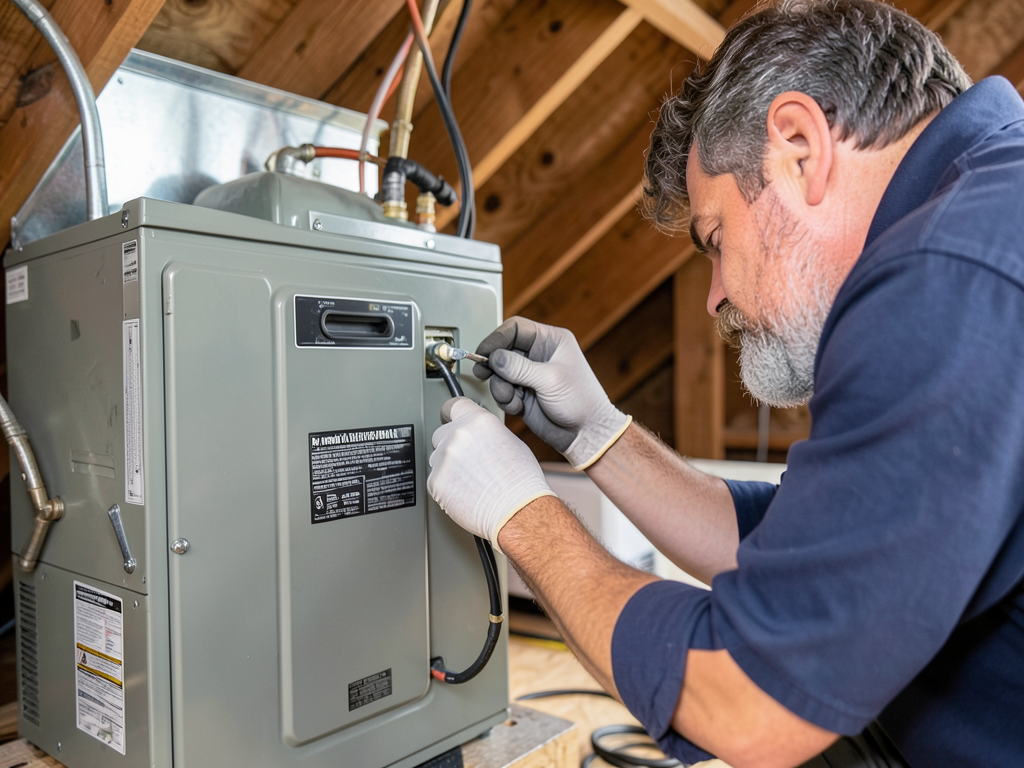
The Mississippi River Valley creates a humid subtropical climate where summer dew points routinely exceed 70 degrees. When your AC runs in short bursts it cools the air quickly but the evaporator coil never stays cold long enough to condense and drain moisture effectively. That’s short-cycling and it’s common in newer Arlington homes where builders often oversize units to cool large open floor plans quickly.
Older homes in neighborhoods near Arlington Community Schools face different problems. Poor vapor barriers in crawl spaces let ground moisture rise into living areas. Ductwork in unconditioned attics develops leaks that pull humid air into supply vents. Both scenarios keep indoor humidity elevated even when the thermostat reads a cool temperature.
According to the EPA indoor relative humidity should stay between 30% and 50% for health and comfort. When levels climb above 60% you risk dust mite proliferation, mold growth on baseboards and drywall, and structural damage to wood framing. The American Society of Heating Refrigerating and Air-Conditioning Engineers ASHRAE Standard 62.2 recommends mechanical ventilation to control indoor moisture in humid climates. EPA indoor air quality guidelines.
Signs your home has a humidity problem
- Condensation on windows that doesn’t evaporate quickly
- Musty odors in closets and bathrooms
- Clammy skin even when the thermostat is set low
- Visible mold spots on baseboards or in corners
- Wood doors that stick or swell in summer
A hygrometer reading above 55% confirms the problem. If you notice these signs during peak summer months your AC system needs evaluation.
Common causes of high indoor humidity in Arlington
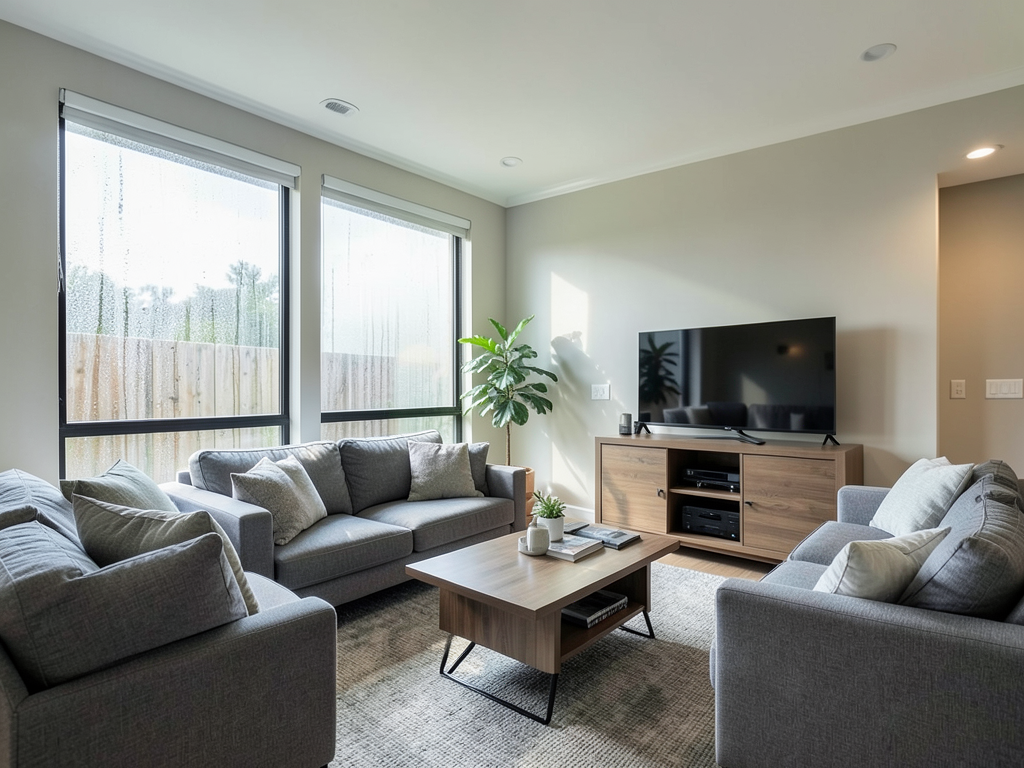
Oversized air conditioners short-cycle because they cool the space too quickly. The compressor shuts off before the evaporator coil removes much moisture. Manual J load calculations determine the correct unit size based on square footage insulation and window orientation. Many Arlington homes have units one or two tons too large for their actual cooling load.
Crawl space moisture is another major factor. The Tennessee Department of Health recommends sealed vapor barriers and dehumidifiers for homes with crawl space foundations. Without these measures ground moisture evaporates into the home and raises indoor humidity year round.
Duct leaks in attics pull hot humid air into the supply stream. A smoke test or duct blaster test reveals leaks that let unconditioned air mix with cooled air. Sealing these leaks can reduce humidity and improve cooling efficiency by 15% to 20%.
Health and structural risks of excess moisture
High humidity creates ideal conditions for dust mites which thrive at 70% to 80% relative humidity. These microscopic pests trigger asthma and allergy symptoms. Mold spores begin growing on organic surfaces when humidity stays above 60% for 48 hours. Once established mold can spread behind walls and under flooring causing costly remediation.
Wood rot affects structural integrity in historic Arlington homes. Moisture content above 20% in framing lumber allows fungi to break down cellulose. Over years this weakens floor joists and wall studs. The International Residential Code requires moisture content below 19% for structural wood in heated spaces.
DIY steps to lower indoor humidity
Use exhaust fans in bathrooms and kitchens to remove moisture at the source. Run them for 30 minutes after showering or cooking. Keep indoor plants to a minimum during humid months since they release water vapor through transpiration. Open windows only when outdoor dew points drop below 60 degrees which rarely happens in Memphis summers.
Place a hygrometer in your main living area to monitor humidity levels. If readings stay above 55% despite these steps you need professional evaluation. Portable dehumidifiers can help in problem areas but they require frequent emptying and only treat one room at a time. Professional Heat Pump Replacement Services in Bartlett.
Professional solutions for Arlington homes
A whole-home dehumidifier integrates with your HVAC system to remove 70 to 100 pints of moisture per day. Units from Honeywell and Aprilaire maintain 45% to 50% relative humidity automatically. They cost between $2,500 and $4,500 installed but prevent mold damage and improve comfort.
HVAC technicians perform a Manual J calculation to verify proper system sizing. If your unit is oversized they may recommend replacement with a right-sized model or adding a dehumidification module. Both approaches reduce short-cycling and improve moisture removal.
Crawl space encapsulation seals the ground with heavy-duty polyethylene and installs a dehumidifier vent to the living space. This stops ground moisture from entering your home. The U.S. Department of Energy reports encapsulation can reduce cooling costs by up to 18% in humid climates. U.S. Department of Energy crawl space recommendations.
Duct sealing with mastic or metal tape closes leaks that let humid air in. After sealing technicians test airflow to ensure proper distribution. Sealed ducts improve indoor air quality and reduce strain on your AC system.
When to call a Memphis HVAC specialist
Call a professional if you notice any of these conditions: humidity above 55% on a hygrometer, condensation on windows that persists for hours, musty odors that don’t go away with cleaning, or allergy symptoms that worsen indoors. These indicate moisture problems that DIY fixes won’t solve.
Look for NATE-certified technicians who understand Mid-South climate challenges. They use diagnostic tools like blower door tests to measure infiltration and thermal imaging to find hidden moisture. A thorough evaluation includes checking refrigerant charge, measuring supply and return temperatures, and inspecting ductwork for leaks.
Don’t wait until wood rot or mold spreads. Early intervention saves thousands in repairs. Call (901) 640-3999 today to schedule your inspection. Our team serves Arlington and surrounding Shelby County communities with 24/7 emergency service for humidity emergencies. Reliable Emergency Furnace Repair for Families in Collierville.
Frequently Asked Questions
Why does my house feel humid even when the AC runs constantly?
Your AC may be oversized causing short-cycling. The system cools air quickly but the evaporator coil doesn’t run long enough to remove moisture. A Manual J calculation can determine if your unit is properly sized.
How much does a whole-home dehumidifier cost in Arlington?
Installation costs range from $2,500 to $4,500 depending on unit capacity and integration with your existing HVAC system. This investment prevents mold damage and improves year-round comfort.
Can I use a portable dehumidifier instead?
Portable units treat one room at a time and require manual emptying. They’re less effective than whole-home systems for maintaining consistent humidity throughout your house. Use them as a temporary solution while planning professional installation.
What humidity level should I maintain?
The EPA recommends 30% to 50% relative humidity for health and comfort. In Memphis summers aim for 45% to 50% to balance comfort with energy efficiency.
How do I know if my crawl space causes humidity?
Musty odors, high indoor humidity readings, and allergy symptoms that worsen indoors suggest crawl space moisture. A professional inspection can check vapor barrier condition and measure ground moisture levels.
Does sealing ducts help with humidity?
Yes. Leaky ducts pull humid attic air into your supply vents. Sealing leaks can reduce indoor humidity by 10% to 15% and improve cooling efficiency.
How long does professional humidity control installation take?
Most whole-home dehumidifier installations complete in one day. Crawl space encapsulation takes two to three days depending on size and condition. Duct sealing typically finishes in a few hours.
Will humidity control lower my energy bills?
Proper humidity control lets you set your thermostat higher while maintaining comfort. This reduces AC runtime and can lower cooling costs by 15% to 25% annually.
What maintenance do humidity control systems need?
Change dehumidifier filters every six months and clean the condensate drain line annually. Schedule HVAC maintenance twice yearly to check refrigerant levels and ensure proper system operation.
Can high humidity damage my electronics?
Excess moisture can corrode circuit boards and cause short circuits in sensitive electronics. Maintaining 45% to 50% humidity protects computers, TVs, and home theater equipment.
Should I run my AC fan continuously?
No. Continuous fan operation circulates humid air when the compressor cycles off. Use the auto setting so the fan only runs during cooling cycles.
What’s the difference between relative humidity and dew point?
Relative humidity measures moisture in air as a percentage. Dew point is the temperature at which air becomes saturated. In Memphis summers dew points above 70 degrees make it feel muggy even at moderate temperatures.
How does insulation affect humidity?
Proper insulation prevents warm humid outdoor air from contacting cool indoor surfaces where condensation forms. Poor insulation creates cold spots that collect moisture and promote mold growth.
Can houseplants increase indoor humidity?
Yes. Plants release water vapor through transpiration. During humid months limit houseplants to one or two per room or move them outdoors temporarily.
What should I do if I find mold?
Stop the moisture source first. Small mold areas under 10 square feet you can clean with detergent and water. Larger areas require professional remediation to prevent spore spread.
How does Memphis humidity compare to other cities?
Memphis ranks among the most humid cities in the U.S. with summer dew points averaging 70 to 75 degrees. This exceeds many coastal cities due to the Mississippi River Valley’s geographic position.
Will new windows help with humidity?
Energy-efficient windows reduce condensation on glass but don’t solve underlying moisture problems. They’re most effective when combined with proper HVAC sizing and humidity control.
How do I choose a humidity control professional?
Look for NATE certification, experience with Mid-South homes, and diagnostic testing capabilities. Ask about Manual J calculations and whether they offer whole-home solutions rather than just portable units.
What’s the warranty on humidity control equipment?
Whole-home dehumidifiers typically carry five to ten year warranties. Professional installation often includes one to two years of labor coverage. Ask about extended warranty options.
Can I install humidity control myself?
Whole-home systems require electrical and HVAC expertise for safe installation. DIY installation voids warranties and may create safety hazards. Professional installation ensures proper integration with your existing system.
- Purchase a Hygrometer
Buy a digital hygrometer that measures temperature and relative humidity. Place it in your main living area away from direct sunlight or drafts.
- Track Readings Daily
Record humidity levels at the same time each day for one week. Note any patterns related to outdoor weather or AC usage.
- Test Problem Areas
Check humidity in bathrooms, basements, and crawl spaces. These areas often show the highest readings and indicate moisture sources.
- Compare to Comfort Range
Indoor humidity should stay between 30% and 50%. Readings above 55% indicate a problem requiring attention.
- Document for Professionals
Keep a log of your readings to share with HVAC technicians. This helps them diagnose problems more accurately.
High humidity doesn’t just make your Arlington home uncomfortable. It threatens your health and your home’s structure. Memphis’s unique climate demands specialized solutions that generic HVAC advice can’t provide. Don’t let another summer pass with sticky air and musty odors. Call (901) 640-3999 now to schedule your humidity evaluation. Our NATE-certified technicians understand exactly what your Mid-South home needs to stay comfortable and healthy year round. For more information, visit ASHRAE Standard 62.2.
You may also find this helpful. Why your Mud Island apartment or condo feels damp even when the AC is running.
{
“@context”: “https://schema.org”,
“@type”: “BlogPosting”,
“headline”: “Keeping your Arlington home cool when the Memphis humidity hits 90 percent”,
“description”: “Struggling with 90% Memphis humidity in your Arlington home? Learn how local climate affects indoor comfort and discover proven HVAC solutions from Mid-South experts.”,
“wordCount”: 1898,
“datePublished”: “2026-03-30T06:12:00.000Z”,
“dateModified”: “2026-03-30T06:12:00.000Z”,
“inLanguage”: “en-US”,
“mainEntityOfPage”: {
“@type”: “WebPage”,
“@id”: “https://ironwoodhvacmemphis.com”
},
“publisher”: {
“@type”: “LocalBusiness”,
“name”: “Ironwood HVAC Memphis”,
“url”: “https://ironwoodhvacmemphis.com”
},
“author”: {
“@type”: “Organization”,
“name”: “Ironwood HVAC Memphis”,
“url”: “https://ironwoodhvacmemphis.com”
},
“image”: {
“@type”: “ImageObject”,
“url”: “https://ironwoodhvacmemphis.com/wp-content/uploads/2026/03/keeping-your-arlington-home-cool-when-the-memphis-1.png”
}
}
{
“@context”: “https://schema.org”,
“@type”: “HVACBusiness”,
“name”: “Ironwood HVAC Memphis”,
“url”: “https://ironwoodhvacmemphis.com”,
“address”: {
“@type”: “PostalAddress”,
“addressLocality”: “Memphis”
},
“areaServed”: {
“@type”: “City”,
“name”: “Memphis”
}
}
{
“@context”: “https://schema.org”,
“@type”: “FAQPage”,
“mainEntity”: [
{
“@type”: “Question”,
“name”: “Why does my house feel humid even when the AC runs constantly?”,
“acceptedAnswer”: {
“@type”: “Answer”,
“text”: “Your AC may be oversized causing short-cycling. The system cools air quickly but the evaporator coil doesn’t run long enough to remove moisture. A Manual J calculation can determine if your unit is properly sized.”
}
},
{
“@type”: “Question”,
“name”: “How much does a whole-home dehumidifier cost in Arlington?”,
“acceptedAnswer”: {
“@type”: “Answer”,
“text”: “Installation costs range from $2,500 to $4,500 depending on unit capacity and integration with your existing HVAC system. This investment prevents mold damage and improves year-round comfort.”
}
},
{
“@type”: “Question”,
“name”: “Can I use a portable dehumidifier instead?”,
“acceptedAnswer”: {
“@type”: “Answer”,
“text”: “Portable units treat one room at a time and require manual emptying. They’re less effective than whole-home systems for maintaining consistent humidity throughout your house. Use them as a temporary solution while planning professional installation.”
}
},
{
“@type”: “Question”,
“name”: “What humidity level should I maintain?”,
“acceptedAnswer”: {
“@type”: “Answer”,
“text”: “The EPA recommends 30% to 50% relative humidity for health and comfort. In Memphis summers aim for 45% to 50% to balance comfort with energy efficiency.”
}
},
{
“@type”: “Question”,
“name”: “How do I know if my crawl space causes humidity?”,
“acceptedAnswer”: {
“@type”: “Answer”,
“text”: “Musty odors, high indoor humidity readings, and allergy symptoms that worsen indoors suggest crawl space moisture. A professional inspection can check vapor barrier condition and measure ground moisture levels.”
}
},
{
“@type”: “Question”,
“name”: “Does sealing ducts help with humidity?”,
“acceptedAnswer”: {
“@type”: “Answer”,
“text”: “Yes. Leaky ducts pull humid attic air into your supply vents. Sealing leaks can reduce indoor humidity by 10% to 15% and improve cooling efficiency.”
}
},
{
“@type”: “Question”,
“name”: “How long does professional humidity control installation take?”,
“acceptedAnswer”: {
“@type”: “Answer”,
“text”: “Most whole-home dehumidifier installations complete in one day. Crawl space encapsulation takes two to three days depending on size and condition. Duct sealing typically finishes in a few hours.”
}
},
{
“@type”: “Question”,
“name”: “Will humidity control lower my energy bills?”,
“acceptedAnswer”: {
“@type”: “Answer”,
“text”: “Proper humidity control lets you set your thermostat higher while maintaining comfort. This reduces AC runtime and can lower cooling costs by 15% to 25% annually.”
}
},
{
“@type”: “Question”,
“name”: “What maintenance do humidity control systems need?”,
“acceptedAnswer”: {
“@type”: “Answer”,
“text”: “Change dehumidifier filters every six months and clean the condensate drain line annually. Schedule HVAC maintenance twice yearly to check refrigerant levels and ensure proper system operation.”
}
},
{
“@type”: “Question”,
“name”: “Can high humidity damage my electronics?”,
“acceptedAnswer”: {
“@type”: “Answer”,
“text”: “Excess moisture can corrode circuit boards and cause short circuits in sensitive electronics. Maintaining 45% to 50% humidity protects computers, TVs, and home theater equipment.”
}
},
{
“@type”: “Question”,
“name”: “Should I run my AC fan continuously?”,
“acceptedAnswer”: {
“@type”: “Answer”,
“text”: “No. Continuous fan operation circulates humid air when the compressor cycles off. Use the auto setting so the fan only runs during cooling cycles.”
}
},
{
“@type”: “Question”,
“name”: “What’s the difference between relative humidity and dew point?”,
“acceptedAnswer”: {
“@type”: “Answer”,
“text”: “Relative humidity measures moisture in air as a percentage. Dew point is the temperature at which air becomes saturated. In Memphis summers dew points above 70 degrees make it feel muggy even at moderate temperatures.”
}
},
{
“@type”: “Question”,
“name”: “How does insulation affect humidity?”,
“acceptedAnswer”: {
“@type”: “Answer”,
“text”: “Proper insulation prevents warm humid outdoor air from contacting cool indoor surfaces where condensation forms. Poor insulation creates cold spots that collect moisture and promote mold growth.”
}
},
{
“@type”: “Question”,
“name”: “Can houseplants increase indoor humidity?”,
“acceptedAnswer”: {
“@type”: “Answer”,
“text”: “Yes. Plants release water vapor through transpiration. During humid months limit houseplants to one or two per room or move them outdoors temporarily.”
}
},
{
“@type”: “Question”,
“name”: “What should I do if I find mold?”,
“acceptedAnswer”: {
“@type”: “Answer”,
“text”: “Stop the moisture source first. Small mold areas under 10 square feet you can clean with detergent and water. Larger areas require professional remediation to prevent spore spread.”
}
},
{
“@type”: “Question”,
“name”: “How does Memphis humidity compare to other cities?”,
“acceptedAnswer”: {
“@type”: “Answer”,
“text”: “Memphis ranks among the most humid cities in the U.S. with summer dew points averaging 70 to 75 degrees. This exceeds many coastal cities due to the Mississippi River Valley’s geographic position.”
}
},
{
“@type”: “Question”,
“name”: “Will new windows help with humidity?”,
“acceptedAnswer”: {
“@type”: “Answer”,
“text”: “Energy-efficient windows reduce condensation on glass but don’t solve underlying moisture problems. They’re most effective when combined with proper HVAC sizing and humidity control.”
}
},
{
“@type”: “Question”,
“name”: “How do I choose a humidity control professional?”,
“acceptedAnswer”: {
“@type”: “Answer”,
“text”: “Look for NATE certification, experience with Mid-South homes, and diagnostic testing capabilities. Ask about Manual J calculations and whether they offer whole-home solutions rather than just portable units.”
}
},
{
“@type”: “Question”,
“name”: “What’s the warranty on humidity control equipment?”,
“acceptedAnswer”: {
“@type”: “Answer”,
“text”: “Whole-home dehumidifiers typically carry five to ten year warranties. Professional installation often includes one to two years of labor coverage. Ask about extended warranty options.”
}
},
{
“@type”: “Question”,
“name”: “Can I install humidity control myself?”,
“acceptedAnswer”: {
“@type”: “Answer”,
“text”: “Whole-home systems require electrical and HVAC expertise for safe installation. DIY installation voids warranties and may create safety hazards. Professional installation ensures proper integration with your existing system.”
}
}
]
}
{
“@context”: “https://schema.org”,
“@type”: “HowTo”,
“name”: “How to Monitor Home Humidity”,
“step”: [
{
“@type”: “HowToStep”,
“position”: 1,
“name”: “Purchase a Hygrometer”,
“text”: “Buy a digital hygrometer that measures temperature and relative humidity. Place it in your main living area away from direct sunlight or drafts.”
},
{
“@type”: “HowToStep”,
“position”: 2,
“name”: “Track Readings Daily”,
“text”: “Record humidity levels at the same time each day for one week. Note any patterns related to outdoor weather or AC usage.”
},
{
“@type”: “HowToStep”,
“position”: 3,
“name”: “Test Problem Areas”,
“text”: “Check humidity in bathrooms, basements, and crawl spaces. These areas often show the highest readings and indicate moisture sources.”
},
{
“@type”: “HowToStep”,
“position”: 4,
“name”: “Compare to Comfort Range”,
“text”: “Indoor humidity should stay between 30% and 50%. Readings above 55% indicate a problem requiring attention.”
},
{
“@type”: “HowToStep”,
“position”: 5,
“name”: “Document for Professionals”,
“text”: “Keep a log of your readings to share with HVAC technicians. This helps them diagnose problems more accurately.”
}
],
“image”: “https://ironwoodhvacmemphis.com/wp-content/uploads/2026/03/keeping-your-arlington-home-cool-when-the-memphis-1.png”
}
{
“@context”: “https://schema.org”,
“@type”: “BreadcrumbList”,
“itemListElement”: [
{
“@type”: “ListItem”,
“position”: 1,
“name”: “Home”,
“item”: “https://ironwoodhvacmemphis.com”
},
{
“@type”: “ListItem”,
“position”: 2,
“name”: “Blog”,
“item”: “https://ironwoodhvacmemphis.com/blog”
},
{
“@type”: “ListItem”,
“position”: 3,
“name”: “Keeping your Arlington home cool when the Memphis humidity hits 90 percent”
}
]
}
{
“@context”: “https://schema.org”,
“@type”: “Service”,
“serviceType”: “HVAC”,
“provider”: {
“@type”: “LocalBusiness”,
“name”: “Ironwood HVAC Memphis”,
“url”: “https://ironwoodhvacmemphis.com”
},
“areaServed”: {
“@type”: “City”,
“name”: “Memphis”
},
“description”: “Struggling with 90% Memphis humidity in your Arlington home? Learn how local climate affects indoor comfort and discover proven HVAC solutions from Mid-South experts.”
}