





menu

AC Blowing Warm Air in Memphis – Expert Diagnosis and Fast Repair for Every System

When your air conditioner runs but fails to cool, you need technicians who understand Memphis HVAC systems and can pinpoint the exact cause fast, whether it's refrigerant loss, compressor failure, or airflow restriction.

Slider Image 1
Slider Image 2
Slider Image 3
Slider Image 4
Slider Image 5
Slider Image 7
Slider Image 8
Slider Image 9
Slider Image 10
Slider Image 11

Why Your AC Runs But Blows Warm Air in Memphis Homes

You walk to your thermostat, confirm it's set to cool, and feel the vents. Warm air pours out. Your system runs, the fan spins, but nothing feels cold.

This problem frustrates Memphis homeowners every summer because the symptoms hide multiple root causes. Your air conditioner blowing hot air signals anything from a refrigerant leak to a failed compressor, and the difference matters because the fix and the cost vary wildly.

Memphis's extreme summer heat and high humidity create ideal conditions for refrigerant leaks. When outdoor temperatures spike above 95 degrees for weeks, your system runs longer cycles, putting stress on refrigerant lines and coil connections. A small leak drops cooling capacity fast, and your ac running but not cooling becomes the symptom you notice first.

Dirty condenser coils compound the issue. Pollen from oak and hickory trees blankets outdoor units in spring, and summer dust from nearby agricultural areas clogs fins. When airflow drops across the condenser, your system cannot reject heat efficiently. The compressor overheats, the refrigerant stays warm, and your central air blowing warm air becomes the immediate result.

Faulty thermostats and bad capacitors also cause your air conditioning not blowing cold air. A thermostat stuck in fan-only mode keeps air moving but never signals the compressor to engage. A weak capacitor prevents the compressor from starting, so your ac vents blowing hot air while the blower runs normally.

The challenge is diagnosis. You need a technician who tests refrigerant levels, checks electrical components, measures airflow, and inspects the compressor before guessing at repairs. Wrong diagnoses waste money and leave you sweating through Memphis summers.

Why Your AC Runs But Blows Warm Air in Memphis Homes
How We Diagnose and Fix AC Systems Blowing Warm Air

How We Diagnose and Fix AC Systems Blowing Warm Air

Ironwood HVAC Memphis uses a systematic diagnostic protocol that eliminates guesswork. We start with the thermostat and work outward to the compressor, testing each component before moving forward.

Our technicians first verify thermostat settings and wiring. A loose wire or incorrect programming mimics compressor failure, and fixing it takes minutes. We use multimeters to test continuity and confirm the thermostat sends proper voltage to the contactor.

Next, we measure refrigerant pressures at the service ports. Low suction pressure indicates a refrigerant leak or a restriction in the evaporator coil. High discharge pressure signals a dirty condenser or overcharged system. We compare readings to the manufacturer's specifications for your exact model and outdoor temperature, not generic charts.

We inspect the contactor and capacitor while the system runs. A weak contactor creates voltage drops that prevent the compressor from starting. A failing capacitor shows reduced microfarads on our meter, signaling replacement before it fails completely and damages the compressor.

If refrigerant levels are correct and electrical components test normal, we check airflow across both coils. A clogged evaporator coil restricts airflow and causes the refrigerant to return to the compressor as liquid instead of gas, which damages internal components. We measure temperature splits across the coil to confirm proper heat exchange.

For compressor issues, we test amperage draw and compare it to the rated load amps on the nameplate. A compressor drawing excessive amperage signals internal wear, while low amperage indicates a failure to start properly.

This process identifies the exact failure point, so you pay for the repair you need, not the one a technician guesses might work.

What Happens During Your AC Warm Air Repair

AC Blowing Warm Air in Memphis – Expert Diagnosis and Fast Repair for Every System
01

System Performance Testing

We arrive and run your system while monitoring key performance indicators. Our technicians measure supply and return air temperatures, check refrigerant pressures at both the low and high sides, and use amp clamps to verify compressor draw. This baseline data reveals whether your problem stems from refrigerant loss, airflow restriction, or component failure before we open any panels or make assumptions.
02

Component-Level Diagnosis

Once we identify the system failure zone, we isolate the defective part. If refrigerant is low, we inject nitrogen and use electronic leak detectors to find the breach point. If electrical, we test capacitance, continuity, and voltage at every connection. For airflow problems, we inspect both coils, check ductwork for restrictions, and verify blower motor operation. You receive a clear explanation of what failed and why.
03

Repair and Verification

After completing the repair, we run the system through a full cooling cycle and retest all performance metrics. Supply air temperature should drop 15 to 20 degrees below return air temperature. Refrigerant pressures must match manufacturer specs for current outdoor conditions. Amperage draw should fall within rated limits. We document before and after readings so you see the improvement in real numbers, not vague assurances.

Why Memphis Homeowners Trust Ironwood HVAC for Cooling Failures

Memphis has hundreds of HVAC companies, but most rely on part replacement instead of true diagnostics. You call with warm air, and they replace the contactor or capacitor without testing anything else. If that doesn't fix it, they move to the next part. You pay for multiple service calls and unnecessary components while your home stays warm.

Ironwood HVAC Memphis uses diagnostic equipment, not guesswork. Our technicians carry refrigerant gauges, multimeters, amp clamps, and electronic leak detectors to every call. We measure and test before recommending repairs, so you know exactly what failed and why.

We understand Memphis-specific HVAC challenges. Homes in Midtown often have older systems with R-22 refrigerant, which requires special handling and alternative solutions when leaks occur. Properties in East Memphis frequently have undersized ductwork from builder-grade installations, creating airflow restrictions that mimic compressor problems. We account for these local factors during diagnosis instead of applying generic troubleshooting steps.

Our technicians know local building codes and permit requirements when repairs involve refrigerant handling or electrical work. Memphis requires permits for refrigerant recovery and system modifications, and we file them properly to keep your home compliant.

We also understand the urgency. When outdoor temperatures hit 98 degrees with 70 percent humidity, a broken AC becomes a health risk for children and elderly family members. We prioritize cooling failures during heat waves and keep common repair parts on our trucks to minimize return trips.

You receive honest assessments of repair versus replacement. If your compressor failed and your system is 15 years old, we explain the cost-benefit of replacing the compressor versus installing a new system. We provide both options with clear pros and cons, so you make informed decisions instead of feeling pressured into unnecessary upgrades.

What to Expect When You Call About Warm Air Issues

Same-Day Diagnostic Appointments

We schedule diagnostic appointments within hours during Memphis summers, not days. When you call before noon, we typically arrive the same day. Our technicians carry fully stocked trucks with common repair parts like contactors, capacitors, and refrigerant, so many repairs finish during the initial visit. You receive a two-hour arrival window and a call 30 minutes before we arrive, so you don't waste your day waiting. Emergency cooling failures during heat advisories get priority scheduling, especially for homes with young children or elderly residents.

Transparent Diagnostic Process

Our technicians explain what they're testing and why before starting work. You see the refrigerant pressure readings, the temperature measurements, and the electrical test results. We show you the failed component when possible, whether it's a burned contactor or a corroded coil connection. You receive a written estimate before any repair work begins, with clear explanations of what we're replacing and why. We never start repairs without your approval, and we explain alternatives when multiple solutions exist. This transparency helps you understand your system and make confident decisions.

Documented Performance Improvements

After completing repairs, we document system performance with measurable data. You receive a service report showing supply air temperature, return air temperature, refrigerant pressures, and electrical readings before and after the repair. This documentation proves the system operates correctly and gives you baseline numbers for future service calls. We also note any minor issues that don't require immediate attention but may need monitoring, like slightly dirty coils or aging components that still function within acceptable ranges.

Post-Repair System Check

We follow up within 48 hours to confirm your system continues cooling properly. If you notice any performance issues after our repair, we return at no additional diagnostic charge to recheck our work. Our repairs come with parts and labor coverage, and we stand behind our diagnostics. If we misidentified the problem, we correct it without charging you twice. We also offer maintenance plans that include seasonal tune-ups to catch small problems before they cause cooling failures, which saves you money and extends system life.

Frequently Asked Questions

You Have Questions,
We Have Answers

Why is my AC just blowing warm air? +

Your AC blows warm air when the cooling cycle fails. Common causes include a tripped breaker cutting power to the outdoor unit, a dirty air filter blocking airflow, or low refrigerant from a leak. Memphis humidity puts extra strain on AC systems, making these problems worse. Check your thermostat setting first. Make sure it's on cool, not fan only. If the outdoor unit isn't running, the compressor may have failed. Frozen evaporator coils also prevent cooling. A qualified technician can diagnose the root cause and restore cold air quickly.

Why is my AC running but not cooling? +

An AC that runs but doesn't cool typically has a refrigerant leak, a failed compressor, or blocked airflow. The outdoor condenser may be clogged with Memphis cottonwood debris or dirt, preventing heat exchange. Check if the outdoor fan spins when the system runs. If it doesn't, the fan motor or capacitor failed. A frozen evaporator coil also stops cooling while the blower runs. Refrigerant leaks are common in older systems. Low charge prevents the refrigerant from absorbing heat. A technician can measure pressures, locate leaks, and restore proper cooling capacity.

How to reset AC not blowing cold air? +

Turn off your AC for 30 minutes to reset the system. Flip the breaker off, then back on. This clears minor electrical faults and allows the compressor to depressurize. Check your thermostat batteries and replace them if needed. Make sure the thermostat is set to cool, not heat or fan. Change the air filter if it's clogged. Memphis dust and pollen load up filters fast. After resetting, wait five minutes before adjusting the thermostat again. If the AC still blows warm air, you need professional diagnosis for refrigerant leaks or compressor failure.

What is the 3 minute rule for AC? +

The three minute rule prevents compressor damage by allowing refrigerant pressures to equalize before restarting. When you turn off your AC, refrigerant pressure stays high on one side of the system. Starting too soon forces the compressor to work against this pressure, causing mechanical stress and potential failure. Wait three to five minutes between shutoff and restart. Modern thermostats often have built-in delays to enforce this rule. Memphis heat makes homeowners want to restart quickly, but patience protects your compressor and extends system life. Violating this rule voids some warranties.

Should I turn off the AC if it blows hot air? +

Turn off your AC if it blows hot air to prevent further damage. Running the system with a failed compressor or severe refrigerant leak wastes energy and can damage other components. Memphis electric bills climb fast when an AC runs inefficiently. Switch the thermostat to off, not just a higher temperature. Check the outdoor unit. If it's silent or the fan doesn't spin, you have a mechanical failure. You can run the fan setting alone for air circulation, but the cooling system needs professional repair before you restart it.

What are signs of a failing AC compressor? +

A failing compressor makes loud grinding, clicking, or rattling noises when starting. The outdoor unit may vibrate heavily or struggle to start. You'll notice warm air from vents, higher electric bills, and frequent breaker trips. Memphis humidity causes compressor overheating in weakened units. The system may short cycle, running in brief bursts without cooling. Hard starting, where lights dim when the AC kicks on, signals capacitor or compressor problems. Refrigerant leaks often accompany compressor failure. A technician can test amp draw and pressures to confirm compressor condition before replacement.

Should you turn off AC if it's not cooling? +

Turn off your AC if it's not cooling to prevent compressor damage and high electric bills. Running a system with low refrigerant, a frozen coil, or mechanical failure wastes energy and risks further breakdown. Memphis summer heat tempts you to leave it running, but you'll only damage components and increase repair costs. Switch the thermostat off and call a technician. You can use fans for air movement while waiting. If the outdoor unit runs but produces no cooling, continuing operation strains the compressor and shortens its lifespan.

What is the $5000 rule for AC? +

The five thousand dollar rule is a replacement guideline. Multiply your AC's age by the repair cost. If the result exceeds five thousand, replace the unit instead of repairing it. A 10 year old system needing a one thousand dollar repair equals ten thousand, suggesting replacement. Memphis heat and humidity wear systems faster, making this calculation important. Factor in efficiency gains from new units. R-22 refrigerant costs also make older system repairs expensive. A 15 year old unit approaching major repairs is better replaced with a modern high efficiency system.

How to tell if AC is low on refrigerant? +

Low refrigerant causes ice buildup on the evaporator coil, weak airflow from vents, and hissing sounds near refrigerant lines. Your AC runs longer without reaching the set temperature. Memphis humidity makes low charge obvious, as the system can't remove moisture effectively. Look for ice on copper lines running to the outdoor unit. Higher electric bills and warm air from vents indicate low charge. Refrigerant doesn't deplete naturally. A leak causes low levels. A technician must locate the leak, repair it, and recharge the system to proper pressures.

Can I fix warm AC myself? +

You can change the air filter, clear debris from the outdoor unit, and check thermostat settings yourself. Reset the breaker if it tripped. Clean the condensate drain if it's clogged. These fixes solve simple airflow problems. You cannot fix refrigerant leaks, compressor failure, or electrical faults safely. Memphis building codes require licensed technicians for refrigerant work. Handling refrigerant without certification is illegal. Opening the refrigerant system releases harmful chemicals and voids warranties. If basic troubleshooting doesn't restore cooling, call a professional to diagnose and repair the problem correctly.

How Memphis Heat and Humidity Accelerate AC Cooling Failures

Memphis summers combine extreme heat with oppressive humidity, creating the harshest operating conditions for residential air conditioners. When outdoor temperatures stay above 95 degrees for days and humidity hovers around 70 percent, your system runs 12 to 16 hours daily instead of the typical 8 to 10 hours in milder climates. This extended runtime accelerates wear on compressors, contactors, and capacitors. Small refrigerant leaks that would take months to cause problems in cooler climates drop your cooling capacity within weeks here. Condenser coils clog faster from pollen, dust, and cottonwood seeds that blanket Memphis each spring and summer. These local conditions make regular maintenance and fast repairs critical, because small problems become major failures quickly when your system runs constantly under load.

Choosing a local Memphis HVAC company means working with technicians who understand these environmental factors and how they affect your specific system. We know that homes in Germantown with mature oak trees need more frequent condenser cleanings. We recognize that older Midtown homes often have undersized ductwork that creates airflow problems. We understand that East Memphis properties built in the 1980s frequently have R-22 systems requiring specialized repair approaches. This local knowledge speeds diagnosis and prevents the trial-and-error approach that wastes your money. When your AC blows warm air during a Memphis heat wave, you need technicians who have seen these exact conditions hundreds of times and can fix them fast.
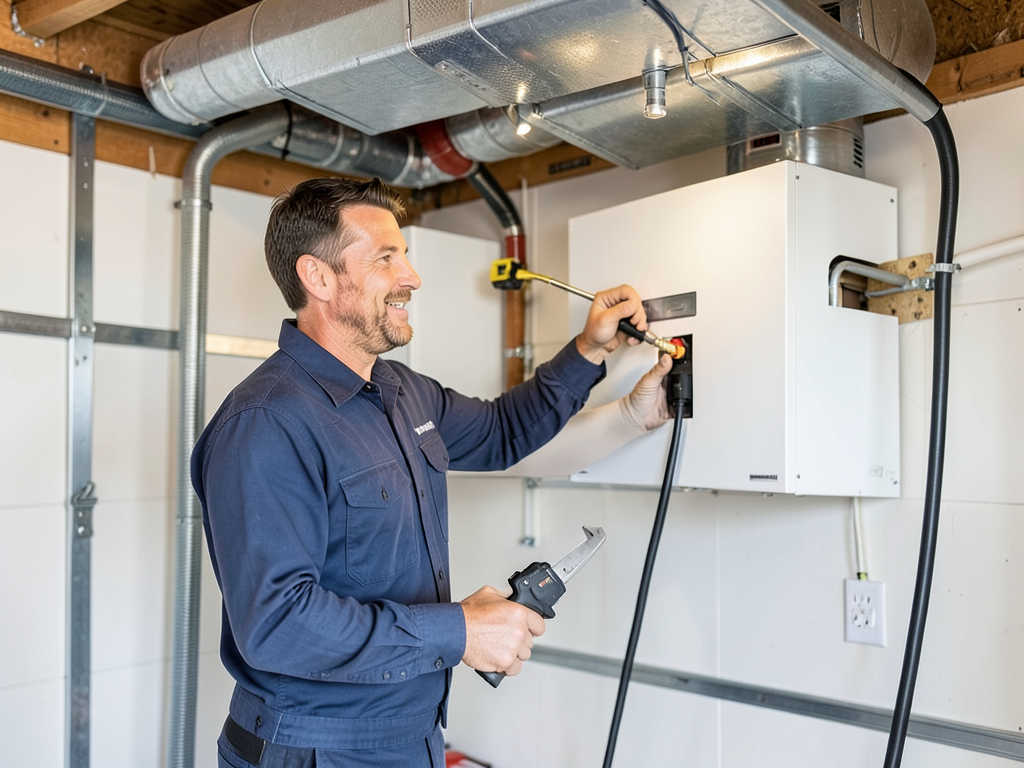
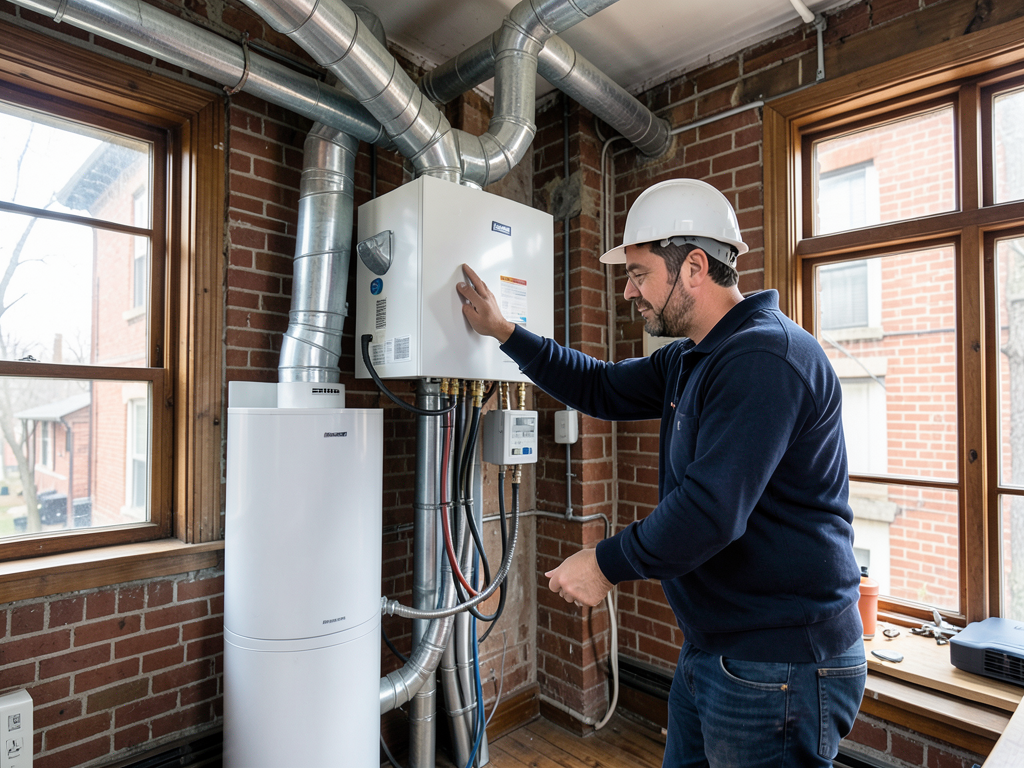
HVAC Services in The Memphis Area

Ironwood HVAC Memphis proudly serves the entire Memphis community and the surrounding counties. Our team is local, dedicated, and always ready to dispatch quickly to your residential or commercial location. View our central service area on the map below, or contact us directly to confirm if your specific neighborhood falls within our swift response zone. We look forward to bringing you reliable comfort.

Address:
Ironwood HVAC Memphis, 1661 International Dr, Memphis, TN, 38120

Additional Services We Offer

Our news updates

Latest Articles & News from The Blogs

Your home gym in Lakeland should feel energizing, not like a sauna. Yet many Memphis homeowners find their workout spaces…

Why your home gym in Lakeland feels stuffy and how to fix the ventilation

Your home gym in Lakeland should feel energizing, not like a sauna. Yet many Memphis homeowners find their workout spaces…

Choosing an air purifier that actually removes BBQ smoke in your Midtown backyard

Choosing an air purifier that actually removes BBQ smoke in your Midtown backyard Memphis summers bring backyard BBQs but the…

How to stop mice and squirrels from nesting in your outdoor unit in Eads

How to stop mice and squirrels from nesting in your outdoor unit in Eads Pests like mice and squirrels are…

Contact Us

Call Ironwood HVAC Memphis at (901) 640-3999 right now for same-day diagnostic service. Our technicians will identify why your AC blows warm air and fix it fast with the right repair, not guesswork.