




menu

Troubleshooting AC Issues in Memphis – Expert Diagnostic Guides That Save You Money and Downtime

Get Clear, Actionable Answers for Diagnosing Air Conditioner Problems in Memphis's Humid Climate – From System Diagnostics to Identifying AC Faults Before They Become Expensive Failures

Slider Image 1
Slider Image 2
Slider Image 3
Slider Image 4
Slider Image 5
Slider Image 7
Slider Image 8
Slider Image 9
Slider Image 10
Slider Image 11

Why Memphis Air Conditioners Fail More Often Than You Think

Memphis's combination of extreme summer humidity and temperature swings creates a perfect storm for air conditioning failures. When outdoor humidity regularly hits 80 percent and indoor cooling runs six months straight, you stress refrigerant lines, compressors, and blower motors beyond what manufacturers anticipate in dry climates. Your system works harder to dehumidify and cool, which accelerates wear on contactors, capacitors, and evaporator coils.

Diagnosing air conditioner problems in Memphis requires understanding how moisture affects electrical components. Condensate drain lines clog faster here. Mold grows inside ductwork. Corrosion attacks copper refrigerant lines in crawlspaces where humidity never drops below 60 percent, even in winter. These local factors create specific failure patterns you will not find in Phoenix or Denver.

Central air troubleshooting starts with recognizing the symptoms unique to high-humidity climates. Weak airflow often points to a clogged evaporator coil covered in biological growth, not just a dirty filter. Ice formation on refrigerant lines indicates low charge or restricted airflow, both common in Memphis systems running overtime. Short cycling happens when condensate float switches trip from clogged drain pans, a problem rare in arid regions.

HVAC system diagnostics in Memphis means accounting for clay soil movement that shifts ductwork, attic temperatures that exceed 150 degrees and cook capacitors, and electrical brownouts during peak cooling season that damage compressor windings. You need troubleshooting frameworks built for these specific stressors. Generic diagnostic charts miss the local factors that cause 70 percent of Memphis AC failures. Understanding these regional variables helps you identify problems early, before a $150 repair becomes a $4,000 replacement.

Why Memphis Air Conditioners Fail More Often Than You Think
How Professional HVAC System Diagnostics Pinpoint Root Causes

How Professional HVAC System Diagnostics Pinpoint Root Causes

Identifying AC faults requires methodical testing, not guesswork. Ironwood HVAC Memphis uses a multi-point diagnostic protocol that measures actual system performance against manufacturer specifications. We start with static pressure testing across the air handler to identify ductwork restrictions that reduce airflow by 30 to 40 percent. Most homeowners never check static pressure, yet it causes half of all comfort complaints and drives up operating costs.

Refrigerant charge verification uses superheat and subcooling measurements, not just gauge pressures. A system can show normal pressures but still run 15 percent undercharged if ambient conditions mask the deficiency. We measure supply and return air temperatures, calculate temperature split, and compare results against design conditions for Memphis's climate zone. This reveals whether your system has adequate charge or if a leak is slowly degrading performance.

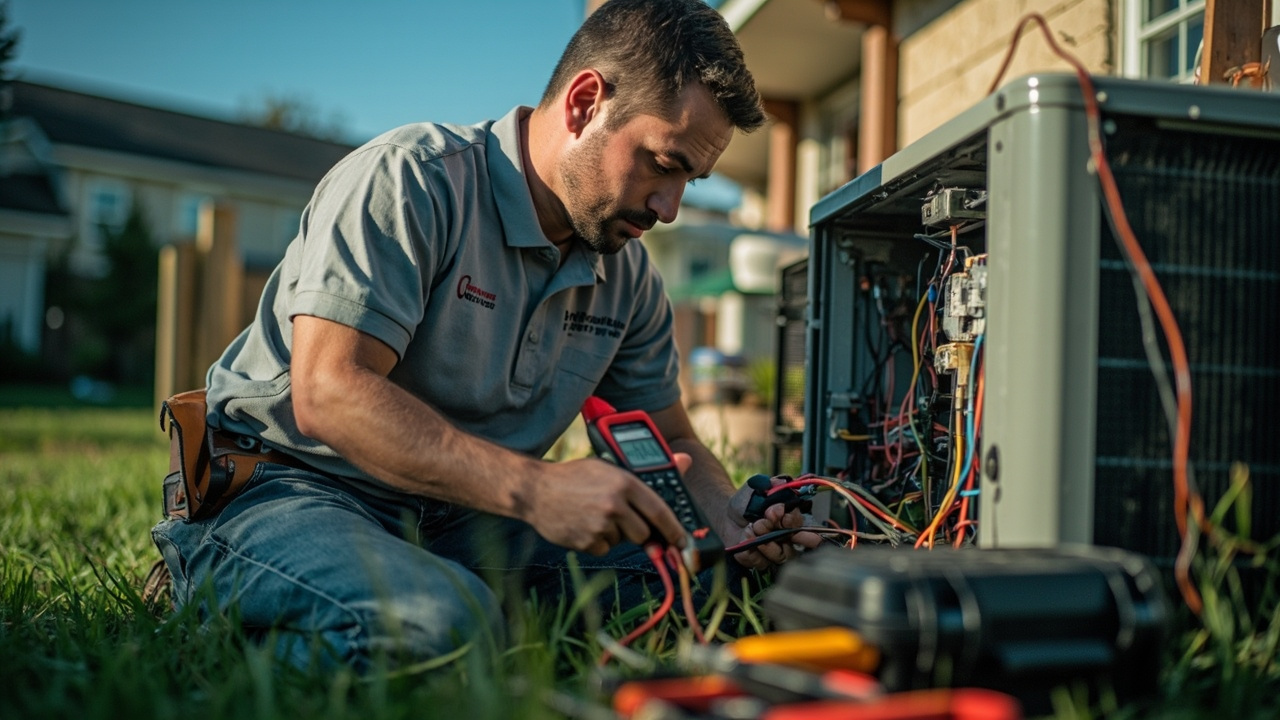
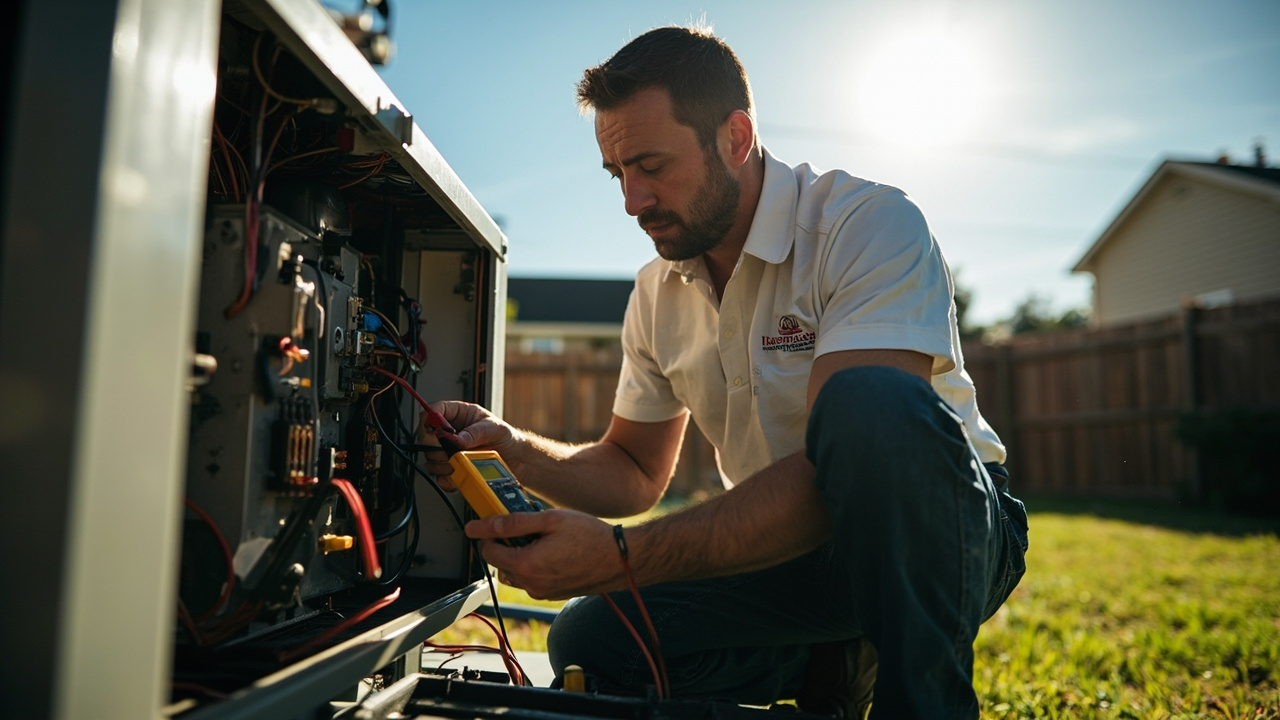
Electrical diagnostics catch problems before they cause failures. We measure voltage and amperage at the compressor, condenser fan motor, and blower motor under load. Voltage drop across contactors indicates pitting that will cause failure within months. Capacitor testing under actual operating conditions reveals weak components that test fine when the system is off but fail under load. These electrical measurements identify components operating outside specifications.

Airflow measurement using a calibrated hood or anemometer confirms your system moves the correct cubic feet per minute across the evaporator coil. Memphis systems need 400 CFM per ton of cooling to handle humidity loads. Anything less causes high indoor humidity, even when temperatures feel acceptable. We document blower motor amperage, belt condition on older systems, and filter pressure drop to build a complete airflow profile. This data-driven approach eliminates guessing and identifies the actual problem, not just symptoms.

What Happens During an AC Troubleshooting Session

Troubleshooting AC Issues in Memphis – Expert Diagnostic Guides That Save You Money and Downtime
01

Initial System Assessment

We document your symptoms, recent changes, and operating history before touching any equipment. You describe when problems occur, whether issues are constant or intermittent, and what conditions trigger failures. We check your thermostat settings, air filter condition, and circuit breaker status. This conversation reveals patterns that point toward specific system components. We review your last maintenance date and any previous repairs to understand the equipment's service history and identify recurring problems.
02

Systematic Component Testing

We test components in sequence, starting with power supply and moving through the control circuit, compressor, condenser fan, evaporator blower, and refrigerant system. Each component gets measured against specifications using calibrated instruments. We check voltage, amperage, capacitance, and resistance values. Refrigerant pressures get recorded at outdoor temperatures to calculate superheat and subcooling. Airflow measurements confirm your blower delivers adequate volume. We document findings in writing so you understand exactly what works and what fails specifications.
03

Diagnosis and Repair Options

We explain what we found in plain language, showing you failed components and measurement data. You receive a written diagnosis listing all problems, organized by priority. We present repair options with clear descriptions of what each fix accomplishes. You decide how to proceed based on your budget and timeline. We never pressure you into unnecessary repairs or replacement systems. Our goal is giving you accurate information to make informed decisions about your cooling system and understanding the long-term implications of each option.

Why Memphis Homeowners Trust Local HVAC Diagnostics Expertise

National chains send technicians trained on generic protocols that miss regional failure patterns. An air conditioning troubleshooting guide written for moderate climates does not address the biological growth, condensate problems, and humidity-related failures common in Memphis. You need diagnostics from technicians who understand how Shelby County's climate kills compressors, corrodes electrical connections, and promotes mold growth inside ductwork.

Ironwood HVAC Memphis technicians diagnose hundreds of systems annually in Midtown, East Memphis, Germantown, and Collierville. We recognize the signs of clay soil settlement that disconnects ductwork in crawlspaces. We know which neighborhoods have older electrical services that cause voltage sag during peak cooling loads. We understand how the Mississippi River valley's humidity creates condensation problems in poorly insulated attics where ductwork runs.

Memphis building codes require specific SEER ratings and duct sealing standards that affect system performance. We stay current on local amendments to mechanical codes and Energy Star requirements that impact diagnostics and repairs. When we troubleshoot your system, we verify it meets current code requirements for refrigerant handling, electrical disconnects, and condensate drainage. This protects you during home sales and insurance claims.

Our local supply relationships mean faster repairs. When we identify a failed component, we source parts from local distributors within hours, not days. We stock common failure items for popular Memphis equipment brands in our trucks. This local infrastructure reduces your downtime and gets your cooling restored quickly. We also understand local contractors' installation practices, which helps us spot problems created by improper original installation. That institutional knowledge comes from years of working exclusively in Memphis, fixing systems in every neighborhood and housing type across the metro area.

What You Get From Professional AC Troubleshooting

Fast Response Times

We schedule diagnostic visits within 24 to 48 hours for standard service calls. Emergency situations get same-day response seven days per week. Our technicians arrive in fully equipped service vehicles with diagnostic instruments, meters, and common repair parts. Most diagnostic sessions take 60 to 90 minutes, depending on system complexity and problem severity. You receive preliminary findings before the technician leaves your property. We respect your schedule and provide accurate arrival windows so you do not waste time waiting. Our goal is identifying problems quickly so you can make repair decisions and restore comfort with minimal disruption to your routine.

Comprehensive System Evaluation

Our diagnostic process examines your entire cooling system, not just the obvious problem. We inspect ductwork for leaks, restrictions, and insulation damage. We check refrigerant lines for corrosion, mechanical damage, and improper installation. We test safety controls, limit switches, and electrical interlocks. We examine condensate drainage and verify proper slope and trap configuration. We measure temperature drop across the evaporator coil and temperature rise across the condenser. We check thermostat calibration and wiring integrity. This complete evaluation identifies hidden problems that cause secondary failures and reveals why your system operates inefficiently or fails repeatedly.

Written Findings and Documentation

You receive a detailed written report documenting all measurements, test results, and findings. This report includes refrigerant pressures, electrical readings, airflow data, and temperature measurements. We photograph failed components and problem areas. We explain what each finding means in language you understand, not technical jargon designed to confuse. You get clear repair recommendations prioritized by urgency and impact on system performance. This documentation helps you budget for repairs, provides records for warranty claims, and gives you leverage if previous contractors performed substandard work. You own this information and can use it to make informed decisions about repairs or replacement.

Follow-Up Support and Guidance

After diagnosing your system, we remain available to answer questions about repair options, timing, and costs. We explain the expected lifespan of repairs versus replacement options. We help you understand which problems need immediate attention and which can wait. If you choose to repair your system, we provide clear timelines for parts procurement and installation scheduling. We follow up after repairs to verify your system operates correctly and meets performance expectations. We also offer maintenance plans that prevent future failures through regular inspections and tune-ups. Our relationship does not end when the diagnostic visit concludes. We support you through the entire decision and repair process.

Frequently Asked Questions

You Have Questions,
We Have Answers

How do I diagnose what's wrong with my AC? +

Start with the basics before calling a technician. Check your thermostat settings to confirm it's set to cool and the temperature is below room level. Inspect your air filter. A clogged filter restricts airflow and causes many issues in Memphis's humid climate. Look at your circuit breaker to ensure the system has power. Check the outdoor condenser unit for debris blocking airflow. Listen for unusual sounds like grinding or squealing. If your system blows warm air, freezes up, or won't turn on after these checks, you need professional diagnostics to identify compressor, refrigerant, or electrical problems.

What is the $5000 rule for AC? +

The $5000 rule helps you decide between repair and replacement. Add the repair cost to your system's age in years. If the total exceeds $5000, replacement makes better financial sense. For example, if your 12-year-old unit needs a $2000 compressor repair, that equals $14000, so replace it. If your 8-year-old system needs a $400 fix, that's $8400, so repair it. This rule accounts for efficiency loss over time. Memphis's heavy cooling demands mean older systems waste energy. Consider replacement if your unit struggles during summer humidity or uses R-22 refrigerant, which is now expensive.

What is the 3 minute rule for AC? +

The 3-minute rule protects your compressor from damage. After your AC shuts off, wait at least 3 minutes before restarting it. This waiting period allows refrigerant pressure to equalize throughout the system. Restarting too quickly forces the compressor to work against high pressure, causing strain and potential failure. This matters in Memphis because frequent short cycling during humid weather can tempt you to quickly restart your system. Modern units often have built-in delay timers for this reason. If your AC cycles on and off rapidly without this delay, you have a problem that needs professional attention.

How to figure out what's wrong with AC? +

Start with systematic observation. Check if your thermostat displays correctly and responds to changes. Examine the air filter for clogs that restrict airflow. Inspect the outdoor unit for ice buildup, which signals refrigerant or airflow issues common in Memphis's humid conditions. Listen for odd noises like clicking, buzzing, or grinding that indicate specific component failures. Feel the supply vents to determine if air flows weakly or feels warm. Check for water pooling around the indoor unit, suggesting drain line blockages. Document symptoms like when the problem occurs and what changed before it started. This information helps technicians diagnose faster.

How Memphis Humidity Accelerates AC Component Failure Rates

Memphis's average summer humidity levels above 75 percent create conditions where moisture infiltrates electrical components, corrodes copper tubing, and promotes biological growth inside air handlers. When you run your AC system six months per year at maximum capacity, capacitors and contactors fail at twice the rate seen in moderate climates. Condensate production in Memphis systems exceeds five gallons per day during July and August, overwhelming drain systems that work fine in drier regions. Clay soil common throughout Shelby County expands and contracts with moisture changes, shifting foundation supports and stressing ductwork connections in crawlspaces. These local factors make central air troubleshooting more complex than generic diagnostic protocols address. You need HVAC system diagnostics that account for regional stressors specific to the Mid-South.

Ironwood HVAC Memphis understands how local conditions affect system reliability because we work exclusively in this market. We recognize the signs of problems caused by Mississippi River valley humidity, summer heat island effects in downtown Memphis, and the electrical grid stress during peak cooling season. We know which system components fail first in Memphis's climate and stock those parts accordingly. Our technicians train on identifying AC faults specific to high-humidity environments, not generic failure modes. This local expertise means faster, more accurate diagnosis and repairs that address the actual problem, not just symptoms. When you choose local contractors for diagnosing air conditioner problems, you benefit from institutional knowledge built over thousands of service calls in your specific climate zone.
HVAC Services in The Memphis Area

Ironwood HVAC Memphis proudly serves the entire Memphis community and the surrounding counties. Our team is local, dedicated, and always ready to dispatch quickly to your residential or commercial location. View our central service area on the map below, or contact us directly to confirm if your specific neighborhood falls within our swift response zone. We look forward to bringing you reliable comfort.

Address:
Ironwood HVAC Memphis, 1661 International Dr, Memphis, TN, 38120

Additional Services We Offer

Our news updates

Latest Articles & News from The Blogs

Your home gym in Lakeland should feel energizing, not like a sauna. Yet many Memphis homeowners find their workout spaces…

Why your home gym in Lakeland feels stuffy and how to fix the ventilation

Your home gym in Lakeland should feel energizing, not like a sauna. Yet many Memphis homeowners find their workout spaces…

Choosing an air purifier that actually removes BBQ smoke in your Midtown backyard

Choosing an air purifier that actually removes BBQ smoke in your Midtown backyard Memphis summers bring backyard BBQs but the…

How to stop mice and squirrels from nesting in your outdoor unit in Eads

How to stop mice and squirrels from nesting in your outdoor unit in Eads Pests like mice and squirrels are…

Contact Us

Stop guessing what's wrong with your air conditioner. Call Ironwood HVAC Memphis at (901) 640-3999 for professional diagnostics that identify the real problem. We provide clear answers, honest recommendations, and fast solutions. Schedule your troubleshooting session today.