




menu

Short Cycling in Memphis – Fast, Expert Diagnosis Stops Energy Waste and System Damage

When your air conditioner or furnace kicks on and off repeatedly, you are paying more on every utility bill while shortening your system's life. Ironwood HVAC Memphis identifies the exact cause of HVAC rapid cycling and fixes it right the first time.

Slider Image 1
Slider Image 2
Slider Image 3
Slider Image 4
Slider Image 5
Slider Image 7
Slider Image 8
Slider Image 9
Slider Image 10
Slider Image 11

Why Your Memphis System Keeps Turning On and Off

You notice it when you are trying to sleep. The air conditioner roars to life, runs for 90 seconds, then clicks off. Five minutes later, it does it again. This is short cycling, and it is not normal.

Memphis's brutal summer humidity makes short cycling worse. Your system is designed to run in steady cycles to properly dehumidify indoor air. When an AC short cycles, the compressor never reaches full efficiency. It turns on and off repeatedly, which spikes energy consumption and prevents proper moisture removal. You end up with a hot, sticky house and a power bill that does not make sense.

Short cycling happens for specific reasons. A refrigerant leak starves the compressor. An oversized system cools too fast and shuts off before completing a cycle. A clogged air filter chokes airflow, causing the evaporator coil to freeze. A failing thermostat sends bad signals. Electrical problems cause the capacitor or contactor to malfunction.

Furnace short cycling in the winter is just as damaging. The heat exchanger never reaches proper temperature. The blower motor cycles constantly. Your system wears out faster because startup is the most stressful moment for any HVAC component. Ignoring rapid cycling is expensive. Compressors and heat exchangers fail early. Utility costs climb. Comfort disappears.

If your system kicks on and off every few minutes, you have a problem that needs professional diagnosis.

Why Your Memphis System Keeps Turning On and Off
How We Diagnose and Stop Rapid Cycling

How We Diagnose and Stop Rapid Cycling

Short cycling is not a guessing game. It requires systematic troubleshooting. Ironwood HVAC Memphis uses a process that identifies the root cause, not just the symptom.

We start with airflow. A restricted filter or closed supply registers will cause the evaporator coil to ice over. We check the blower motor, measure static pressure across the ductwork, and inspect the coil for frost buildup. If airflow is restricted, we clear the obstruction and verify proper CFM delivery.

Next, we test refrigerant charge. We attach manifold gauges to the service ports and measure suction and discharge pressures. If pressures are off, we check for leaks using nitrogen and refrigerant-specific leak detectors. Low refrigerant causes low suction pressure, which ices the coil and triggers the safety limit switch. We locate the leak, repair it, evacuate the system, and recharge to manufacturer spec.

We also check system sizing. An oversized unit cools too fast and shuts off before a full cycle. This is common in older Memphis homes where ductwork was designed for a smaller system. If your tonnage is wrong, we document the mismatch and explain your options.

Thermostat calibration matters. We test differential settings, check sensor placement, and verify wiring. A bad thermostat sends erratic signals. We also inspect the contactor, capacitor, and control board for electrical faults. Burned contacts or a weak capacitor will cause rapid cycling.

We do not sell you parts you do not need. We show you the problem, explain the fix, and give you options.

What Happens During a Short Cycle Repair

Short Cycling in Memphis – Fast, Expert Diagnosis Stops Energy Waste and System Damage
01

System Diagnosis

We arrive with diagnostic tools and test your system while it is running. We measure voltage, amperage, airflow, refrigerant pressures, and temperature differentials. We listen to compressor noise, check capacitor microfarads, and inspect the contactor for pitting. You get a clear explanation of what is wrong and why your system is turning on and off repeatedly.
02

Targeted Repair

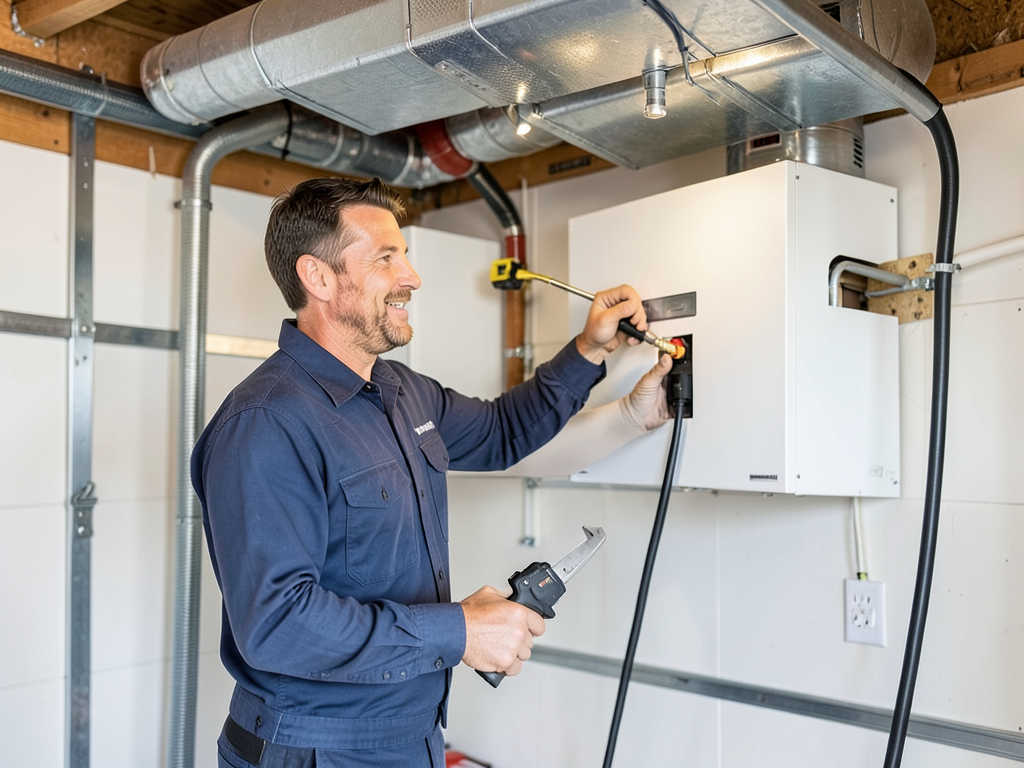
Once we identify the cause, we make the repair. This could mean replacing a failed capacitor, fixing a refrigerant leak, cleaning a frozen evaporator coil, or recalibrating your thermostat. We use OEM or equivalent parts and follow manufacturer torque specs and procedures. We do not rig fixes. Every repair is done to code and built to last.
03

Performance Verification

After the repair, we run your system through multiple cycles to verify proper operation. We measure runtime, check temperature split, and confirm the unit is not rapid cycling. We explain what we did, show you the old parts if applicable, and give you maintenance tips to prevent future problems. You get documentation of the work completed.

Why Memphis Homeowners Trust Ironwood HVAC for Short Cycling Repairs

Memphis summers are miserable when your AC will not stay on. You need a technician who understands local equipment and local conditions.

Ironwood HVAC Memphis has repaired short cycling in every neighborhood from Midtown to Cordova. We know the common issues with older Carrier and Trane systems installed in 1990s homes. We know how ductwork in crawlspaces gets crushed or disconnected. We understand how humidity affects refrigerant performance and coil icing.

We also understand Memphis building codes and local inspection requirements. If your system was installed incorrectly or has an undersized or oversized unit, we document it and explain your options for compliance and efficiency.

Our technicians are trained on all major brands. We carry diagnostic equipment that most companies do not own. We do not show up and guess. We measure, test, and verify. You get real answers, not a sales pitch.

We also respect your time. We arrive when we say we will. We explain the problem in plain language. We give you a fixed price before we start the repair. No surprises. No upselling. No pressure.

Short cycling damages your compressor and heat exchanger. These are expensive components. Catching the problem early saves you money. We have seen compressors fail after months of rapid cycling. We have replaced heat exchangers cracked from thermal stress. Waiting makes the repair more expensive.

You deserve a system that runs efficiently and keeps your home comfortable. That is what we deliver.

What to Expect When You Call for Short Cycling Repair

Fast Response Time

We know short cycling is frustrating and expensive. You are losing money every hour your system runs incorrectly. We prioritize rapid cycling calls because the problem gets worse the longer it continues. Most service calls are scheduled within 24 hours. We give you a clear arrival window and call ahead when we are on the way. Emergency availability is offered for systems that have completely failed.

Thorough System Evaluation

Our diagnostic process is comprehensive. We test every component that could cause short cycling. You get a detailed explanation of what we found, why it is causing the problem, and what needs to be done to fix it. We use digital manifold gauges, multimeters, and infrared thermometers to measure exact performance. You see the data. We walk you through it. No confusing jargon. No vague explanations.

Reliable, Lasting Repairs

We fix the cause, not the symptom. If your capacitor failed because of voltage spikes, we check your electrical service and recommend surge protection. If your coil iced because of low refrigerant, we find and repair the leak before recharging. Every repair is tested and verified. We run your system through multiple cycles to make sure it operates correctly. You get documentation of the work completed and the parts installed.

Maintenance Recommendations

After we repair short cycling, we explain how to prevent it from happening again. This usually means regular filter changes, annual maintenance, and keeping outdoor units clear of debris. We offer maintenance plans that include coil cleaning, refrigerant checks, and electrical inspections. Preventive maintenance catches problems before they cause rapid cycling. You avoid emergency repairs and extend the life of your system.

Frequently Asked Questions

You Have Questions,
We Have Answers

What is the most common cause of short cycling? +

In Memphis, a dirty air filter is the most common culprit. High humidity and pollen levels clog filters fast, restricting airflow and forcing your unit to overheat and shut down prematurely. Refrigerant leaks are the second leading cause, especially in older systems exposed to freeze-thaw cycles. Oversized equipment also triggers short cycling because the unit cools your space too quickly and cycles off before completing a full run. Low refrigerant, frozen evaporator coils, and failing thermostats round out the typical causes. Regular filter changes every 30 days during Memphis summers prevent most short cycling issues.

How do you fix short cycling? +

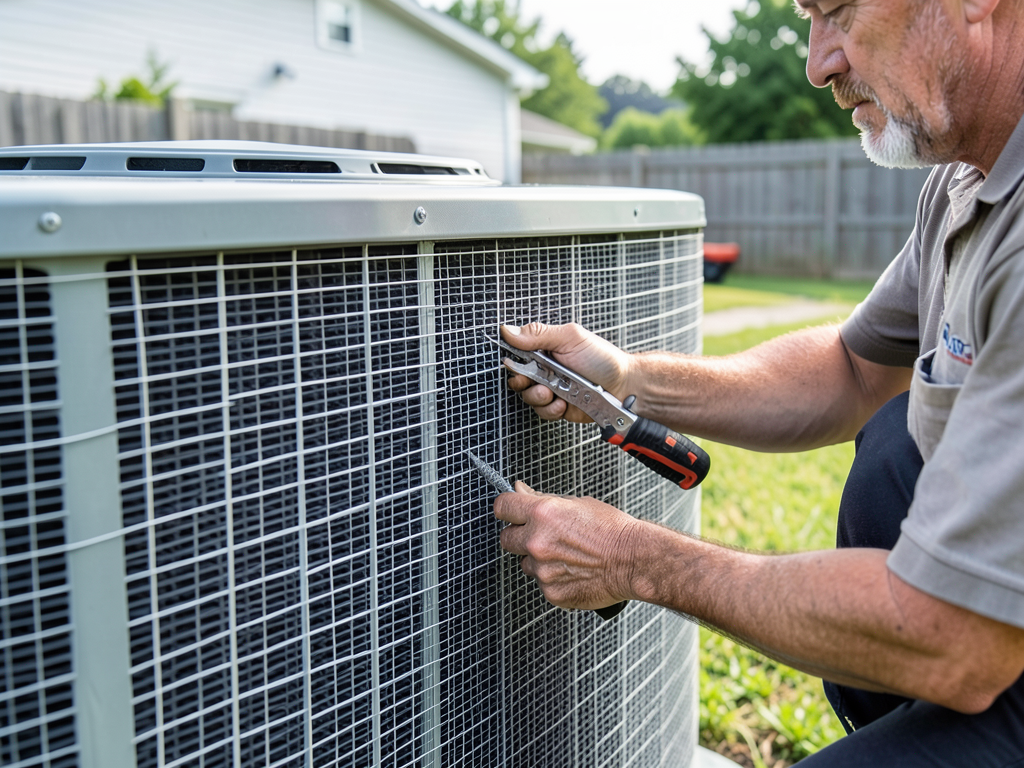
Start by replacing your air filter. If short cycling continues, check your thermostat placement. Memphis homes often have thermostats near heat sources like windows or kitchens, causing false readings. Next, inspect your outdoor unit for debris or blocked airflow. Clear leaves and dirt from the condenser coils. If refrigerant levels are low, you need a licensed technician to locate the leak and recharge the system. Frozen evaporator coils require professional defrosting and diagnosis. Oversized units need replacement with properly sized equipment. Never ignore short cycling. It doubles your energy bills and shortens compressor lifespan.

How many minutes is considered short cycling? +

A normal cooling cycle runs 10 to 15 minutes before shutting off. Short cycling happens when your AC runs for less than 7 minutes per cycle. In Memphis humidity, you might see cycles as brief as 3 to 5 minutes when something is wrong. Your system should complete at least two full cycles per hour, but no more than four. Count the time from startup to shutdown. If your unit kicks on, runs briefly, shuts off, then repeats within minutes, you have a short cycling problem that needs immediate attention before compressor damage occurs.

Should I turn my AC off if it's short cycling? +

Yes, turn it off immediately. Short cycling overheats the compressor and can cause permanent damage within hours. The repeated startup surge draws massive electrical current, stressing internal components and driving up your power bill. Memphis summer heat makes compressor failure worse because the unit never gets proper cooling time between cycles. Turn off your system at the thermostat, then check your air filter. If the filter is clean, call a technician before restarting. Running a short cycling AC causes more damage than the temporary discomfort of waiting for repairs. Use fans while you wait.

Can a thermostat cause short cycling? +

Absolutely. A failing thermostat sends incorrect signals to your system, triggering premature shutdowns. Memphis homes with thermostats mounted on exterior walls or near windows often experience false temperature readings due to radiant heat. The thermostat thinks the house is cool when it is not, shutting the system off too early. Loose wiring, dead batteries, or dirt buildup inside the thermostat also cause erratic cycling. Older mercury thermostats lose calibration over time. If your thermostat is over 10 years old or mounted in direct sunlight, replacement often solves short cycling without expensive repairs.

How to unclog an expansion valve in a car? +

This question does not relate to HVAC short cycling. Automotive AC expansion valves require different tools and refrigerant handling than residential systems. If you are experiencing car AC issues, consult an automotive technician. For your Memphis home HVAC system, expansion valve problems are rare but cause similar short cycling symptoms. A clogged expansion valve restricts refrigerant flow, creating pressure imbalances. Only licensed HVAC technicians should service residential expansion valves because refrigerant handling requires EPA certification. Attempting DIY repairs voids warranties and violates federal law. Focus on home HVAC maintenance, not automotive repairs.

How to tell if HVAC is short cycling? +

Listen for frequent clicking sounds as your compressor turns on and off rapidly. Walk outside and watch your condensing unit. If it runs for less than 7 minutes before shutting down, then restarts within minutes, you have short cycling. Inside, feel your vents. Airflow should remain steady for 10 to 15 minutes per cycle. Memphis homeowners often notice their thermostat never reaches the set temperature because the system shuts off too early. Check your utility app for abnormal energy spikes. Short cycling causes jagged power consumption patterns instead of smooth, consistent usage.

What is the $5000 AC rule? +

The $5,000 AC rule is a replacement guideline, not a short cycling fix. Multiply the repair cost by your system's age in years. If the total exceeds $5,000, replacement makes more financial sense than repair. For example, a $400 repair on a 10-year-old system equals $4,000, suggesting repair. The same repair on a 15-year-old unit equals $6,000, suggesting replacement. Memphis humidity shortens AC lifespan, so factor in local wear. This rule helps you avoid pouring money into aging equipment. Short cycling often signals end-of-life issues in systems over 12 years old.

What does short cycling look like? +

You hear the outdoor unit kick on with a loud hum, run for a few minutes, then abruptly shut off. Within minutes, it repeats the cycle. Your home never reaches the thermostat setting. You notice weak airflow from vents that stops and starts. Memphis homeowners often describe it as the AC running constantly but never cooling properly. The thermostat display shows the system cycling on and off repeatedly. Your power meter spins faster than normal due to constant compressor startups. Ice may form on refrigerant lines or the outdoor unit. These visual and audible cues confirm short cycling.

What is the 75% rule in cycling? +

The 75% rule applies to cycling training zones, not HVAC systems. It refers to keeping your heart rate at 75% maximum during endurance rides. This question does not relate to AC short cycling in Memphis homes. For HVAC purposes, focus on cycle duration and frequency instead. Your AC should run long enough to dehumidify your home, which Memphis humidity makes critical. Cycles shorter than 7 minutes indicate problems. Ignore cycling training advice when diagnosing your air conditioner. Proper HVAC cycling means 10 to 15 minute runs, adequate rest between cycles, and consistent temperature control.

How Memphis Humidity Accelerates Short Cycle Damage

Memphis sits on the Mississippi River, and summer humidity regularly hits 70 to 90 percent. When your AC short cycles, it never runs long enough to pull moisture out of the air. A properly functioning system runs for 15 to 20 minutes per cycle, which allows the evaporator coil to condense humidity. Rapid cycling means your coil only runs for two or three minutes. The air stays humid, your home feels uncomfortable, and mold risk increases. Memphis homes need consistent dehumidification, and short cycling prevents that.

Ironwood HVAC Memphis understands the demands placed on cooling systems in this climate. We have repaired short cycling in hundreds of homes across Shelby County. We know how local equipment performs under stress and which components fail most often in high-humidity conditions. Choosing a local contractor means you get someone who understands Memphis summers and the specific challenges they create for HVAC systems. We stock parts for the most common failures and know how to diagnose problems fast.
HVAC Services in The Memphis Area

Ironwood HVAC Memphis proudly serves the entire Memphis community and the surrounding counties. Our team is local, dedicated, and always ready to dispatch quickly to your residential or commercial location. View our central service area on the map below, or contact us directly to confirm if your specific neighborhood falls within our swift response zone. We look forward to bringing you reliable comfort.

Address:
Ironwood HVAC Memphis, 1661 International Dr, Memphis, TN, 38120

Additional Services We Offer

Our news updates

Latest Articles & News from The Blogs

Your home gym in Lakeland should feel energizing, not like a sauna. Yet many Memphis homeowners find their workout spaces…

Why your home gym in Lakeland feels stuffy and how to fix the ventilation

Your home gym in Lakeland should feel energizing, not like a sauna. Yet many Memphis homeowners find their workout spaces…

Choosing an air purifier that actually removes BBQ smoke in your Midtown backyard

Choosing an air purifier that actually removes BBQ smoke in your Midtown backyard Memphis summers bring backyard BBQs but the…

How to stop mice and squirrels from nesting in your outdoor unit in Eads

How to stop mice and squirrels from nesting in your outdoor unit in Eads Pests like mice and squirrels are…

Contact Us

If your system keeps turning on and off, call Ironwood HVAC Memphis today at (901) 640-3999. We will diagnose the problem, fix it right, and get your system running efficiently again.