
Why high-velocity HVAC systems are perfect for the tight spaces in Victorian Village homes
Victorian Village’s historic homes present unique cooling challenges. Built before central air existed these stately properties feature plaster walls crown molding and narrow wall cavities that make traditional ductwork installation nearly impossible. High-velocity HVAC systems solve this problem by using flexible two-inch mini-ducts that snake through existing cavities without damaging architectural details.. Read more about Getting Your HVAC System Ready for a Home Inspection in Bellearive.
The small-duct high-velocity (SDHV) technology delivers conditioned air through aspiration creating gentle circulation that eliminates hot and cold spots. Unlike conventional systems that require extensive demolition these systems preserve the integrity of your Victorian Village home while providing modern comfort. The compact units fit in closets or attics making them ideal for the space constraints common in historic Memphis architecture.. Read more about A guide to using Memphis energy rebates to lower the cost of a new furnace or AC.
Memphis summers create extreme demands on cooling systems. High-velocity units excel at humidity removal pulling 30% more moisture from the air than standard systems. This capability proves critical in Victorian Village where older windows and construction often allow humid air infiltration. The result is consistent comfort without the clammy feeling that plagues many historic homes.. Read more about Heating and Cooling Your New Sunroom in Nesbit the Right Way.
How small-duct high-velocity systems work in historic homes
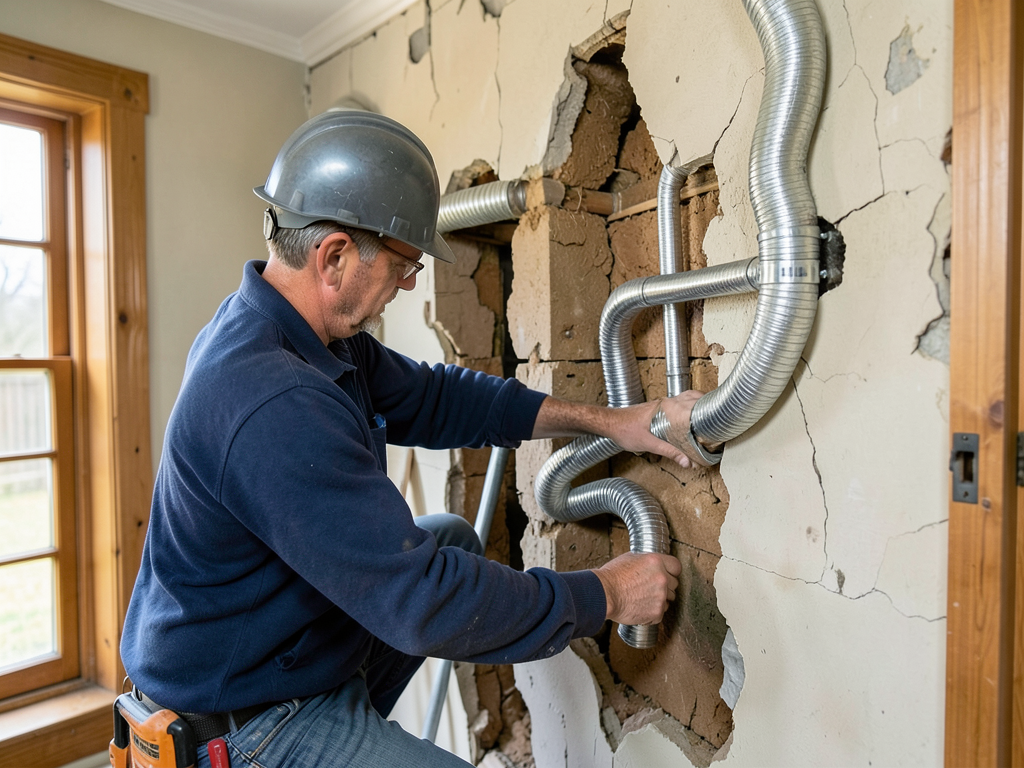
High-velocity systems operate on aspiration principles. Instead of dumping large volumes of air through big vents these systems push smaller amounts of air at higher speeds creating a mixing effect that distributes temperature evenly. The flexible mini-ducts install behind walls through existing cavities or above ceilings without requiring major structural modifications.
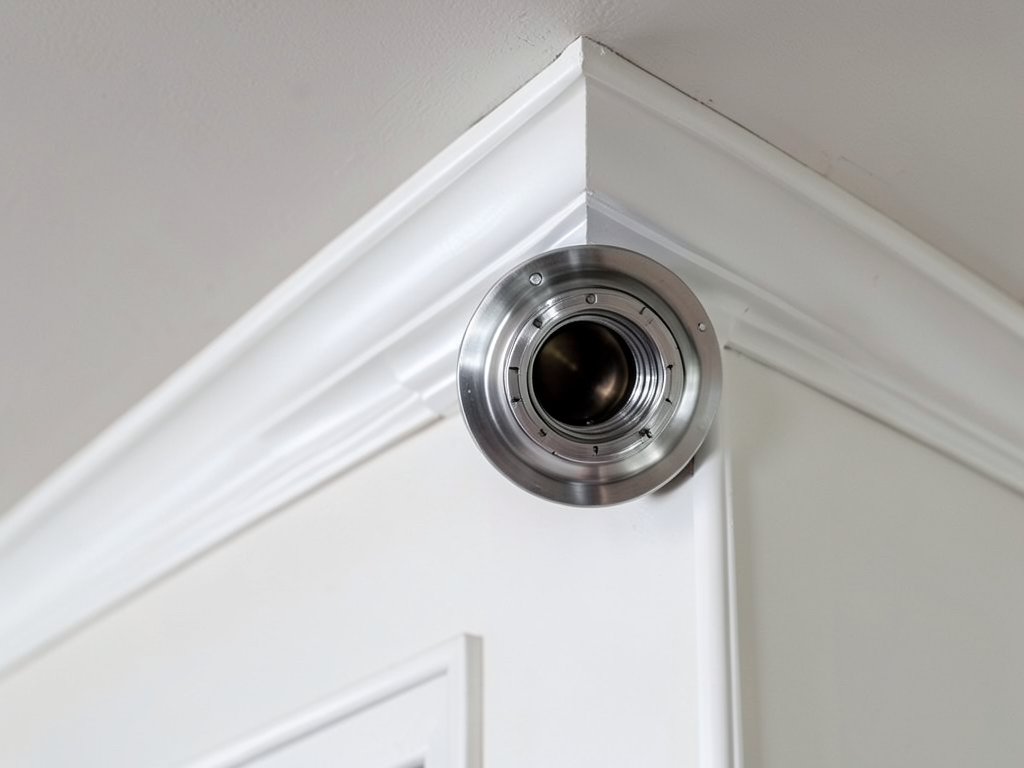
Installation requires careful planning to maintain your home’s character. Technicians map routes that avoid load-bearing walls and preserve decorative elements. The small supply outlets blend into existing architecture measuring just three inches in diameter. Return air systems integrate with existing floor registers or install discreetly in less visible locations.
The indoor units connect to outdoor condensing units through refrigerant lines and condensate drains. Most Victorian Village homes need one or two air handlers depending on square footage and layout. The systems operate at sound levels comparable to standard HVAC making them suitable for bedrooms and living spaces where quiet operation matters.. Read more about The hidden HVAC challenges of living in a Downtown Memphis high-rise or condo.
Benefits of high-velocity systems for Memphis historic homes
Humidity control represents the biggest advantage in Memphis’s climate. High-velocity systems remove 15-20% more moisture than conventional units helping prevent mold growth and musty odors common in older homes. The enhanced dehumidification means you can set thermostats higher while maintaining comfort reducing energy costs during peak summer months.
Installation speed and minimal disruption set these systems apart. A typical Victorian Village home retrofit completes in three to five days versus weeks for traditional ductwork. No plaster repair painting or extensive reconstruction means you can enjoy new cooling faster with less mess and expense. EPA humidity control guidelines.
The systems provide superior air filtration capturing allergens dust and pollutants that accumulate in older homes. This feature proves valuable in Memphis where high pollen counts and humidity create indoor air quality challenges. The enhanced filtration helps reduce allergy symptoms and creates healthier living environments for families.
Comparing high-velocity to traditional HVAC for Victorian Village
| Feature | High-Velocity HVAC | Traditional HVAC |
|---|---|---|
| Installation Time | 3-5 days | 2-4 weeks |
| Wall Modifications | Minimal cuts only | Extensive demolition |
| Humidity Removal | 30% more efficient | Standard capacity |
| Energy Efficiency | SEER2 16-20 | SEER2 14-18 |
| Noise Level | 40-50 dB | 50-60 dB |
Cost considerations favor high-velocity systems when factoring total project expenses. Traditional installations require extensive repairs to walls ceilings and trim work. High-velocity installations eliminate these secondary costs making the total investment comparable while preserving your home’s value and character.
Energy efficiency ratings for modern high-velocity units reach SEER2 20 providing substantial utility savings. The systems heat and cool faster than conventional units reducing run times and extending equipment life. These factors combine to deliver lower lifetime costs despite higher initial equipment prices.
Installation process for Victorian Village homes
The process begins with a comprehensive home assessment. Technicians evaluate your home’s layout electrical capacity and existing heating systems. They identify optimal routes for mini-ducts and determine equipment placement that maintains architectural integrity. This planning phase prevents surprises and ensures efficient installation.
Day one focuses on preparation and routing. Technicians create access points for mini-ducts typically through closets utility spaces or existing wall openings. They install mounting brackets for air handlers and run refrigerant lines to the outdoor unit location. This phase requires minimal structural modification.
Installation continues with mini-duct placement and connection. The flexible tubing routes through walls ceilings and floors following the predetermined path. Technicians secure ducts every few feet preventing sagging and ensuring proper airflow. Supply outlets install in final locations blending with existing architecture.
Final testing verifies system performance. Technicians check refrigerant charge airflow rates and condensate drainage. They calibrate thermostats and demonstrate system operation to homeowners. This quality control step ensures your new system delivers promised comfort and efficiency.
Maintenance and repair considerations
High-velocity systems require annual professional maintenance similar to conventional HVAC. Technicians clean coils check refrigerant levels and inspect electrical connections. The mini-ducts need periodic cleaning every three to five years to maintain optimal airflow and indoor air quality. Professional Heat Pump Replacement Services in Bartlett.
Common issues include clogged condensate drains frozen coils and thermostat malfunctions. These problems mirror conventional system failures but often prove easier to diagnose due to the systems’ modular design. Most repairs complete within a few hours minimizing homeowner inconvenience. Troubleshooting AC Issues.
Filter replacement remains the homeowner’s primary responsibility. The systems use specialized filters that trap smaller particles than standard HVAC filters. Replacing these filters every three months maintains efficiency and protects indoor air quality especially important in older homes with dust and allergen accumulation.
Cost factors and investment considerations
Equipment costs for high-velocity systems typically range 30-40% higher than conventional units. However when factoring installation complexity Victorian Village homes often find high-velocity systems more economical. The elimination of repair costs for plaster walls trim work and repainting significantly reduces total project expenses.
Energy savings provide ongoing returns on investment. The enhanced efficiency and humidity control allow higher thermostat settings without sacrificing comfort. Many homeowners report 15-25% reductions in cooling costs after installation particularly during Memphis’s long humid summers.
Property value impacts favor high-velocity installations. The preservation of historic character while adding modern comfort appeals to buyers and appraisers. Unlike conventional installations that damage architectural details high-velocity systems maintain your home’s historic integrity and market appeal.. Read more about Why your historic Evergreen home might need a specialized high-static blower system.
Why Victorian Village homeowners choose high-velocity HVAC
Victorian Village’s architectural significance creates unique HVAC challenges. The neighborhood’s homes built between 1880 and 1930 feature plaster walls decorative trim and narrow cavities incompatible with traditional ductwork. High-velocity systems solve these constraints while preserving the historic character that makes Victorian Village special.
The systems’ humidity control proves essential in Memphis’s climate. Victorian Village homes often suffer from moisture problems due to aging windows and construction methods. High-velocity units remove excess humidity preventing mold growth wood rot and the musty odors that plague many older homes.
Quiet operation matters in historic neighborhoods where homes sit close together. The systems’ low noise levels prevent disturbances to neighbors and maintain the peaceful atmosphere Victorian Village residents value. This consideration becomes crucial in densely built historic districts.. Read more about Managing HVAC for Your Pinch District Airbnb to Prevent Guest Complaints.
Environmental benefits and energy efficiency
Modern high-velocity systems use environmentally friendly refrigerants and achieve high efficiency ratings. The enhanced humidity control reduces cooling loads allowing systems to operate less frequently while maintaining comfort. This efficiency translates to lower carbon emissions and reduced environmental impact.
The systems’ longevity contributes to sustainability. With proper maintenance high-velocity units last 15-20 years comparable to conventional systems but without the replacement costs for damaged walls and trim. This durability reduces waste and the environmental impact of frequent replacements.
Energy efficiency rebates and incentives may apply to high-velocity installations. Check with MLGW and federal programs for current offerings. These incentives can offset initial costs making high-velocity systems even more attractive for Victorian Village homeowners.
Frequently Asked Questions
How long does high-velocity HVAC installation take in a Victorian Village home?
Most installations complete in three to five days depending on home size and complexity. The process includes assessment preparation installation and testing. This timeline contrasts sharply with traditional HVAC which often requires two to four weeks plus repair time for structural modifications.
Will high-velocity systems damage my historic plaster walls?
No. The systems use minimal penetration techniques creating only small access points for mini-ducts. Technicians work carefully to preserve plaster walls crown molding and other architectural details. The installation process actually protects your home’s historic character while adding modern comfort.
Are high-velocity systems more expensive than conventional HVAC?
Equipment costs run 30-40% higher but total project costs often prove comparable or lower. Traditional installations require extensive repairs to walls ceilings and trim work. High-velocity installations eliminate these secondary costs while preserving your home’s value and character.
How well do high-velocity systems handle Memphis humidity?
High-velocity units remove 30% more moisture than conventional systems making them ideal for Memphis’s humid climate. The enhanced dehumidification prevents mold growth and musty odors common in older homes. Many homeowners report improved comfort at higher thermostat settings due to better humidity control.
Can high-velocity systems heat my home too?
Yes. Most high-velocity systems provide both heating and cooling through heat pump technology. Some Victorian Village homes combine high-velocity cooling with existing radiant heating preserving original systems while adding modern air conditioning. Technicians can design hybrid solutions that maintain historic heating methods.
What maintenance do high-velocity systems require?
Annual professional maintenance includes coil cleaning refrigerant checks and electrical inspections. Homeowners should replace specialized filters every three months. Mini-ducts need professional cleaning every three to five years to maintain optimal airflow and air quality.
Will the system be noisy in my older home?
High-velocity systems operate at 40-50 decibels comparable to a quiet conversation. The indoor units mount in closets or attics keeping noise away from living spaces. Sound levels prove significantly lower than conventional systems making them suitable for bedrooms and quiet areas.. Read more about Keeping your backyard home office or She-Shed comfortable in Lakeland all year long.
How do I know if my home can accommodate high-velocity HVAC?
Most Victorian Village homes accommodate these systems well. A professional assessment evaluates your home’s layout electrical capacity and existing systems. Technicians identify optimal routing for mini-ducts and determine equipment placement that maintains architectural integrity.
What brands offer high-velocity HVAC systems?
Leading manufacturers include Unico System and SpacePak. These brands specialize in high-velocity technology offering various sizes and configurations for different home types. Both provide reliable equipment with good warranty coverage and local service support. The Best Way to Find a Reliable HVAC Contractor in Arlington.
How long do high-velocity systems typically last?
With proper maintenance high-velocity systems last 15-20 years comparable to conventional HVAC. The systems’ modular design often allows component replacement without system replacement extending overall life. Regular maintenance ensures optimal performance throughout the system’s lifespan.
Ready to upgrade your Victorian Village home’s comfort?
High-velocity HVAC systems offer the perfect solution for historic homes where traditional ductwork proves impossible. The technology preserves your home’s character while providing modern comfort and humidity control essential for Memphis living.
Call (901) 640-3999 today to schedule your free assessment. Our technicians understand Victorian Village’s unique requirements and can design a system that maintains your home’s historic integrity while delivering superior comfort. Don’t let another Memphis summer pass without proper cooling.
Pick up the phone and call (901) 640-3999 before the next heat wave hits. Your Victorian Village home deserves modern comfort without sacrificing its irreplaceable character. For more information, visit ASHRAE HVAC standards.
You may also find this helpful. The best way to cool your luxury wine cellar in Piperton or Eads.
You may also find this helpful. What you need to know before connecting a home addition to your existing HVAC in Arlington.
{
“@context”: “https://schema.org”,
“@type”: “BlogPosting”,
“headline”: “Why high-velocity HVAC systems are perfect for the tight spaces in Victorian Village homes”,
“description”: “Discover why high-velocity HVAC systems are ideal for Victorian Village’s historic homes. Learn about SDHV technology, Unico installation, and humidity control in Memphis.”,
“wordCount”: 1892,
“datePublished”: “2026-04-28T12:00:00.000Z”,
“dateModified”: “2026-04-28T12:00:00.000Z”,
“inLanguage”: “en-US”,
“mainEntityOfPage”: {
“@type”: “WebPage”,
“@id”: “https://ironwoodhvacmemphis.com”
},
“publisher”: {
“@type”: “LocalBusiness”,
“name”: “Ironwood HVAC Memphis”,
“url”: “https://ironwoodhvacmemphis.com”
},
“author”: {
“@type”: “Organization”,
“name”: “Ironwood HVAC Memphis”,
“url”: “https://ironwoodhvacmemphis.com”
},
“image”: {
“@type”: “ImageObject”,
“url”: “https://ironwoodhvacmemphis.com/wp-content/uploads/2026/03/why-high-velocity-hvac-systems-are-perfect-for-the-1.png”
}
}
{
“@context”: “https://schema.org”,
“@type”: “HVACBusiness”,
“name”: “Ironwood HVAC Memphis”,
“url”: “https://ironwoodhvacmemphis.com”,
“address”: {
“@type”: “PostalAddress”,
“addressLocality”: “Memphis”
},
“areaServed”: {
“@type”: “City”,
“name”: “Memphis”
}
}
{
“@context”: “https://schema.org”,
“@type”: “FAQPage”,
“mainEntity”: [
{
“@type”: “Question”,
“name”: “How long does high-velocity HVAC installation take in a Victorian Village home?”,
“acceptedAnswer”: {
“@type”: “Answer”,
“text”: “Most installations complete in three to five days depending on home size and complexity. The process includes assessment preparation installation and testing. This timeline contrasts sharply with traditional HVAC which often requires two to four weeks plus repair time for structural modifications.”
}
},
{
“@type”: “Question”,
“name”: “Will high-velocity systems damage my historic plaster walls?”,
“acceptedAnswer”: {
“@type”: “Answer”,
“text”: “No. The systems use minimal penetration techniques creating only small access points for mini-ducts. Technicians work carefully to preserve plaster walls crown molding and other architectural details. The installation process actually protects your home’s historic character while adding modern comfort.”
}
},
{
“@type”: “Question”,
“name”: “Are high-velocity systems more expensive than conventional HVAC?”,
“acceptedAnswer”: {
“@type”: “Answer”,
“text”: “Equipment costs run 30-40% higher but total project costs often prove comparable or lower. Traditional installations require extensive repairs to walls ceilings and trim work. High-velocity installations eliminate these secondary costs while preserving your home’s value and character.”
}
},
{
“@type”: “Question”,
“name”: “How well do high-velocity systems handle Memphis humidity?”,
“acceptedAnswer”: {
“@type”: “Answer”,
“text”: “High-velocity units remove 30% more moisture than conventional systems making them ideal for Memphis’s humid climate. The enhanced dehumidification prevents mold growth and musty odors common in older homes. Many homeowners report improved comfort at higher thermostat settings due to better humidity control.”
}
},
{
“@type”: “Question”,
“name”: “Can high-velocity systems heat my home too?”,
“acceptedAnswer”: {
“@type”: “Answer”,
“text”: “Yes. Most high-velocity systems provide both heating and cooling through heat pump technology. Some Victorian Village homes combine high-velocity cooling with existing radiant heating preserving original systems while adding modern air conditioning. Technicians can design hybrid solutions that maintain historic heating methods.”
}
},
{
“@type”: “Question”,
“name”: “What maintenance do high-velocity systems require?”,
“acceptedAnswer”: {
“@type”: “Answer”,
“text”: “Annual professional maintenance includes coil cleaning refrigerant checks and electrical inspections. Homeowners should replace specialized filters every three months. Mini-ducts need professional cleaning every three to five years to maintain optimal airflow and air quality.”
}
},
{
“@type”: “Question”,
“name”: “Will the system be noisy in my older home?”,
“acceptedAnswer”: {
“@type”: “Answer”,
“text”: “High-velocity systems operate at 40-50 decibels comparable to a quiet conversation. The indoor units mount in closets or attics keeping noise away from living spaces. Sound levels prove significantly lower than conventional systems making them suitable for bedrooms and quiet areas.”
}
},
{
“@type”: “Question”,
“name”: “What brands offer high-velocity HVAC systems?”,
“acceptedAnswer”: {
“@type”: “Answer”,
“text”: “Leading manufacturers include Unico System and SpacePak. These brands specialize in high-velocity technology offering various sizes and configurations for different home types. Both provide reliable equipment with good warranty coverage and local service support. The Best Way to Find a Reliable HVAC Contractor in Arlington.”
}
},
{
“@type”: “Question”,
“name”: “How long do high-velocity systems typically last?”,
“acceptedAnswer”: {
“@type”: “Answer”,
“text”: “With proper maintenance high-velocity systems last 15-20 years comparable to conventional HVAC. The systems’ modular design often allows component replacement without system replacement extending overall life. Regular maintenance ensures optimal performance throughout the system’s lifespan.”
}
},
{
“@type”: “Question”,
“name”: “Ready to upgrade your Victorian Village home’s comfort?”,
“acceptedAnswer”: {
“@type”: “Answer”,
“text”: “High-velocity HVAC systems offer the perfect solution for historic homes where traditional ductwork proves impossible. The technology preserves your home’s character while providing modern comfort and humidity control essential for Memphis living.”
}
}
]
}
{
“@context”: “https://schema.org”,
“@type”: “BreadcrumbList”,
“itemListElement”: [
{
“@type”: “ListItem”,
“position”: 1,
“name”: “Home”,
“item”: “https://ironwoodhvacmemphis.com”
},
{
“@type”: “ListItem”,
“position”: 2,
“name”: “Blog”,
“item”: “https://ironwoodhvacmemphis.com/blog”
},
{
“@type”: “ListItem”,
“position”: 3,
“name”: “Why high-velocity HVAC systems are perfect for the tight spaces in Victorian Village homes”
}
]
}
{
“@context”: “https://schema.org”,
“@type”: “Service”,
“serviceType”: “HVAC”,
“provider”: {
“@type”: “LocalBusiness”,
“name”: “Ironwood HVAC Memphis”,
“url”: “https://ironwoodhvacmemphis.com”
},
“areaServed”: {
“@type”: “City”,
“name”: “Memphis”
},
“description”: “Discover why high-velocity HVAC systems are ideal for Victorian Village’s historic homes. Learn about SDHV technology, Unico installation, and humidity control in Memphis.”
}