
Memphis summers push 90% humidity through century-old plaster walls and cypress siding. Your Evergreen Victorian’s original ductwork was built for coal heat and window fans, not modern cooling. That narrow 6-inch ductwork creates high static pressure that standard blowers simply cannot overcome. The result is hot spots, cold drafts, and energy bills that climb every summer. Memphis Landmarks Commission guidelines.
High-static blowers are engineered specifically for these conditions. They maintain proper airflow through restricted passages while preserving your home’s historic character. The technology exists to cool your home without tearing into irreplaceable plaster or removing original trim work.. Read more about Is it worth moving your thermostat to a different wall in your Midtown house?.
The Unique Challenges of HVAC in Historic Memphis Homes
Historic homes in Evergreen and surrounding Midtown neighborhoods face specific HVAC challenges that modern tract homes never encounter. The original builders never anticipated air conditioning. They relied on 12-foot ceilings, transom windows, and cross-ventilation to manage heat. Those design elements now work against efficient cooling.
Lath and plaster walls cannot be cut without extensive repair. Original hardwood floors cannot be lifted without damage. Many homes have knob-and-tube wiring that cannot support modern HVAC electrical loads. These constraints require specialized solutions that standard contractors rarely understand. The Best Way to Find a Reliable HVAC Contractor in Arlington.
Memphis Landmarks Commission guidelines add another layer of complexity. Any exterior modifications require approval. Condenser units must be placed discreetly. Ductwork penetrations through historic facades are heavily restricted. You need a contractor who understands both the technical requirements and the preservation rules.
Preserving Architectural Integrity with Non-Invasive Cooling Solutions
Modern high-velocity HVAC systems solve the historic home dilemma. Systems like Unico and SpacePak use 2-inch flexible ducts that fit inside existing wall cavities. These narrow tubes snake through the home without requiring demolition. The small outlets can be placed in ceilings or floors where they remain nearly invisible.
The key is the specialized blower. Standard residential blowers fail when static pressure exceeds 0.5 inches of water column. High-static blowers maintain efficiency at 1.0 to 1.5 inches. This extra capacity pushes air through the restrictive historic ductwork while maintaining proper temperature control.
Installation requires minimal structural impact. Technicians use existing chases, floor cavities, and attic spaces. They avoid cutting into load-bearing walls. The process preserves original plaster while delivering modern comfort. Most installations complete in under a week with no visible damage to historic features.
High-Velocity Systems vs Ductless Mini-Splits: Which is Best for Midtown
Both systems work in historic homes but serve different needs. High-velocity systems provide whole-house cooling through a single network of ducts. Ductless mini-splits cool individual rooms through wall-mounted heads. The choice depends on your home’s layout and your comfort preferences.
High-velocity systems excel in homes with multiple stories or complex layouts. They deliver consistent temperatures throughout the house. The small ducts can route around obstacles that block larger ductwork. However, they require attic or basement space for the main unit and air handler.
Ductless mini-splits offer easier installation in homes without attic access. Each room gets independent temperature control. The outdoor units connect through small wall penetrations. But you sacrifice the seamless appearance of traditional vents. Multiple outdoor units may be needed for whole-house coverage.
| Feature | High-Velocity System | Ductless Mini-Split |
|---|---|---|
| Installation Impact | Minimal wall cutting | Small wall penetrations |
| Whole House Coverage | Yes | Room by room |
| Energy Efficiency | SEER2 ratings up to 20 | SEER2 ratings up to 25 |
| Historic Preservation | Excellent | Good |
| Memphis Landmarks Approval | Easier exterior | Multiple units visible |
Navigating Memphis Landmarks Commission and Local Building Codes
Memphis Landmarks Commission Section 5.301 governs exterior modifications in historic districts. Any HVAC installation visible from the street requires commission approval. This includes condenser placement, duct penetrations, and vent locations. The process typically takes 30 days for standard requests.
Shelby County Building Code Chapter 13 covers mechanical systems. Historic homes often require electrical upgrades to support modern HVAC. Many older homes lack dedicated circuits for air conditioning. The code mandates proper grounding and overload protection for all new installations.
MLGW safety standards affect installation timing. The utility requires permits before energizing new HVAC systems. They inspect electrical connections and verify proper sizing. This process prevents overloads on older electrical infrastructure common in historic neighborhoods. MLGW safety standards and permits.
Working with a contractor familiar with these requirements prevents costly delays. They prepare the proper documentation and coordinate inspections. They understand which modifications will gain approval and which will face rejection. This expertise saves weeks of back-and-forth with city agencies.
Case Study: Modernizing a Central Gardens Victorian Home
A 1908 Central Gardens home presented classic historic HVAC challenges. The homeowner wanted modern cooling without damaging original plaster or removing historic windows. The home had 4,200 square feet with three floors and no attic access.. Read more about Why your garage apartment in Central Gardens needs its own ventilation system.
The solution involved a high-velocity system with a compact air handler in the basement. Technicians routed 2-inch ducts through existing floor cavities. They placed outlets in ceilings where they remained nearly invisible. The condenser unit went on the rear patio where it would not be visible from the street.
The installation preserved all original features. No plaster was cut. No window sashes were modified. The system achieved 16 SEER2 efficiency while maintaining the home’s historic character. The homeowner reported even temperatures throughout the house for the first time in summer.
This project demonstrates how modern technology solves historic home problems. The specialized blower handled the high static pressure from narrow ducts. The flexible tubing routed through tight spaces. The result was modern comfort without sacrificing architectural integrity.
Energy Efficiency in Drafty Historic Homes
Historic homes leak air through every crack and joint. This infiltration works against HVAC efficiency. Standard calculations assume tight modern construction. Historic homes require different approaches to achieve reasonable energy bills.
High-static blowers help by maintaining proper airflow despite leaks. They compensate for the constant air exchange that occurs in older homes. This prevents the short-cycling that wastes energy in leaky buildings. The blower runs longer but more efficiently than standard units.
SEER2 ratings matter more in historic homes. Higher efficiency offsets the increased cooling load from air infiltration. Modern high-static systems achieve 18-20 SEER2 while older standard units struggle to reach 14 SEER. This efficiency difference cuts summer utility bills significantly.
Humidity control becomes critical in drafty homes. The constant air exchange brings in humid outside air. High-static systems include enhanced dehumidification cycles. They remove moisture while maintaining temperature. This prevents the clammy feeling that plagues many historic home cooling attempts.
The Installation Process: What to Expect When Cutting into Lath and Plaster
Professional installers follow specific protocols for historic homes. They begin with detailed mapping of existing structures. They identify load-bearing walls, original chases, and electrical runs. This planning prevents costly mistakes during installation. Professional Heat Pump Replacement Services in Bartlett.
Technicians use specialized tools for plaster work. Oscillating saws with fine-tooth blades minimize vibration damage. They score plaster before cutting to prevent cracking. They patch any necessary cuts with materials matching the original texture and finish.
Electrical coordination proves critical. Many historic homes have undersized service panels. Installers coordinate with electricians to upgrade service if needed. They install dedicated circuits for HVAC equipment. This prevents overloads that could damage both the new system and existing wiring.
The process typically follows this sequence:
- Site Assessment
Detailed inspection of existing structures and electrical capacity
- Design Planning
Routing maps for ducts and electrical runs
- Electrical Preparation
Service upgrades and dedicated circuit installation
- Duct Installation
Routing flexible ducts through existing cavities
- Outlet Placement
Strategic positioning of supply and return vents
- System Testing
Verification of airflow and temperature control
- Commissioning
Final adjustments and homeowner training
Local Maintenance: Dealing with Memphis-Specific Pollutants and Seasonal Shifts
Memphis air carries unique challenges for historic HVAC systems. High pollen counts from the Mississippi River Valley clog filters quickly. Cottonwood seeds in late spring create particular problems for outdoor units. The clay soil produces fine dust that infiltrates duct systems.
Seasonal shifts in Memphis create stress on historic home HVAC. Spring thunderstorms bring humidity spikes that overwhelm standard dehumidification. Summer heat waves push systems to maximum capacity. Winter cold snaps reveal inadequate insulation common in older homes.
Regular maintenance prevents system failures during extreme weather. Filters need replacement every 30-45 days instead of the standard 90. Condenser coils require cleaning twice yearly to remove pollen and debris. Duct systems benefit from periodic cleaning to remove accumulated dust.
Professional maintenance includes specific checks for historic home issues. Technicians inspect for air leaks around duct connections. They verify that high-static blowers maintain proper pressure. They check that humidity control functions correctly through seasonal changes. Troubleshooting AC Issues.
Cost Factors and Investment Considerations
High-static HVAC systems cost more upfront than standard installations. The specialized blowers, flexible ducts, and custom design add 15-25% to base costs. However, these systems often prove more economical long-term due to higher efficiency and fewer structural repairs.
Energy savings offset the initial investment. A 20 SEER2 system cuts cooling costs 30-40% compared to older 10 SEER equipment. In Memphis’s long cooling season, these savings accumulate quickly. Most homeowners recover the premium cost within 3-5 years through utility savings.
Preservation value adds another dimension to cost considerations. Maintaining original plaster and woodwork prevents expensive restoration later. The specialized installation avoids the structural damage that standard contractors might cause. This protection preserves both the home’s character and its market value.
Available incentives can reduce net costs. MLGW offers rebates for high-efficiency equipment. Federal tax credits apply to qualifying HVAC upgrades. Some historic district associations provide grants for preservation-friendly improvements. These programs can cut total investment by thousands of dollars.
Why Local Expertise Matters for Your Historic Home
Memphis historic homes require contractors who understand local conditions. The clay soil affects foundation stability. The high water table influences basement moisture. The specific architectural styles common to Evergreen and Midtown have unique structural characteristics.
Local contractors know which materials work in Memphis humidity. They understand how temperature swings affect historic wood framing. They recognize the signs of moisture damage common in older homes. This knowledge prevents the mistakes that out-of-area contractors often make.
Experience with Memphis Landmarks Commission proves essential. The approval process varies by district and even by street. Some neighborhoods require specific materials or colors. Some have strict limits on equipment visibility. A contractor who has worked in your specific district knows these requirements.
The diagnostic process differs for historic homes. Technicians use specialized tools to measure static pressure through existing ducts. They assess electrical capacity without damaging original wiring. They evaluate moisture levels in historic materials. This thorough assessment ensures the right system for your specific home.

Diagram showing how high-static blowers maintain airflow through narrow historic ductwork while standard blowers lose efficiency.
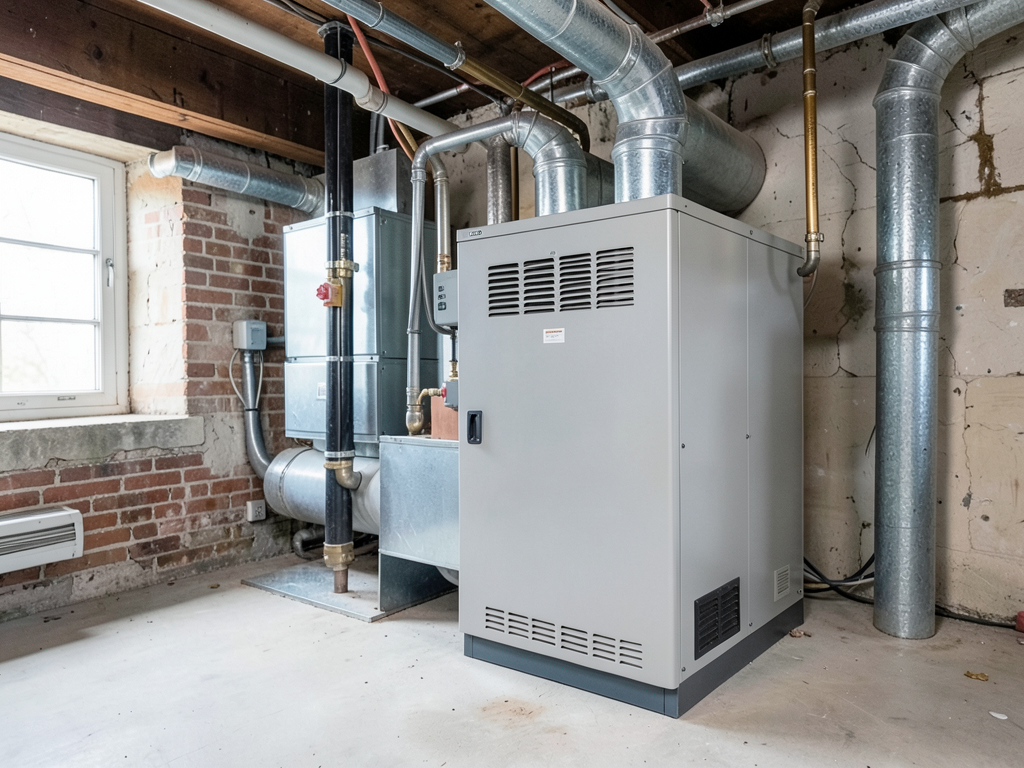
Photo of a high-velocity HVAC outlet installed in a historic ceiling where it remains nearly invisible among original plaster details.
Technician using specialized diagnostic equipment to measure static pressure in existing historic ductwork before system design.
Frequently Asked Questions
Will high-static HVAC damage my historic plaster walls?
No. High-static systems use flexible 2-inch ducts that route through existing cavities. Professional installers avoid cutting plaster whenever possible. When small penetrations are necessary, they use specialized tools that prevent cracking and match original textures for any patches.
How long does installation take in a historic home?
Most high-static HVAC installations in historic homes complete in 4-7 days. The process includes detailed planning, careful routing through existing structures, and thorough testing. Complex three-story homes may require up to two weeks for complete installation.
Do I need Memphis Landmarks Commission approval?
You need approval for any visible exterior modifications including condenser placement and duct penetrations through historic facades. Interior work typically does not require commission review. A local contractor familiar with the process can prepare the necessary documentation and submit applications.
Are high-static systems more expensive to operate?
No. High-static systems often cost less to operate than standard HVAC. They achieve 18-20 SEER2 efficiency compared to 14 SEER for older equipment. The higher efficiency offsets the increased cooling load from air infiltration common in historic homes.
Can I keep my radiators if I install high-static cooling?
Yes. High-static systems provide cooling only. You can maintain your existing boiler and radiators for heating. This hybrid approach preserves historic heating elements while adding modern cooling. Many homeowners choose this option to maintain authentic historic character year-round.
Historic Evergreen homes deserve cooling solutions that respect their character while delivering modern comfort. High-static blower systems provide that balance through specialized engineering and careful installation. The technology exists to solve your hot spot problems without sacrificing irreplaceable architectural details.
Every historic home presents unique challenges. Your specific layout, construction methods, and preservation requirements demand a customized approach. Standard contractors rarely understand these nuances. You need a specialist who has solved these problems before in Memphis’s historic districts.
The humid Memphis summers will only get more intense. Your historic home’s cooling problems will not solve themselves. Waiting means another season of discomfort and rising utility bills. The solution exists, but it requires the right expertise and equipment.
Call (901) 640-3999 today to schedule your inspection. We will assess your home’s specific needs and design a system that preserves your historic character while delivering reliable cooling. Don’t let another summer pass with rooms that never feel comfortable. Pick up the phone and call (901) 640-3999 before the next heat wave hits. Reliable Emergency Furnace Repair for Families in Collierville.
{
“@context”: “https://schema.org”,
“@type”: “BlogPosting”,
“headline”: “Why your historic Evergreen home might need a specialized high-static blower system”,
“description”: “Historic Evergreen homes need specialized HVAC solutions. Learn why high-static blowers solve narrow ductwork issues and preserve architectural integrity.”,
“wordCount”: 2220,
“datePublished”: “2026-05-14T13:54:00.000Z”,
“dateModified”: “2026-05-14T13:54:00.000Z”,
“inLanguage”: “en-US”,
“mainEntityOfPage”: {
“@type”: “WebPage”,
“@id”: “https://ironwoodhvacmemphis.com”
},
“publisher”: {
“@type”: “LocalBusiness”,
“name”: “Ironwood HVAC Memphis”,
“url”: “https://ironwoodhvacmemphis.com”
},
“author”: {
“@type”: “Organization”,
“name”: “Ironwood HVAC Memphis”,
“url”: “https://ironwoodhvacmemphis.com”
},
“image”: {
“@type”: “ImageObject”,
“url”: “https://ironwoodhvacmemphis.com/wp-content/uploads/2026/03/why-your-historic-evergreen-home-might-need-a-spec-1.png”
}
}
{
“@context”: “https://schema.org”,
“@type”: “HVACBusiness”,
“name”: “Ironwood HVAC Memphis”,
“url”: “https://ironwoodhvacmemphis.com”,
“address”: {
“@type”: “PostalAddress”,
“addressLocality”: “Memphis”
},
“areaServed”: {
“@type”: “City”,
“name”: “Memphis”
}
}
{
“@context”: “https://schema.org”,
“@type”: “FAQPage”,
“mainEntity”: [
{
“@type”: “Question”,
“name”: “Will high-static HVAC damage my historic plaster walls?”,
“acceptedAnswer”: {
“@type”: “Answer”,
“text”: “No. High-static systems use flexible 2-inch ducts that route through existing cavities. Professional installers avoid cutting plaster whenever possible. When small penetrations are necessary, they use specialized tools that prevent cracking and match original textures for any patches.”
}
},
{
“@type”: “Question”,
“name”: “How long does installation take in a historic home?”,
“acceptedAnswer”: {
“@type”: “Answer”,
“text”: “Most high-static HVAC installations in historic homes complete in 4-7 days. The process includes detailed planning, careful routing through existing structures, and thorough testing. Complex three-story homes may require up to two weeks for complete installation.”
}
},
{
“@type”: “Question”,
“name”: “Do I need Memphis Landmarks Commission approval?”,
“acceptedAnswer”: {
“@type”: “Answer”,
“text”: “You need approval for any visible exterior modifications including condenser placement and duct penetrations through historic facades. Interior work typically does not require commission review. A local contractor familiar with the process can prepare the necessary documentation and submit applications.”
}
},
{
“@type”: “Question”,
“name”: “Are high-static systems more expensive to operate?”,
“acceptedAnswer”: {
“@type”: “Answer”,
“text”: “No. High-static systems often cost less to operate than standard HVAC. They achieve 18-20 SEER2 efficiency compared to 14 SEER for older equipment. The higher efficiency offsets the increased cooling load from air infiltration common in historic homes.”
}
},
{
“@type”: “Question”,
“name”: “Can I keep my radiators if I install high-static cooling?”,
“acceptedAnswer”: {
“@type”: “Answer”,
“text”: “Yes. High-static systems provide cooling only. You can maintain your existing boiler and radiators for heating. This hybrid approach preserves historic heating elements while adding modern cooling. Many homeowners choose this option to maintain authentic historic character year-round.”
}
}
]
}
{
“@context”: “https://schema.org”,
“@type”: “HowTo”,
“name”: “Historic HVAC Installation Process”,
“step”: [
{
“@type”: “HowToStep”,
“position”: 1,
“name”: “Site Assessment”,
“text”: “Detailed inspection of existing structures and electrical capacity”
},
{
“@type”: “HowToStep”,
“position”: 2,
“name”: “Design Planning”,
“text”: “Routing maps for ducts and electrical runs”
},
{
“@type”: “HowToStep”,
“position”: 3,
“name”: “Electrical Preparation”,
“text”: “Service upgrades and dedicated circuit installation”
},
{
“@type”: “HowToStep”,
“position”: 4,
“name”: “Duct Installation”,
“text”: “Routing flexible ducts through existing cavities”
},
{
“@type”: “HowToStep”,
“position”: 5,
“name”: “Outlet Placement”,
“text”: “Strategic positioning of supply and return vents”
},
{
“@type”: “HowToStep”,
“position”: 6,
“name”: “System Testing”,
“text”: “Verification of airflow and temperature control”
},
{
“@type”: “HowToStep”,
“position”: 7,
“name”: “Commissioning”,
“text”: “Final adjustments and homeowner training”
}
],
“image”: “https://ironwoodhvacmemphis.com/wp-content/uploads/2026/03/why-your-historic-evergreen-home-might-need-a-spec-1.png”
}
{
“@context”: “https://schema.org”,
“@type”: “BreadcrumbList”,
“itemListElement”: [
{
“@type”: “ListItem”,
“position”: 1,
“name”: “Home”,
“item”: “https://ironwoodhvacmemphis.com”
},
{
“@type”: “ListItem”,
“position”: 2,
“name”: “Blog”,
“item”: “https://ironwoodhvacmemphis.com/blog”
},
{
“@type”: “ListItem”,
“position”: 3,
“name”: “Why your historic Evergreen home might need a specialized high-static blower system”
}
]
}
{
“@context”: “https://schema.org”,
“@type”: “Service”,
“serviceType”: “HVAC”,
“provider”: {
“@type”: “LocalBusiness”,
“name”: “Ironwood HVAC Memphis”,
“url”: “https://ironwoodhvacmemphis.com”
},
“areaServed”: {
“@type”: “City”,
“name”: “Memphis”
},
“description”: “Historic Evergreen homes need specialized HVAC solutions. Learn why high-static blowers solve narrow ductwork issues and preserve architectural integrity.”
}