The real reason your energy bills spike every July in Southaven
Memphis summers hit hard. By July, your air conditioner runs nonstop battling both heat and humidity. If your MLGW bill suddenly jumps, you’re not alone. The Mid-South’s thick summer air forces HVAC systems to work overtime, and hidden problems in your home make it worse. MLGW.
High humidity makes 90 degrees feel like 100. Your AC must cool AND dehumidify the air, doubling its workload. Combine that with aging equipment, leaky ducts, or poor insulation, and your system runs constantly just to keep up. The result: energy bills that shock you every July.
How Memphis humidity drives up your cooling costs
Memphis sits in the Mississippi Delta where dew points often exceed 70 degrees in July. That sticky air holds more moisture than systems in drier climates are designed to handle. Your AC must remove this moisture before it can cool effectively, which means longer run times and higher electricity use.. Read more about Keeping your Arlington home cool when the Memphis humidity hits 90 percent.
Standard AC units remove about 1-2 pints of water per hour under normal conditions. In Memphis humidity, they extract 3-4 pints hourly. This extra work shows up on your MLGW bill as kilowatt-hours pile up when your system runs 12-16 hours daily instead of the typical 8-10.. Read more about The best thermostat settings for Memphis weather to save money without freezing.
Pro Tip: A properly sized AC removes humidity in 7-10 minutes of run time. If your system runs continuously for 30+ minutes without cycling off, it’s struggling with moisture load.
Common HVAC problems that spike July energy bills
Refrigerant leaks top the list of July failures. The extreme heat and constant operation stress copper lines, causing pinhole leaks. Low refrigerant means your system can’t transfer heat effectively, forcing it to run longer cycles. You might notice warm air from vents or ice on the evaporator coil.
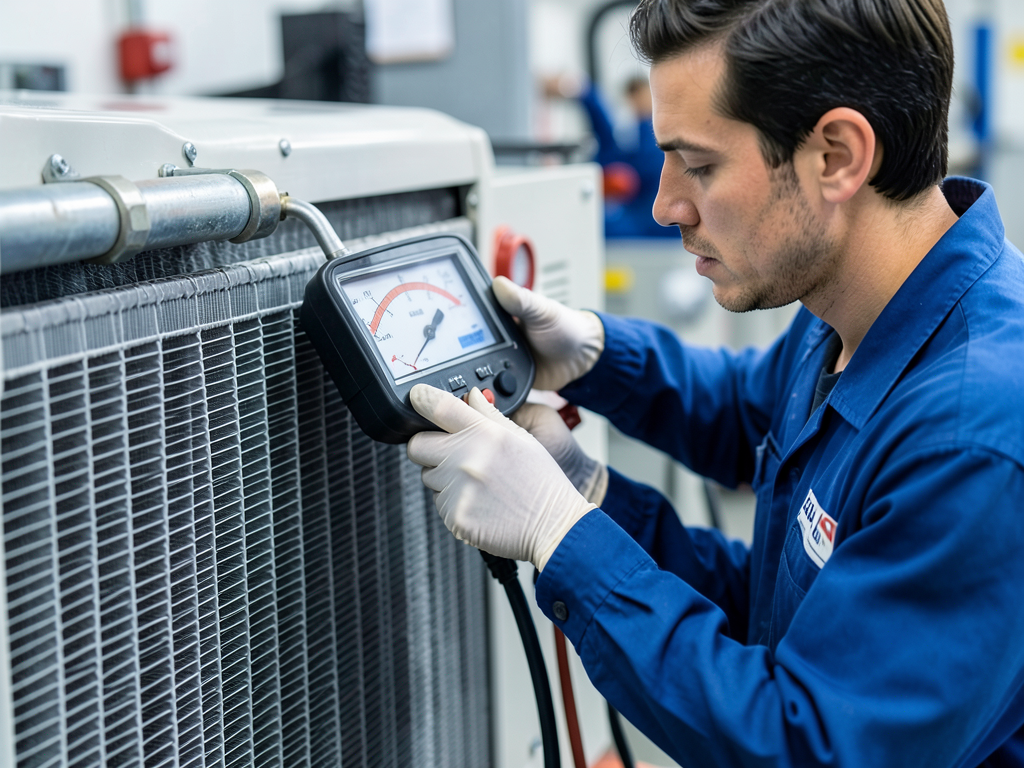
Dirty condenser coils also cripple efficiency. Memphis pollen and cottonwood seeds coat outdoor units, reducing heat rejection by up to 30%. A clean coil can mean the difference between a system that runs 8 hours versus 12 hours daily.. Read more about How to clean your outdoor AC coils the right way at your Millington home.
Air filter neglect compounds these issues. A clogged filter restricts airflow, making your blower motor work harder and reducing cooling capacity. In July’s peak heat, this can increase energy use by 15% or more. Troubleshooting AC Issues.
Why your home’s envelope matters more than you think
Memphis homes built before 2010 often lack proper attic insulation. The Department of Energy recommends R-38 to R-60 for our climate zone. Many Southaven homes have only R-19 or less, allowing heat to radiate through ceilings and overwhelm your AC. Department of Energy.
Ductwork in crawl spaces or attics loses massive amounts of conditioned air. The EPA estimates 20-30% of air moving through ducts escapes through leaks, holes, or poor connections. In a typical Memphis home, that’s like throwing away $30-50 of every $100 you spend on cooling.
Air infiltration through windows, doors, and electrical outlets adds up. A typical 2,000-square-foot home has enough small leaks to equal a 3-square-foot hole in the wall. In July heat, that’s a constant stream of hot, humid air your AC must cool and dehumidify.
MLGW rates and peak demand pricing
MLGW’s summer rates include higher per-kilowatt charges during peak hours (1-7 PM weekdays). Your July bill reflects both increased usage AND higher rates. TVA, MLGW’s power supplier, passes through fuel cost adjustments that spike when natural gas prices rise.
Smart meters track hourly usage, and MLGW offers time-of-use rates that can save money if you shift heavy usage to off-peak hours. However, most Memphis homeowners see the biggest savings from reducing overall consumption through efficiency upgrades.
Fact: MLGW’s average residential rate is about 11.5 cents per kilowatt-hour, but peak summer demand charges can push this to 14-16 cents for heavy users.
DIY steps to lower your July energy bill
Replace your air filter monthly during July. A clean filter costs $5-15 but can save $20-40 monthly in energy costs. Set your thermostat to 78 degrees when home and 82 when away. Each degree above 72 saves about 3-5% on cooling costs.
Use ceiling fans to feel 4-5 degrees cooler, allowing you to raise the thermostat without sacrificing comfort. Close blinds and curtains on south and west-facing windows during afternoon hours to block radiant heat.
Check your outdoor unit for debris. Turn off power at the breaker, remove the top grille, and gently clean coils with a garden hose (not a pressure washer). This simple maintenance can improve efficiency by 15-20%.
Professional solutions that pay for themselves
A professional AC tune-up includes checking refrigerant levels, cleaning coils, testing electrical components, and calibrating the thermostat. This $80-150 service can prevent July breakdowns and improve efficiency by 10-15%, saving $25-50 monthly during peak season. Professional Heat Pump Replacement Services in Bartlett.
Duct sealing using mastic or metal tape can reduce losses by 15-25%. A whole-house fan assessment identifies pressure imbalances that cause your AC to work harder than necessary. Many homeowners see 20-30% energy savings after professional duct sealing.
Attic insulation upgrades from R-19 to R-38 can cut cooling costs by 15-25%. The investment typically pays back in 2-3 summers through lower MLGW bills.
Understanding SEER2 ratings for Memphis homes
SEER2 (Seasonal Energy Efficiency Ratio 2) replaced SEER in 2023 with more stringent testing that better reflects real-world performance. For Memphis, aim for SEER2 ratings of 16 or higher. Each point increase above 14 can reduce cooling costs by 5-8%.
A 3-ton AC with SEER2 16 costs about $350-400 annually to operate in Memphis. The same unit with SEER2 20 would cost $280-320, saving $70-80 yearly. Over a 15-year lifespan, that’s $1,000-1,200 in energy savings.
Variable-speed compressors in high-efficiency units run longer at lower speeds, removing humidity more effectively than single-speed units that constantly cycle on and off. This matches Memphis’s humidity challenges perfectly.
Smart thermostats and energy monitoring
Smart thermostats learn your schedule and adjust temperatures automatically. They can save 10-15% on cooling costs by optimizing run times and preventing the system from working hard when nobody’s home. Many models integrate with MLGW’s demand response programs for additional rebates.
Energy monitoring systems track real-time usage and identify which appliances drive your bill higher. Some systems connect to your smart meter and show exactly when your AC cycles on, helping you spot problems early.
Quick Test: If your AC runs continuously for more than 30 minutes during mild weather (below 85 degrees), it likely has a refrigerant leak, dirty coils, or airflow restrictions.
When to replace versus repair
If your AC is over 12 years old and needs major repairs, replacement often makes financial sense. The cost of a new system ($4,000-7,000) can be offset by energy savings within 3-5 years, especially with high-efficiency models.
Consider replacement if repair costs exceed 30% of a new system’s price, or if your current unit has a SEER rating below 10. Modern systems with SEER2 16+ can cut cooling costs by 30-50% compared to 15-year-old equipment.
Watch for warning signs: rising energy bills despite normal usage, uneven cooling between rooms, or your system running constantly without reaching set temperatures. These indicate it’s time for professional evaluation.. Read more about Is it safe to leave your AC running while you are on vacation away from Germantown?.
Frequently Asked Questions
Why did my MLGW bill double in July?
July heat and humidity force your AC to run 50-100% more hours than in milder months. Combined with higher per-kilowatt rates and possible system inefficiencies, this can easily double your bill. Check for dirty filters, refrigerant leaks, or duct problems first.
Should I turn off my AC when I leave for work?
No. Turning it off completely makes your system work harder to cool and dehumidify when you return. Instead, raise the thermostat 4-6 degrees. Smart thermostats can automatically adjust and cool your home before you arrive.
How much should I expect to pay for AC service in Memphis?
Standard tune-ups cost $80-150. Emergency repairs average $150-350 depending on the issue. New system installations range from $4,000-7,000. MLGW and TVA sometimes offer rebates for high-efficiency upgrades, so ask about current incentives. Reliable Emergency Furnace Repair for Families in Collierville.
Can poor insulation really affect my AC bill that much?
Yes. Inadequate attic insulation allows heat to radiate through ceilings, forcing your AC to run longer. In Memphis’s July heat, this can increase cooling costs by 15-30%. Proper R-38 insulation creates a barrier that significantly reduces this heat gain.
How do I know if my AC is the right size?
A properly sized unit runs 45-60% of the time during peak heat. If it runs continuously or cycles on and off every few minutes, it’s likely oversized or undersized. Professional load calculations ensure proper sizing for your home’s specific needs.
Take control of your July energy bills
Don’t let another July shock you with high energy bills. Most problems that drive up costs are preventable with proper maintenance and timely repairs. A $100 tune-up can save you $300-500 in July alone.
Call (901) 640-3999 today to schedule your AC inspection before the next heat wave hits. Our technicians diagnose problems the same day and provide upfront pricing. Don’t wait until your system fails on the hottest day of the year.
Pick up the phone and call (901) 640-3999 before the next storm hits. July heat waits for no one, but we’re here 24/7 to keep your home comfortable and your bills under control.
You may also find this helpful. The best trees and shrubs to plant around your AC unit in Olive Branch for better efficiency.
{
“@context”: “https://schema.org”,
“@type”: “BlogPosting”,
“headline”: “The real reason your energy bills spike every July in Southaven”,
“description”: “Discover why Memphis-area homeowners see energy bills surge in July. Learn how humidity, aging AC units, and duct leaks drive costs up. Get expert solutions now.”,
“wordCount”: 1545,
“datePublished”: “2026-04-01T06:34:00.000Z”,
“dateModified”: “2026-04-01T06:34:00.000Z”,
“inLanguage”: “en-US”,
“mainEntityOfPage”: {
“@type”: “WebPage”,
“@id”: “https://ironwoodhvacmemphis.com”
},
“publisher”: {
“@type”: “LocalBusiness”,
“name”: “Ironwood HVAC Memphis”,
“url”: “https://ironwoodhvacmemphis.com”
},
“author”: {
“@type”: “Organization”,
“name”: “Ironwood HVAC Memphis”,
“url”: “https://ironwoodhvacmemphis.com”
},
“image”: {
“@type”: “ImageObject”,
“url”: “https://ironwoodhvacmemphis.com/wp-content/uploads/2026/03/the-real-reason-your-energy-bills-spike-every-july-1.png”
}
}
{
“@context”: “https://schema.org”,
“@type”: “HVACBusiness”,
“name”: “Ironwood HVAC Memphis”,
“url”: “https://ironwoodhvacmemphis.com”,
“address”: {
“@type”: “PostalAddress”,
“addressLocality”: “Memphis”
},
“areaServed”: {
“@type”: “City”,
“name”: “Memphis”
}
}
{
“@context”: “https://schema.org”,
“@type”: “FAQPage”,
“mainEntity”: [
{
“@type”: “Question”,
“name”: “Why did my MLGW bill double in July?”,
“acceptedAnswer”: {
“@type”: “Answer”,
“text”: “July heat and humidity force your AC to run 50-100% more hours than in milder months. Combined with higher per-kilowatt rates and possible system inefficiencies, this can easily double your bill. Check for dirty filters, refrigerant leaks, or duct problems first.”
}
},
{
“@type”: “Question”,
“name”: “Should I turn off my AC when I leave for work?”,
“acceptedAnswer”: {
“@type”: “Answer”,
“text”: “No. Turning it off completely makes your system work harder to cool and dehumidify when you return. Instead, raise the thermostat 4-6 degrees. Smart thermostats can automatically adjust and cool your home before you arrive.”
}
},
{
“@type”: “Question”,
“name”: “How much should I expect to pay for AC service in Memphis?”,
“acceptedAnswer”: {
“@type”: “Answer”,
“text”: “Standard tune-ups cost $80-150. Emergency repairs average $150-350 depending on the issue. New system installations range from $4,000-7,000. MLGW and TVA sometimes offer rebates for high-efficiency upgrades, so ask about current incentives. Reliable Emergency Furnace Repair for Families in Collierville.”
}
},
{
“@type”: “Question”,
“name”: “Can poor insulation really affect my AC bill that much?”,
“acceptedAnswer”: {
“@type”: “Answer”,
“text”: “Yes. Inadequate attic insulation allows heat to radiate through ceilings, forcing your AC to run longer. In Memphis’s July heat, this can increase cooling costs by 15-30%. Proper R-38 insulation creates a barrier that significantly reduces this heat gain.”
}
},
{
“@type”: “Question”,
“name”: “How do I know if my AC is the right size?”,
“acceptedAnswer”: {
“@type”: “Answer”,
“text”: “A properly sized unit runs 45-60% of the time during peak heat. If it runs continuously or cycles on and off every few minutes, it’s likely oversized or undersized. Professional load calculations ensure proper sizing for your home’s specific needs.”
}
}
]
}
{
“@context”: “https://schema.org”,
“@type”: “BreadcrumbList”,
“itemListElement”: [
{
“@type”: “ListItem”,
“position”: 1,
“name”: “Home”,
“item”: “https://ironwoodhvacmemphis.com”
},
{
“@type”: “ListItem”,
“position”: 2,
“name”: “Blog”,
“item”: “https://ironwoodhvacmemphis.com/blog”
},
{
“@type”: “ListItem”,
“position”: 3,
“name”: “The real reason your energy bills spike every July in Southaven”
}
]
}
{
“@context”: “https://schema.org”,
“@type”: “Service”,
“serviceType”: “HVAC”,
“provider”: {
“@type”: “LocalBusiness”,
“name”: “Ironwood HVAC Memphis”,
“url”: “https://ironwoodhvacmemphis.com”
},
“areaServed”: {
“@type”: “City”,
“name”: “Memphis”
},
“description”: “Discover why Memphis-area homeowners see energy bills surge in July. Learn how humidity, aging AC units, and duct leaks drive costs up. Get expert solutions now.”
}