
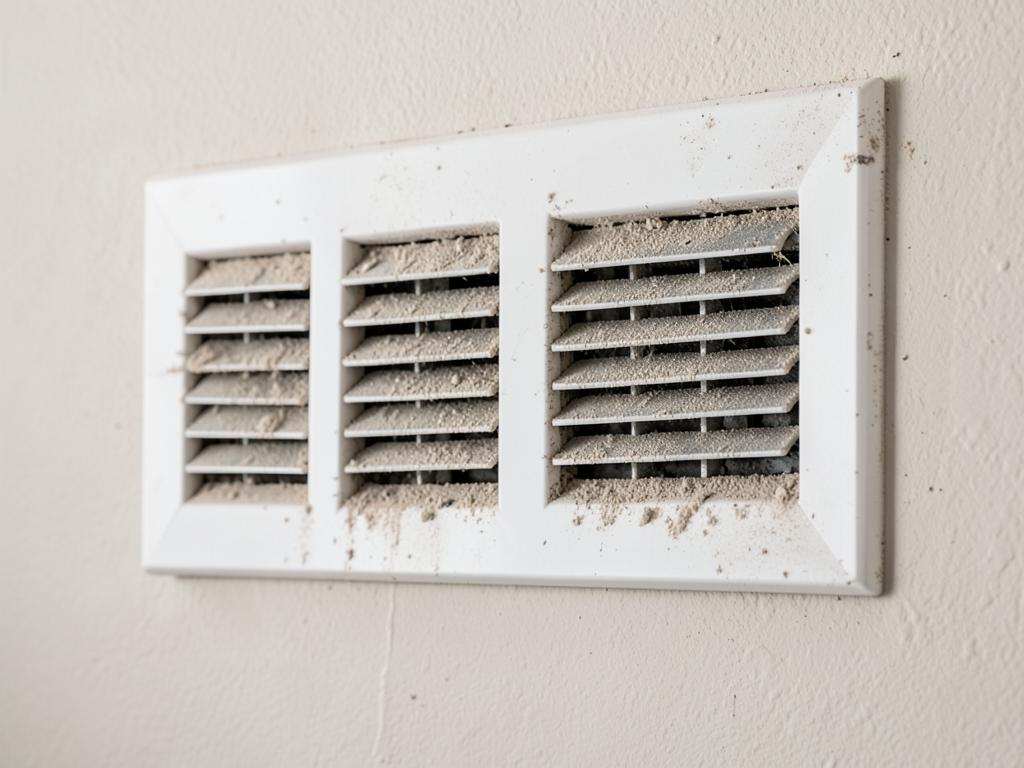
Why your Midtown vents are blowing dust all over your furniture and how to stop it
Your vents are blowing dust because of a combination of leaky ductwork, poor filtration, and Memphis’s high humidity. The solution starts with identifying whether you have supply leaks, return leaks, or both, then addressing the root cause rather than just cleaning the symptoms.
Midtown Memphis homes, many built before 1980, often have ductwork in unconditioned attics or crawlspaces that develops gaps over decades. These leaks create negative pressure that pulls in dust, insulation particles, and allergens from areas you never want in your breathing air.. Read more about Managing allergens in your Downtown Memphis loft without spending a fortune.
The first step is understanding what type of dust you’re dealing with. Fine, white dust often indicates insulation particles from attic leaks. Black, sooty dust suggests combustion byproducts from gas appliances or candle soot. Brown dust with visible fibers typically means fabric and skin cells being circulated through dirty ducts.
Common causes of dusty vents in Midtown Memphis homes
Leaky return ducts create the most problematic dust issues. When return air ducts leak in unconditioned spaces, they pull in unfiltered air under negative pressure. This means dust, pollen, and even rodent droppings get sucked directly into your HVAC system. Troubleshooting AC Issues.
Supply duct leaks cause a different problem. When conditioned air escapes into attics or walls, it creates positive pressure that forces dust out through gaps around vents and electrical outlets. You might notice dust accumulating on furniture near vents even when the system isn’t running.. Read more about How pet dander ruins your HVAC system in Cordova and what you can do about it.
Memphis’s climate plays a major role. Our summer dew points consistently above 70°F create condensation on ductwork, especially in unconditioned spaces. This moisture makes dust particles sticky, causing them to adhere to vent surfaces and get blown out when the system runs.
Older Midtown homes often have original ductwork with deteriorating seals. The mastic tape used in the 1970s and 1980s breaks down after 20-30 years, creating gaps that leak 15-30% of conditioned air.
How Memphis humidity makes dust problems worse
High humidity doesn’t just make you uncomfortable—it transforms how dust behaves in your home. When relative humidity exceeds 60%, dust particles absorb moisture and become heavier. This makes them more likely to settle on surfaces but also more prone to sticking to wet ductwork.
Condensation on cold supply ducts creates a perfect environment for dust accumulation. As warm, humid air contacts the cold metal, water droplets form. Dust particles in the air stick to these droplets, creating a layer of grime that gets blown out through vents when the system cycles on.. Read more about Why high-velocity HVAC systems are perfect for the tight spaces in Victorian Village homes.
The Mississippi River Valley’s pollen season compounds the problem. Tree pollen in March through May, grass pollen in summer, and ragweed in fall all contribute to the dust load in your home. Without proper filtration, your HVAC system becomes a distribution system for these allergens.
Older Midtown homes often lack proper vapor barriers in attics and crawlspaces. This allows humid outdoor air to infiltrate duct chases, creating condensation that traps and holds dust particles.
Health risks of dusty vents for Memphis families
Dust from vents isn’t just unsightly—it can trigger asthma attacks, allergic reactions, and respiratory infections. The dust contains a mixture of allergens including dust mite waste, pollen, mold spores, and potentially harmful particles from deteriorating insulation.
Children and elderly residents are most vulnerable. Their respiratory systems are either still developing or compromised, making them more susceptible to the inflammatory effects of airborne particulates. Memphis consistently ranks among the worst cities for asthma due to our combination of humidity, allergens, and air quality issues.. Read more about Why your AC is whistling or making high pitched noises in Hernando.
Certain types of dust pose specific risks. Fiberglass particles from deteriorating duct insulation can cause skin irritation and respiratory issues. Sooty dust from gas appliances may contain carbon monoxide byproducts. Mold spores thrive in the moist environment created by condensation on ductwork.
The EPA’s indoor air quality guidelines recommend addressing dust sources rather than just cleaning vents. Simply vacuuming vents provides temporary relief but doesn’t solve the underlying problems causing dust infiltration.
Is it mold or just dust? How to identify the difference
Mold and dust require different solutions, so proper identification is crucial. Mold typically appears as black, green, or brown spots with a fuzzy or slimy texture. It often has a musty odor and grows in patterns rather than evenly coating surfaces.
Dust appears more uniform and powdery. It wipes away easily with a dry cloth and doesn’t have the characteristic musty smell of mold. However, dust can harbor mold spores, so even if you’re dealing with dust, the conditions causing it may also support mold growth.
A simple test involves wiping a vent surface with a white cloth. If the residue is gray or white and powdery, it’s likely dust. If you see dark spots that smear when wiped, you may have mold. Musty odors when the HVAC runs strongly suggest mold presence.
Memphis’s humidity creates ideal conditions for both problems. The same condensation that makes dust sticky also provides moisture for mold growth. Homes near the Wolf River or in low-lying areas of Midtown are particularly susceptible to both issues due to higher ambient humidity.
DIY maintenance vs. professional duct cleaning: when to call a Memphis HVAC pro
Basic vent cleaning is something most homeowners can handle. Remove vent covers, vacuum visible dust with a HEPA-filter vacuum, and wipe surfaces with a damp microfiber cloth. This addresses surface dust but won’t solve underlying duct leaks or filtration issues.
Professional duct cleaning becomes necessary when you see persistent dust despite regular cleaning, notice visible debris blowing from vents, or experience unexplained allergy symptoms. The National Air Duct Cleaners Association (NADCA) recommends professional cleaning every 3-5 years for most homes, more frequently for those with pets or allergy sufferers. National Air Duct Cleaners Association.
The cost-benefit analysis favors professional cleaning when: your home is over 15 years old, you’ve never had ducts cleaned, you see visible mold growth, or you’ve had recent renovations that created construction dust. For newer homes with clean ducts, DIY maintenance may suffice. Professional Heat Pump Replacement Services in Bartlett.
Professional services use negative air pressure systems and rotating brushes to dislodge debris throughout the entire duct system. They can also identify leaks, insulation deterioration, and other issues that DIY cleaning misses. In Midtown’s older housing stock, this diagnostic aspect often reveals problems that need addressing.
Preventative measures to stop vent dust permanently
High-efficiency air filters are your first line of defense. MERV 11-13 filters capture 85-95% of particles 3-10 microns in size, including most dust, pollen, and mold spores. However, higher MERV ratings restrict airflow, so you need to ensure your system can handle them.
Table: MERV Ratings Comparison for Memphis Homes
| MERV Rating | Particle Capture | Best For | Memphis Considerations |
|---|---|---|---|
| MERV 8 | 70-85% of 3-10 micron particles | Basic dust and pollen | May not capture fine pollen during peak season |
| MERV 11 | 85-95% of 3-10 micron particles | Dust, pollen, mold spores | Good balance for most Midtown homes |
| MERV 13 | 90-95% of 1-10 micron particles | Fine particles, bacteria, smoke | May restrict airflow in older systems |
Duct sealing is often the most effective long-term solution. Professional Aeroseal technology can seal leaks from the inside, reducing air loss by 90% or more. This prevents dust infiltration and improves HVAC efficiency, often paying for itself through energy savings within 2-3 years.
Humidity control is critical in Memphis. Whole-home dehumidifiers maintain indoor humidity between 40-50%, preventing condensation on ducts while making your home more comfortable. This also reduces the sticky quality of dust particles and inhibits mold growth.
Regular HVAC maintenance includes cleaning the blower wheel, checking for duct leaks, and ensuring proper airflow. Annual professional tune-ups catch problems before they create dust issues and extend your system’s lifespan. Affordable AC Tune-Ups for Homeowners in Lakeland.
Professional duct sealing: the long-term solution for Midtown homes
Aeroseal duct sealing technology represents a revolutionary approach to the age-old problem of leaky ductwork. Instead of tearing into walls and ceilings to access leaks, technicians seal ducts from the inside using a polymer mist that finds and seals gaps as small as 5/8 inch.
The process involves blocking all vents, pressurizing the duct system, and injecting the sealing mist. As air escapes through leaks, the polymer particles accumulate and create an airtight seal. Most homes see a 20-40% reduction in duct leakage, translating to significant energy savings and improved air quality.
Midtown Memphis homes particularly benefit from this technology. Many were built with metal ducts that expand and contract with temperature changes, creating gaps over time. The clay soil common in Memphis also causes foundation shifting that can stress duct connections.
The investment typically ranges from $1,500 to $3,000 depending on home size and duct condition. However, the energy savings alone often recoup this cost within 3-5 years, not to mention the health benefits of eliminating dust infiltration.
Call (901) 640-3999 today to schedule your duct inspection
Don’t let dusty vents continue affecting your family’s health and comfort. Our Memphis HVAC experts can diagnose the exact cause of your dust problem and recommend the most cost-effective solution.
We serve Midtown Memphis and surrounding areas with same-day service availability. Our technicians use thermal imaging to locate duct leaks, air quality testing to identify contaminants, and provide honest recommendations without high-pressure sales tactics.
Pick up the phone and call (901) 640-3999 before the next Memphis summer heat wave hits. Clean ducts mean better air quality, lower energy bills, and a more comfortable home for your family.
Frequently Asked Questions
Why are my air vents so dusty even after cleaning?
Dust keeps returning because the underlying problem hasn’t been addressed. Common causes include leaky return ducts pulling in unfiltered air, poor filtration allowing particles through, or condensation making dust sticky. Professional duct inspection can identify the specific cause in your home.
How often should air ducts be cleaned in Memphis?
Most Memphis homes need professional duct cleaning every 3-5 years. Homes with pets, allergy sufferers, or recent renovations may need cleaning more frequently. The humid Memphis climate and high pollen counts mean dust accumulates faster here than in drier regions.
Can I clean my air vents myself?
Yes, you can clean vent covers and visible surfaces yourself using a HEPA vacuum and damp cloth. However, this only addresses surface dust. Professional cleaning is needed to remove debris from deep within the duct system and fix underlying issues like leaks or poor filtration.
What’s the difference between dust and mold in air vents?
Dust appears as uniform, powdery residue that wipes away easily. Mold shows as spotted growth with a fuzzy or slimy texture, often with a musty odor. Mold requires professional remediation, while dust can often be resolved through improved filtration and duct sealing.
How much does professional duct cleaning cost in Memphis?
Professional duct cleaning in Memphis typically costs $300-$500 for an average home, with larger homes or those with complex duct systems costing more. This includes cleaning all supply and return ducts, vents, and the air handler. Some companies offer whole-home air quality packages that include duct cleaning and filtration upgrades.
{
“@context”: “https://schema.org”,
“@type”: “BlogPosting”,
“headline”: “Why your Midtown vents are blowing dust all over your furniture and how to stop it”,
“description”: “Discover why Midtown Memphis vents blow dust everywhere and learn proven solutions to stop it. Local HVAC experts explain the causes and fixes.”,
“wordCount”: 1837,
“datePublished”: “2026-03-29T09:24:00.000Z”,
“dateModified”: “2026-03-29T09:24:00.000Z”,
“inLanguage”: “en-US”,
“mainEntityOfPage”: {
“@type”: “WebPage”,
“@id”: “https://ironwoodhvacmemphis.com”
},
“publisher”: {
“@type”: “LocalBusiness”,
“name”: “Ironwood HVAC Memphis”,
“url”: “https://ironwoodhvacmemphis.com”
},
“author”: {
“@type”: “Organization”,
“name”: “Ironwood HVAC Memphis”,
“url”: “https://ironwoodhvacmemphis.com”
},
“image”: {
“@type”: “ImageObject”,
“url”: “https://ironwoodhvacmemphis.com/wp-content/uploads/2026/03/why-your-midtown-vents-are-blowing-dust-all-over-y-1.png”
}
}
{
“@context”: “https://schema.org”,
“@type”: “HVACBusiness”,
“name”: “Ironwood HVAC Memphis”,
“url”: “https://ironwoodhvacmemphis.com”,
“address”: {
“@type”: “PostalAddress”,
“addressLocality”: “Memphis”
},
“areaServed”: {
“@type”: “City”,
“name”: “Memphis”
}
}
{
“@context”: “https://schema.org”,
“@type”: “FAQPage”,
“mainEntity”: [
{
“@type”: “Question”,
“name”: “Why are my air vents so dusty even after cleaning?”,
“acceptedAnswer”: {
“@type”: “Answer”,
“text”: “Dust keeps returning because the underlying problem hasn’t been addressed. Common causes include leaky return ducts pulling in unfiltered air, poor filtration allowing particles through, or condensation making dust sticky. Professional duct inspection can identify the specific cause in your home.”
}
},
{
“@type”: “Question”,
“name”: “How often should air ducts be cleaned in Memphis?”,
“acceptedAnswer”: {
“@type”: “Answer”,
“text”: “Most Memphis homes need professional duct cleaning every 3-5 years. Homes with pets, allergy sufferers, or recent renovations may need cleaning more frequently. The humid Memphis climate and high pollen counts mean dust accumulates faster here than in drier regions.”
}
},
{
“@type”: “Question”,
“name”: “Can I clean my air vents myself?”,
“acceptedAnswer”: {
“@type”: “Answer”,
“text”: “Yes, you can clean vent covers and visible surfaces yourself using a HEPA vacuum and damp cloth. However, this only addresses surface dust. Professional cleaning is needed to remove debris from deep within the duct system and fix underlying issues like leaks or poor filtration.”
}
},
{
“@type”: “Question”,
“name”: “What’s the difference between dust and mold in air vents?”,
“acceptedAnswer”: {
“@type”: “Answer”,
“text”: “Dust appears as uniform, powdery residue that wipes away easily. Mold shows as spotted growth with a fuzzy or slimy texture, often with a musty odor. Mold requires professional remediation, while dust can often be resolved through improved filtration and duct sealing.”
}
},
{
“@type”: “Question”,
“name”: “How much does professional duct cleaning cost in Memphis?”,
“acceptedAnswer”: {
“@type”: “Answer”,
“text”: “Professional duct cleaning in Memphis typically costs $300-$500 for an average home, with larger homes or those with complex duct systems costing more. This includes cleaning all supply and return ducts, vents, and the air handler. Some companies offer whole-home air quality packages that include duct cleaning and filtration upgrades.”
}
}
]
}
{
“@context”: “https://schema.org”,
“@type”: “BreadcrumbList”,
“itemListElement”: [
{
“@type”: “ListItem”,
“position”: 1,
“name”: “Home”,
“item”: “https://ironwoodhvacmemphis.com”
},
{
“@type”: “ListItem”,
“position”: 2,
“name”: “Blog”,
“item”: “https://ironwoodhvacmemphis.com/blog”
},
{
“@type”: “ListItem”,
“position”: 3,
“name”: “Why your Midtown vents are blowing dust all over your furniture and how to stop it”
}
]
}
{
“@context”: “https://schema.org”,
“@type”: “Service”,
“serviceType”: “HVAC”,
“provider”: {
“@type”: “LocalBusiness”,
“name”: “Ironwood HVAC Memphis”,
“url”: “https://ironwoodhvacmemphis.com”
},
“areaServed”: {
“@type”: “City”,
“name”: “Memphis”
},
“description”: “Discover why Midtown Memphis vents blow dust everywhere and learn proven solutions to stop it. Local HVAC experts explain the causes and fixes.”
}