Do UV Lights Really Help With Memphis Pollen in South Main Lofts?
If you live in a South Main loft and struggle with sneezing, itchy eyes, or that constant stuffy feeling during Memphis pollen season, you are not imagining things. The combination of historic brick buildings, older HVAC systems, and the Mississippi River Valley’s notorious allergens creates a perfect storm for indoor air quality problems. Many South Main residents ask if UV lights can actually cut through that pollen haze and give them relief. The short answer: UV-C lights target mold, bacteria, and viruses far more effectively than pollen itself, but when paired with the right filtration system they can be a powerful part of your allergy defense.
How Memphis Pollen and Humidity Create Indoor Air Quality Challenges
Memphis ranks among the top U.S. cities for allergy sufferers, with oak, hickory, and ragweed pollen counts often spiking above 10 grains per cubic meter during peak spring and fall months. In South Main lofts, historic construction means older duct systems, porous brick walls, and less airtight envelopes that allow outdoor allergens to creep inside. Add Memphis’s summer dew points routinely above 70°F, and you get ideal conditions for mold spores to thrive in ductwork and on indoor surfaces. Those mold spores, not the pollen itself, are what UV-C lights are engineered to neutralize.
The Science Behind UV-C Germicidal Light Technology
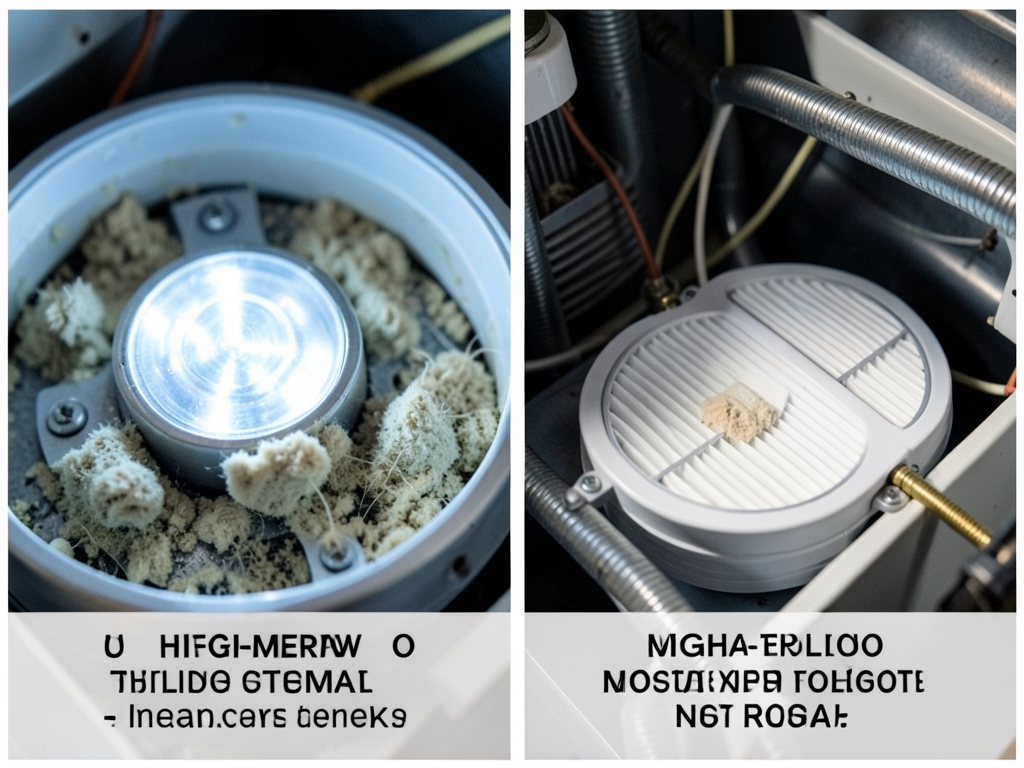
UV-C light operates at a wavelength of 254 nanometers, which is short enough to penetrate the cell walls of microorganisms and damage their DNA or RNA. This process, called germicidal irradiation, prevents mold, bacteria, and viruses from reproducing. The EPA recognizes UVGI (ultraviolet germicidal irradiation) as an effective method for reducing certain airborne pathogens in HVAC systems. However, pollen grains are larger, more complex structures that UV-C does not significantly affect. That is why UV lights are most effective when installed alongside high-MERV filters that physically trap pollen. EPA guide on ozone generators.
UV Lights vs. HEPA Filters: What Works Best for Memphis Allergies?
| Feature | UV-C Light | HEPA Filter | Best Use in Memphis |
|---|---|---|---|
| Target | Microorganisms (mold, bacteria, viruses) | Pollen, dust, pet dander | Combined approach |
| Mechanism | DNA/RNA disruption | Physical particle trapping | Whole-home IAQ |
| Maintenance | Bulb replacement every 12-24 months | Filter replacement every 3-6 months | Seasonal check-ups |
| Effectiveness in humid Memphis climate | Excellent against mold growth | Excellent for pollen capture | Optimal relief |
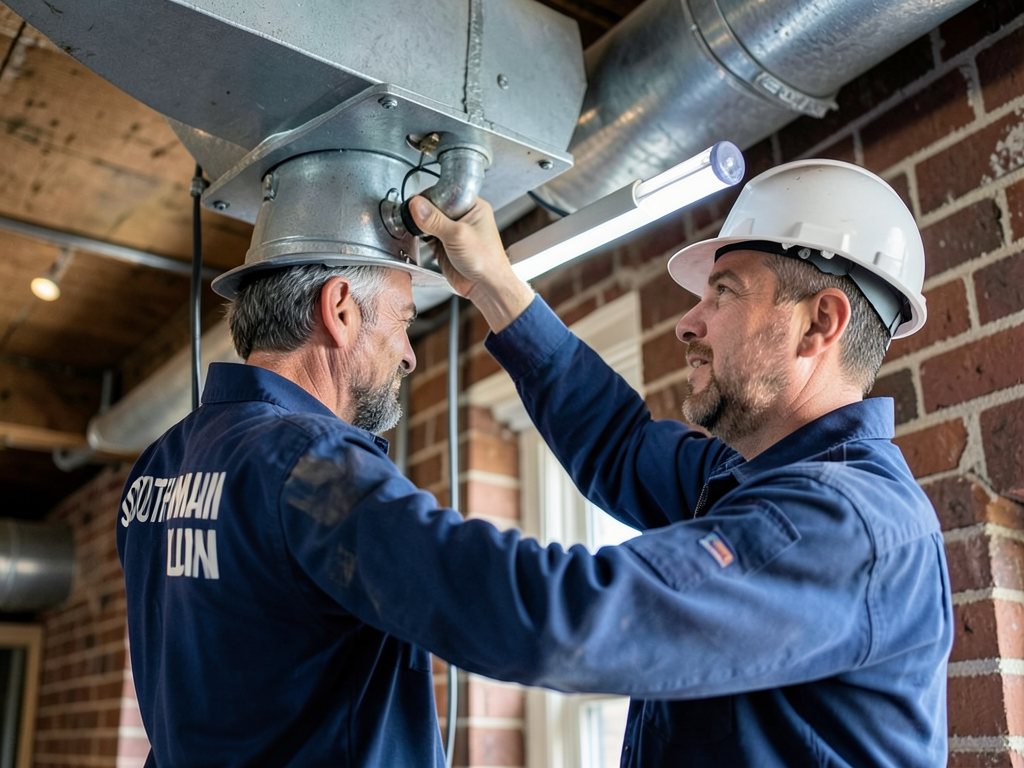
South Main lofts often benefit from installing a UV light in the main supply duct near the evaporator coil. This placement stops mold before it can circulate, while a MERV 11 or 13 filter handles the pollen load. The combination addresses both the biological growth encouraged by Memphis humidity and the particulate allergens blowing in from the Wolf River bottoms.. Read more about How to Stop Mildew Growth When Your AC Can’t Keep Up in West Memphis.
Professional UV Purifier Installation for South Main Properties
Installing UV lights is not a simple plug-and-play upgrade. The unit must be sized for your duct dimensions, positioned to maximize exposure time, and wired safely into your HVAC control circuit. In historic South Main buildings, older wiring or tight mechanical chases can complicate installation. A licensed HVAC technician will also check for any existing mold growth in the system before installing the light, because UV only prevents regrowth—it does not clean existing contamination. Common models suited for Memphis homes include the APCO-X and the REME HALO, both of which meet EPA safety standards for ozone emission.
Local Customer Success Stories from South Main
One South Main resident reported that after installing a UV light with a MERV 13 filter, her morning congestion dropped by more than half within two weeks. Another downtown loft owner noticed a significant reduction in the musty smell that had lingered since moving in, which testing revealed was caused by hidden mold in the supply plenum. These results align with findings from the AAFA showing that controlling indoor mold can reduce asthma and allergy symptoms by up to 30 percent in humid climates. Asthma and Allergy Foundation of America pollen information.
Maintenance and Cost Considerations for Memphis Homeowners
UV bulb life in Memphis typically ranges from 12 to 24 months, depending on runtime and local humidity. The constant cycling of your AC in summer can shorten bulb life, so annual inspection during your cooling tune-up is wise. Replacement bulbs cost between $80 and $150, and labor for installation is usually under an hour. Filters should be checked monthly during high pollen months and replaced at least every three months. When budgeting, remember that UV lights do not replace filters—they work in tandem. Professional Heat Pump Replacement Services in Bartlett.
Additional Indoor Air Quality Strategies for South Main Lofts
- Seal leaky windows and doors to reduce pollen infiltration.
- Use a dehumidifier to keep indoor relative humidity between 30 and 50 percent.
- Schedule annual duct cleaning if you notice visible dust buildup or musty odors.
- Consider an energy recovery ventilator (ERV) to bring in fresh air without losing cooling efficiency.
South Main’s mix of historic charm and urban pollen makes air quality a year-round concern. UV lights alone will not eliminate pollen, but they are a proven tool for stopping the mold and bacteria that thrive in Memphis humidity and worsen allergy symptoms. When paired with strong filtration and regular maintenance, they can make a noticeable difference in how your loft feels during peak allergy season.
Frequently Asked Questions
Do UV lights kill pollen?
No. UV-C light disrupts the DNA of microorganisms like mold and bacteria but does not significantly affect pollen grains. High-efficiency filters are needed to capture pollen.
How long do UV bulbs last in Memphis?
Typically 12 to 24 months. Frequent AC cycling in Memphis summers can shorten lifespan, so annual inspection is recommended.
Can I install a UV light myself?
Installation involves electrical wiring and proper placement inside your ductwork. A licensed HVAC technician ensures safe, effective setup and checks for existing contamination.
Are UV lights safe for my family and pets?
Yes, when installed in your HVAC system. The light is contained inside the ductwork, so there is no direct exposure to occupants.
What is the difference between UV-C and UV-V lights?
UV-C (254 nm) is used for germicidal purposes and is safe when properly installed. UV-V can produce ozone and is not recommended for residential use.
Take Control of Your Indoor Air Quality Today
If you are tired of waking up congested or smelling that damp, musty odor in your South Main loft, now is the time to act. A professional IAQ assessment can pinpoint whether mold, pollen, or both are compromising your comfort. Call (901) 640-3999 today to schedule your inspection and learn how a UV light system paired with high-efficiency filtration can help you breathe easier through every Memphis season.
{
“@context”: “https://schema.org”,
“@type”: “BlogPosting”,
“headline”: “Do UV Lights Really Help With Memphis Pollen in South Main Lofts?”,
“description”: “Discover if UV lights reduce pollen in Memphis South Main Lofts. Learn about germicidal technology, local allergens, and professional installation for cleaner indoor air.”,
“wordCount”: 1111,
“datePublished”: “2026-03-07T11:21:00.000Z”,
“dateModified”: “2026-03-07T11:21:00.000Z”,
“inLanguage”: “en-US”,
“mainEntityOfPage”: {
“@type”: “WebPage”,
“@id”: “https://ironwoodhvacmemphis.com”
},
“publisher”: {
“@type”: “LocalBusiness”,
“name”: “Ironwood HVAC Memphis”,
“url”: “https://ironwoodhvacmemphis.com”
},
“author”: {
“@type”: “Organization”,
“name”: “Ironwood HVAC Memphis”,
“url”: “https://ironwoodhvacmemphis.com”
},
“image”: {
“@type”: “ImageObject”,
“url”: “https://ironwoodhvacmemphis.com/wp-content/uploads/2026/03/do-uv-lights-really-help-with-memphis-pollen-in-so-1.png”
}
}
{
“@context”: “https://schema.org”,
“@type”: “HVACBusiness”,
“name”: “Ironwood HVAC Memphis”,
“url”: “https://ironwoodhvacmemphis.com”,
“address”: {
“@type”: “PostalAddress”,
“addressLocality”: “Memphis”
},
“areaServed”: {
“@type”: “City”,
“name”: “Memphis”
}
}
{
“@context”: “https://schema.org”,
“@type”: “FAQPage”,
“mainEntity”: [
{
“@type”: “Question”,
“name”: “Do UV lights kill pollen?”,
“acceptedAnswer”: {
“@type”: “Answer”,
“text”: “No. UV-C light disrupts the DNA of microorganisms like mold and bacteria but does not significantly affect pollen grains. High-efficiency filters are needed to capture pollen.”
}
},
{
“@type”: “Question”,
“name”: “How long do UV bulbs last in Memphis?”,
“acceptedAnswer”: {
“@type”: “Answer”,
“text”: “Typically 12 to 24 months. Frequent AC cycling in Memphis summers can shorten lifespan, so annual inspection is recommended.”
}
},
{
“@type”: “Question”,
“name”: “Can I install a UV light myself?”,
“acceptedAnswer”: {
“@type”: “Answer”,
“text”: “Installation involves electrical wiring and proper placement inside your ductwork. A licensed HVAC technician ensures safe, effective setup and checks for existing contamination.”
}
},
{
“@type”: “Question”,
“name”: “Are UV lights safe for my family and pets?”,
“acceptedAnswer”: {
“@type”: “Answer”,
“text”: “Yes, when installed in your HVAC system. The light is contained inside the ductwork, so there is no direct exposure to occupants.”
}
},
{
“@type”: “Question”,
“name”: “What is the difference between UV-C and UV-V lights?”,
“acceptedAnswer”: {
“@type”: “Answer”,
“text”: “UV-C (254 nm) is used for germicidal purposes and is safe when properly installed. UV-V can produce ozone and is not recommended for residential use.”
}
}
]
}
{
“@context”: “https://schema.org”,
“@type”: “BreadcrumbList”,
“itemListElement”: [
{
“@type”: “ListItem”,
“position”: 1,
“name”: “Home”,
“item”: “https://ironwoodhvacmemphis.com”
},
{
“@type”: “ListItem”,
“position”: 2,
“name”: “Blog”,
“item”: “https://ironwoodhvacmemphis.com/blog”
},
{
“@type”: “ListItem”,
“position”: 3,
“name”: “Do UV Lights Really Help With Memphis Pollen in South Main Lofts?”
}
]
}
{
“@context”: “https://schema.org”,
“@type”: “Service”,
“serviceType”: “HVAC”,
“provider”: {
“@type”: “LocalBusiness”,
“name”: “Ironwood HVAC Memphis”,
“url”: “https://ironwoodhvacmemphis.com”
},
“areaServed”: {
“@type”: “City”,
“name”: “Memphis”
},
“description”: “Discover if UV lights reduce pollen in Memphis South Main Lofts. Learn about germicidal technology, local allergens, and professional installation for cleaner indoor air.”
}