
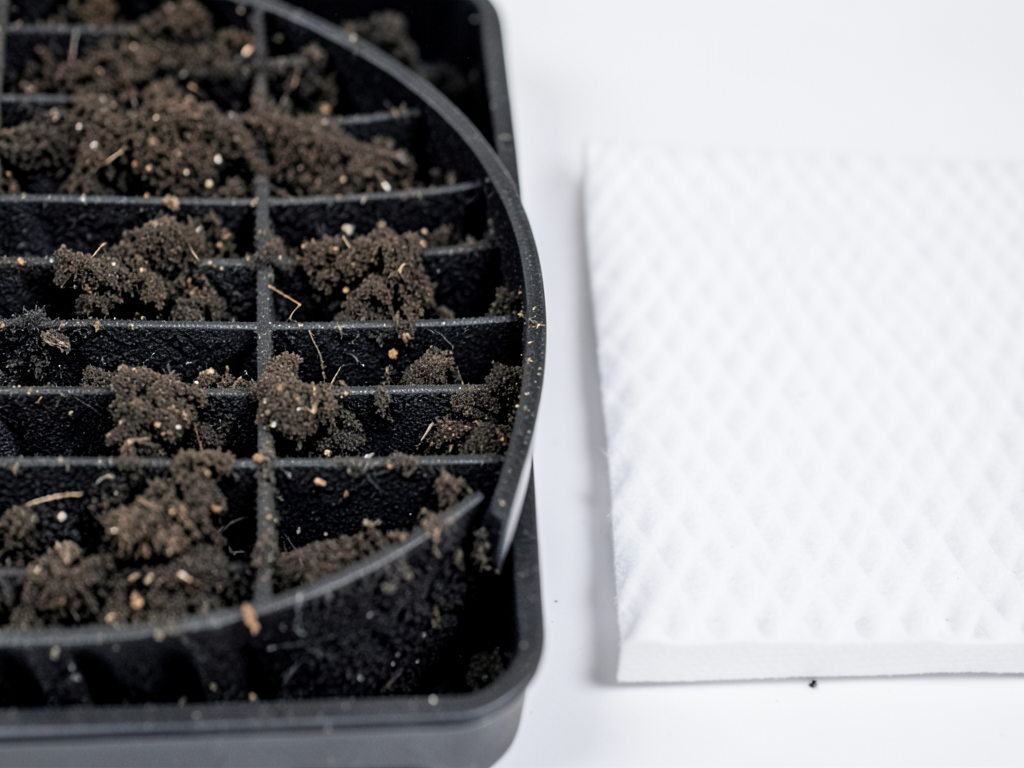
Why your furnace filter is turning black even if you don’t smoke in your Cordova home
Finding a black furnace filter in your Cordova home can be alarming especially when you don’t smoke and keep a clean house. The dark soot coating your filter signals a problem that needs immediate attention. Black filters often indicate incomplete combustion soot from gas appliances or a cracked heat exchanger both of which can release carbon monoxide into your home.
Memphis homes face unique challenges due to our humid climate and aging infrastructure. The Mississippi River Valley’s high moisture levels combined with dust and pollen create perfect conditions for soot accumulation. Before you panic understand what causes this issue and when to call a professional. Professional Heat Pump Replacement Services in Bartlett.
Immediate Action: Is it a safety hazard?
Black soot on your furnace filter requires quick assessment. First check your carbon monoxide detector If the alarm sounds turn off your furnace immediately and evacuate your home. Even without an alarm you should treat black soot as a potential warning sign.
Carbon monoxide is odorless and colorless making it impossible to detect without proper equipment. Symptoms of CO exposure include headaches dizziness nausea and confusion. If anyone in your home experiences these symptoms seek medical attention right away.
Call (901) 640-3999 for emergency HVAC service if you notice black soot. A NATE-certified technician can test for CO leaks and inspect your heat exchanger for cracks. Don’t wait until symptoms appear CO poisoning can be fatal. NATE Certification Information.
Common cause 1: Incomplete combustion
Incomplete combustion occurs when your furnace doesn’t burn fuel efficiently. This creates soot particles that travel through your ductwork and collect on your filter. Several factors can cause this issue in Memphis homes.
Gas pressure problems are common in older Shelby County neighborhoods. If the fuel-to-air ratio is off your burner produces more soot than normal. Memphis Light Gas and Water (MLGW) maintains gas pressure but variations can occur especially during peak usage times.
Dirty burners also contribute to incomplete combustion. Over time dust and debris accumulate on burner ports reducing efficiency. Memphis’s high humidity accelerates this buildup as moisture combines with airborne particles creating a sticky residue that clogs burner openings.
Restricted airflow compounds the problem. Memphis summers generate excessive dust and pollen which can clog air filters reducing the oxygen supply to your furnace. When burners receive insufficient air they produce soot instead of clean heat.
Common cause 2: The ‘candle effect’
Scented candles incense and oil diffusers create soot that bypasses standard furnace filters. These particles are smaller than typical dust and can travel through your HVAC system coating everything in their path.
Modern Memphis homes built for energy efficiency often lack proper ventilation. While airtight construction saves energy it also traps indoor pollutants. When you burn candles or use a fireplace without adequate ventilation soot circulates through your home and accumulates on your furnace filter.
The problem intensifies during Memphis winters when homes stay closed up for months. Soot particles settle in ductwork and get distributed every time your furnace runs. Even occasional candle use can create significant soot buildup over a heating season.
Gas fireplaces and log sets contribute to the issue. Many Cordova homeowners use vent-free gas logs for supplemental heat. These units produce water vapor and carbon dioxide but can also release small amounts of soot if not properly adjusted.
Technical culprit: A cracked heat exchanger
A cracked heat exchanger represents the most serious cause of black soot on furnace filters. The heat exchanger separates combustion gases from your home’s air supply. When cracks develop dangerous gases including carbon monoxide can leak into your living spaces. EPA Indoor Air Quality Guidelines.
Memphis’s climate creates unique stress on heat exchangers. Our rapid temperature swings from summer heat to winter cold cause metal expansion and contraction. Over time this thermal cycling weakens the metal especially in older units common in established Cordova neighborhoods.
Corrosion accelerates heat exchanger failure. Memphis’s high humidity creates condensation inside furnaces. When combined with combustion byproducts this moisture forms acids that eat away at metal surfaces. Homes near the Wolf River or in low-lying areas experience accelerated corrosion due to higher moisture levels.
Diagnosing a cracked heat exchanger requires professional testing. Technicians use combustion analyzers to measure CO levels and inspect heat exchangers with specialized cameras. Don’t attempt this yourself. A cracked exchanger requires immediate replacement not repair.
The Memphis climate factor
Memphis’s unique climate directly impacts soot accumulation on furnace filters. Our region experiences the highest annual humidity levels in Tennessee often exceeding 70% during summer months. This moisture affects how soot particles behave and accumulate.
High humidity causes soot to become sticky and adhere to surfaces more readily. In drier climates soot particles might pass through your system without sticking. Here in the Mid-South moisture causes particles to clump together and coat your filter more effectively.
Pollen counts in the Memphis area rank among the nation’s highest. During spring and fall elevated pollen levels combine with soot particles creating larger clumps that clog filters faster. Cordova residents often notice accelerated filter darkening during peak pollen seasons.
Dust storms from agricultural areas north of Memphis carry fine particles that settle in homes. These particles mix with combustion byproducts creating a gray-black coating on filters. Homes near agricultural areas or open fields experience more rapid filter contamination.
Memphis’s aging housing stock contributes to the problem. Many Cordova homes built in the 1970s and 1980s have original ductwork that accumulates dust and debris over decades. When your furnace runs it disturbs this buildup sending particles through your system.
Steps to fix and prevent soot
Addressing black soot requires systematic troubleshooting. Start with the simplest solutions and progress to professional intervention if needed. Troubleshooting AC Issues.
First replace your furnace filter with a new MERV 8 or higher rated filter. Standard fiberglass filters capture only large particles allowing soot to pass through. Higher MERV ratings trap smaller particles but may restrict airflow in older systems.
Check all gas appliances for proper operation. Yellow or orange flames instead of blue indicate incomplete combustion. This includes your furnace water heater and gas fireplace. If you notice abnormal flame colors contact a professional immediately.
Clean or replace your humidifier if you have one. Many Memphis homes use whole-house humidifiers during winter. These units can harbor mold and bacteria which combine with soot creating dark deposits on filters.
Schedule professional maintenance with a NATE-certified technician. They can clean burners adjust gas pressure and inspect heat exchangers for cracks. Annual maintenance prevents most soot-related issues and extends equipment life.
Consider upgrading to a high-efficiency furnace if your unit is over 15 years old. Modern furnaces burn fuel more completely produce less soot and include better filtration systems. The investment often pays for itself through lower energy bills and fewer repairs.
Improve indoor air quality with additional filtration. HEPA air purifiers capture particles that bypass furnace filters. Place units in rooms where you burn candles or use oil diffusers to contain soot production.. Read more about Choosing an air purifier that actually removes BBQ smoke in your Midtown backyard.
Monitor your filter monthly during heating season. Blackening that occurs within weeks of replacement indicates an ongoing problem. Document changes with photos to help technicians diagnose issues.
Frequently Asked Questions
Is black soot always dangerous?
Not always but it requires investigation. Minor soot from candles or incense isn’t immediately dangerous but indicates poor indoor air quality. Black soot from combustion sources like a cracked heat exchanger poses serious carbon monoxide risks.
How often should I replace my furnace filter?
Check monthly during heating season. Replace when visibly dirty or every 1-3 months depending on your filter type and household conditions. Memphis homes with pets allergies or recent renovations may need more frequent changes.
Can I clean a black furnace filter and reuse it?
No. Disposable filters cannot be cleaned effectively. Attempting to clean them damages the filter media reducing efficiency. Always replace disposable filters with new ones. Washable filters require careful cleaning and complete drying before reuse.
What MERV rating should I use?
MERV 8-11 balances filtration effectiveness with airflow for most Memphis homes. Higher MERV ratings capture more particles but may strain older systems. Consult your HVAC manual or a professional to determine the optimal rating for your equipment.
Does a black filter mean my furnace is failing?
Not necessarily. While it indicates a problem black filters don’t always mean imminent furnace failure. However they do signal conditions that could lead to failure if unaddressed. Professional inspection determines whether repairs or replacement are needed.
Memphis-specific considerations
Cordova’s location in the northeastern Memphis metro area creates specific challenges for homeowners. The area’s mix of established neighborhoods and newer developments means furnaces range from 30-year-old units to modern high-efficiency models.
Older Cordova homes often have undersized ductwork for modern furnaces. This restriction causes incomplete combustion and soot production. Professional duct evaluation can identify whether your system needs resizing or sealing.
Many Cordova residents work at Naval Support Activity Mid-South or other nearby employers creating varied schedules that affect furnace usage patterns. Extended absences followed by heavy usage can stir up accumulated dust and debris.
The area’s clay soil causes foundation shifting that can stress gas lines and create leaks. If you notice soot along with gas odors have your gas lines inspected immediately. MLGW offers free safety inspections for suspected gas leaks.
Cordova’s proximity to agricultural areas means higher dust levels especially during harvest seasons. This dust combines with soot particles creating more visible filter contamination. Homes near open fields or farmland experience accelerated filter darkening.
Local building codes require proper venting for all gas appliances. If your home has been modified without permits venting issues could cause soot problems. Always use licensed contractors for HVAC work to ensure code compliance. The Best Way to Find a Reliable HVAC Contractor in Arlington.
Prevention strategies for Cordova homeowners
Preventing black soot requires proactive maintenance and awareness of local conditions. Start by scheduling annual professional maintenance before heating season begins. This catches problems before they create dangerous conditions.
Install high-quality air filters and replace them on schedule. Consider upgrading to HEPA filtration if anyone in your home has respiratory issues. The additional cost provides cleaner air and protects your furnace from soot damage.
Monitor humidity levels in your home. Memphis’s natural humidity is sufficient for comfort. Avoid using humidifiers unless medically necessary as excess moisture contributes to soot adhesion and mold growth.
Be mindful of indoor air quality sources. Limit candle use especially scented varieties that produce more soot. If you enjoy candles use them in well-ventilated areas away from your HVAC return vents.
Keep your home clean but avoid stirring up dust near your furnace. Vacuum regularly with a HEPA-filter vacuum and change bedding frequently to reduce dust mite populations that contribute to filter contamination.
Consider a professional duct cleaning every 5-7 years especially if you have older ductwork or notice visible dust accumulation around vents. Clean ducts improve air quality and furnace efficiency.
Install a whole-house air purifier with activated carbon filters. These units capture gases and odors that contribute to indoor air quality problems while trapping soot particles before they reach your furnace filter.
Monitor your energy bills for unexplained increases. Soot buildup reduces furnace efficiency causing higher energy consumption. A sudden spike in heating costs often indicates a developing problem.
Trust your senses. Unusual odors sounds or visible soot around vents warrant immediate professional attention. Early intervention prevents costly repairs and protects your family from potential hazards.
Call (901) 640-3999 today to schedule your furnace inspection. Don’t wait until black soot becomes a serious safety hazard. Our NATE-certified technicians understand Memphis’s unique climate challenges and can keep your home safe and comfortable all winter long.
{
“@context”: “https://schema.org”,
“@type”: “BlogPosting”,
“headline”: “Why your furnace filter is turning black even if you don’t smoke in your Cordova home”,
“description”: “Discover why your furnace filter turns black without smoking. Learn about soot, incomplete combustion, and safety hazards specific to Memphis homes. Call (901) 640-3999.”,
“wordCount”: 1954,
“datePublished”: “2026-05-31T06:03:00.000Z”,
“dateModified”: “2026-05-31T06:03:00.000Z”,
“inLanguage”: “en-US”,
“mainEntityOfPage”: {
“@type”: “WebPage”,
“@id”: “https://ironwoodhvacmemphis.com”
},
“publisher”: {
“@type”: “LocalBusiness”,
“name”: “Ironwood HVAC Memphis”,
“url”: “https://ironwoodhvacmemphis.com”
},
“author”: {
“@type”: “Organization”,
“name”: “Ironwood HVAC Memphis”,
“url”: “https://ironwoodhvacmemphis.com”
},
“image”: {
“@type”: “ImageObject”,
“url”: “https://ironwoodhvacmemphis.com/wp-content/uploads/2026/03/why-your-furnace-filter-is-turning-black-even-if-y-1.png”
}
}
{
“@context”: “https://schema.org”,
“@type”: “HVACBusiness”,
“name”: “Ironwood HVAC Memphis”,
“url”: “https://ironwoodhvacmemphis.com”,
“address”: {
“@type”: “PostalAddress”,
“addressLocality”: “Memphis”
},
“areaServed”: {
“@type”: “City”,
“name”: “Memphis”
}
}
{
“@context”: “https://schema.org”,
“@type”: “FAQPage”,
“mainEntity”: [
{
“@type”: “Question”,
“name”: “Immediate Action: Is it a safety hazard?”,
“acceptedAnswer”: {
“@type”: “Answer”,
“text”: “Black soot on your furnace filter requires quick assessment. First check your carbon monoxide detector If the alarm sounds turn off your furnace immediately and evacuate your home. Even without an alarm you should treat black soot as a potential warning sign.”
}
},
{
“@type”: “Question”,
“name”: “Is black soot always dangerous?”,
“acceptedAnswer”: {
“@type”: “Answer”,
“text”: “Not always but it requires investigation. Minor soot from candles or incense isn’t immediately dangerous but indicates poor indoor air quality. Black soot from combustion sources like a cracked heat exchanger poses serious carbon monoxide risks.”
}
},
{
“@type”: “Question”,
“name”: “How often should I replace my furnace filter?”,
“acceptedAnswer”: {
“@type”: “Answer”,
“text”: “Check monthly during heating season. Replace when visibly dirty or every 1-3 months depending on your filter type and household conditions. Memphis homes with pets allergies or recent renovations may need more frequent changes.”
}
},
{
“@type”: “Question”,
“name”: “Can I clean a black furnace filter and reuse it?”,
“acceptedAnswer”: {
“@type”: “Answer”,
“text”: “No. Disposable filters cannot be cleaned effectively. Attempting to clean them damages the filter media reducing efficiency. Always replace disposable filters with new ones. Washable filters require careful cleaning and complete drying before reuse.”
}
},
{
“@type”: “Question”,
“name”: “What MERV rating should I use?”,
“acceptedAnswer”: {
“@type”: “Answer”,
“text”: “MERV 8-11 balances filtration effectiveness with airflow for most Memphis homes. Higher MERV ratings capture more particles but may strain older systems. Consult your HVAC manual or a professional to determine the optimal rating for your equipment.”
}
},
{
“@type”: “Question”,
“name”: “Does a black filter mean my furnace is failing?”,
“acceptedAnswer”: {
“@type”: “Answer”,
“text”: “Not necessarily. While it indicates a problem black filters don’t always mean imminent furnace failure. However they do signal conditions that could lead to failure if unaddressed. Professional inspection determines whether repairs or replacement are needed.”
}
}
]
}
{
“@context”: “https://schema.org”,
“@type”: “BreadcrumbList”,
“itemListElement”: [
{
“@type”: “ListItem”,
“position”: 1,
“name”: “Home”,
“item”: “https://ironwoodhvacmemphis.com”
},
{
“@type”: “ListItem”,
“position”: 2,
“name”: “Blog”,
“item”: “https://ironwoodhvacmemphis.com/blog”
},
{
“@type”: “ListItem”,
“position”: 3,
“name”: “Why your furnace filter is turning black even if you don’t smoke in your Cordova home”
}
]
}
{
“@context”: “https://schema.org”,
“@type”: “Service”,
“serviceType”: “HVAC”,
“provider”: {
“@type”: “LocalBusiness”,
“name”: “Ironwood HVAC Memphis”,
“url”: “https://ironwoodhvacmemphis.com”
},
“areaServed”: {
“@type”: “City”,
“name”: “Memphis”
},
“description”: “Discover why your furnace filter turns black without smoking. Learn about soot, incomplete combustion, and safety hazards specific to Memphis homes. Call (901) 640-3999.”
}