
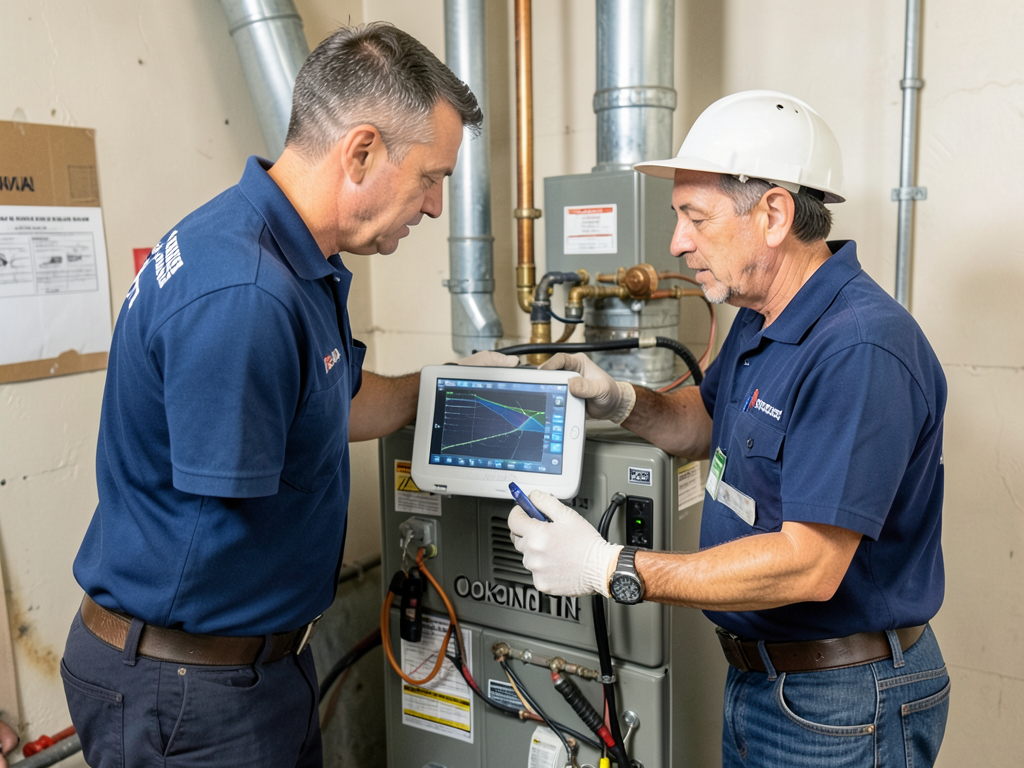
Why Memphis Homeowners Need to Prepare for Seasonal HVAC Changes
The Mississippi River Valley’s climate creates unique challenges for Oakland Tennessee homeowners. With summer humidity often exceeding 90% and winter temperatures that can swing from 70°F to below freezing in 24 hours, your HVAC system faces constant stress. The seasonal changeover from cooling to heating isn’t just flipping a switch—it’s a critical transition that prevents emergency breakdowns when you need heat most. Reliable Emergency Furnace Repair for Families in Collierville.
Many Oakland residents discover their furnace problems only when temperatures drop below 40°F. The sudden demand can expose issues that developed during the summer months of inactivity. Taking proactive steps now saves you from the frustration of emergency service calls during the first cold snap. Troubleshooting AC Issues.
Oakland’s growing suburban developments, from the newer construction near Shelby Forest to established homes along Highway 64, all share one vulnerability: systems that sit idle for months accumulate dust, debris, and potential mechanical issues that become apparent only when you need them most. HVAC Oakland.
Understanding Your HVAC System Type
Memphis homes typically use one of three heating systems: gas furnaces, electric furnaces, or heat pumps. Each requires different changeover procedures and presents unique safety considerations. Memphis Light, Gas and Water.
Gas furnaces remain popular in older Oakland neighborhoods due to their efficiency and reliability during extreme cold. However, they require careful attention to carbon monoxide safety and proper venting. Electric furnaces offer simpler operation but higher operating costs during prolonged cold spells. Heat pumps, increasingly common in newer Oakland developments, provide both heating and cooling but lose efficiency when temperatures drop below 35°F.. Read more about Why your furnace filter is turning black even if you don’t smoke in your Cordova home.
Heat pumps work by reversing the refrigeration cycle, extracting heat from outdoor air even in cold conditions. When outdoor temperatures fall below their effective range, auxiliary electric heating strips activate automatically. Understanding which system you have helps you recognize normal operation versus potential problems.. Read more about How to stop mice and squirrels from nesting in your outdoor unit in Eads.
Diagnostic Tip: Listen for the outdoor unit’s reversing valve clicking during startup. This sound indicates your heat pump is switching from cooling to heating mode. No click could mean a control board failure requiring professional diagnosis.
The 60-Degree Rule: When to Make the Switch
Most HVAC professionals recommend switching from AC to heat when outdoor temperatures consistently stay below 60°F. For Oakland Tennessee, this typically occurs in late October or early November, though the Mid-South’s unpredictable weather means you might need heat one week and AC the next. Professional Heat Pump Replacement Services in Bartlett.
Memphis Light, Gas and Water (MLGW) data shows the average first frost date for Shelby County falls between October 20-30. However, Oakland’s slightly inland location and elevation changes can shift this by a week or more. The key is watching forecast trends rather than calendar dates.
Attempting to run your air conditioner when outdoor temperatures drop below 60°F can damage the compressor. Modern units include low-ambient controls, but older systems lack this protection. Running heat when outdoor temperatures remain high wastes energy and can cause short cycling.
Golden Nugget: Oakland’s location in the Loess Hills creates microclimates where temperatures can vary by 5-8 degrees between neighborhoods near the Wolf River and those in higher elevations near Shelby Forest. This means your neighbor across Highway 64 might need heat days before you do.
Step-by-Step Safety Checklist for Seasonal Changeover
Before you switch your system from cooling to heating, follow these safety steps to protect your family and equipment:
- Thermostat Programming
Switch your thermostat from cooling to heating mode. For programmable thermostats, update your heating schedule to match your winter routine. Smart thermostats often auto-detect seasonal changes but verify settings manually.
- Air Filter Replacement
Install a fresh filter rated MERV 8-11 for optimal airflow and filtration. Memphis’s high pollen counts mean filters clog faster than national averages. Mark your calendar to check monthly during heavy use periods.
- Outdoor Unit Inspection
Clear leaves, grass clippings, and debris from around your outdoor condenser. Memphis’s intense summer growth can create airflow restrictions. Maintain 24-inch clearance on all sides for proper ventilation.
- Carbon Monoxide Detector Testing
Press the test button on all CO detectors. Replace batteries if needed. Install detectors on every level if you haven’t already. MLGW recommends replacing CO detectors every 5-7 years regardless of battery life.
- Visual Furnace Inspection
Remove the access panel and look for dust accumulation, rust, or signs of moisture. Check that all panels are securely fastened. Any unusual odors or visible damage warrants professional inspection.
Diagnostic Language: When inspecting your furnace, look for rust-colored stains around the heat exchanger. These indicate moisture problems that can lead to dangerous cracks. The presence of soot or black discoloration suggests incomplete combustion requiring immediate professional attention.
Why Your Heater Smells Like Burning Dust
That burning smell when you first turn on your heat is normal and expected. During summer months, your heating components collect dust, pet dander, and other particles. When the heat exchanger warms up, these materials burn off, creating the characteristic odor.
The smell typically lasts 15-30 minutes and is harmless. However, certain conditions warrant concern. If the burning smell persists beyond an hour, intensifies, or is accompanied by smoke or visible sparks, turn off your system immediately and call for professional service.
Electric furnaces often produce stronger initial odors than gas furnaces because their heating elements reach higher temperatures. Heat pumps may produce minimal smell since they don’t generate heat through combustion or resistance elements.
Golden Nugget: Memphis’s high humidity means dust particles absorb more moisture during summer storage. This creates a slightly different burning smell than you’d experience in drier climates. The odor might be more pronounced and last slightly longer in our region.
Heat Pump vs. Furnace: What Mid-South Homeowners Need to Know
Understanding your system’s operation helps you recognize normal behavior versus potential problems. Here’s how the two most common systems compare:
| Feature | Heat Pump | Gas Furnace |
|---|---|---|
| Operating Sound | Outdoor fan and reversing valve click | Burner ignition and blower motor |
| Initial Warm-up | Gradual, may take 10-15 minutes | Immediate heat within 1-2 minutes |
| Efficiency Below 35°F | Decreased, auxiliary heat activates | Unaffected, maintains full capacity |
| Maintenance Needs | Refrigerant level, defrost cycle | Heat exchanger, burner assembly |
| Lifespan Expectancy | 12-15 years in Memphis climate | 15-20 years with proper maintenance |
Memphis’s climate favors heat pumps for most homeowners due to our mild winters. However, homes in Oakland’s older neighborhoods often retain gas furnaces installed during original construction. Neither system is inherently superior—the right choice depends on your specific home, budget, and comfort preferences.
Diagnostic Tip: If your heat pump runs constantly without achieving desired temperature when outdoor temps are above 35°F, check if the emergency heat light is illuminated on your thermostat. This indicates the auxiliary heat is active, suggesting a potential heat pump malfunction.
Safety First: Carbon Monoxide and Pilot Lights
Gas furnace safety requires understanding carbon monoxide risks and proper operation procedures. Carbon monoxide is odorless, colorless, and deadly. MLGW reports that approximately 500 Americans die annually from CO poisoning, with faulty heating equipment being a leading cause.
Modern furnaces include numerous safety features, but they require proper maintenance. The heat exchanger, which separates combustion gases from your breathing air, can develop cracks over time due to metal fatigue and thermal stress. Even small cracks can allow CO to enter your home. EPA Indoor Air Quality.
If your system has a pilot light, the proper procedure for relighting varies by model. Electronic ignition systems have largely replaced standing pilots in newer units, but many Oakland homes still use traditional pilot lights. Never attempt to relight a pilot if you smell gas or if the area around the furnace is dusty or dirty.
Regulatory Compliance: Shelby County requires carbon monoxide detectors in all homes with fuel-burning appliances. The International Residential Code (IRC) Section R315 mandates placement within 10 feet of all sleeping areas. MLGW offers free CO detector installation for qualifying low-income residents.
Common Oakland-Specific HVAC Challenges
Oakland’s rapid growth creates unique HVAC considerations. New construction in areas like the Appling Road corridor often uses different HVAC designs than established neighborhoods near Highway 64. Understanding these differences helps you anticipate potential issues.
Newer homes typically feature properly sized systems with modern ductwork. However, construction quality varies, and some builders prioritize cost over long-term reliability. Established Oakland homes might have original ductwork with leaks, inadequate insulation, or systems oversized for current usage patterns.
The area’s clay soil presents another challenge. Foundation movement can shift outdoor units, creating refrigerant line stress and electrical connection issues. After heavy rains or drought periods, check that your outdoor unit remains level and properly supported.
Golden Nugget: Oakland’s location in the Loess Hills means homes experience more foundation movement than those in Memphis’s alluvial plain. This soil expansion and contraction cycle can stress refrigerant lines and electrical connections, leading to premature system failures if not addressed.
Energy Efficiency Tips for Memphis Winters
Memphis Light, Gas and Water recommends maintaining your thermostat at 68-70°F during occupied hours and lowering to 60-65°F when sleeping or away. Each degree above 70°F increases energy consumption by approximately 3-5%.
Programmable and smart thermostats optimize these settings automatically. Many Memphis homeowners report 10-15% energy savings after installing programmable controls. Smart thermostats learn your schedule and can be controlled remotely, preventing energy waste when plans change unexpectedly.
Humidity control becomes crucial during winter months. Memphis’s summer humidity drops significantly in winter, often falling below 30% indoors when outdoor temperatures plummet. Low humidity causes static electricity, dry skin, and can damage wood furniture and musical instruments.
Diagnostic Language: If you experience frequent static shocks when touching doorknobs or see your houseplants wilting despite regular watering, your indoor humidity likely falls below optimal levels. A whole-house humidifier integrated with your HVAC system maintains comfort while reducing heating costs.
Memphis-Specific Maintenance Schedule
The Mid-South’s climate demands a different maintenance approach than northern or coastal regions. Here’s a seasonal maintenance timeline specific to Oakland Tennessee:. Read more about Is a home warranty or an HVAC maintenance plan better for your Germantown property?.
- Late September: Schedule professional inspection before seasonal demand increases
- Early October: Replace air filter, test thermostat operation
- Mid-October: Clear outdoor unit area, check for rodent nests
- Late October: Perform safety checks, test carbon monoxide detectors
- Early November: First cold snap – monitor system operation
- December-February: Monthly filter checks during peak usage
Professional maintenance typically includes checking refrigerant levels (even in heating mode), testing electrical connections, lubricating moving parts, and inspecting the heat exchanger for cracks. These tasks require specialized tools and training, making DIY maintenance incomplete.
Golden Nugget: Memphis’s high summer humidity means your system’s electrical components face more corrosion than systems in drier climates. Professional maintenance includes checking contactor points and capacitor performance, which fail more frequently in our environment.
Emergency Preparation for Winter Storms
Memphis occasionally experiences winter storms that can disrupt power and heating. Oakland residents should prepare for potential outages, especially given our area’s susceptibility to ice accumulation on trees and power lines.
Keep your thermostat at a consistent temperature during extreme cold to prevent pipes from freezing. If you’ll be away during winter, maintain at least 55°F indoors. Open cabinet doors under sinks to allow warm air circulation around plumbing.
Consider investing in a portable generator if you rely on electric heating. Gas furnaces typically continue operating during power outages since they don’t require electricity for the burner, though the blower motor won’t function. Heat pumps require electricity for all operation.
Diagnostic Tip: If your furnace stops working during a power outage but your neighbors’ systems operate normally, check your circuit breaker panel. HVAC systems often have dedicated breakers that can trip during voltage fluctuations common during storm events.
Frequently Asked Questions
How often should I replace my HVAC filter during winter?
Check your filter monthly and replace when visibly dirty. Memphis’s high pollen counts and pet dander mean filters often need replacement every 30-60 days during peak heating season, even if the manufacturer suggests longer intervals.
Is it normal for my heat pump to run constantly in cold weather?
Yes, heat pumps run longer than furnaces to maintain temperature. However, if your home can’t maintain the set temperature when outdoor temps are above 35°F, or if the emergency heat light stays on continuously, you may have a problem requiring professional diagnosis.
What temperature should I set my thermostat at night?
MLGW recommends 60-65°F for sleeping hours. Each degree lower saves approximately 2-3% on heating costs. Use extra blankets rather than maintaining higher temperatures, which also improves sleep quality according to sleep researchers.
How can I tell if my furnace has a cracked heat exchanger?
Signs include soot around the furnace, unusual odors, visible cracks in the heat exchanger upon inspection, or carbon monoxide detector alarms. However, many cracks are internal and invisible without professional testing equipment. Annual professional inspection is the only reliable way to detect heat exchanger problems. The Best Way to Find a Reliable HVAC Contractor in Arlington.
Should I cover my outdoor AC unit during winter?
No, covering your outdoor unit can trap moisture and encourage rust. Memphis’s occasional warm winter days mean your AC might run unexpectedly. Instead, simply clear debris and maintain proper clearance around the unit.
How long should my heating system last?
Gas furnaces typically last 15-20 years, heat pumps 12-15 years, and electric furnaces 20+ years. Memphis’s humidity and the area’s temperature swings can reduce these lifespans by 2-3 years compared to national averages. Regular maintenance is essential for reaching maximum longevity.
Professional Help When You Need It
While many seasonal changeover tasks are DIY-friendly, some situations require professional expertise. If you notice any of these warning signs, call for service immediately:
- Strange noises during operation (grinding, squealing, banging)
- Unusual odors beyond the initial burning dust smell
- System short cycling (turning on and off rapidly)
- Uneven heating throughout your home
- Carbon monoxide detector activation
- Visible water leaks around the furnace
Ironwood HVAC Memphis provides 24/7 emergency service throughout Oakland and the greater Memphis area. Our NATE-certified technicians understand the specific challenges Mid-South homeowners face and can diagnose problems quickly and accurately.
Don’t wait until the first cold snap to discover problems. Call (901) 640-3999 today to schedule your seasonal inspection. A $89 professional checkup now can prevent a $500+ emergency repair call when temperatures plummet.
Pick up the phone and call (901) 640-3999 before the next storm hits. Your family’s comfort and safety shouldn’t depend on luck or timing.
Ironwood HVAC Memphis – Your trusted partner for home comfort in Oakland Tennessee and beyond.
{
“@context”: “https://schema.org”,
“@type”: “BlogPosting”,
“headline”: “What every homeowner in Oakland Tennessee needs to know about HVAC seasonal changeovers”,
“description”: “Learn the essential steps for safely switching your HVAC from AC to heat in Oakland TN. Get expert tips from Ironwood HVAC Memphis to avoid breakdowns this winter.”,
“wordCount”: 2394,
“datePublished”: “2026-06-02T15:16:00.000Z”,
“dateModified”: “2026-06-02T15:16:00.000Z”,
“inLanguage”: “en-US”,
“mainEntityOfPage”: {
“@type”: “WebPage”,
“@id”: “https://ironwoodhvacmemphis.com”
},
“publisher”: {
“@type”: “LocalBusiness”,
“name”: “Ironwood HVAC Memphis”,
“url”: “https://ironwoodhvacmemphis.com”
},
“author”: {
“@type”: “Organization”,
“name”: “Ironwood HVAC Memphis”,
“url”: “https://ironwoodhvacmemphis.com”
},
“image”: {
“@type”: “ImageObject”,
“url”: “https://ironwoodhvacmemphis.com/wp-content/uploads/2026/03/what-every-homeowner-in-oakland-tennessee-needs-to-1.png”
}
}
{
“@context”: “https://schema.org”,
“@type”: “HVACBusiness”,
“name”: “Ironwood HVAC Memphis”,
“url”: “https://ironwoodhvacmemphis.com”,
“address”: {
“@type”: “PostalAddress”,
“addressLocality”: “Memphis”
},
“areaServed”: {
“@type”: “City”,
“name”: “Memphis”
}
}
{
“@context”: “https://schema.org”,
“@type”: “FAQPage”,
“mainEntity”: [
{
“@type”: “Question”,
“name”: “How often should I replace my HVAC filter during winter?”,
“acceptedAnswer”: {
“@type”: “Answer”,
“text”: “Check your filter monthly and replace when visibly dirty. Memphis’s high pollen counts and pet dander mean filters often need replacement every 30-60 days during peak heating season, even if the manufacturer suggests longer intervals.”
}
},
{
“@type”: “Question”,
“name”: “Is it normal for my heat pump to run constantly in cold weather?”,
“acceptedAnswer”: {
“@type”: “Answer”,
“text”: “Yes, heat pumps run longer than furnaces to maintain temperature. However, if your home can’t maintain the set temperature when outdoor temps are above 35°F, or if the emergency heat light stays on continuously, you may have a problem requiring professional diagnosis.”
}
},
{
“@type”: “Question”,
“name”: “What temperature should I set my thermostat at night?”,
“acceptedAnswer”: {
“@type”: “Answer”,
“text”: “MLGW recommends 60-65°F for sleeping hours. Each degree lower saves approximately 2-3% on heating costs. Use extra blankets rather than maintaining higher temperatures, which also improves sleep quality according to sleep researchers.”
}
},
{
“@type”: “Question”,
“name”: “How can I tell if my furnace has a cracked heat exchanger?”,
“acceptedAnswer”: {
“@type”: “Answer”,
“text”: “Signs include soot around the furnace, unusual odors, visible cracks in the heat exchanger upon inspection, or carbon monoxide detector alarms. However, many cracks are internal and invisible without professional testing equipment. Annual professional inspection is the only reliable way to detect heat exchanger problems. The Best Way to Find a Reliable HVAC Contractor in Arlington.”
}
},
{
“@type”: “Question”,
“name”: “Should I cover my outdoor AC unit during winter?”,
“acceptedAnswer”: {
“@type”: “Answer”,
“text”: “No, covering your outdoor unit can trap moisture and encourage rust. Memphis’s occasional warm winter days mean your AC might run unexpectedly. Instead, simply clear debris and maintain proper clearance around the unit.”
}
},
{
“@type”: “Question”,
“name”: “How long should my heating system last?”,
“acceptedAnswer”: {
“@type”: “Answer”,
“text”: “Gas furnaces typically last 15-20 years, heat pumps 12-15 years, and electric furnaces 20+ years. Memphis’s humidity and the area’s temperature swings can reduce these lifespans by 2-3 years compared to national averages. Regular maintenance is essential for reaching maximum longevity.”
}
}
]
}
{
“@context”: “https://schema.org”,
“@type”: “HowTo”,
“name”: “HVAC Seasonal Changeover Safety Checklist”,
“step”: [
{
“@type”: “HowToStep”,
“position”: 1,
“name”: “Thermostat Programming”,
“text”: “Switch your thermostat from cooling to heating mode. For programmable thermostats, update your heating schedule to match your winter routine. Smart thermostats often auto-detect seasonal changes but verify settings manually.”
},
{
“@type”: “HowToStep”,
“position”: 2,
“name”: “Air Filter Replacement”,
“text”: “Install a fresh filter rated MERV 8-11 for optimal airflow and filtration. Memphis’s high pollen counts mean filters clog faster than national averages. Mark your calendar to check monthly during heavy use periods.”
},
{
“@type”: “HowToStep”,
“position”: 3,
“name”: “Outdoor Unit Inspection”,
“text”: “Clear leaves, grass clippings, and debris from around your outdoor condenser. Memphis’s intense summer growth can create airflow restrictions. Maintain 24-inch clearance on all sides for proper ventilation.”
},
{
“@type”: “HowToStep”,
“position”: 4,
“name”: “Carbon Monoxide Detector Testing”,
“text”: “Press the test button on all CO detectors. Replace batteries if needed. Install detectors on every level if you haven’t already. MLGW recommends replacing CO detectors every 5-7 years regardless of battery life.”
},
{
“@type”: “HowToStep”,
“position”: 5,
“name”: “Visual Furnace Inspection”,
“text”: “Remove the access panel and look for dust accumulation, rust, or signs of moisture. Check that all panels are securely fastened. Any unusual odors or visible damage warrants professional inspection.”
}
],
“image”: “https://ironwoodhvacmemphis.com/wp-content/uploads/2026/03/what-every-homeowner-in-oakland-tennessee-needs-to-1.png”
}
{
“@context”: “https://schema.org”,
“@type”: “BreadcrumbList”,
“itemListElement”: [
{
“@type”: “ListItem”,
“position”: 1,
“name”: “Home”,
“item”: “https://ironwoodhvacmemphis.com”
},
{
“@type”: “ListItem”,
“position”: 2,
“name”: “Blog”,
“item”: “https://ironwoodhvacmemphis.com/blog”
},
{
“@type”: “ListItem”,
“position”: 3,
“name”: “What every homeowner in Oakland Tennessee needs to know about HVAC seasonal changeovers”
}
]
}
{
“@context”: “https://schema.org”,
“@type”: “Service”,
“serviceType”: “HVAC”,
“provider”: {
“@type”: “LocalBusiness”,
“name”: “Ironwood HVAC Memphis”,
“url”: “https://ironwoodhvacmemphis.com”
},
“areaServed”: {
“@type”: “City”,
“name”: “Memphis”
},
“description”: “Learn the essential steps for safely switching your HVAC from AC to heat in Oakland TN. Get expert tips from Ironwood HVAC Memphis to avoid breakdowns this winter.”
}