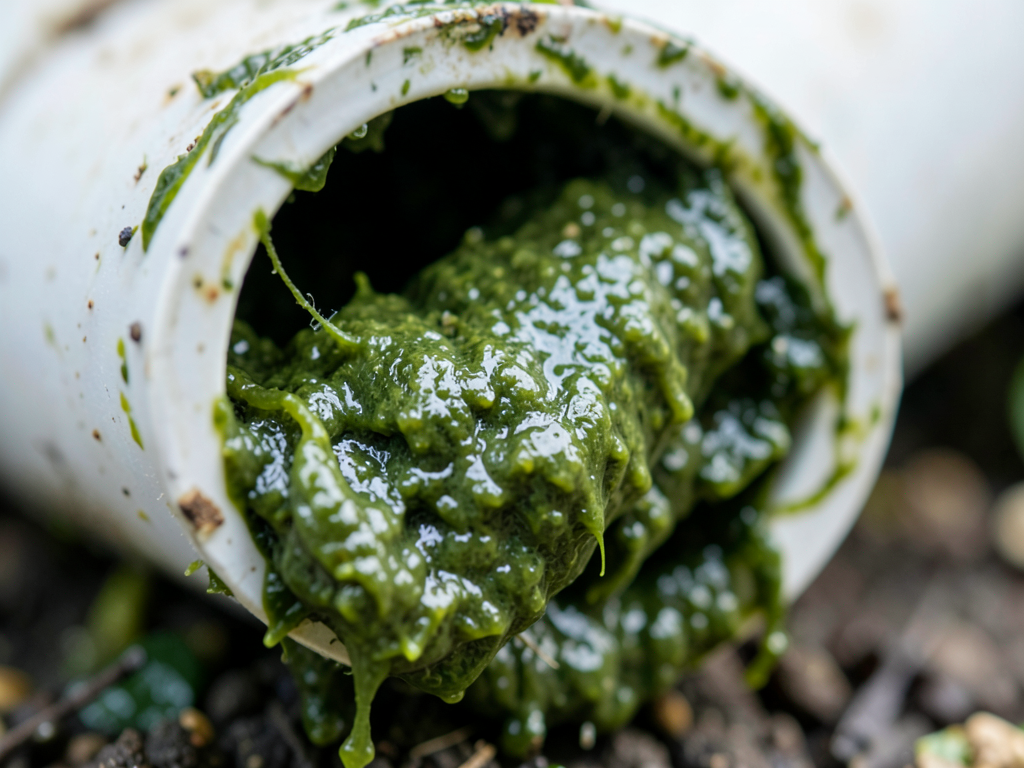
High humidity in Fisherville creates the perfect storm for AC drain line clogs. When warm air hits the cold evaporator coil, moisture condenses rapidly. That water flows through a narrow PVC pipe to your home’s exterior. In Memphis summers where dew points often exceed 70 degrees, that constant flow of water combined with airborne dust creates a thick sludge inside your drain line.
The primary culprit is algae growth. These microscopic organisms thrive in the dark, wet environment of your condensate line. As they multiply, they form a biofilm that narrows the pipe diameter. Add in pollen, pet dander, and fine dust from Fisherville’s older homes near the Wolf River, and you have a recipe for persistent clogs. The problem compounds because many Fisherville homes built before 2000 have drain lines that are too narrow or improperly pitched, allowing debris to settle rather than flow out.
Why Fisherville Homes Face Unique Drainage Challenges
Fisherville’s location near the Wolf River means many homes sit on soil with higher moisture content. This affects not just the ground around your foundation but also the air inside your home. When your AC runs, it’s pulling in air that already carries more moisture and particulates than homes in drier parts of Memphis.
Another factor is the age of Fisherville’s housing stock. Many homes in the 38128 zip code were built between 1970 and 1995. These systems often have original drain lines that have never been properly cleaned or replaced. The PVC pipes develop micro-abrasions over decades of use, creating perfect spots for algae to anchor and grow.
The local water chemistry also plays a role. Memphis water from MLGW contains minerals that, when combined with organic matter in your drain line, create a cement-like scale. This scale builds up gradually, reducing flow until the line backs up completely.
The 5 Primary Culprits Behind Your Clogged Drain Line
Understanding what’s blocking your drain line helps prevent future problems. Here are the five most common causes we see in Fisherville homes:
1. Algae and Biofilm Buildup
Algae spores are everywhere in Memphis air. When they land in your moist drain line, they multiply rapidly. The biofilm they create is sticky and traps other debris. This is the number one cause of clogs in our area.
2. Dust and Household Debris
Every time your AC runs, it pulls in air from your home. That air carries dust, skin cells, pet hair, and other particulates. These materials settle in the drain pan and eventually make their way into the drain line.
3. Insects and Pests
Memphis is home to mud daubers and other insects that love dark, moist spaces. These pests can build nests inside open drain lines, creating immediate blockages. We often find wasp nests in outdoor drain line openings during fall inspections.
4. Improper Pipe Installation
Many Fisherville homes have drain lines that were installed without proper slope. The International Mechanical Code requires a minimum 1% slope for condensate drains. Without it, water pools and debris settles rather than flowing out.
5. Mold and Mildew Growth
The same conditions that promote algae also support mold growth. Mold spores can colonize the interior walls of your drain line, creating a thick layer that restricts water flow.
Warning Signs Your Line is Already Blocked
Recognizing the early warning signs can save you from water damage. Here’s what to watch for in your Fisherville home:
Standing water in the emergency drain pan
Your AC has a secondary drain pan beneath the evaporator coil. If you see water in this pan, your main drain line is blocked. This pan exists specifically to catch overflow when the primary line fails.
Musty odors near the indoor unit
When water backs up in the drain line, it creates stagnant pools where bacteria grow. These produce the characteristic musty smell of a clogged drain system.
The AC system won’t turn on
Modern AC units have a float switch in the drain pan. When water rises to a certain level, this switch cuts power to prevent flooding. If your AC suddenly stops working, check the drain pan first.
Water stains on the ceiling or flooring
The Impact of Memphis Humidity on Your HVAC Drainage
Memphis experiences some of the highest humidity levels in the country. During July and August, relative humidity often stays above 85% even with air conditioning running. This constant moisture load means your AC is removing gallons of water from the air every day.
The evaporator coil in your air handler becomes a cold surface that condenses this moisture. In Fisherville’s humid conditions, the coil stays wet for extended periods. This creates ideal conditions for the growth of microorganisms that eventually clog your drain line.
The problem is worse in homes near water bodies like the Wolf River or Nonconnah Creek. These areas have naturally higher humidity levels, especially during morning hours when the air is still. Your AC runs harder to remove this moisture, producing more condensate that flows through the drain system.
Another factor is the temperature differential. When outdoor temperatures hit 95 degrees but your indoor air stays at 72 degrees, the 23-degree difference causes extreme condensation. This temperature swing is more pronounced in Fisherville than in many other Memphis suburbs due to the area’s lower elevation near the river floodplain.
Prevention and Professional Solutions
Preventing drain line clogs requires a two-pronged approach: regular maintenance and proper system design. Here’s what works in Fisherville’s specific conditions:
DIY Maintenance Steps
Monthly vinegar flushes can help prevent minor buildup. Pour one cup of white vinegar into the drain line access point. The acidity kills algae and breaks down minor scale deposits. However, this won’t fix structural issues or severe blockages. Troubleshooting AC Issues.
Professional Cleaning Methods
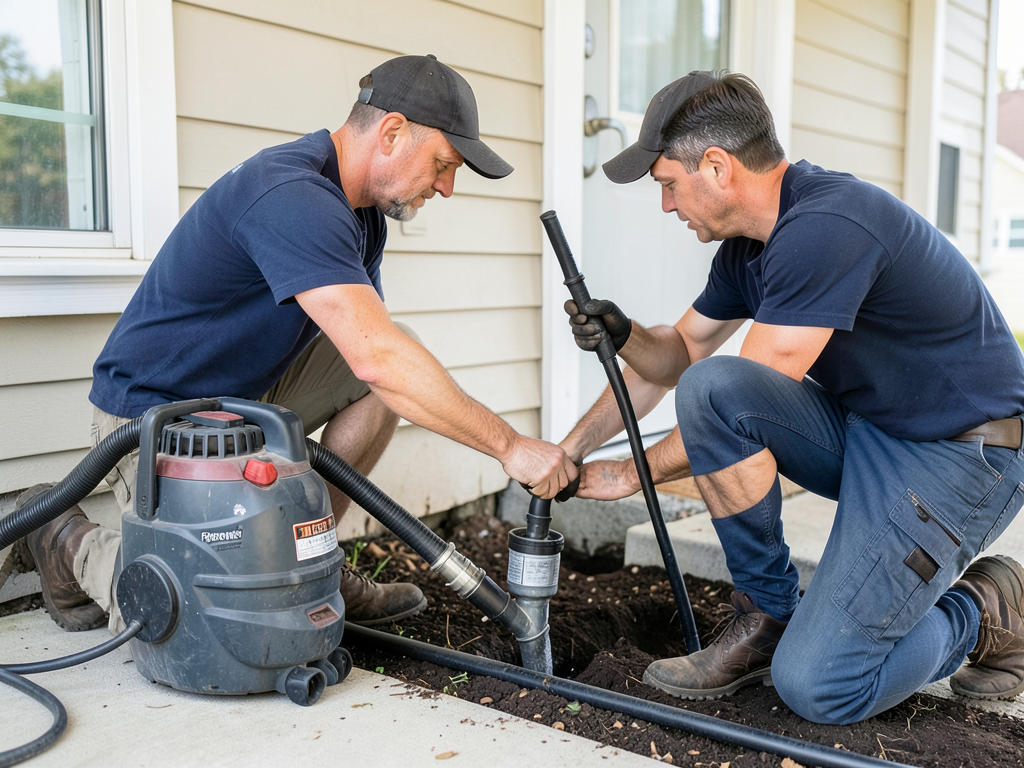
Professional service involves using a wet/dry vacuum to suction out the entire line. We then use nitrogen to blow out remaining debris. This method clears blockages that vinegar cannot touch. Professional Heat Pump Replacement Services in Bartlett.
System Upgrades
Installing a larger diameter drain line (from 3/4 inch to 1 inch) reduces clog frequency. Adding a cleanout port allows easier maintenance. Installing a secondary drain line provides backup if the primary clogs.
Float Switch Installation
A properly installed float switch prevents water damage by shutting off your AC when the drain backs up. This is required by the International Mechanical Code for all new installations but many older Fisherville homes lack this protection.
UV Light Treatment
Installing a UV light near the evaporator coil kills microorganisms before they enter the drain system. This technology is particularly effective in Memphis’s humid climate.
When to Call a Professional
Some drain line issues require professional attention. Call us if you notice any of these signs:
- Water leaking from your ceiling or walls
- Your AC won’t turn on and the drain pan has water
- You’ve tried DIY methods but the problem keeps returning
- You notice mold growth around your indoor unit
- Your AC is making unusual noises when it runs
Professional service includes camera inspection of the drain line to identify exact blockage locations and determine if pipe replacement is needed. We also check for proper slope and code compliance.
Comparing Drain Line Materials and Their Performance
| Material | Pros | Cons | Best For |
|---|---|---|---|
| PVC (Schedule 40) | Durable, affordable, easy to install | Can crack in extreme cold, joints may leak | Most residential applications |
| PVC (Schedule 80) | Thicker walls, more durable | More expensive, heavier | Commercial or high-traffic areas |
| ABS | Impact resistant, good for cold climates | Not UV stable, can warp in heat | Underground or protected installations |
| CPVC | Handles higher temperatures, chemical resistant | More expensive, requires special cement | High-efficiency units, near heat sources |
Memphis Code Requirements for Condensate Drainage
The 2021 International Mechanical Code, adopted by Shelby County, requires specific protections for condensate drainage systems. Section 307.2.2 mandates that drain lines must have a minimum slope of 1% and include a trap to prevent air from being pulled through the line. 2021 International Mechanical Code.
Additionally, Section 307.2.5 requires a secondary drain pan with a separate drain line for equipment located where condensate leakage would cause damage. This is particularly important for attic installations common in Fisherville’s older ranch homes. EPA mold and moisture control guidelines.
The code also requires a water-level detection device that shuts off the equipment before overflow occurs. This device must be installed in the primary drain pan above the normal water level but below the overflow rim.
Many Fisherville homes built before these codes were adopted lack these protections. If your home is older, upgrading to meet current code requirements can prevent costly water damage.
Maintaining Your Drain Line Year-Round
Drain line maintenance isn’t just a summer concern. Here’s a year-round maintenance schedule for Fisherville homes:
- Spring Preparation
Before cooling season begins, have your drain line professionally cleaned. This removes any buildup that occurred during the winter when your system was idle.
- Summer Monitoring
Check the drain pan monthly during peak cooling season. Look for standing water or signs of algae growth.
- Fall Cleaning
After cooling season ends, perform another thorough cleaning to remove summer buildup.
- Winter Protection
If you have a heat pump, ensure the drain line remains clear during winter operation. For conventional furnaces, pour a cup of vinegar through the line to prevent algae growth during the off-season.
Following this schedule helps prevent the sudden failures that often occur when you need your AC most.
The Cost of Neglect vs. Prevention
Ignoring a slow-draining condensate line can lead to expensive repairs. Water damage from a backed-up drain can cost thousands in ceiling repairs, floor replacement, and mold remediation.
Professional drain line cleaning typically costs between $100 and $200. Installing proper safety switches and upgrading to code-compliant materials might cost $300 to $600. Compare that to water damage repairs that can easily exceed $5,000.
Beyond the direct costs, there’s the inconvenience of system failure during Memphis’s hottest days. A backed-up drain line that triggers your float switch means no cooling when you need it most.
Why Choose Ironwood HVAC for Your Drain Line Service
At Ironwood HVAC, we understand Fisherville’s specific challenges. Our technicians are familiar with the area’s older homes, common installation issues, and the impact of local humidity on HVAC systems.
We use professional-grade equipment including high-pressure nitrogen cleaning and drain line cameras to diagnose and fix problems correctly the first time. Our service vehicles carry all common replacement parts, allowing us to complete most repairs in a single visit.
We also offer preventive maintenance plans that include annual drain line cleaning and inspection. These plans help catch small problems before they become emergencies.
Most importantly, we stand behind our work with a satisfaction guarantee. If your drain line clogs again within 90 days of our service, we’ll return to fix it at no additional charge.
Frequently Asked Questions
How often should I have my AC drain line cleaned?
For Fisherville homes, we recommend professional cleaning annually, typically in spring before cooling season begins. Homes with pets, allergies, or near wooded areas may benefit from twice-yearly cleaning.
Can I use bleach instead of vinegar to clean my drain line?
While bleach kills algae, it can damage your drain line’s PVC pipes over time and harm your lawn when it exits. White vinegar is safer and equally effective for routine maintenance.
Why does my drain line keep clogging even after cleaning?
Recurring clogs often indicate a design problem like improper slope, inadequate pipe diameter, or missing traps. Your system may need redesign rather than just repeated cleaning.
Is a secondary drain line really necessary?
Yes. The International Mechanical Code requires secondary protection for equipment where condensate leakage would cause damage. This is especially important for attic installations common in Fisherville’s older homes.
How can I tell if my drain line has a proper trap?
A proper trap looks like a U-shaped bend in the pipe. It holds water to create a seal that prevents air from being sucked back through the drain line. Without a trap, your system works harder and debris enters more easily.
Don’t let a clogged drain line ruin your summer comfort. Call (901) 640-3999 today to schedule your inspection. Our experienced technicians will diagnose the problem and recommend the most cost-effective solution for your Fisherville home. We offer same-day service for emergencies and stand behind all our work with a satisfaction guarantee.
Pick up the phone and call (901) 640-3999 before the next storm hits. A small investment in drain line maintenance now can prevent thousands in water damage repairs later. Your comfort and peace of mind are worth it.
{
“@context”: “https://schema.org”,
“@type”: “BlogPosting”,
“headline”: “The real reason your AC drain line keeps backing up in your Fisherville home”,
“description”: “Is your AC drain line constantly clogging in Fisherville? Learn the real causes, warning signs, and proven fixes from Memphis HVAC experts at Ironwood.”,
“wordCount”: 2092,
“datePublished”: “2026-05-29T10:15:00.000Z”,
“dateModified”: “2026-05-29T10:15:00.000Z”,
“inLanguage”: “en-US”,
“mainEntityOfPage”: {
“@type”: “WebPage”,
“@id”: “https://ironwoodhvacmemphis.com”
},
“publisher”: {
“@type”: “LocalBusiness”,
“name”: “Ironwood HVAC Memphis”,
“url”: “https://ironwoodhvacmemphis.com”
},
“author”: {
“@type”: “Organization”,
“name”: “Ironwood HVAC Memphis”,
“url”: “https://ironwoodhvacmemphis.com”
},
“image”: {
“@type”: “ImageObject”,
“url”: “https://ironwoodhvacmemphis.com/wp-content/uploads/2026/03/the-real-reason-your-ac-drain-line-keeps-backing-u-1.png”
}
}
{
“@context”: “https://schema.org”,
“@type”: “HVACBusiness”,
“name”: “Ironwood HVAC Memphis”,
“url”: “https://ironwoodhvacmemphis.com”,
“address”: {
“@type”: “PostalAddress”,
“addressLocality”: “Memphis”
},
“areaServed”: {
“@type”: “City”,
“name”: “Memphis”
}
}
{
“@context”: “https://schema.org”,
“@type”: “FAQPage”,
“mainEntity”: [
{
“@type”: “Question”,
“name”: “How often should I have my AC drain line cleaned?”,
“acceptedAnswer”: {
“@type”: “Answer”,
“text”: “For Fisherville homes, we recommend professional cleaning annually, typically in spring before cooling season begins. Homes with pets, allergies, or near wooded areas may benefit from twice-yearly cleaning.”
}
},
{
“@type”: “Question”,
“name”: “Can I use bleach instead of vinegar to clean my drain line?”,
“acceptedAnswer”: {
“@type”: “Answer”,
“text”: “While bleach kills algae, it can damage your drain line’s PVC pipes over time and harm your lawn when it exits. White vinegar is safer and equally effective for routine maintenance.”
}
},
{
“@type”: “Question”,
“name”: “Why does my drain line keep clogging even after cleaning?”,
“acceptedAnswer”: {
“@type”: “Answer”,
“text”: “Recurring clogs often indicate a design problem like improper slope, inadequate pipe diameter, or missing traps. Your system may need redesign rather than just repeated cleaning.”
}
},
{
“@type”: “Question”,
“name”: “Is a secondary drain line really necessary?”,
“acceptedAnswer”: {
“@type”: “Answer”,
“text”: “Yes. The International Mechanical Code requires secondary protection for equipment where condensate leakage would cause damage. This is especially important for attic installations common in Fisherville’s older homes.”
}
},
{
“@type”: “Question”,
“name”: “How can I tell if my drain line has a proper trap?”,
“acceptedAnswer”: {
“@type”: “Answer”,
“text”: “A proper trap looks like a U-shaped bend in the pipe. It holds water to create a seal that prevents air from being sucked back through the drain line. Without a trap, your system works harder and debris enters more easily.”
}
}
]
}
{
“@context”: “https://schema.org”,
“@type”: “HowTo”,
“name”: “How to Maintain Your AC Drain Line”,
“step”: [
{
“@type”: “HowToStep”,
“position”: 1,
“name”: “Spring Preparation”,
“text”: “Before cooling season begins, have your drain line professionally cleaned. This removes any buildup that occurred during the winter when your system was idle.”
},
{
“@type”: “HowToStep”,
“position”: 2,
“name”: “Summer Monitoring”,
“text”: “Check the drain pan monthly during peak cooling season. Look for standing water or signs of algae growth.”
},
{
“@type”: “HowToStep”,
“position”: 3,
“name”: “Fall Cleaning”,
“text”: “After cooling season ends, perform another thorough cleaning to remove summer buildup.”
},
{
“@type”: “HowToStep”,
“position”: 4,
“name”: “Winter Protection”,
“text”: “If you have a heat pump, ensure the drain line remains clear during winter operation. For conventional furnaces, pour a cup of vinegar through the line to prevent algae growth during the off-season.”
}
],
“image”: “https://ironwoodhvacmemphis.com/wp-content/uploads/2026/03/the-real-reason-your-ac-drain-line-keeps-backing-u-1.png”
}
{
“@context”: “https://schema.org”,
“@type”: “BreadcrumbList”,
“itemListElement”: [
{
“@type”: “ListItem”,
“position”: 1,
“name”: “Home”,
“item”: “https://ironwoodhvacmemphis.com”
},
{
“@type”: “ListItem”,
“position”: 2,
“name”: “Blog”,
“item”: “https://ironwoodhvacmemphis.com/blog”
},
{
“@type”: “ListItem”,
“position”: 3,
“name”: “The real reason your AC drain line keeps backing up in your Fisherville home”
}
]
}
{
“@context”: “https://schema.org”,
“@type”: “Service”,
“serviceType”: “HVAC”,
“provider”: {
“@type”: “LocalBusiness”,
“name”: “Ironwood HVAC Memphis”,
“url”: “https://ironwoodhvacmemphis.com”
},
“areaServed”: {
“@type”: “City”,
“name”: “Memphis”
},
“description”: “Is your AC drain line constantly clogging in Fisherville? Learn the real causes, warning signs, and proven fixes from Memphis HVAC experts at Ironwood.”
}