
Memphis homeowners can save thousands on new HVAC systems in 2026 through federal tax credits and local utility rebates.
The Inflation Reduction Act extends Section 25C energy efficiency tax credits through 2032, offering up to $2,000 for qualifying heat pumps and $600 for central AC systems or furnaces. When combined with MLGW’s Smart Energy Solutions rebates, Memphis residents can reduce installation costs by over 40% on eligible equipment. MLGW Smart Energy Solutions Rebates.
Memphis’s high humidity and volatile temperature swings make energy-efficient HVAC systems particularly valuable. The 2026 tax credits cover systems meeting Energy Star Version 6.0 standards and CEE Tier 1 or Tier 2 efficiency ratings, specifically designed to handle the Mid-South’s demanding climate conditions.
Homeowners in Bartlett, Cordova, and surrounding Shelby County neighborhoods can claim these credits when filing 2026 taxes using IRS Form 5695. The credits apply to primary residences only and require installation by certified contractors familiar with local building codes and MLGW requirements. IRS Energy Efficient Home Improvement Credit Information.
The Inflation Reduction Act: What Changes in 2026?
The 2026 provisions maintain the $2,000 annual cap for heat pumps while introducing stricter efficiency requirements. Systems must achieve a minimum 15 SEER2 rating and meet Energy Star Version 6.0 specifications to qualify for the full credit amount.
Central air conditioners and natural gas furnaces now require at least 16 SEER2 efficiency ratings for the $600 credit. Electric furnaces and air handlers with heat pump technology qualify for the higher $2,000 heat pump credit when installed as part of a complete system.
The credit covers installation costs including labor, electrical panel upgrades, and necessary ductwork modifications. This expansion helps homeowners address the hidden costs often associated with HVAC replacements in older Memphis homes with aging electrical infrastructure. Professional Heat Pump Replacement Services in Bartlett.
Breakdown of 2026 HVAC Tax Credits
| Equipment Type | Maximum Credit | Efficiency Requirements |
|---|---|---|
| Heat Pumps | $2,000 | 15 SEER2 minimum, Energy Star 6.0 |
| Central AC | $600 | 16 SEER2 minimum |
| Furnaces | $600 | AFUE 95% minimum |
| Electrical Panels | $600 | Required for HVAC installation |
| Ductwork Modifications | Included | Necessary for system efficiency |
The credits apply to the total installation cost, not just equipment prices. This means homeowners can claim credits for electrical work, permits, and contractor labor when upgrading to qualifying systems. The Best Way to Find a Reliable HVAC Contractor in Arlington.
Eligibility Criteria for Memphis Residents
Memphis homeowners must meet specific requirements to qualify for 2026 tax credits. The equipment must be installed in your primary residence between January 1, 2026, and December 31, 2026. Second homes, rentals, and new construction properties do not qualify under Section 25C.. Read more about How to choose between a Carrier and a Goodman system for your Bartlett home.
Systems must carry Energy Star Version 6.0 certification and meet minimum efficiency standards. For Memphis’s climate zone (Zone 3), heat pumps need a heating seasonal performance factor (HSPF) of at least 8.5 and a cooling capacity that handles 95+ degree summer temperatures.
Installation requires proper permits from Shelby County Building Code Enforcement. Contractors must be licensed in Tennessee and carry appropriate insurance. DIY installations or work by unlicensed individuals cannot qualify for tax credits.
Local Memphis Rebates & Stackable Savings
MLGW offers additional rebates that stack with federal tax credits. The Smart Energy Solutions program provides up to $450 for heat pump installations and $200 for central AC systems when installed by participating contractors.
TVA EnergyRight partners with local utilities to offer further incentives. Memphis residents can receive up to $500 in additional rebates for high-efficiency heat pump installations through participating MLGW contractors.
The combined savings can exceed $2,500 on a typical heat pump installation. A $7,000 system might cost around $4,500 after federal credits and local rebates, making energy-efficient upgrades more accessible for Memphis homeowners.
How to Claim Your Tax Credit
Claiming your 2026 HVAC tax credit requires specific documentation and proper filing procedures. Homeowners must complete IRS Form 5695 and submit it with their 2026 tax return. The form calculates the credit amount based on qualified expenses and previous year’s credits.
Required documentation includes the manufacturer’s certification statement showing Energy Star Version 6.0 compliance, contractor invoices detailing all installation costs, and proof of payment. Keep these records for at least three years in case of IRS audit.. Read more about The hidden costs of buying an HVAC system online versus through a local Memphis pro.
Professional tax preparation is recommended for complex returns. The credits are non-refundable, meaning they can only reduce tax liability to zero, not generate a refund. However, unused credits can be carried forward to future tax years.
Memphis-Specific Installation Considerations
Memphis’s high humidity levels require specialized equipment configurations. Heat pumps must include enhanced dehumidification modes and variable-speed blowers to handle the region’s 70%+ dew points during summer months.
Many older Memphis homes have undersized electrical panels that cannot support modern HVAC systems. The 2026 credits include panel upgrades, but homeowners should budget for potential electrical service improvements, especially in homes built before 1980.
Soil conditions in Shelby County create unique installation challenges. The region’s clay soil expands and contracts with moisture changes, requiring proper concrete pad installation and vibration isolation for outdoor units to prevent premature failure.
Cost Comparison: 2026 vs Previous Years
| System Type | 2025 Average Cost | 2026 After Credits | Net Savings |
|---|---|---|---|
| Heat Pump | $7,500 | $4,500 | $3,000 |
| Central AC | $5,800 | $4,600 | $1,200 |
| Furnace | $4,200 | $3,600 | $600 |
| Complete System | $12,000 | $8,000 | $4,000 |
Labor costs in Memphis have increased approximately 8% since 2023 due to skilled technician shortages and rising material costs. The tax credits help offset these increases while promoting energy-efficient upgrades.
Choosing the Right Equipment for Memphis
Heat pumps offer the best value for Memphis homeowners due to the region’s mild winters and long cooling season. Modern cold-climate heat pumps maintain efficiency down to 0°F, providing reliable heating during occasional cold snaps while delivering superior cooling performance. Reliable Emergency Furnace Repair for Families in Collierville.
Two-stage and variable-speed systems provide better humidity control than single-stage units. These systems run longer at lower speeds, removing more moisture from the air and improving indoor comfort during Memphis’s muggy summers.
Energy Star Version 6.0 requirements emphasize both efficiency and comfort. Qualifying systems must demonstrate improved humidity control, sound levels, and reliability compared to previous versions, addressing specific Memphis climate challenges.
Finding Qualified Contractors in Memphis
Selecting the right contractor is crucial for maximizing tax credits and ensuring proper installation. Look for NATE-certified technicians with experience in Memphis’s unique climate conditions and familiarity with MLGW rebate programs.
Ask potential contractors about their experience with Energy Star Version 6.0 systems and their process for handling tax credit documentation. Reputable companies provide detailed invoices and assist with the necessary paperwork for credit claims.
Verify contractor licensing through the Tennessee Board of Licensing Contractors. Memphis requires specific HVAC licenses and insurance coverage. Avoid contractors who cannot provide current license information or refuse to pull required permits.
Timing Your Installation for Maximum Savings
Schedule installations during off-peak seasons when contractors offer better pricing and have more availability. Late winter and early spring typically provide the best combination of pricing, scheduling flexibility, and preparation time before summer heat arrives.
Consider your 2026 tax situation when planning installation timing. If you expect higher income in 2026, the tax credits will provide greater value. Conversely, if you anticipate lower income, the credits may have less impact on your tax liability.
MLGW rebate programs often have limited funding that can run out mid-year. Early planning ensures you can secure both federal credits and local rebates before funding allocations are exhausted.
Maintenance Requirements for Tax Credit Compliance
Maintaining your new HVAC system is essential for warranty preservation and optimal performance. Most manufacturers require annual professional maintenance to keep warranties valid, and some tax credit documentation may require proof of proper maintenance.
Memphis’s high humidity creates specific maintenance needs. Systems require regular coil cleaning, condensate drain inspection, and refrigerant level checks to maintain efficiency and prevent mold growth in the indoor unit.
Professional maintenance plans typically cost $150-200 annually but can prevent costly repairs and maintain system efficiency. Well-maintained systems use 10-15% less energy than neglected units, providing ongoing savings beyond the initial tax credit benefits.
Frequently Asked Questions
Can I claim tax credits for a second home in Memphis?
No. Section 25C tax credits only apply to your primary residence. Second homes, rental properties, and new construction do not qualify for these federal credits, though some local rebates may have different eligibility requirements.
What if I install my system in December 2026 but file taxes in 2027?
You claim the credit on your 2026 tax return filed in 2027. The credit applies to the tax year when the system was installed and placed in service, not when you file your taxes or receive the equipment.
Do I need a new electrical panel for my new HVAC system?
Many modern HVAC systems require 200-amp service. If your panel is undersized, the electrical panel upgrade costs up to $600 can be included in the tax credit calculation, making the upgrade more affordable. Affordable AC Tune-Ups for Homeowners in Lakeland.
How long does it take to get the tax credit money back?
The credit reduces your tax liability when you file your return. If you’re due a refund, you’ll receive it as usual. If you owe taxes, the credit reduces what you pay. There’s no separate waiting period beyond normal tax processing times.
Can I combine tax credits with zero-interest financing?
Yes. Many contractors offer promotional financing that can be combined with tax credits. This allows you to get the system now and use the credit to pay off the loan or reduce payments when you receive your tax refund.
- Evaluate Your Current System
Have a professional assess your existing HVAC equipment to determine if replacement is necessary and which tax credit options apply to your situation.
- Research Available Credits
Review federal tax credit amounts, Energy Star requirements, and local MLGW rebates to understand potential savings on different equipment types.
- Select Qualified Equipment
Choose systems meeting Energy Star Version 6.0 standards and CEE Tier ratings to maximize credit amounts and ensure optimal performance in Memphis’s climate.
- Hire Licensed Contractors
Work with NATE-certified contractors familiar with local codes, MLGW requirements, and tax credit documentation procedures to ensure proper installation and credit eligibility.
- Maintain Documentation
Keep all invoices, certification statements, and payment records organized for tax filing and potential IRS audit purposes.
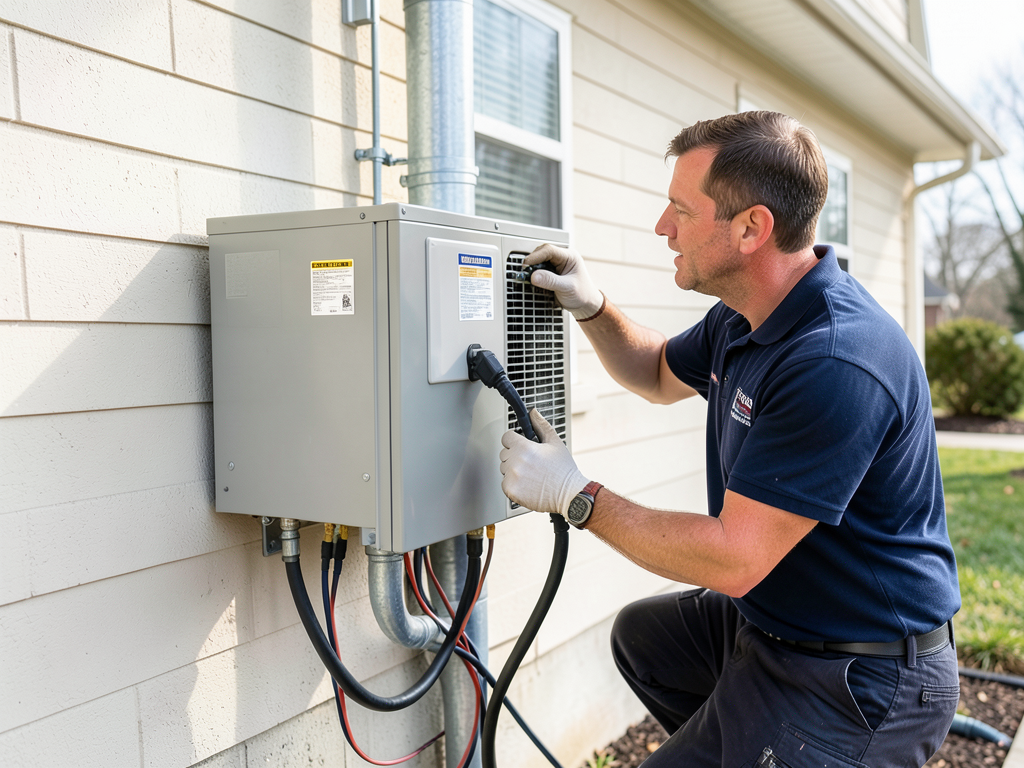
[IMAGE_PLACEHOVER_1] Professional HVAC technician installing a heat pump system in a Memphis home, showing proper equipment mounting and electrical connections.
Diagram comparing energy efficiency ratings and tax credit eligibility for different HVAC system types available in 2026.
Close-up of Energy Star Version 6.0 certification label on qualifying HVAC equipment showing compliance details and efficiency ratings.
Take Action Before 2026 Tax Deadlines
The 2026 tax credits provide unprecedented opportunities for Memphis homeowners to upgrade their HVAC systems while saving money. These credits won’t last forever, and waiting could mean missing out on significant savings.
Start by scheduling a professional assessment of your current system. Understanding your needs and eligibility requirements early allows you to plan installations during optimal timing and secure the best pricing from qualified contractors.
Call (901) 640-3999 today to schedule your free HVAC assessment. Our NATE-certified technicians will evaluate your system, explain your tax credit options, and provide detailed quotes showing your potential savings with federal credits and MLGW rebates combined. For more information, visit Department of Energy Tax Credit Overview.
Don’t let another Memphis summer or winter pass with inefficient equipment. The sooner you upgrade, the sooner you’ll enjoy lower utility bills, improved comfort, and the peace of mind that comes with energy-efficient home improvements. Pick up the phone and call (901) 640-3999 before the next storm hits or the next heat wave arrives.
{
“@context”: “https://schema.org”,
“@type”: “BlogPosting”,
“headline”: “The best way to use the Inflation Reduction Act tax credits for a new HVAC in 2026”,
“description”: “Maximize your 2026 HVAC tax credits in Memphis. Learn how to combine federal IRA savings with MLGW rebates for heat pumps and AC systems.”,
“wordCount”: 1928,
“datePublished”: “2026-05-21T06:24:00.000Z”,
“dateModified”: “2026-05-21T06:24:00.000Z”,
“inLanguage”: “en-US”,
“mainEntityOfPage”: {
“@type”: “WebPage”,
“@id”: “https://ironwoodhvacmemphis.com”
},
“publisher”: {
“@type”: “LocalBusiness”,
“name”: “Ironwood HVAC Memphis”,
“url”: “https://ironwoodhvacmemphis.com”
},
“author”: {
“@type”: “Organization”,
“name”: “Ironwood HVAC Memphis”,
“url”: “https://ironwoodhvacmemphis.com”
},
“image”: {
“@type”: “ImageObject”,
“url”: “https://ironwoodhvacmemphis.com/wp-content/uploads/2026/03/the-best-way-to-use-the-inflation-reduction-act-ta-1.png”
}
}
{
“@context”: “https://schema.org”,
“@type”: “HVACBusiness”,
“name”: “Ironwood HVAC Memphis”,
“url”: “https://ironwoodhvacmemphis.com”,
“address”: {
“@type”: “PostalAddress”,
“addressLocality”: “Memphis”
},
“areaServed”: {
“@type”: “City”,
“name”: “Memphis”
}
}
{
“@context”: “https://schema.org”,
“@type”: “FAQPage”,
“mainEntity”: [
{
“@type”: “Question”,
“name”: “The Inflation Reduction Act: What Changes in 2026?”,
“acceptedAnswer”: {
“@type”: “Answer”,
“text”: “The 2026 provisions maintain the $2,000 annual cap for heat pumps while introducing stricter efficiency requirements. Systems must achieve a minimum 15 SEER2 rating and meet Energy Star Version 6.0 specifications to qualify for the full credit amount.”
}
},
{
“@type”: “Question”,
“name”: “Can I claim tax credits for a second home in Memphis?”,
“acceptedAnswer”: {
“@type”: “Answer”,
“text”: “No. Section 25C tax credits only apply to your primary residence. Second homes, rental properties, and new construction do not qualify for these federal credits, though some local rebates may have different eligibility requirements.”
}
},
{
“@type”: “Question”,
“name”: “What if I install my system in December 2026 but file taxes in 2027?”,
“acceptedAnswer”: {
“@type”: “Answer”,
“text”: “You claim the credit on your 2026 tax return filed in 2027. The credit applies to the tax year when the system was installed and placed in service, not when you file your taxes or receive the equipment.”
}
},
{
“@type”: “Question”,
“name”: “Do I need a new electrical panel for my new HVAC system?”,
“acceptedAnswer”: {
“@type”: “Answer”,
“text”: “Many modern HVAC systems require 200-amp service. If your panel is undersized, the electrical panel upgrade costs up to $600 can be included in the tax credit calculation, making the upgrade more affordable. Affordable AC Tune-Ups for Homeowners in Lakeland.”
}
},
{
“@type”: “Question”,
“name”: “How long does it take to get the tax credit money back?”,
“acceptedAnswer”: {
“@type”: “Answer”,
“text”: “The credit reduces your tax liability when you file your return. If you’re due a refund, you’ll receive it as usual. If you owe taxes, the credit reduces what you pay. There’s no separate waiting period beyond normal tax processing times.”
}
},
{
“@type”: “Question”,
“name”: “Can I combine tax credits with zero-interest financing?”,
“acceptedAnswer”: {
“@type”: “Answer”,
“text”: “Yes. Many contractors offer promotional financing that can be combined with tax credits. This allows you to get the system now and use the credit to pay off the loan or reduce payments when you receive your tax refund.”
}
}
]
}
{
“@context”: “https://schema.org”,
“@type”: “HowTo”,
“name”: “How to Maximize Your HVAC Tax Credits”,
“step”: [
{
“@type”: “HowToStep”,
“position”: 1,
“name”: “Evaluate Your Current System”,
“text”: “Have a professional assess your existing HVAC equipment to determine if replacement is necessary and which tax credit options apply to your situation.”
},
{
“@type”: “HowToStep”,
“position”: 2,
“name”: “Research Available Credits”,
“text”: “Review federal tax credit amounts, Energy Star requirements, and local MLGW rebates to understand potential savings on different equipment types.”
},
{
“@type”: “HowToStep”,
“position”: 3,
“name”: “Select Qualified Equipment”,
“text”: “Choose systems meeting Energy Star Version 6.0 standards and CEE Tier ratings to maximize credit amounts and ensure optimal performance in Memphis’s climate.”
},
{
“@type”: “HowToStep”,
“position”: 4,
“name”: “Hire Licensed Contractors”,
“text”: “Work with NATE-certified contractors familiar with local codes, MLGW requirements, and tax credit documentation procedures to ensure proper installation and credit eligibility.”
},
{
“@type”: “HowToStep”,
“position”: 5,
“name”: “Maintain Documentation”,
“text”: “Keep all invoices, certification statements, and payment records organized for tax filing and potential IRS audit purposes.”
}
],
“image”: “https://ironwoodhvacmemphis.com/wp-content/uploads/2026/03/the-best-way-to-use-the-inflation-reduction-act-ta-1.png”
}
{
“@context”: “https://schema.org”,
“@type”: “BreadcrumbList”,
“itemListElement”: [
{
“@type”: “ListItem”,
“position”: 1,
“name”: “Home”,
“item”: “https://ironwoodhvacmemphis.com”
},
{
“@type”: “ListItem”,
“position”: 2,
“name”: “Blog”,
“item”: “https://ironwoodhvacmemphis.com/blog”
},
{
“@type”: “ListItem”,
“position”: 3,
“name”: “The best way to use the Inflation Reduction Act tax credits for a new HVAC in 2026”
}
]
}
{
“@context”: “https://schema.org”,
“@type”: “Service”,
“serviceType”: “HVAC”,
“provider”: {
“@type”: “LocalBusiness”,
“name”: “Ironwood HVAC Memphis”,
“url”: “https://ironwoodhvacmemphis.com”
},
“areaServed”: {
“@type”: “City”,
“name”: “Memphis”
},
“description”: “Maximize your 2026 HVAC tax credits in Memphis. Learn how to combine federal IRA savings with MLGW rebates for heat pumps and AC systems.”
}