
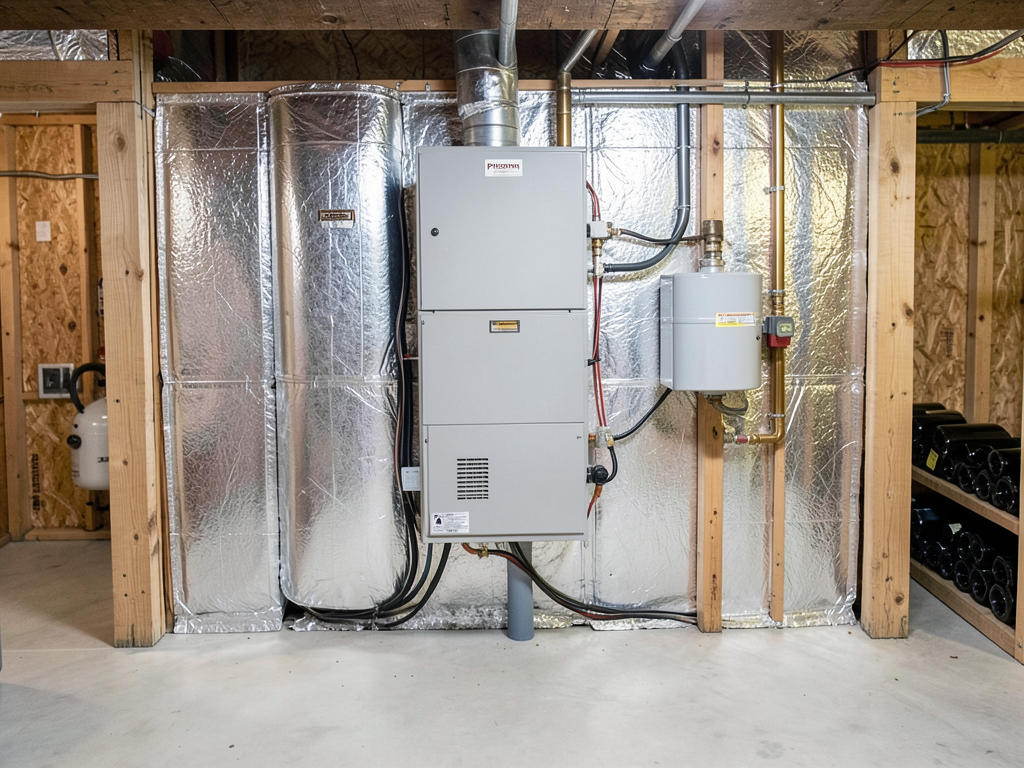
The best way to cool your luxury wine cellar in Piperton or Eads
Your wine collection deserves more than a standard air conditioner. In the humid Mid-South climate of Piperton and Eads, maintaining proper temperature and humidity for your wine cellar requires specialized refrigeration equipment. The wrong system can ruin thousands of dollars in wine through temperature swings and mold growth.. Read more about How to integrate your HVAC system into a ProControl or Control4 smart home in Germantown.
Standard HVAC systems cool to 72°F with 40-50% relative humidity. Your wine needs 55-57°F with 60-70% humidity. This isn’t just a preference – it’s chemistry. Wine stored at the wrong temperature ages unpredictably. Too warm and it ages too fast. Too cold and it develops off-flavors.
The Memphis area’s clay soil and high water table create unique challenges for basement installations. Moisture constantly wicks through concrete walls. Without proper vapor barriers and insulation, condensation forms on cold surfaces, creating perfect conditions for mold and cork damage.
Why standard cooling fails in Memphis wine cellars
Standard AC units cycle on and off frequently. This creates temperature swings of 5-10 degrees. Wine cellars need constant, gentle cooling. The evaporator coil in a wine cooling unit runs continuously at a higher temperature than a standard AC, preventing the freezing that causes condensation problems.
Memphis humidity averages 75% annually. Standard systems remove too much moisture, dropping humidity below 50%. This dries out corks, allowing oxygen to spoil the wine. Specialized wine cooling systems add moisture back into the air while cooling.
The Wolf River floodplain affects soil composition throughout eastern Shelby County. Clay soil expands when wet and contracts when dry. This movement stresses foundation walls and creates micro-cracks where moisture seeps in. Proper vapor barriers must account for this soil behavior.
Types of wine cooling systems we install
Through-the-wall systems mount directly through an exterior wall. They work well for cellars under 500 cubic feet. The compressor sits outside, reducing vibration that can disturb wine sediment. Installation requires cutting a 4-6 inch hole through the wall and building a sealed sleeve.
Split systems separate the evaporator from the condenser. The quiet indoor unit mounts inside the cellar. The noisier outdoor unit sits 20-30 feet away. This setup handles larger cellars up to 1,500 cubic feet. Refrigerant lines run through the wall or ceiling. EPA relative humidity guidelines.
Ducted systems hide all equipment outside or in a mechanical room. Cool air travels through insulated ducts into the cellar. This works for large collections or when noise is a concern. The ducting must be properly insulated to prevent condensation in Memphis humidity.
| System Type | Capacity | Best For | Installation Complexity |
|---|---|---|---|
| Through-the-wall | Up to 500 cu ft | Small home cellars | Low |
| Split system | 500-1,500 cu ft | Medium collections | Medium |
| Ducted system | 1,500+ cu ft | Large collections | High |
Memphis-specific insulation and vapor barrier requirements
Wine cellars in Piperton and Eads need R-19 insulation on walls and R-30 on ceilings. Standard basement insulation allows too much heat transfer. The temperature difference between a 55°F cellar and a 90°F summer day creates massive heat flow through underinsulated walls.
Vapor barriers prevent moisture migration. In Memphis, we install 6-mil polyethylene sheeting on the warm side of insulation. This stops humid air from reaching cold surfaces where condensation forms. Without this barrier, water drips from walls and ceilings, ruining labels and promoting mold.
Foundation walls in eastern Shelby County often have hairline cracks from soil movement. These cracks allow moisture intrusion even with good exterior drainage. We seal interior walls with waterproof cement before installing insulation and vapor barriers.
The National Fire Protection Association (NFPA) 90A standard requires fire-rated materials for ducts passing through walls. This affects cellar design when routing cooling ducts through living spaces. We use 5/8-inch fire-rated drywall around duct penetrations. NFPA 90A standard for air duct systems.
Energy efficiency considerations for Mid-South wine cellars
Wine cooling systems run 24/7/365. Energy costs matter. Look for units with high Energy Efficiency Ratio (EER) ratings. An EER of 10 uses half the electricity of an EER of 5. Over ten years, this difference can save $1,000 or more.
Variable speed compressors adjust cooling output to match demand. They run longer at lower speeds rather than cycling on and off. This provides more stable temperatures and uses less electricity. The initial cost is higher, but energy savings pay back in 2-3 years.
Smart thermostats optimize efficiency. They learn your patterns and adjust setpoints during unoccupied hours. Some models connect to weather forecasts, pre-cooling before heat waves. Remote monitoring alerts you to temperature or humidity problems before wine is damaged.
Common wine cellar problems we fix
Condensation on walls and ceilings indicates poor insulation or missing vapor barriers. The fix requires removing interior finishes, installing proper insulation, and adding vapor barriers. This isn’t a quick repair – it’s a reconstruction project.
Temperature swings over 3 degrees signal a failing cooling unit or improper sizing. We measure BTU loads and calculate heat gain from walls, ceiling, floor, and lights. Undersized units can’t keep up on hot Memphis days. Oversized units cycle too much, causing humidity problems.
Mold growth on walls or bottles means humidity is too high or air circulation is poor. We check for blocked vents, failed fans, or oversized cooling units that remove too little moisture. Sometimes the solution is as simple as adding a small circulation fan.
Vibration from cooling units can disturb wine sediment. This creates cloudy wine and affects aging. We use vibration isolation pads and flexible refrigerant lines. For critical collections, we recommend remote outdoor units connected by refrigerant lines.
Maintenance to protect your investment
Clean the air filter monthly. Dust buildup reduces efficiency and can cause freezing. Replace filters every three months or more often in dusty environments. A dirty filter can increase energy use by 15%.
Check condensate drains quarterly. Clogged drains cause water overflow and humidity problems. In Memphis, algae growth in drains is common. We flush drains with vinegar solution to prevent blockages.
Inspect door seals annually. Gaps let warm, humid air in. This forces the cooling unit to work harder and can cause condensation. Replace worn seals to maintain proper cellar conditions.
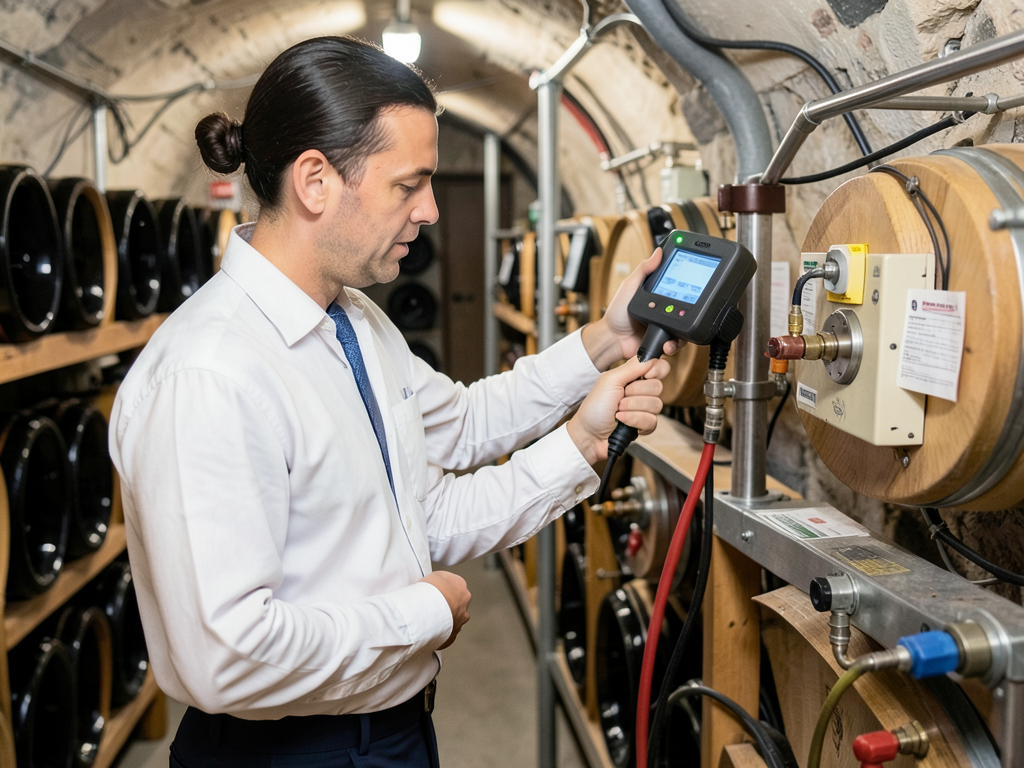
Test temperature and humidity monthly with a calibrated digital hygrometer. Don’t trust the unit’s built-in display. Small problems caught early prevent large problems later. Record readings to spot trends before they become failures.
Smart home integration for wine collectors
Modern wine cooling systems connect to Wi-Fi. You can monitor temperature and humidity from your phone anywhere in the world. Get alerts if conditions leave safe ranges. This protects your collection during travel or power outages.
Integration with whole-home automation systems allows coordinated responses. If the cooling system fails, the system can turn on a backup dehumidifier. If humidity gets too high, it can activate a small heater to prevent condensation.
Data logging tracks conditions over time. This helps optimize settings and proves proper storage conditions for insurance purposes. Some systems generate reports showing temperature stability, which matters for high-value collections.
Why choose local expertise for your wine cellar
Memphis presents unique challenges. Our humidity, soil conditions, and building practices differ from other regions. A contractor from Nashville or Atlanta won’t understand these local factors. We’ve installed systems in Piperton, Eads, and throughout Shelby County for over 15 years. The Best Way to Find a Reliable HVAC Contractor in Arlington.
We know which brands perform best in our climate. Some units struggle with our high dew points. Others have parts availability issues when repairs are needed. We stock common replacement parts to minimize downtime. Professional Heat Pump Replacement Services in Bartlett.
Our technicians understand wine chemistry. We know why 55°F matters and how humidity affects corks. This knowledge guides our system design and troubleshooting. We treat your wine collection with the same care we’d use for our own. Troubleshooting AC Issues.
We provide detailed load calculations specific to your cellar. Generic sizing charts don’t account for local conditions. Our calculations consider wall construction, ceiling height, door usage, and even the thermal mass of your wine bottles.
Project timeline and what to expect
Initial consultation takes 1-2 hours. We measure your space, discuss your collection size, and evaluate existing conditions. We provide a detailed proposal within 48 hours showing system options, pricing, and timeline.
Installation typically takes 1-3 days depending on complexity. Through-the-wall units install fastest. Ducted systems require more time for proper insulation and vapor barrier installation. We protect your home during installation and clean thoroughly afterward.
Testing and commissioning takes another day. We verify temperature and humidity stability, check for condensation, and train you on system operation. We provide maintenance schedules and contact information for future service.
Warranty coverage varies by component. Compressors typically carry 5-year warranties. Other parts have 1-2 year coverage. We offer extended service plans for ongoing maintenance and priority service.
Cost factors for wine cellar cooling in Piperton and Eads
System costs range from $2,500 for small through-the-wall units to $15,000+ for large ducted systems with premium features. Factors affecting price include:
- Cellar size and heat load
- System type and capacity
- Insulation and vapor barrier requirements
- Smart controls and monitoring
- Noise reduction features
- Emergency backup systems
Energy costs average $30-100 monthly depending on system size and efficiency. High-efficiency units cost more upfront but save money long-term. Factor in both purchase price and operating costs when comparing options.
Don’t forget maintenance costs. Annual professional service runs $150-300. Filters cost $20-50 each. Over a 15-year system life, maintenance adds $2,000-4,000 to total ownership cost.
Frequently Asked Questions
What temperature should my wine cellar be?
55-57°F is ideal for most wines. This temperature allows proper aging without accelerating chemical reactions. White wines can be stored slightly cooler at 50-55°F, but 55°F works well for mixed collections.
How much humidity does a wine cellar need?
60-70% relative humidity prevents corks from drying out. Below 50% and corks shrink, allowing oxygen in. Above 70% and mold grows on labels and walls. Memphis humidity makes this balance challenging without specialized equipment.
Can I use a regular air conditioner for my wine cellar?
No. Standard AC units remove too much moisture and cycle on/off frequently. Wine cellars need constant cooling with specific humidity control. Using a regular AC will eventually ruin your wine through dried-out corks and temperature swings.
How long does a wine cooling system last?
Quality systems last 10-15 years with proper maintenance. Compressors often fail around year 8-10. Regular filter changes and annual service extend system life. We’ve seen well-maintained systems last 20+ years.
Do I need a vapor barrier in my wine cellar?
Yes, absolutely. Memphis humidity will cause condensation without a vapor barrier. This leads to mold, water damage, and ruined wine labels. A proper 6-mil polyethylene barrier on the warm side of insulation is essential.
[IMAGE_PLACEHOVER_1]
Call (901) 640-3999 today to schedule your wine cellar consultation. Don’t risk your valuable collection to improper cooling. Our local expertise ensures your wine ages perfectly in Memphis’s challenging climate.
Pick up the phone and call (901) 640-3999 before the next heat wave hits. Your wine deserves professional care, not a makeshift cooling solution that will fail when you need it most.
{
“@context”: “https://schema.org”,
“@type”: “BlogPosting”,
“headline”: “The best way to cool your luxury wine cellar in Piperton or Eads”,
“description”: “Expert wine cellar cooling systems in Memphis TN. Proper humidity control for your collection. Call (901) 640-3999 for professional installation.”,
“wordCount”: 1846,
“datePublished”: “2026-04-27T10:18:00.000Z”,
“dateModified”: “2026-04-27T10:18:00.000Z”,
“inLanguage”: “en-US”,
“mainEntityOfPage”: {
“@type”: “WebPage”,
“@id”: “https://ironwoodhvacmemphis.com”
},
“publisher”: {
“@type”: “LocalBusiness”,
“name”: “Ironwood HVAC Memphis”,
“url”: “https://ironwoodhvacmemphis.com”
},
“author”: {
“@type”: “Organization”,
“name”: “Ironwood HVAC Memphis”,
“url”: “https://ironwoodhvacmemphis.com”
},
“image”: {
“@type”: “ImageObject”,
“url”: “https://ironwoodhvacmemphis.com/wp-content/uploads/2026/03/the-best-way-to-cool-your-luxury-wine-cellar-in-pi-1.png”
}
}
{
“@context”: “https://schema.org”,
“@type”: “HVACBusiness”,
“name”: “Ironwood HVAC Memphis”,
“url”: “https://ironwoodhvacmemphis.com”,
“address”: {
“@type”: “PostalAddress”,
“addressLocality”: “Memphis”
},
“areaServed”: {
“@type”: “City”,
“name”: “Memphis”
}
}
{
“@context”: “https://schema.org”,
“@type”: “FAQPage”,
“mainEntity”: [
{
“@type”: “Question”,
“name”: “What temperature should my wine cellar be?”,
“acceptedAnswer”: {
“@type”: “Answer”,
“text”: “55-57°F is ideal for most wines. This temperature allows proper aging without accelerating chemical reactions. White wines can be stored slightly cooler at 50-55°F, but 55°F works well for mixed collections.”
}
},
{
“@type”: “Question”,
“name”: “How much humidity does a wine cellar need?”,
“acceptedAnswer”: {
“@type”: “Answer”,
“text”: “60-70% relative humidity prevents corks from drying out. Below 50% and corks shrink, allowing oxygen in. Above 70% and mold grows on labels and walls. Memphis humidity makes this balance challenging without specialized equipment.”
}
},
{
“@type”: “Question”,
“name”: “Can I use a regular air conditioner for my wine cellar?”,
“acceptedAnswer”: {
“@type”: “Answer”,
“text”: “No. Standard AC units remove too much moisture and cycle on/off frequently. Wine cellars need constant cooling with specific humidity control. Using a regular AC will eventually ruin your wine through dried-out corks and temperature swings.”
}
},
{
“@type”: “Question”,
“name”: “How long does a wine cooling system last?”,
“acceptedAnswer”: {
“@type”: “Answer”,
“text”: “Quality systems last 10-15 years with proper maintenance. Compressors often fail around year 8-10. Regular filter changes and annual service extend system life. We’ve seen well-maintained systems last 20+ years.”
}
},
{
“@type”: “Question”,
“name”: “Do I need a vapor barrier in my wine cellar?”,
“acceptedAnswer”: {
“@type”: “Answer”,
“text”: “Yes, absolutely. Memphis humidity will cause condensation without a vapor barrier. This leads to mold, water damage, and ruined wine labels. A proper 6-mil polyethylene barrier on the warm side of insulation is essential.”
}
}
]
}
{
“@context”: “https://schema.org”,
“@type”: “BreadcrumbList”,
“itemListElement”: [
{
“@type”: “ListItem”,
“position”: 1,
“name”: “Home”,
“item”: “https://ironwoodhvacmemphis.com”
},
{
“@type”: “ListItem”,
“position”: 2,
“name”: “Blog”,
“item”: “https://ironwoodhvacmemphis.com/blog”
},
{
“@type”: “ListItem”,
“position”: 3,
“name”: “The best way to cool your luxury wine cellar in Piperton or Eads”
}
]
}
{
“@context”: “https://schema.org”,
“@type”: “Service”,
“serviceType”: “HVAC”,
“provider”: {
“@type”: “LocalBusiness”,
“name”: “Ironwood HVAC Memphis”,
“url”: “https://ironwoodhvacmemphis.com”
},
“areaServed”: {
“@type”: “City”,
“name”: “Memphis”
},
“description”: “Expert wine cellar cooling systems in Memphis TN. Proper humidity control for your collection. Call (901) 640-3999 for professional installation.”
}