Managing HVAC for Your Pinch District Airbnb to Prevent Guest Complaints
Running an Airbnb in Memphis’ Pinch District means managing a unique set of HVAC challenges. The area’s historic buildings, high humidity, and dense urban environment create specific problems that can lead to guest complaints if not addressed properly. From controlling moisture in century-old walls to managing noise from rooftop units, your HVAC system needs specialized attention to keep guests comfortable and your ratings high. Memphis Building Safety Department.
The Pinch District’s mix of renovated warehouses and new construction means you’re likely dealing with older ductwork, inadequate insulation, or systems that weren’t designed for short-term rental turnover. Add Memphis’ notorious humidity levels that often exceed 70% in summer, and you have a recipe for mold growth, musty odors, and uncomfortable guests if your system isn’t properly maintained.
Proactive HVAC management isn’t just about comfort—it’s about protecting your investment. A single negative review mentioning temperature issues or strange smells can impact your booking rate for months. The good news is that with the right approach to maintenance, monitoring, and emergency response, you can prevent most HVAC-related complaints before they happen. Reliable Emergency Furnace Repair for Families in Collierville.
Understanding Pinch District HVAC Challenges
The Pinch District presents unique HVAC challenges that generic maintenance won’t solve. Many buildings here were constructed before modern climate control existed, meaning your system might be fighting against original architecture that wasn’t designed for air conditioning.
Historic building characteristics include thick brick walls that absorb heat during the day and release it at night, creating temperature swings that modern HVAC systems struggle to manage. The district’s proximity to the Wolf River and its low-lying areas means higher ambient humidity levels than other parts of Memphis, putting extra strain on dehumidification systems.
Older electrical systems in converted warehouses often can’t handle the power demands of modern HVAC equipment, leading to tripped breakers during peak usage. This is especially problematic in summer when guests run AC units continuously and expect consistent cooling throughout their stay.
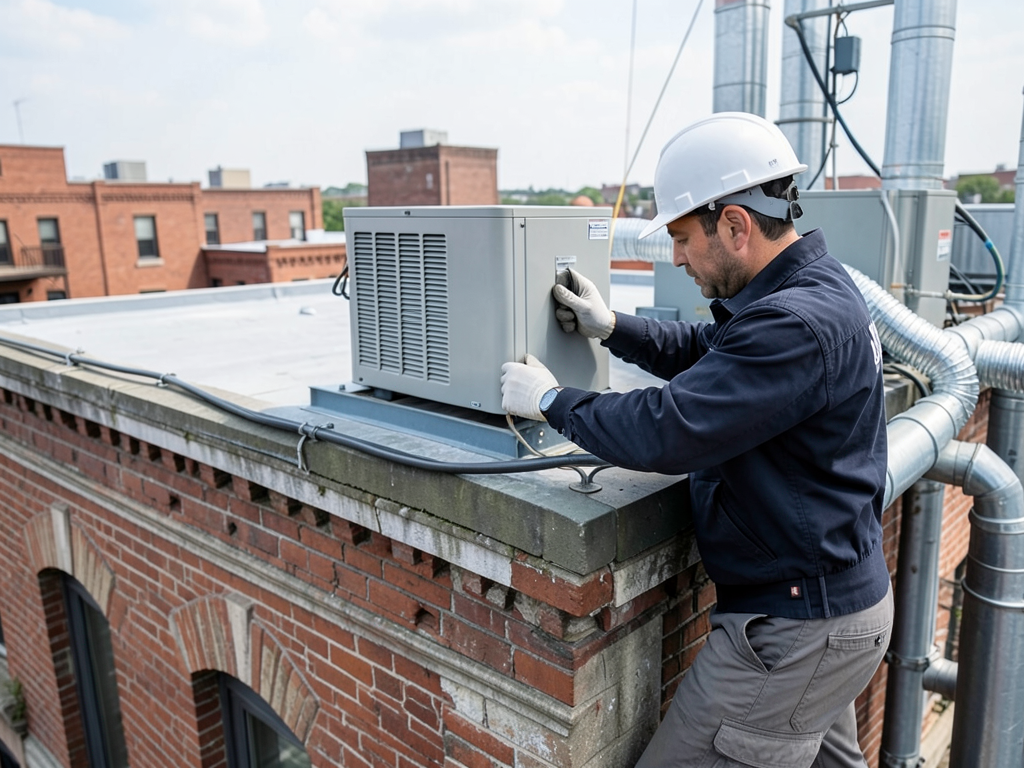
Noise control presents another significant challenge. Rooftop units in the Pinch District are often located close to neighboring buildings, and sound can travel easily through the district’s narrow streets and alleys. Guests expect quiet operation, but aging equipment or improper installation can create disruptive noise levels.
Air quality concerns are amplified in historic buildings where dust, allergens, and even mold spores can accumulate in decades-old ductwork. Without proper filtration and regular cleaning, these contaminants circulate through your rental, causing discomfort for guests with allergies or respiratory sensitivities.
The Pinch District’s mixed-use nature means your building might share ventilation systems with restaurants, offices, or other businesses. This can lead to cross-contamination of odors or inconsistent temperature control if the building’s overall HVAC system isn’t properly zoned.
Essential HVAC Maintenance for Airbnb Hosts
Regular maintenance prevents most HVAC-related guest complaints. A structured maintenance schedule helps you catch small problems before they become expensive emergencies that leave guests uncomfortable.
Monthly filter changes are non-negotiable in the Pinch District. The area’s high pollen counts and urban dust mean filters clog faster than in suburban areas. Use MERV 8-11 filters for good air quality without restricting airflow too much. Higher MERV ratings can strain older systems.
Seasonal professional inspections should happen twice yearly—once before summer heat arrives and again before winter. A technician should check refrigerant levels, clean condenser coils, inspect electrical connections, and test thermostat accuracy. In the Pinch District, pay special attention to humidity control settings and drainage systems. Professional Heat Pump Replacement Services in Bartlett.
Thermostat calibration is critical for guest satisfaction. Many guests complain about temperature issues when the real problem is inaccurate thermostat readings. Have your thermostat calibrated annually and consider upgrading to a smart thermostat that allows remote monitoring and adjustment. Troubleshooting AC Issues.
Condensate drain lines in the Pinch District’s humid climate are prone to algae growth and clogging. Clean these lines quarterly using a vinegar solution or commercial cleaner. A backed-up drain line can cause water damage and create the musty odors that trigger negative reviews.. Read more about Fixing Water Leaks from Your HVAC Condensate Pump in Joffre.
Inspect ductwork for leaks, especially in older buildings where ducts may have settled or been damaged during renovations. Even small leaks can reduce system efficiency by 20% and create temperature inconsistencies that guests notice immediately.
Check refrigerant levels regularly. Low refrigerant not only reduces cooling capacity but can cause the system to freeze up during peak usage—exactly when guests need it most. This is a common cause of mid-summer HVAC failures in the Pinch District.
Clean outdoor units of debris, leaves, and urban grime that accumulates quickly in the downtown environment. Ensure at least two feet of clearance around the unit for proper airflow. Blocked airflow causes the system to work harder and fail sooner.
Humidity Control Strategies for Guest Comfort
Memphis humidity is your biggest HVAC challenge in the Pinch District. High humidity makes temperatures feel warmer than they are and creates conditions for mold growth that can damage your property and reputation.
Ideal indoor humidity for guest comfort is between 40-50%. Above 60%, guests feel sticky and uncomfortable. Above 70%, you risk mold growth and musty odors. Your HVAC system should be sized to handle both temperature and humidity control, not just cooling.
Standalone dehumidifiers can supplement your HVAC system during peak humidity periods. Place them in problem areas like basements, bathrooms, or rooms with poor airflow. Empty them regularly or use models with continuous drainage to avoid guest complaints about maintenance tasks.
Smart humidity sensors provide early warning of moisture problems. Place them in strategic locations and set alerts for when humidity exceeds 55%. This allows you to address issues before guests notice or complain.
Ventilation is crucial in the Pinch District’s older buildings. Ensure bathroom exhaust fans work properly and consider installing additional ventilation in areas prone to moisture accumulation. Poor ventilation traps humidity and creates the conditions for mold growth.
Air circulation prevents hot and cold spots that guests complain about. Use ceiling fans to help distribute conditioned air evenly throughout the space. In the Pinch District’s often oddly-shaped historic rooms, good air circulation is essential for consistent comfort.
Consider UV light systems for your HVAC equipment. These kill mold and bacteria that thrive in the Pinch District’s humid conditions, improving air quality and preventing the musty odors that trigger negative reviews.
Seal windows and doors properly to prevent humid outdoor air from infiltrating your space. Weatherstripping deteriorates over time, especially in buildings that experience frequent guest turnover. Check seals quarterly and replace as needed.
Emergency Response Planning for HVAC Failures
Even with perfect maintenance, HVAC systems fail. Having a solid emergency response plan prevents one night of discomfort from becoming a damaging review that lasts for months.
Establish relationships with 24/7 HVAC contractors before you need them. In the Pinch District, response times can be longer due to traffic and building access issues. A contractor who knows your building and system can respond much faster than someone working from scratch. The Best Way to Find a Reliable HVAC Contractor in Arlington.
Keep backup cooling options available. Portable AC units or fans can provide temporary relief while waiting for repairs. In the Pinch District’s summer heat, even a few hours without cooling can make a space uninhabitable for guests. EPA Indoor Air Quality Guidelines.
Create a guest communication template for HVAC issues. Be honest about the problem, provide a clear timeline for repairs, and offer compensation like partial refunds or future discounts. Guests appreciate transparency and are more forgiving when they feel informed.
Document everything when HVAC problems occur. Take photos of the issue, keep repair receipts, and note guest communications. This documentation is valuable if disputes arise about whether the problem was properly addressed.
Consider HVAC service agreements that guarantee priority response times. Many contractors offer plans specifically for short-term rentals that include after-hours service and faster response times for emergency calls.
Train yourself or a property manager on basic HVAC troubleshooting. Being able to check simple things like tripped breakers, clogged filters, or thermostat settings can save hours of waiting for a technician for issues you could solve yourself.
Have a backup accommodation plan ready. Know nearby hotels or alternative rentals you can move guests to if repairs will take more than a few hours. The cost of a hotel room is usually less than the damage from a negative review.
Review your insurance coverage for HVAC-related guest complaints. Some policies cover alternative accommodations or compensation for service failures. Understanding your coverage helps you respond appropriately when problems occur.
Noise Reduction Techniques for Better Guest Experience
Noise complaints are among the most common HVAC-related issues in Pinch District Airbnbs. The area’s dense urban environment means even normal HVAC operation can seem loud to guests accustomed to suburban quiet.
Sound barriers around outdoor units significantly reduce noise transmission. Use acoustic blankets, sound-dampening fencing, or strategic landscaping to create barriers between your equipment and neighboring properties or guest areas.
Schedule noisy maintenance activities during daytime hours when guests are typically out exploring Memphis. Avoid early morning or late evening maintenance that could disturb light sleepers or guests with irregular schedules.
Upgrade to variable-speed equipment when replacing systems. These units operate more quietly than single-speed models and maintain more consistent temperatures, reducing the on-off cycling that creates the most noticeable noise.
Check for loose components that create rattling or vibrating noises. Loose panels, unsecured ductwork, or worn bearings can make a system sound much louder than it should. These issues are usually inexpensive to fix but make a big difference in guest comfort.
Consider indoor unit location carefully. Avoid placing air handlers in guest bedrooms or quiet areas where operational noise will be most noticeable. In Pinch District buildings, this might mean creative solutions like closet installations or ceiling-mounted units.
Regular lubrication of moving parts reduces operational noise. Fans, motors, and bearings should be lubricated annually to prevent the squeaks and grinding sounds that immediately trigger guest complaints.
Test noise levels with a sound meter app on your phone. Levels above 50 decibels in sleeping areas are likely to generate complaints. If your system exceeds this, investigate noise reduction options before guest season begins.
Communicate expected noise levels in your listing. Being upfront about the fact that your historic building has older HVAC equipment helps set appropriate expectations and reduces surprise complaints.
Smart Technology Integration for Proactive Management
Smart technology gives you unprecedented control over your Airbnb HVAC system, allowing you to prevent problems before guests ever notice them.
Smart thermostats with remote access let you monitor and adjust temperatures from anywhere. This is invaluable for the Pinch District where you might not be on-site to handle guest requests or system issues.
Geofencing features in smart thermostats automatically adjust temperatures based on whether guests are present. This saves energy and ensures the space is comfortable when guests arrive without wasting cooling on empty rooms.
Air quality monitors track particulate matter, VOCs, and humidity levels in real-time. These devices can alert you to problems like filter clogs, mold growth, or ventilation issues before guests experience symptoms.
Smart vents allow you to control airflow to individual rooms, addressing the hot and cold spots common in Pinch District buildings. This prevents guests from constantly adjusting thermostats trying to achieve comfort in problematic areas.
Integration with your property management system can automate HVAC scheduling based on booking calendars. The system can prepare the space for arrival, adjust for checkout cleaning, and enter energy-saving modes during turnover periods.
Energy monitoring helps you identify inefficient operation that could indicate developing problems. Sudden increases in energy usage often precede HVAC failures and give you early warning to schedule maintenance.
Voice control integration provides a modern touch that guests appreciate. Simple voice commands for basic HVAC functions can enhance the guest experience without requiring them to learn complicated thermostat interfaces.
Remote diagnostics capabilities in newer smart HVAC systems can alert you to specific problems before they cause complete failures. This allows you to schedule repairs during turnover periods rather than during guest stays.
Cost-Benefit Analysis of HVAC Upgrades
Investing in HVAC upgrades for your Pinch District Airbnb requires balancing upfront costs against potential returns through better reviews, higher occupancy, and lower operating costs.
High-efficiency systems reduce energy costs by 20-40% compared to older equipment. In Memphis’ long cooling season, these savings can offset the higher initial investment within 3-5 years while providing better guest comfort.
Smart thermostats typically pay for themselves within one year through energy savings alone. The added benefit of preventing guest complaints about temperature control makes them an even stronger investment.
Noise reduction upgrades like vibration isolation and sound barriers cost $500-2,000 but can prevent the negative reviews that cost you thousands in lost bookings over time.
Indoor air quality improvements like upgraded filtration and UV systems range from $300-1,500 but can justify higher nightly rates and attract health-conscious travelers willing to pay premiums for clean air.
Backup power systems protect against MLGW outages that are common during Memphis thunderstorms. While expensive at $3,000-8,000, they prevent the devastating reviews that come from guests being without cooling during summer power failures.
Consider the age and condition of your existing system. If it’s over 10 years old, replacement often makes more financial sense than continued repairs, especially when factoring in guest satisfaction and energy costs.
Look for utility rebates and federal tax credits for high-efficiency HVAC equipment. These can reduce upgrade costs by 10-30%, improving the return on your investment.
Calculate the lifetime cost of ownership, not just upfront price. Cheaper systems often cost more over time through higher energy bills, more frequent repairs, and shorter lifespans.
Factor in the value of your time. Systems that require less maintenance and have better reliability free you to focus on other aspects of your Airbnb business rather than constant HVAC troubleshooting.
Compliance with Memphis Building Codes
Operating an Airbnb in the Pinch District means your HVAC system must comply with specific Memphis building codes and regulations that affect both safety and legality.
Shelby County requires HVAC permits for most replacements and major repairs. Working without permits can result in fines and complicate future sales or renovations. Always verify your contractor pulls proper permits.
The Memphis Energy Code mandates minimum efficiency standards for new HVAC equipment. Systems installed after 2018 must meet SEER2 ratings that are typically 10-15% more efficient than older minimum standards.
Historic District guidelines in the Pinch District may restrict exterior modifications to buildings, including the placement of outdoor units. Check with the Memphis Landmarks Commission before making changes that affect your building’s exterior appearance.
MLGW safety standards require proper electrical disconnects and bonding for HVAC equipment. These safety features prevent electrical hazards but are often overlooked by unlicensed contractors trying to cut costs.
Ventilation requirements for short-term rentals may be more stringent than for private residences. The International Mechanical Code requires specific air exchange rates for commercial occupancy, which includes most Airbnb properties.
Noise ordinances in downtown Memphis restrict equipment operation during certain hours. Your HVAC system must comply with these regulations to avoid complaints from neighbors or potential fines from the city.
Insurance requirements often mandate that HVAC work be performed by licensed contractors. DIY repairs or work by unlicensed individuals can void your coverage if problems lead to damage or injury.
Fire safety codes require proper clearances around HVAC equipment and may mandate smoke detectors near fuel-burning appliances. These requirements protect your guests and property but vary based on your building’s specific characteristics.
Environmental regulations govern the handling of refrigerants during service. The EPA requires proper recovery and recycling of refrigerants, and violations can result in substantial fines for both contractors and property owners.
Creating a Guest-Friendly HVAC Experience
The guest experience with your HVAC system can make or break your Airbnb reviews. Simple touches and clear communication prevent many common complaints.
Provide clear, simple instructions for thermostat operation. Many guests complain about temperature issues simply because they don’t understand how to use the controls. Include photos or diagrams if your system is complex.
Set appropriate temperature ranges to prevent guests from setting the thermostat to extremes that strain your system. Most guests appreciate knowing the recommended settings for comfort and efficiency.
Include information about expected HVAC noise levels in your welcome materials. Being upfront about normal operational sounds prevents surprise complaints and sets realistic expectations.
Offer fans or space heaters as backup options. These provide guests with immediate control over their comfort while giving you time to address any HVAC issues that arise.
Create a simple troubleshooting guide for common HVAC issues. Many problems like tripped breakers or clogged filters can be resolved by guests if they have clear instructions, preventing unnecessary service calls.
Consider providing extra blankets or cooling towels depending on the season. These small touches show guests you care about their comfort and provide alternatives when HVAC issues arise.
Respond quickly to guest HVAC concerns. Even if the issue is minor, a prompt response shows you value their comfort and are attentive to their needs.
Follow up after HVAC issues are resolved to ensure guest satisfaction. This demonstrates your commitment to their comfort and can turn a potentially negative experience into a positive one about your responsiveness.
Ask for feedback about temperature and comfort levels in your reviews. This information helps you identify and address HVAC issues you might not notice during your own use of the space.
Seasonal Preparation Checklist
Memphis’ dramatic seasonal changes require different HVAC preparations throughout the year. A seasonal checklist ensures you’re ready for whatever weather comes your way.
Spring preparation includes cleaning outdoor coils, checking refrigerant levels, and testing cooling capacity before summer heat arrives. This is also the time to address any winter damage to outdoor units.
Summer readiness means verifying humidity control settings, cleaning condensate drains, and ensuring backup cooling options are available. Test your emergency response plan before peak season begins.
Fall preparation focuses on heating system testing, cleaning heat exchangers, and checking carbon monoxide detectors. Address any cooling system issues identified during summer before they become next year’s problems.
Winter readiness includes verifying freeze protection on exposed pipes, checking insulation on refrigerant lines, and ensuring backup heating options work properly. Memphis’ occasional cold snaps can be harder on HVAC systems than consistent winter weather.
Year-round maintenance items include quarterly filter changes, monthly visual inspections, and biannual professional service visits. Consistent maintenance prevents the emergency repairs that disrupt guest stays.
Prepare for Memphis’ severe weather seasons by ensuring your system can handle extreme conditions. This might mean upgrading surge protection, securing outdoor units against high winds, or adding freeze protection for unexpected cold snaps.
Document your seasonal preparations with photos and notes. This record helps you track system performance over time and identify recurring issues that might indicate the need for upgrades or replacements.
Schedule professional maintenance during your slowest booking periods to minimize disruption. Many HVAC contractors offer off-season discounts, making this timing both convenient and cost-effective.
Test all backup systems quarterly, not just before their peak season. Backup cooling, heating, and power systems often fail from lack of use, so regular testing ensures they’ll work when you need them most.
Frequently Asked Questions
How often should I change filters in my Pinch District Airbnb?
Change filters every 30-45 days in the Pinch District due to higher dust and pollen levels. During peak summer months or high-occupancy periods, monthly changes may be necessary. Use MERV 8-11 filters for the best balance of air quality and system efficiency.
What temperature should I set my Airbnb thermostat for guest comfort?
Set thermostats to 72-74°F for cooling and 68-70°F for heating as default settings. These ranges provide comfort for most guests while preventing the system strain that occurs at temperature extremes. Include clear instructions about not adjusting beyond these ranges.
How can I prevent mold growth in my historic Pinch District building?
Maintain indoor humidity between 40-50%, ensure proper ventilation in bathrooms and kitchens, use UV light systems in your HVAC equipment, and clean condensate drains quarterly. Consider standalone dehumidifiers for problem areas and monitor humidity with smart sensors.
What should I do if my HVAC system fails during a guest stay?
Contact your 24/7 HVAC contractor immediately, provide guests with portable cooling or heating options, communicate honestly about the situation and timeline, and offer compensation such as partial refunds or future discounts. Have backup accommodation options ready if repairs will take more than a few hours.
Are smart thermostats worth the investment for my Airbnb?
Yes, smart thermostats typically pay for themselves within one year through energy savings and prevent many guest complaints about temperature control. They allow remote monitoring and adjustment, provide guest usage data, and can integrate with your booking calendar for automatic scheduling.
Take Control of Your Pinch District Airbnb HVAC Today
Your Airbnb’s success in the Pinch District depends on providing consistent, comfortable climate control that keeps guests happy and reviews positive. Don’t wait for a negative review about temperature issues or strange odors to take action.. Read more about Why Your Atoka AC Keeps Turning On and Off Every Five Minutes.
Call (901) 640-3999 today to schedule a comprehensive HVAC inspection specifically designed for Pinch District properties. Our technicians understand the unique challenges of historic buildings, high humidity, and dense urban environments that make this area special.
We offer 24/7 emergency service because we know HVAC failures don’t wait for convenient times. Whether it’s a summer weekend or a holiday night, we’ll respond quickly to protect your guests’ comfort and your reputation.
Our preventative maintenance plans include quarterly filter changes, seasonal tune-ups, and priority emergency service that keeps your system running reliably year-round. We also provide smart technology integration to give you remote control and monitoring capabilities. Affordable AC Tune-Ups for Homeowners in Lakeland.
Don’t let HVAC problems cost you bookings and damage your ratings. Pick up the phone and call (901) 640-3999 before the next guest arrives. Your Pinch District Airbnb deserves HVAC service that understands its unique needs and keeps your guests comfortable no matter what Memphis weather brings.
Ironwood HVAC Memphis has been serving the greater Memphis area for over 15 years, with specific expertise in historic district properties and short-term rental management. We’re not just another HVAC company—we’re your partner in Airbnb success.
Call (901) 640-3999 now to schedule your inspection and take the first step toward eliminating HVAC-related guest complaints forever. Your future five-star reviews are just one phone call away.
{
“@context”: “https://schema.org”,
“@type”: “BlogPosting”,
“headline”: “Managing HVAC for Your Pinch District Airbnb to Prevent Guest Complaints”,
“description”: “Prevent Airbnb complaints in Memphis’ Pinch District with expert HVAC maintenance. Learn humidity control, noise reduction, and 24/7 emergency repair services.”,
“wordCount”: 3730,
“datePublished”: “2026-04-22T10:33:00.000Z”,
“dateModified”: “2026-04-22T10:33:00.000Z”,
“inLanguage”: “en-US”,
“mainEntityOfPage”: {
“@type”: “WebPage”,
“@id”: “https://ironwoodhvacmemphis.com”
},
“publisher”: {
“@type”: “LocalBusiness”,
“name”: “Ironwood HVAC Memphis”,
“url”: “https://ironwoodhvacmemphis.com”
},
“author”: {
“@type”: “Organization”,
“name”: “Ironwood HVAC Memphis”,
“url”: “https://ironwoodhvacmemphis.com”
},
“image”: {
“@type”: “ImageObject”,
“url”: “https://ironwoodhvacmemphis.com/wp-content/uploads/2026/03/managing-hvac-for-your-pinch-district-airbnb-to-pr-1.png”
}
}
{
“@context”: “https://schema.org”,
“@type”: “HVACBusiness”,
“name”: “Ironwood HVAC Memphis”,
“url”: “https://ironwoodhvacmemphis.com”,
“address”: {
“@type”: “PostalAddress”,
“addressLocality”: “Memphis”
},
“areaServed”: {
“@type”: “City”,
“name”: “Memphis”
}
}
{
“@context”: “https://schema.org”,
“@type”: “FAQPage”,
“mainEntity”: [
{
“@type”: “Question”,
“name”: “How often should I change filters in my Pinch District Airbnb?”,
“acceptedAnswer”: {
“@type”: “Answer”,
“text”: “Change filters every 30-45 days in the Pinch District due to higher dust and pollen levels. During peak summer months or high-occupancy periods, monthly changes may be necessary. Use MERV 8-11 filters for the best balance of air quality and system efficiency.”
}
},
{
“@type”: “Question”,
“name”: “What temperature should I set my Airbnb thermostat for guest comfort?”,
“acceptedAnswer”: {
“@type”: “Answer”,
“text”: “Set thermostats to 72-74°F for cooling and 68-70°F for heating as default settings. These ranges provide comfort for most guests while preventing the system strain that occurs at temperature extremes. Include clear instructions about not adjusting beyond these ranges.”
}
},
{
“@type”: “Question”,
“name”: “How can I prevent mold growth in my historic Pinch District building?”,
“acceptedAnswer”: {
“@type”: “Answer”,
“text”: “Maintain indoor humidity between 40-50%, ensure proper ventilation in bathrooms and kitchens, use UV light systems in your HVAC equipment, and clean condensate drains quarterly. Consider standalone dehumidifiers for problem areas and monitor humidity with smart sensors.”
}
},
{
“@type”: “Question”,
“name”: “What should I do if my HVAC system fails during a guest stay?”,
“acceptedAnswer”: {
“@type”: “Answer”,
“text”: “Contact your 24/7 HVAC contractor immediately, provide guests with portable cooling or heating options, communicate honestly about the situation and timeline, and offer compensation such as partial refunds or future discounts. Have backup accommodation options ready if repairs will take more than a few hours.”
}
},
{
“@type”: “Question”,
“name”: “Are smart thermostats worth the investment for my Airbnb?”,
“acceptedAnswer”: {
“@type”: “Answer”,
“text”: “Yes, smart thermostats typically pay for themselves within one year through energy savings and prevent many guest complaints about temperature control. They allow remote monitoring and adjustment, provide guest usage data, and can integrate with your booking calendar for automatic scheduling.”
}
}
]
}
{
“@context”: “https://schema.org”,
“@type”: “BreadcrumbList”,
“itemListElement”: [
{
“@type”: “ListItem”,
“position”: 1,
“name”: “Home”,
“item”: “https://ironwoodhvacmemphis.com”
},
{
“@type”: “ListItem”,
“position”: 2,
“name”: “Blog”,
“item”: “https://ironwoodhvacmemphis.com/blog”
},
{
“@type”: “ListItem”,
“position”: 3,
“name”: “Managing HVAC for Your Pinch District Airbnb to Prevent Guest Complaints”
}
]
}
{
“@context”: “https://schema.org”,
“@type”: “Service”,
“serviceType”: “HVAC”,
“provider”: {
“@type”: “LocalBusiness”,
“name”: “Ironwood HVAC Memphis”,
“url”: “https://ironwoodhvacmemphis.com”
},
“areaServed”: {
“@type”: “City”,
“name”: “Memphis”
},
“description”: “Prevent Airbnb complaints in Memphis’ Pinch District with expert HVAC maintenance. Learn humidity control, noise reduction, and 24/7 emergency repair services.”
}