Managing allergens in your Downtown Memphis loft without spending a fortune
Living in a Downtown Memphis loft offers unique charm with exposed brick, high ceilings, and open floor plans. But these same features can trap allergens, dust, and humidity, creating air quality challenges that many loft owners struggle with. The good news is that you can significantly improve your loft’s air quality without breaking the bank.. Read more about A guide to using Memphis energy rebates to lower the cost of a new furnace or AC.
Memphis’s humid climate, combined with the architectural characteristics of converted industrial spaces, creates a perfect storm for allergen accumulation. From historic South Main District buildings to the Tennessee Brewery lofts, managing indoor air quality requires understanding both the local environment and the specific challenges loft living presents.
Why Downtown Memphis lofts trap allergens differently than traditional homes
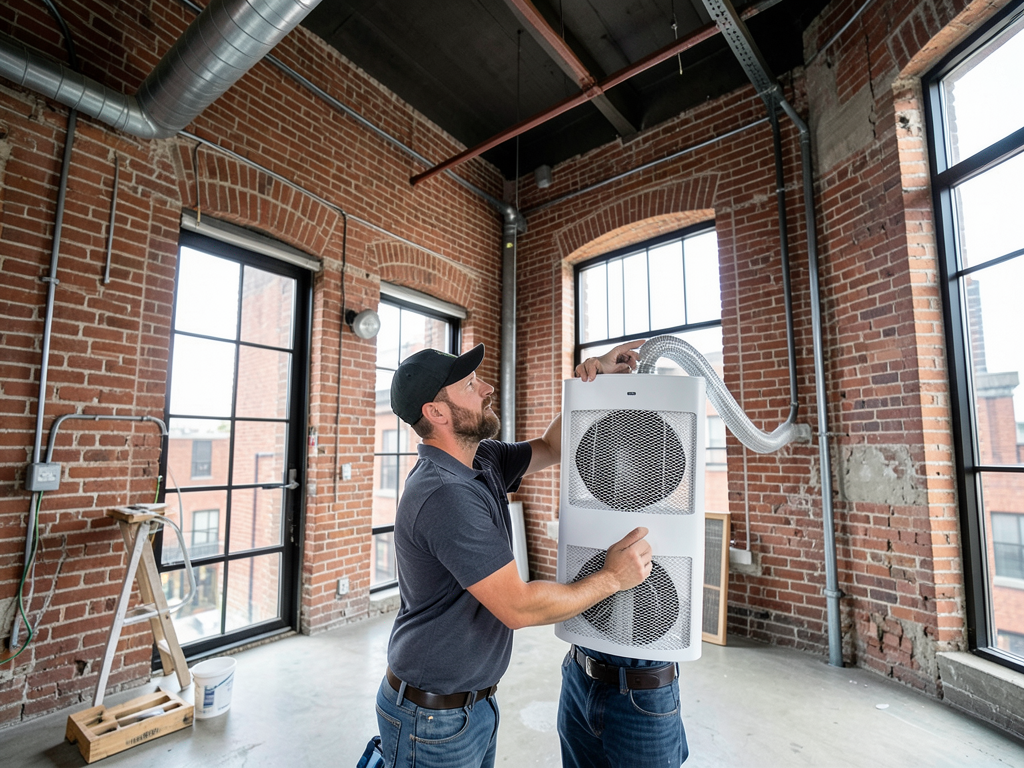
Downtown Memphis lofts, particularly those in historic buildings like the Tennessee Brewery or South Main warehouses, present unique air quality challenges. The high ceilings that make these spaces feel so open also create thermal stratification, where warm air rises and traps pollutants near the ceiling while cooler air stays at floor level.
Exposed ductwork and brick walls, while visually appealing, can harbor dust, mold spores, and construction debris from decades past. Many Downtown Memphis lofts were converted from industrial buildings in the 1990s and early 2000s, meaning they may contain materials that contribute to poor indoor air quality.
The Mississippi River Valley’s high humidity levels, which average 75% annually in Memphis, compound these issues. Moisture settles in loft spaces, creating ideal conditions for dust mites and mold growth. The stack effect in multi-story buildings pulls outdoor air through gaps, bringing in pollen and urban pollutants. Troubleshooting AC Issues.
Common indoor air pollutants in Memphis lofts
Downtown Memphis lofts face specific air quality challenges that suburban homes don’t encounter. Historical building materials are a primary concern. Many lofts in the South Main District were constructed before modern air quality standards, potentially containing lead-based paint dust or asbestos fibers that have become airborne over time.
Urban pollutants from nearby traffic on Main Street and Interstate 55 can infiltrate loft spaces through windows and ventilation systems. Memphis consistently ranks among the top 20 cities for annual pollen counts, with oak, pine, and ragweed seasons lasting longer than in many other regions.
Volatile Organic Compounds (VOCs) are another significant issue in loft spaces. The industrial-chic aesthetic often involves metal finishes, concrete sealants, and reclaimed wood, all of which can off-gas chemicals into your living space. Memphis’s humidity slows the off-gassing process, extending exposure times.
According to the EPA’s Air Quality Index data for Memphis, particulate matter levels frequently spike during summer months when humidity is highest. These microscopic particles can penetrate deep into your lungs, triggering allergies and respiratory issues. EPA Air Quality Information.
The impact of Memphis humidity on loft living
Memphis experiences some of the highest humidity levels in the continental United States, with summer dew points often exceeding 70°F. In loft spaces, this moisture creates a cascade of air quality problems that many residents don’t immediately recognize.
High humidity causes dust mites to thrive. These microscopic creatures feed on dead skin cells and multiply rapidly in humid environments. A single gram of dust in a Memphis loft can contain thousands of dust mites, each producing waste that triggers allergic reactions.
Moisture also affects your HVAC system’s efficiency. When humidity levels exceed 60%, your air conditioner must work harder to cool the air, reducing its ability to filter out allergens. This creates a cycle where poor air quality makes your system work harder, which further degrades air quality.
The Tennessee Valley Authority reports that Memphis-area homes use 30% more energy for cooling than the national average, largely due to humidity. This extended HVAC operation means more air cycling through your system, potentially spreading allergens if filters aren’t properly maintained.
Call (901) 640-3999 today to schedule your inspection.
Affordable solutions for improving loft air quality
You don’t need to spend thousands on a complete HVAC overhaul to breathe easier in your Downtown Memphis loft. Several cost-effective strategies can dramatically improve your indoor air quality.
HEPA filtration is your first line of defense. A quality HEPA filter can remove 99.97% of particles 0.3 microns or larger. For loft spaces, consider a standalone HEPA air purifier for your main living area, which typically costs between $200-400. This is far less expensive than upgrading your entire HVAC system.. Read more about Choosing between a whole-house air purifier and a portable unit for your Millington home.
Humidity control is crucial in Memphis lofts. A small, energy-efficient dehumidifier can maintain optimal humidity levels between 30-50%, making your space less hospitable to dust mites and mold. Models designed for open floor plans cost around $250-350 and can reduce your cooling costs by up to 15%.. Read more about Why a whole-house steam humidifier is the best solution for dry skin in Collierville winters.
Regular maintenance of your existing HVAC system is often overlooked but critically important. Changing filters every 60-90 days instead of annually can improve air quality and system efficiency. For loft spaces with high ceilings, consider filters with MERV ratings between 8-11, which balance filtration effectiveness with airflow.. Read more about What every Midtown renter needs to know about their right to working air conditioning.
Natural ventilation strategies can also help. During spring and fall when pollen counts are moderate, opening windows on opposite sides of your loft can create cross-ventilation that flushes out stale air. This works particularly well in buildings with operable windows, common in historic Downtown Memphis structures.
DIY air quality improvements for Memphis lofts
Several do-it-yourself strategies can improve your loft’s air quality without professional installation. These methods leverage Memphis’s climate patterns and your loft’s architectural features. Professional Heat Pump Replacement Services in Bartlett.
Strategic fan placement can break up thermal stratification in high-ceiling spaces. Ceiling fans should rotate clockwise in winter and counterclockwise in summer. For lofts with ceiling heights over 12 feet, consider adding a floor fan near your living area to circulate air more effectively.
Houseplants can naturally filter air, though you need to choose species that thrive in Memphis’s humidity. Spider plants, peace lilies, and snake plants are particularly effective at removing formaldehyde and benzene from indoor air. Place them near areas where you spend the most time.
Cleaning practices make a significant difference in loft air quality. Use a vacuum with a HEPA filter weekly, paying special attention to areas near exposed brick and ductwork where dust accumulates. Microfiber cloths trap dust better than traditional dusters, which often just redistribute particles.
Monitor your indoor air quality with a simple hygrometer, available for under $20. This device measures humidity levels, helping you maintain the optimal range. When humidity exceeds 60%, it’s time to run your dehumidifier or air conditioner.
Professional solutions that won’t break the bank
When DIY methods aren’t enough, several professional services can improve your loft’s air quality without requiring a complete system replacement. These targeted solutions address the specific challenges of Downtown Memphis loft living.
Duct cleaning is particularly important for lofts with exposed spiral ductwork. Over time, these ducts collect dust, debris, and even pest droppings. Professional cleaning typically costs $300-500 for a loft space and can immediately improve air quality by removing years of accumulated contaminants.
UV light installation in your HVAC system can kill mold, bacteria, and viruses as air passes through. These systems cost around $400-600 installed and require minimal maintenance. They’re especially effective in Memphis’s humid climate, where mold growth is a constant concern.
Whole-house dehumidifiers integrated with your existing HVAC system provide consistent humidity control. While more expensive upfront ($1,500-2,500 installed), they can reduce your cooling costs and extend your HVAC system’s lifespan by reducing the workload on your air conditioner.
Smart thermostats with humidity sensors can optimize your HVAC system’s performance. These devices learn your loft’s patterns and adjust operation to maintain ideal temperature and humidity levels. Many models cost under $250 and can pay for themselves through energy savings within two years.
Case study: Improving IAQ in a South Main loft
A recent project in the South Main Historic District demonstrates how affordable improvements can transform loft air quality. The 1,800-square-foot loft had persistent dust issues and musty odors despite regular cleaning. Affordable AC Tune-Ups for Homeowners in Lakeland.
The solution involved three steps: First, professional duct cleaning removed years of accumulated dust from the exposed spiral ductwork. Second, installation of a standalone HEPA air purifier in the main living area captured airborne particles. Third, a compact dehumidifier maintained optimal humidity levels.
Within two weeks, the residents reported significantly reduced dust accumulation and elimination of the musty smell. Their HVAC system also ran more efficiently, reducing monthly energy costs by approximately 12%.
This approach cost under $1,200 total, compared to the $5,000-8,000 for a complete HVAC system replacement. The key was addressing the specific problems rather than replacing perfectly functional equipment.
Memphis-specific air quality considerations
Memphis’s location in the Mississippi River Valley creates unique air quality challenges. The river’s moisture, combined with agricultural activities upstream, contributes to higher-than-average mold spore counts. During harvest season, particulate matter from farming operations can increase outdoor air pollution levels.
The city’s industrial heritage also affects air quality. Areas near downtown, including many loft districts, may experience higher levels of industrial pollutants. The Shelby County Health Department monitors air quality and issues alerts when ozone or particulate levels become concerning.
Memphis’s building stock presents another consideration. Many Downtown lofts were constructed before modern energy efficiency standards, meaning they often have more air leakage. While this can help with ventilation, it also allows more outdoor pollutants to enter your living space.
The National Weather Service reports that Memphis experiences temperature inversions during certain weather patterns, trapping pollutants near ground level. This phenomenon can concentrate outdoor pollutants, making indoor air quality even more important during these periods.
Maintenance schedule for optimal loft air quality
Consistent maintenance is key to maintaining good air quality in your Memphis loft. A seasonal schedule helps you stay on track without feeling overwhelmed.
Spring (March-May): Replace HVAC filters, clean ceiling fan blades, check for water intrusion around windows. This is also when pollen counts peak in Memphis, so consider running your air purifier on high during this season.
Summer (June-August): Monitor humidity levels daily, clean or replace dehumidifier filters, check exposed ductwork for condensation. Memphis summers often see humidity levels above 70%, making this the most critical season for air quality management.
Fall (September-November): Deep clean all fabric surfaces, including curtains and upholstery, which trap allergens. This is also a good time to have your HVAC system professionally inspected before winter.
Winter (December-February): Check for drafts around windows and doors, clean or replace humidifier filters if you use one, vacuum all air vents and returns. Memphis winters can be surprisingly dry, affecting indoor air quality differently than summer.
Following this schedule helps prevent the buildup of allergens and ensures your air quality improvement efforts remain effective year-round.
Comparing air quality solutions for Memphis lofts
| Solution | Initial Cost | Monthly Operating Cost | Effectiveness Rating | Best For |
|---|---|---|---|---|
| HEPA Air Purifier | $200-400 | $5-15 | 8/10 | Targeted areas |
| Dehumidifier | $250-350 | $10-25 | 9/10 | Humidity control |
| UV Light System | $400-600 | $2-5 | 7/10 | Mold prevention |
| Professional Duct Cleaning | $300-500 | $0 | 8/10 | Immediate improvement |
| Smart Thermostat | $200-250 | $1-3 | 6/10 | System optimization |
Understanding your loft’s HVAC system
Many Downtown Memphis lofts have unique HVAC configurations that differ from standard residential systems. Understanding your system helps you make informed decisions about air quality improvements.
Exposed ductwork is common in converted industrial spaces. These systems often use spiral ducting, which is more prone to dust accumulation than traditional rectangular ducts. The exposed nature also means they can collect construction dust from years past.
Some lofts use rooftop HVAC units, particularly in buildings converted from warehouses. These systems may have less sophisticated filtration than modern residential units, making additional air cleaning measures more important.
Many historic lofts lack proper return air pathways, causing air to short-circuit through the path of least resistance. This can create pressure imbalances that draw pollutants from unwanted areas like wall cavities or crawl spaces.
According to ASHRAE Standard 62.2, which addresses ventilation and acceptable indoor air quality, loft spaces should provide at least 15 cubic feet per minute of fresh air per person. Many older buildings don’t meet this standard, making supplemental ventilation beneficial. ASHRAE Standards.
Energy efficiency and air quality: Finding the balance
Improving air quality often goes hand-in-hand with improving energy efficiency, but there are trade-offs to consider. Tightly sealed, energy-efficient buildings can trap pollutants inside, while leaky buildings allow outdoor pollutants to enter.
Energy Recovery Ventilators (ERVs) offer a solution by bringing in fresh air while recovering energy from exhaust air. These systems cost $1,200-1,800 installed but can significantly improve air quality in airtight lofts while maintaining energy efficiency.
Proper insulation also affects air quality. While good insulation reduces energy costs, it can trap pollutants if ventilation isn’t adequate. The key is finding the right balance for your specific loft and Memphis’s climate.
Smart ventilation systems can automatically adjust based on indoor air quality measurements. These systems activate when pollutant levels rise, ensuring fresh air when needed without wasting energy during periods of good outdoor air quality.
Memphis Light, Gas and Water reports that proper HVAC maintenance can reduce energy consumption by up to 30% while simultaneously improving air quality through better filtration and system efficiency.
Frequently Asked Questions
How often should I replace my loft’s air filters?
For most Memphis lofts, replace standard 1-inch filters every 60-90 days. If you have pets, allergies, or live near busy streets, replace them every 30-45 days. High-efficiency pleated filters can last up to 6 months but cost more initially.
Can I improve air quality without affecting my loft’s aesthetic?
Yes. Many air quality solutions can be integrated discreetly. Portable HEPA purifiers come in various designs, UV lights install inside your existing HVAC system, and smart thermostats replace your current unit with no visual impact. The key is choosing solutions that work with your space rather than against it.
Is the air quality in my loft worse than in a traditional home?
Not necessarily. While lofts have unique challenges like higher ceilings and exposed materials, they also often have better natural light and ventilation. The air quality depends more on your specific building, maintenance habits, and the solutions you implement than on the loft format itself.
How do I know if my loft has a mold problem?
Signs include musty odors, visible discoloration on walls or ceilings, persistent allergy symptoms, and condensation on windows. In Memphis’s humid climate, if you can smell mold, it’s likely already a problem. Professional testing costs $300-500 but can identify issues before they become severe.
Are air quality improvements tax-deductible in Memphis?
Generally, no. Air quality improvements for personal residences aren’t tax-deductible in Tennessee. However, if you use part of your loft as a home office, you may be able to deduct a portion of improvements as a business expense. Consult a tax professional for specific advice.
Taking the next step toward better air quality
Improving your Downtown Memphis loft’s air quality is an investment in your health, comfort, and property value. The strategies outlined in this guide provide a roadmap for making meaningful improvements without excessive costs.
Start with the basics: proper filtration, humidity control, and regular maintenance. These foundational steps often resolve the majority of air quality issues. Then, based on your specific symptoms and concerns, consider targeted solutions like air purifiers or professional duct cleaning.
Remember that air quality is dynamic. What works in January may need adjustment in July when Memphis’s humidity peaks. Monitoring your indoor environment and adjusting your approach seasonally will yield the best long-term results.
Pick up the phone and call (901) 640-3999 before the next storm hits.
Don’t let poor air quality affect your health or comfort any longer. Whether you need a simple filter replacement or a comprehensive air quality assessment, professional help is just a phone call away. Your Downtown Memphis loft should be a sanctuary, not a source of allergy symptoms and respiratory issues.
Call (901) 640-3999 today to schedule your inspection. Our experienced technicians understand the unique challenges of Memphis loft living and can recommend solutions tailored to your specific space and budget.
{
“@context”: “https://schema.org”,
“@type”: “BlogPosting”,
“headline”: “Managing allergens in your Downtown Memphis loft without spending a fortune”,
“description”: “Improve Downtown Memphis loft air quality with affordable HVAC solutions. Learn how to combat humidity, dust, and allergens in high-ceiling urban spaces.”,
“wordCount”: 2657,
“datePublished”: “2026-04-11T15:49:00.000Z”,
“dateModified”: “2026-04-11T15:49:00.000Z”,
“inLanguage”: “en-US”,
“mainEntityOfPage”: {
“@type”: “WebPage”,
“@id”: “https://ironwoodhvacmemphis.com”
},
“publisher”: {
“@type”: “LocalBusiness”,
“name”: “Ironwood HVAC Memphis”,
“url”: “https://ironwoodhvacmemphis.com”
},
“author”: {
“@type”: “Organization”,
“name”: “Ironwood HVAC Memphis”,
“url”: “https://ironwoodhvacmemphis.com”
},
“image”: {
“@type”: “ImageObject”,
“url”: “https://ironwoodhvacmemphis.com/wp-content/uploads/2026/03/managing-allergens-in-your-downtown-memphis-loft-w-1.png”
}
}
{
“@context”: “https://schema.org”,
“@type”: “HVACBusiness”,
“name”: “Ironwood HVAC Memphis”,
“url”: “https://ironwoodhvacmemphis.com”,
“address”: {
“@type”: “PostalAddress”,
“addressLocality”: “Memphis”
},
“areaServed”: {
“@type”: “City”,
“name”: “Memphis”
}
}
{
“@context”: “https://schema.org”,
“@type”: “FAQPage”,
“mainEntity”: [
{
“@type”: “Question”,
“name”: “How often should I replace my loft’s air filters?”,
“acceptedAnswer”: {
“@type”: “Answer”,
“text”: “For most Memphis lofts, replace standard 1-inch filters every 60-90 days. If you have pets, allergies, or live near busy streets, replace them every 30-45 days. High-efficiency pleated filters can last up to 6 months but cost more initially.”
}
},
{
“@type”: “Question”,
“name”: “Can I improve air quality without affecting my loft’s aesthetic?”,
“acceptedAnswer”: {
“@type”: “Answer”,
“text”: “Yes. Many air quality solutions can be integrated discreetly. Portable HEPA purifiers come in various designs, UV lights install inside your existing HVAC system, and smart thermostats replace your current unit with no visual impact. The key is choosing solutions that work with your space rather than against it.”
}
},
{
“@type”: “Question”,
“name”: “Is the air quality in my loft worse than in a traditional home?”,
“acceptedAnswer”: {
“@type”: “Answer”,
“text”: “Not necessarily. While lofts have unique challenges like higher ceilings and exposed materials, they also often have better natural light and ventilation. The air quality depends more on your specific building, maintenance habits, and the solutions you implement than on the loft format itself.”
}
},
{
“@type”: “Question”,
“name”: “How do I know if my loft has a mold problem?”,
“acceptedAnswer”: {
“@type”: “Answer”,
“text”: “Signs include musty odors, visible discoloration on walls or ceilings, persistent allergy symptoms, and condensation on windows. In Memphis’s humid climate, if you can smell mold, it’s likely already a problem. Professional testing costs $300-500 but can identify issues before they become severe.”
}
},
{
“@type”: “Question”,
“name”: “Are air quality improvements tax-deductible in Memphis?”,
“acceptedAnswer”: {
“@type”: “Answer”,
“text”: “Generally, no. Air quality improvements for personal residences aren’t tax-deductible in Tennessee. However, if you use part of your loft as a home office, you may be able to deduct a portion of improvements as a business expense. Consult a tax professional for specific advice.”
}
}
]
}
{
“@context”: “https://schema.org”,
“@type”: “BreadcrumbList”,
“itemListElement”: [
{
“@type”: “ListItem”,
“position”: 1,
“name”: “Home”,
“item”: “https://ironwoodhvacmemphis.com”
},
{
“@type”: “ListItem”,
“position”: 2,
“name”: “Blog”,
“item”: “https://ironwoodhvacmemphis.com/blog”
},
{
“@type”: “ListItem”,
“position”: 3,
“name”: “Managing allergens in your Downtown Memphis loft without spending a fortune”
}
]
}
{
“@context”: “https://schema.org”,
“@type”: “Service”,
“serviceType”: “HVAC”,
“provider”: {
“@type”: “LocalBusiness”,
“name”: “Ironwood HVAC Memphis”,
“url”: “https://ironwoodhvacmemphis.com”
},
“areaServed”: {
“@type”: “City”,
“name”: “Memphis”
},
“description”: “Improve Downtown Memphis loft air quality with affordable HVAC solutions. Learn how to combat humidity, dust, and allergens in high-ceiling urban spaces.”
}