How to prep your outdoor unit for the brutal spring storms in Tipton County
Tipton County faces some of the Mid-South’s most severe spring weather with winds exceeding 60 mph, hail the size of golf balls, and lightning strikes that can fry your AC’s compressor in seconds. The storms that roll across the Mississippi River Valley don’t just bring rain—they bring debris, power surges, and flooding that can destroy your outdoor unit before you even know what hit you. You need to act now before the next storm warning flashes across your phone.. Read more about How to stop mice and squirrels from nesting in your outdoor unit in Eads.
The good news is that most storm damage to AC units is preventable with the right preparation. From securing your condenser to protecting against electrical surges, these steps will save you thousands in repair costs and keep your family comfortable when the skies clear.
Understanding Tipton County’s Storm Threats
Tipton County sits in the heart of Dixie Alley where spring brings a dangerous mix of supercell thunderstorms and tornado outbreaks. The flat terrain between the Mississippi and Loosahatchie Rivers allows winds to build momentum, while the clay-heavy soil creates drainage problems that flood low-lying areas within minutes of heavy rain.
The county’s mature oak and pine trees become hazards when winds exceed 50 mph. Limbs snap and become airborne missiles that can dent condenser coils, puncture refrigerant lines, or completely dislodge your outdoor unit from its pad. Add lightning strikes that create power surges through your home’s electrical system and you have a perfect storm for HVAC failure.
Local weather data shows Tipton County averages 45 thunderstorm days per year with May and June being the most active months. During these peak months, MLGW (Memphis Light, Gas and Water) reports power surge incidents increase by 300% compared to winter months.. Read more about Keeping your North Memphis rental property safe from copper theft on outdoor units.
Pre-Storm Protection: Your 5-Step Defense Plan
Before the first warning siren sounds, you need to secure your outdoor unit with these proven protection steps. Each one addresses a specific vulnerability that Tipton County storms exploit.
- Install Whole-Home Surge Protection
Point-of-use surge strips won’t protect your AC from lightning-induced voltage spikes. A whole-home surge protector installed at your main electrical panel diverts surges before they reach your HVAC equipment. This single device protects not just your AC but your entire home’s electrical system from the 20,000+ amp surges common during Tipton County thunderstorms.
- Clear the Three-Foot Defense Zone
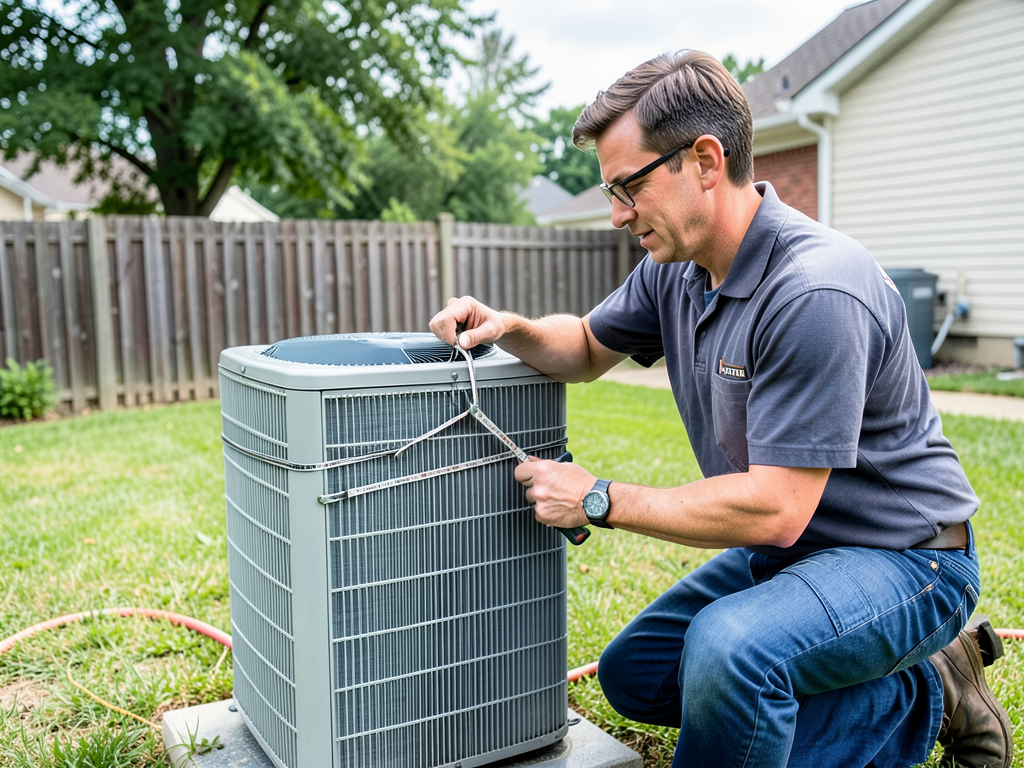
Remove all debris, leaves, and loose objects within three feet of your outdoor unit. Tipton County’s spring winds turn even small objects into projectiles. This includes patio furniture, garden tools, children’s toys, and decorative rocks. The three-foot clearance also allows proper airflow for your unit to run efficiently before the storm hits.
- Secure the Condenser with Hurricane Straps
High winds can lift a 200-pound condenser unit right off its pad. Hurricane straps anchor your unit to a concrete pad using heavy-duty metal brackets and concrete anchors. This prevents tipping, sliding, or complete displacement when winds exceed 70 mph—common in Tipton County’s severe thunderstorm warnings.
- Elevate in Flood-Prone Areas
Tipton County’s clay soil drains poorly, and areas near creeks or low spots can flood within 30 minutes of heavy rain. If your unit sits in a potential flood zone, elevate it on a raised concrete platform at least 6 inches above grade. This prevents water from reaching electrical components and avoids the corrosion that follows even minor flooding.
- Install a Hail Guard
Hail damage to condenser coils is expensive to repair and reduces your system’s efficiency. A hail guard is a protective metal screen that mounts over your unit’s fins without restricting airflow. It deflects hailstones up to 1.5 inches in diameter—the size that causes the most common hail damage claims in Tipton County.
During the Storm: Safety First
When severe weather hits Tipton County, your first instinct might be to keep the AC running for comfort. This is exactly wrong. Lightning strikes and power surges travel through your home’s electrical system and can destroy your compressor in milliseconds.
At the first sign of severe weather—thunder, darkening skies, or weather alerts—turn your thermostat to the OFF position and switch the AC breaker to OFF at your electrical panel. This cuts power to the entire outdoor unit, protecting it from both direct lightning strikes and the indirect surges that travel through power lines.
Never cover your AC unit during a storm. A cover traps moisture inside, creating the perfect environment for rust and electrical corrosion. It also prevents the unit from dissipating heat if power cycles back on unexpectedly. The metal housing is designed to withstand rain and wind—it’s the electrical components that need protection.
If you hear a loud crack or see a nearby lightning strike, wait 30 minutes after the last thunder before restoring power. This ensures the storm has passed and reduces the risk of surge damage from power restoration.
Post-Storm Inspection: What to Look For
After Tipton County’s storms pass, your AC unit needs immediate inspection even if it appears to be working normally. Some damage shows immediate symptoms while other problems create slow-developing failures that cost more to repair later.
Start with a visual inspection from at least 10 feet away. Look for standing water around the unit—if water covers the electrical compartment or reaches the compressor housing, do not restore power. Call (901) 640-3999 for emergency service before attempting to restart the system. Reliable Emergency Furnace Repair for Families in Collierville.
Check for visible damage to the condenser coils. Hail leaves small dimples or punctures that may not affect operation immediately but reduce efficiency by up to 30%. Bent fins from flying debris also restrict airflow and should be straightened by a professional. Professional Heat Pump Replacement Services in Bartlett.
Listen for unusual noises when you restore power. A healthy AC makes a consistent humming sound. Clicking, buzzing, or rattling indicates electrical damage, loose components, or debris in the fan. If you smell burning or ozone, shut the system down immediately—this signals electrical failure that could cause a fire.
Test the system by setting your thermostat 5 degrees below room temperature. The outdoor unit should start within 5 minutes and run smoothly. If it doesn’t start, trips the breaker, or makes unusual sounds, shut it down and call for professional diagnosis.
Professional Solutions for Long-Term Protection
While DIY preparation helps, some storm protection requires professional installation and expertise specific to Tipton County’s climate challenges. These solutions address the vulnerabilities that most homeowners miss.. Read more about Dealing with the unique HVAC challenges of a mobile home in Munford or Atoka.
Smart thermostat integration with weather alerts can automatically shut down your system when severe weather approaches. These devices connect to local weather services and cut power to your AC before the first lightning strike, providing protection even when you’re not home to react.
Annual maintenance checks after storm season identify damage that isn’t obvious to homeowners. A professional technician uses thermal imaging to detect hot spots in electrical components, measures refrigerant levels that may have dropped due to small leaks, and tests capacitor performance that degrades after power surges.. Read more about What every homeowner in Oakland Tennessee needs to know about HVAC seasonal changeovers.
For homes in the most vulnerable areas near the Loosahatchie River or in low-lying sections of Covington, consider a backup generator system. When storms knock out power for hours or days, a properly sized generator keeps your AC running and prevents the indoor temperature spikes that can damage sensitive electronics and create health hazards for vulnerable family members.
Insurance documentation is another professional service that pays for itself after major storms. A pre-storm condition report with photos and measurements creates a baseline for insurance claims. After damage occurs, this documentation proves pre-existing conditions and ensures you receive full compensation for storm-related repairs.
Cost Comparison: Prevention vs. Repair
Understanding the financial impact helps prioritize your storm protection investments. Here’s how prevention costs compare to common storm damage repairs in Tipton County:
| Protection Measure | Typical Cost | Damage Avoided | ROI Timeline |
|---|---|---|---|
| Whole-home surge protector | $300-500 | Compressor replacement ($2,500-4,000) | 1-2 storm seasons |
| Hurricane straps installation | $150-250 | Unit replacement + labor ($3,000-5,000) | 1 severe storm |
| Hail guard installation | $200-400 | Coil replacement ($1,200-2,000) | 1-2 hail events |
| Unit elevation platform | $300-600 | Flood damage repair ($2,000-4,000) | 1 flooding event |
Special Considerations for Tipton County Homes
Tipton County’s specific geography creates unique challenges for AC protection. Homes near the Mississippi River face higher flood risks due to the river’s backwater effects during heavy rains. The county’s clay soil expands when wet, potentially shifting concrete pads and creating stress on refrigerant lines.
Older homes in Covington and Atoka often have undersized electrical panels that can’t accommodate whole-home surge protection without an upgrade. These homes built before 1990 may also lack proper grounding, making them more vulnerable to lightning strikes. HVAC Atoka.
Newer developments in the northern part of the county face different threats. These areas have less mature tree cover, but the open terrain allows winds to reach higher velocities. The trade-off is fewer falling trees but more wind damage to exposed units.
Commercial properties in Tipton County require additional considerations. Restaurants and retail spaces with rooftop units need specialized anchoring systems rated for the higher wind loads these larger units experience. These installations must comply with Tipton County’s commercial building codes, which reference the 2021 International Building Code for wind load calculations. National Weather Service lightning safety.
Emergency Response: When to Call for Help
Some situations require immediate professional intervention. If your AC was submerged in floodwater, even briefly, the electrical components need complete inspection and likely replacement. Water conducts electricity and creates short circuits that can cause fires when power is restored.
Lightning strikes near your home can cause damage even if your unit appears to work. The electrical surge can weaken capacitors, damage control boards, and create hairline cracks in the compressor. These issues often fail days or weeks later, causing expensive emergency repairs. Troubleshooting AC Issues.
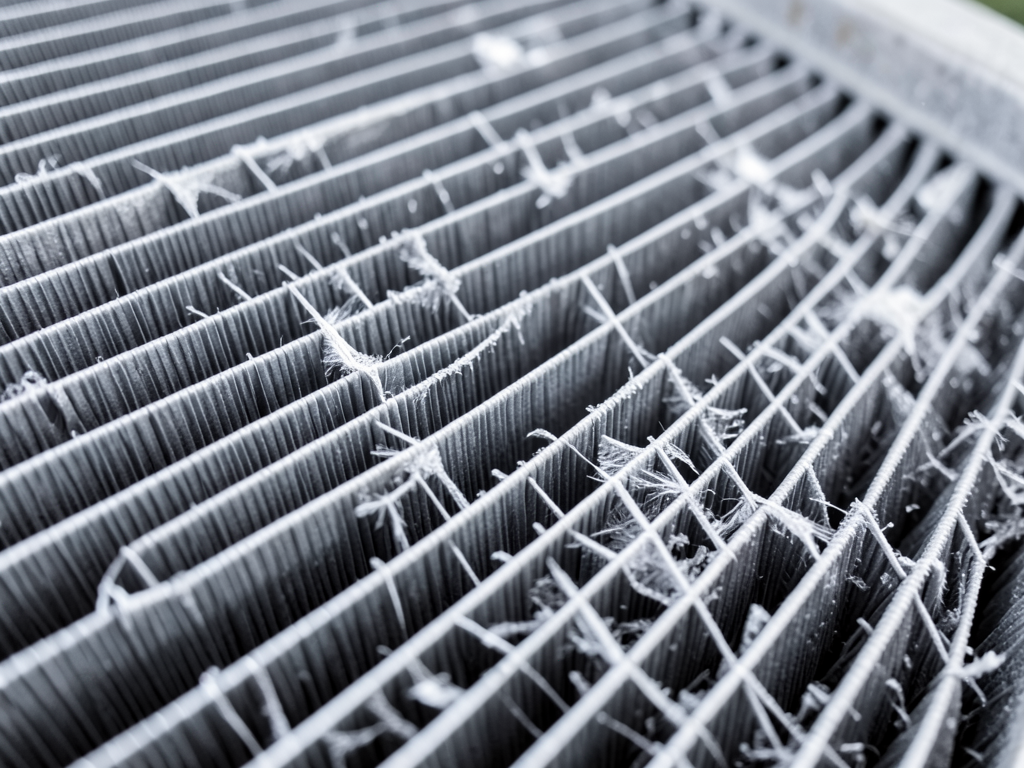
If you notice ice formation on refrigerant lines after a storm, this indicates a pressure problem likely caused by damage to the outdoor coil or refrigerant lines. Running the system in this condition can destroy the compressor within hours.
Call (901) 640-3999 immediately if you experience any of these emergency conditions. Our technicians carry the diagnostic equipment needed to identify storm damage that isn’t visible to the untrained eye.
Frequently Asked Questions
How long before a storm should I complete my AC protection steps?
Complete all protection steps at least 24 hours before severe weather is forecast. This gives you time to address any issues that arise during preparation, such as discovering your unit needs leveling or your electrical panel requires inspection for surge protector installation.
Can I use a tarp to cover my AC during a storm?
Never cover your AC with a tarp or any solid material. Covers trap moisture, prevent proper ventilation, and can melt onto the unit if power cycles back on. The metal housing is designed to withstand rain—focus on protecting the electrical components instead.
Will my homeowner’s insurance cover storm damage to my AC?
Most standard policies cover storm damage including hail, wind, and lightning strikes. However, flood damage from rising water typically requires separate flood insurance. Document all damage with photos before any cleanup and keep receipts for emergency repairs for your insurance claim.
How often should I have my AC inspected after storm season?
Schedule professional inspection annually in late fall after storm season ends. This timing allows technicians to identify and repair damage before it causes system failure during the next cooling season. Annual maintenance also maintains your manufacturer’s warranty requirements.
What’s the difference between a surge protector and a lightning arrestor?
A whole-home surge protector guards against voltage spikes from lightning strikes on power lines and grid switching. A lightning arrestor provides additional protection for direct strikes to your home or nearby structures. Most residential installations only need surge protection, but homes in exposed areas might benefit from both.
Take Action Before the Next Storm Warning
Tipton County’s spring storms are predictable in their unpredictability. You know they’re coming, you know they’re severe, and you know the damage they cause. The only question is whether you’ll be prepared when the next warning siren sounds.
Most storm damage to AC units happens in the first five minutes of severe weather—before homeowners can react. That’s why preparation must happen now, not when you’re watching the weather radar. The steps outlined in this guide take a few hours to complete but can save you thousands in repair costs and days without cooling during Memphis’s brutal summer heat.
Don’t wait until you’re standing in your flooded backyard looking at a damaged AC unit. Pick up the phone and call (901) 640-3999 today to schedule your storm protection consultation. Our technicians will evaluate your specific property vulnerabilities, recommend the right protection measures for your home, and install them before the next storm system rolls across Tipton County.
Every day you wait is another day your AC remains vulnerable to Tipton County’s brutal spring storms. Call (901) 640-3999 now and let’s make sure your home stays cool and comfortable no matter what the weather brings. For more information, visit FEMA home protection guidelines.
{
“@context”: “https://schema.org”,
“@type”: “BlogPosting”,
“headline”: “How to prep your outdoor unit for the brutal spring storms in Tipton County”,
“description”: “Protect your AC from Tipton County’s severe spring storms with expert tips on surge protection, debris clearance, and post-storm inspection. Call (901) 640-3999 for help.”,
“wordCount”: 2169,
“datePublished”: “2026-05-22T14:49:00.000Z”,
“dateModified”: “2026-05-22T14:49:00.000Z”,
“inLanguage”: “en-US”,
“mainEntityOfPage”: {
“@type”: “WebPage”,
“@id”: “https://ironwoodhvacmemphis.com”
},
“publisher”: {
“@type”: “LocalBusiness”,
“name”: “Ironwood HVAC Memphis”,
“url”: “https://ironwoodhvacmemphis.com”
},
“author”: {
“@type”: “Organization”,
“name”: “Ironwood HVAC Memphis”,
“url”: “https://ironwoodhvacmemphis.com”
},
“image”: {
“@type”: “ImageObject”,
“url”: “https://ironwoodhvacmemphis.com/wp-content/uploads/2026/03/how-to-prep-your-outdoor-unit-for-the-brutal-sprin-1.png”
}
}
{
“@context”: “https://schema.org”,
“@type”: “HVACBusiness”,
“name”: “Ironwood HVAC Memphis”,
“url”: “https://ironwoodhvacmemphis.com”,
“address”: {
“@type”: “PostalAddress”,
“addressLocality”: “Memphis”
},
“areaServed”: {
“@type”: “City”,
“name”: “Memphis”
}
}
{
“@context”: “https://schema.org”,
“@type”: “FAQPage”,
“mainEntity”: [
{
“@type”: “Question”,
“name”: “How long before a storm should I complete my AC protection steps?”,
“acceptedAnswer”: {
“@type”: “Answer”,
“text”: “Complete all protection steps at least 24 hours before severe weather is forecast. This gives you time to address any issues that arise during preparation, such as discovering your unit needs leveling or your electrical panel requires inspection for surge protector installation.”
}
},
{
“@type”: “Question”,
“name”: “Can I use a tarp to cover my AC during a storm?”,
“acceptedAnswer”: {
“@type”: “Answer”,
“text”: “Never cover your AC with a tarp or any solid material. Covers trap moisture, prevent proper ventilation, and can melt onto the unit if power cycles back on. The metal housing is designed to withstand rain—focus on protecting the electrical components instead.”
}
},
{
“@type”: “Question”,
“name”: “Will my homeowner’s insurance cover storm damage to my AC?”,
“acceptedAnswer”: {
“@type”: “Answer”,
“text”: “Most standard policies cover storm damage including hail, wind, and lightning strikes. However, flood damage from rising water typically requires separate flood insurance. Document all damage with photos before any cleanup and keep receipts for emergency repairs for your insurance claim.”
}
},
{
“@type”: “Question”,
“name”: “How often should I have my AC inspected after storm season?”,
“acceptedAnswer”: {
“@type”: “Answer”,
“text”: “Schedule professional inspection annually in late fall after storm season ends. This timing allows technicians to identify and repair damage before it causes system failure during the next cooling season. Annual maintenance also maintains your manufacturer’s warranty requirements.”
}
},
{
“@type”: “Question”,
“name”: “What’s the difference between a surge protector and a lightning arrestor?”,
“acceptedAnswer”: {
“@type”: “Answer”,
“text”: “A whole-home surge protector guards against voltage spikes from lightning strikes on power lines and grid switching. A lightning arrestor provides additional protection for direct strikes to your home or nearby structures. Most residential installations only need surge protection, but homes in exposed areas might benefit from both.”
}
}
]
}
{
“@context”: “https://schema.org”,
“@type”: “HowTo”,
“name”: “How to protect your AC unit before a storm”,
“step”: [
{
“@type”: “HowToStep”,
“position”: 1,
“name”: “Install Whole-Home Surge Protection”,
“text”: “Point-of-use surge strips won’t protect your AC from lightning-induced voltage spikes. A whole-home surge protector installed at your main electrical panel diverts surges before they reach your HVAC equipment. This single device protects not just your AC but your entire home’s electrical system from the 20,000+ amp surges common during Tipton County thunderstorms.”
},
{
“@type”: “HowToStep”,
“position”: 2,
“name”: “Clear the Three-Foot Defense Zone”,
“text”: “Remove all debris, leaves, and loose objects within three feet of your outdoor unit. Tipton County’s spring winds turn even small objects into projectiles. This includes patio furniture, garden tools, children’s toys, and decorative rocks. The three-foot clearance also allows proper airflow for your unit to run efficiently before the storm hits.”
},
{
“@type”: “HowToStep”,
“position”: 3,
“name”: “Secure the Condenser with Hurricane Straps”,
“text”: “High winds can lift a 200-pound condenser unit right off its pad. Hurricane straps anchor your unit to a concrete pad using heavy-duty metal brackets and concrete anchors. This prevents tipping, sliding, or complete displacement when winds exceed 70 mph—common in Tipton County’s severe thunderstorm warnings.”
},
{
“@type”: “HowToStep”,
“position”: 4,
“name”: “Elevate in Flood-Prone Areas”,
“text”: “Tipton County’s clay soil drains poorly, and areas near creeks or low spots can flood within 30 minutes of heavy rain. If your unit sits in a potential flood zone, elevate it on a raised concrete platform at least 6 inches above grade. This prevents water from reaching electrical components and avoids the corrosion that follows even minor flooding.”
},
{
“@type”: “HowToStep”,
“position”: 5,
“name”: “Install a Hail Guard”,
“text”: “Hail damage to condenser coils is expensive to repair and reduces your system’s efficiency. A hail guard is a protective metal screen that mounts over your unit’s fins without restricting airflow. It deflects hailstones up to 1.5 inches in diameter—the size that causes the most common hail damage claims in Tipton County.”
}
],
“image”: “https://ironwoodhvacmemphis.com/wp-content/uploads/2026/03/how-to-prep-your-outdoor-unit-for-the-brutal-sprin-1.png”
}
{
“@context”: “https://schema.org”,
“@type”: “BreadcrumbList”,
“itemListElement”: [
{
“@type”: “ListItem”,
“position”: 1,
“name”: “Home”,
“item”: “https://ironwoodhvacmemphis.com”
},
{
“@type”: “ListItem”,
“position”: 2,
“name”: “Blog”,
“item”: “https://ironwoodhvacmemphis.com/blog”
},
{
“@type”: “ListItem”,
“position”: 3,
“name”: “How to prep your outdoor unit for the brutal spring storms in Tipton County”
}
]
}
{
“@context”: “https://schema.org”,
“@type”: “Service”,
“serviceType”: “HVAC”,
“provider”: {
“@type”: “LocalBusiness”,
“name”: “Ironwood HVAC Memphis”,
“url”: “https://ironwoodhvacmemphis.com”
},
“areaServed”: {
“@type”: “City”,
“name”: “Memphis”
},
“description”: “Protect your AC from Tipton County’s severe spring storms with expert tips on surge protection, debris clearance, and post-storm inspection. Call (901) 640-3999 for help.”
}