
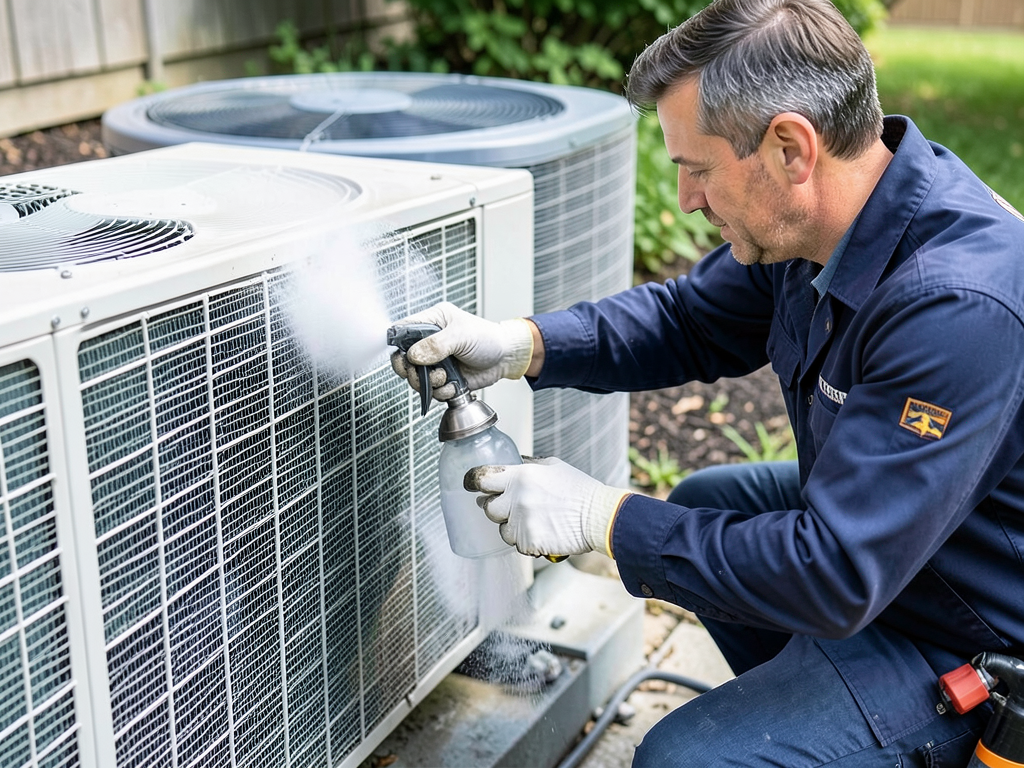
How to Clean Your Outdoor AC Coils the Right Way at Your Millington Home
Your AC condenser coils work hard to keep your Millington home cool during those sweltering Mississippi summers. When cottonwood seeds, pollen, and debris clog these coils, your system struggles to keep up. You can clean them yourself with the right approach, but doing it wrong can damage your expensive equipment.
Let me show you exactly how to clean your outdoor AC coils safely and effectively. I’ll cover the tools you need, the steps to follow, and when it’s smarter to call a professional instead. Professional Heat Pump Replacement Services in Bartlett.
Why Clean AC Coils Matter for Your Millington Home
Dirty condenser coils force your AC to work harder than necessary. When debris blocks airflow across the coils, your system runs longer cycles to achieve the same cooling. This means higher energy bills and more wear on your compressor.
In Millington’s humid climate, dirty coils can reduce your AC’s efficiency by 15-30%. The cottonwood trees along the Wolf River release seeds that stick to coil surfaces, creating a perfect breeding ground for mold and bacteria. This buildup doesn’t just hurt efficiency—it can lead to the infamous ‘Dirty Sock Syndrome’ that plagues many Mid-South homes.. Read more about The best trees and shrubs to plant around your AC unit in Olive Branch for better efficiency.
Clean coils also help prevent system failures during peak summer heat. When your AC runs efficiently, it’s less likely to break down when you need it most. That peace of mind alone is worth the effort of regular maintenance.
Tools and Supplies You’ll Need
Before you start, gather these items. Having everything ready makes the job faster and safer.
| Tool | Purpose | Estimated Cost |
|---|---|---|
| Garden hose with spray nozzle | Primary cleaning tool | Free (if you have one) |
| No-rinse coil cleaner spray | Breaks down stubborn buildup | $15-25 |
| Soft-bristle brush | Gently removes debris | $8-12 |
| Fin comb | Straightens bent coil fins | $10-15 |
| Shop vacuum | Removes loose debris | $30-50 (rental) |
| Safety glasses | Eye protection | $5-10 |
| Work gloves | Hand protection | $8-15 |
Safety First: Precautions Before You Start
Working on your AC system involves electrical components and sharp metal fins. Follow these safety steps before touching anything.
First, shut off power to the unit. Locate the disconnect switch near your outdoor condenser—it’s usually a small box mounted on the wall. Flip the switch to ‘off.’ Then, at your breaker panel, turn off the circuit breaker that powers your AC. Double-check that the unit won’t start by testing the thermostat—set it to ‘cool’ and lower the temperature. Nothing should happen.
Wear safety glasses to protect your eyes from debris and chemical cleaners. The aluminum fins on condenser coils are extremely sharp—wear thick work gloves when handling them. If you notice any frayed wires, rust on electrical connections, or signs of refrigerant leaks (hissing sounds, oil spots), stop immediately and call a professional.
Never use a pressure washer on your AC coils. The high pressure can bend the delicate aluminum fins, restricting airflow and permanently damaging your system. This is one of the most common DIY mistakes that ends up costing homeowners hundreds in repairs. EPA Indoor Air Quality Guidelines.
Step-by-Step: Cleaning Your Outdoor Condenser Coils
Now that you’re prepared, here’s the exact process for cleaning your condenser coils. This method works for most residential AC units in Millington homes.
- Clear the Area
Remove leaves, grass clippings, and debris from around the unit. Trim back any vegetation within 2 feet of the condenser. This ensures proper airflow during and after cleaning.
- Remove the Top Grille
Most units have screws or fasteners holding the top grille in place. Remove these carefully and set the grille aside. Keep track of all screws in a small container.
- Vacuum Loose Debris
Using a shop vacuum with a brush attachment, gently remove loose dirt, cottonwood seeds, and debris from the coil surfaces. Work from top to bottom, being careful not to bend the fins.
- Apply Coil Cleaner
Spray the no-rinse coil cleaner according to the product instructions. Most require you to saturate the coils and let the foam work for 5-10 minutes. The cleaner will foam up and penetrate deep into the coil.
- Rinse Thoroughly
Using your garden hose with a gentle spray nozzle, rinse the coils from inside to outside. Never spray directly into the electrical compartment. The water should flow freely through the coils, carrying away the loosened dirt.
- Check and Straighten Fins
Inspect the aluminum fins for any that are bent. Use a fin comb to carefully straighten them. Bent fins restrict airflow just like dirt does.
- Reassemble and Restore Power
Once everything is dry, replace the top grille and secure it with the screws you removed. Turn the power back on at both the disconnect switch and breaker panel.
Step-by-Step: Cleaning Your Indoor Evaporator Coils
While this article focuses on outdoor cleaning, many Millington homes have attic-mounted evaporator coils that also need attention. Here’s a brief overview of that process.
Evaporator coils are typically located in your air handler or furnace unit, often in the attic or a closet. Access usually requires removing an access panel. The cleaning process is similar but requires more caution since these coils handle refrigerant lines.
Never attempt to clean evaporator coils if you’re not comfortable working with your air handler. These coils are more delicate and harder to access than condenser coils. A professional cleaning ensures proper handling of the refrigerant lines and condensate drain system.
Common Mistakes to Avoid (And How They Cost You Money)
Many homeowners make these mistakes when cleaning AC coils. Avoid them to protect your investment.
Using the wrong cleaner is a common error. Household cleaners or bleach can corrode aluminum coils and damage the protective coatings. Always use cleaners specifically designed for HVAC coils.
Another mistake is cleaning too aggressively. Scrubbing the coils with stiff brushes or using high-pressure water can bend the fins or damage the copper tubing. This reduces efficiency and can lead to refrigerant leaks.
Ignoring the condensate drain line is another oversight. While cleaning coils, check that the drain line flows freely. A clogged drain can cause water damage to your home and create perfect conditions for mold growth in our humid climate.
Finally, many people forget to check the refrigerant lines and electrical connections while they have the unit open. These components should be inspected annually by a professional to catch small problems before they become expensive repairs.
When to Put the Hose Down and Call a Memphis HVAC Professional
DIY coil cleaning works well for routine maintenance, but certain situations require professional help. Knowing when to call can save you from costly mistakes.
If you notice ice buildup on the coils, this indicates a refrigerant problem or airflow issue that cleaning won’t fix. Continuing to run the system could damage the compressor—a repair that often costs more than a new unit.
Strange noises during operation—grinding, squealing, or hissing—suggest mechanical problems. These require diagnostic tools and expertise that go beyond basic cleaning.
If your system is over 10 years old or has a history of problems, a professional tune-up might be more cost-effective than DIY maintenance. A technician can check refrigerant levels, test electrical components, and identify worn parts before they fail.
Finally, if you’re uncomfortable working around electrical components or if your unit has special features like variable-speed compressors, professional service ensures proper handling and maintains your warranty coverage.
Call (901) 640-3999 today to schedule your professional AC maintenance. Our NATE-certified technicians know the specific challenges Millington’s climate creates for HVAC systems.
Frequently Asked Questions
How often should I clean my outdoor AC coils?
For most Millington homes, cleaning outdoor coils once in spring before heavy use and again in fall works well. If you have cottonwood trees nearby or live in a particularly dusty area, you might need cleaning every 3-4 months during peak cooling season.
Can I use household cleaners like Simple Green on AC coils?
While some household cleaners are marketed as ‘safe’ for coils, they’re not ideal. HVAC-specific coil cleaners are formulated to break down the specific type of grime that accumulates on coils without damaging the aluminum fins or protective coatings.
How long does DIY coil cleaning take?
A thorough DIY cleaning typically takes 1-2 hours, including setup, cleaning, and cleanup. If you’re doing it for the first time, budget closer to 2 hours to work carefully and avoid mistakes.
Will cleaning my coils lower my electric bill?
Yes. Clean coils can improve your AC’s efficiency by 5-15%, which translates to lower energy consumption. In Millington’s long cooling season, this can mean savings of $15-30 per month during peak summer months.
What’s the difference between evaporator and condenser coils?
Evaporator coils are inside your home and absorb heat from indoor air. Condenser coils are outside and release that heat to the outdoor air. Both need to be clean for your system to work efficiently, but they face different types of contamination.
Can dirty coils cause my AC to freeze up?
Yes. When airflow across the coils is restricted by dirt or debris, the refrigerant temperature can drop below freezing. This causes ice to form on the coils, further restricting airflow and potentially damaging the compressor.
How do I know if my coils need cleaning?
Signs include reduced cooling performance, longer run times, higher energy bills, visible dirt or debris on the coils, and the AC struggling to keep up on hot days. If you notice any of these, it’s time for cleaning.
Is coil cleaning covered by HVAC warranties?
Routine maintenance like coil cleaning is typically the homeowner’s responsibility. However, neglecting maintenance can void your warranty if lack of cleaning leads to system damage. Check your specific warranty terms for details.
Can I clean coils without removing the grille?
You can do a basic cleaning through the grille, but removing it allows access to the coils from multiple angles and ensures more thorough cleaning. For best results, remove the grille as described in the steps above.
What happens if I don’t clean my AC coils?
Over time, dirty coils lead to reduced efficiency, higher energy bills, increased wear on system components, and eventually system failure. The compressor, being the most expensive part, often fails first when coils remain dirty for extended periods.
Pick up the phone and call (901) 640-3999 before the next heat wave hits. Don’t wait until your AC struggles to keep up or fails completely. Professional maintenance now prevents emergency repairs later. For more information, visit Department of Energy AC Maintenance Guide.
{
“@context”: “https://schema.org”,
“@type”: “BlogPosting”,
“headline”: “How to clean your outdoor AC coils the right way at your Millington home”,
“description”: “Learn the exact steps to clean your outdoor AC condenser coils in Millington. Avoid costly mistakes and improve efficiency with our local HVAC expert guide.”,
“wordCount”: 1739,
“datePublished”: “2026-04-05T14:07:00.000Z”,
“dateModified”: “2026-04-05T14:07:00.000Z”,
“inLanguage”: “en-US”,
“mainEntityOfPage”: {
“@type”: “WebPage”,
“@id”: “https://ironwoodhvacmemphis.com”
},
“publisher”: {
“@type”: “LocalBusiness”,
“name”: “Ironwood HVAC Memphis”,
“url”: “https://ironwoodhvacmemphis.com”
},
“author”: {
“@type”: “Organization”,
“name”: “Ironwood HVAC Memphis”,
“url”: “https://ironwoodhvacmemphis.com”
},
“image”: {
“@type”: “ImageObject”,
“url”: “https://ironwoodhvacmemphis.com/wp-content/uploads/2026/03/how-to-clean-your-outdoor-ac-coils-the-right-way-a-1.png”
}
}
{
“@context”: “https://schema.org”,
“@type”: “HVACBusiness”,
“name”: “Ironwood HVAC Memphis”,
“url”: “https://ironwoodhvacmemphis.com”,
“address”: {
“@type”: “PostalAddress”,
“addressLocality”: “Memphis”
},
“areaServed”: {
“@type”: “City”,
“name”: “Memphis”
}
}
{
“@context”: “https://schema.org”,
“@type”: “FAQPage”,
“mainEntity”: [
{
“@type”: “Question”,
“name”: “How often should I clean my outdoor AC coils?”,
“acceptedAnswer”: {
“@type”: “Answer”,
“text”: “For most Millington homes, cleaning outdoor coils once in spring before heavy use and again in fall works well. If you have cottonwood trees nearby or live in a particularly dusty area, you might need cleaning every 3-4 months during peak cooling season.”
}
},
{
“@type”: “Question”,
“name”: “Can I use household cleaners like Simple Green on AC coils?”,
“acceptedAnswer”: {
“@type”: “Answer”,
“text”: “While some household cleaners are marketed as ‘safe’ for coils, they’re not ideal. HVAC-specific coil cleaners are formulated to break down the specific type of grime that accumulates on coils without damaging the aluminum fins or protective coatings.”
}
},
{
“@type”: “Question”,
“name”: “How long does DIY coil cleaning take?”,
“acceptedAnswer”: {
“@type”: “Answer”,
“text”: “A thorough DIY cleaning typically takes 1-2 hours, including setup, cleaning, and cleanup. If you’re doing it for the first time, budget closer to 2 hours to work carefully and avoid mistakes.”
}
},
{
“@type”: “Question”,
“name”: “Will cleaning my coils lower my electric bill?”,
“acceptedAnswer”: {
“@type”: “Answer”,
“text”: “Yes. Clean coils can improve your AC’s efficiency by 5-15%, which translates to lower energy consumption. In Millington’s long cooling season, this can mean savings of $15-30 per month during peak summer months.”
}
},
{
“@type”: “Question”,
“name”: “What’s the difference between evaporator and condenser coils?”,
“acceptedAnswer”: {
“@type”: “Answer”,
“text”: “Evaporator coils are inside your home and absorb heat from indoor air. Condenser coils are outside and release that heat to the outdoor air. Both need to be clean for your system to work efficiently, but they face different types of contamination.”
}
},
{
“@type”: “Question”,
“name”: “Can dirty coils cause my AC to freeze up?”,
“acceptedAnswer”: {
“@type”: “Answer”,
“text”: “Yes. When airflow across the coils is restricted by dirt or debris, the refrigerant temperature can drop below freezing. This causes ice to form on the coils, further restricting airflow and potentially damaging the compressor.”
}
},
{
“@type”: “Question”,
“name”: “How do I know if my coils need cleaning?”,
“acceptedAnswer”: {
“@type”: “Answer”,
“text”: “Signs include reduced cooling performance, longer run times, higher energy bills, visible dirt or debris on the coils, and the AC struggling to keep up on hot days. If you notice any of these, it’s time for cleaning.”
}
},
{
“@type”: “Question”,
“name”: “Is coil cleaning covered by HVAC warranties?”,
“acceptedAnswer”: {
“@type”: “Answer”,
“text”: “Routine maintenance like coil cleaning is typically the homeowner’s responsibility. However, neglecting maintenance can void your warranty if lack of cleaning leads to system damage. Check your specific warranty terms for details.”
}
},
{
“@type”: “Question”,
“name”: “Can I clean coils without removing the grille?”,
“acceptedAnswer”: {
“@type”: “Answer”,
“text”: “You can do a basic cleaning through the grille, but removing it allows access to the coils from multiple angles and ensures more thorough cleaning. For best results, remove the grille as described in the steps above.”
}
},
{
“@type”: “Question”,
“name”: “What happens if I don’t clean my AC coils?”,
“acceptedAnswer”: {
“@type”: “Answer”,
“text”: “Over time, dirty coils lead to reduced efficiency, higher energy bills, increased wear on system components, and eventually system failure. The compressor, being the most expensive part, often fails first when coils remain dirty for extended periods.”
}
}
]
}
{
“@context”: “https://schema.org”,
“@type”: “HowTo”,
“name”: “How to Clean Outdoor AC Coils”,
“step”: [
{
“@type”: “HowToStep”,
“position”: 1,
“name”: “Clear the Area”,
“text”: “Remove leaves, grass clippings, and debris from around the unit. Trim back any vegetation within 2 feet of the condenser. This ensures proper airflow during and after cleaning.”
},
{
“@type”: “HowToStep”,
“position”: 2,
“name”: “Remove the Top Grille”,
“text”: “Most units have screws or fasteners holding the top grille in place. Remove these carefully and set the grille aside. Keep track of all screws in a small container.”
},
{
“@type”: “HowToStep”,
“position”: 3,
“name”: “Vacuum Loose Debris”,
“text”: “Using a shop vacuum with a brush attachment, gently remove loose dirt, cottonwood seeds, and debris from the coil surfaces. Work from top to bottom, being careful not to bend the fins.”
},
{
“@type”: “HowToStep”,
“position”: 4,
“name”: “Apply Coil Cleaner”,
“text”: “Spray the no-rinse coil cleaner according to the product instructions. Most require you to saturate the coils and let the foam work for 5-10 minutes. The cleaner will foam up and penetrate deep into the coil.”
},
{
“@type”: “HowToStep”,
“position”: 5,
“name”: “Rinse Thoroughly”,
“text”: “Using your garden hose with a gentle spray nozzle, rinse the coils from inside to outside. Never spray directly into the electrical compartment. The water should flow freely through the coils, carrying away the loosened dirt.”
},
{
“@type”: “HowToStep”,
“position”: 6,
“name”: “Check and Straighten Fins”,
“text”: “Inspect the aluminum fins for any that are bent. Use a fin comb to carefully straighten them. Bent fins restrict airflow just like dirt does.”
},
{
“@type”: “HowToStep”,
“position”: 7,
“name”: “Reassemble and Restore Power”,
“text”: “Once everything is dry, replace the top grille and secure it with the screws you removed. Turn the power back on at both the disconnect switch and breaker panel.”
}
],
“image”: “https://ironwoodhvacmemphis.com/wp-content/uploads/2026/03/how-to-clean-your-outdoor-ac-coils-the-right-way-a-1.png”
}
{
“@context”: “https://schema.org”,
“@type”: “BreadcrumbList”,
“itemListElement”: [
{
“@type”: “ListItem”,
“position”: 1,
“name”: “Home”,
“item”: “https://ironwoodhvacmemphis.com”
},
{
“@type”: “ListItem”,
“position”: 2,
“name”: “Blog”,
“item”: “https://ironwoodhvacmemphis.com/blog”
},
{
“@type”: “ListItem”,
“position”: 3,
“name”: “How to clean your outdoor AC coils the right way at your Millington home”
}
]
}
{
“@context”: “https://schema.org”,
“@type”: “Service”,
“serviceType”: “HVAC”,
“provider”: {
“@type”: “LocalBusiness”,
“name”: “Ironwood HVAC Memphis”,
“url”: “https://ironwoodhvacmemphis.com”
},
“areaServed”: {
“@type”: “City”,
“name”: “Memphis”
},
“description”: “Learn the exact steps to clean your outdoor AC condenser coils in Millington. Avoid costly mistakes and improve efficiency with our local HVAC expert guide.”
}