How pet dander ruins your HVAC system in Cordova and what you can do about it
Pet dander creates serious problems for HVAC systems in Cordova homes. The combination of local humidity and pet allergens clogs filters reduces airflow and strains equipment. This guide shows you exactly how to protect your system and maintain healthy indoor air quality.. Read more about Can a dirty air filter actually cause your AC to catch fire or break down?.
Why Cordova Homes Face Unique Pet Dander Challenges
Cordova sits in the humid Mid-South region where summer dew points regularly exceed 70 degrees. This moisture causes pet dander to clump together and stick to surfaces inside your HVAC system. The warm humid conditions also create ideal breeding grounds for mold and bacteria on evaporator coils.
Local pollen counts from nearby forests and fields combine with pet dander to create a particularly aggressive mixture. When pets come in from outside they track in additional allergens that get pulled into your air handler.. Read more about Managing allergens in your Downtown Memphis loft without spending a fortune.
How Pet Dander Affects Your HVAC System
Pet dander consists of microscopic skin flakes that become airborne and circulate through your ductwork. These particles accumulate on critical components causing multiple problems.
Air filters clog faster when exposed to pet dander. A home with one dog might need filter changes every 30 days instead of the standard 60-90 days. Homes with multiple pets often require changes every two weeks during peak shedding seasons.
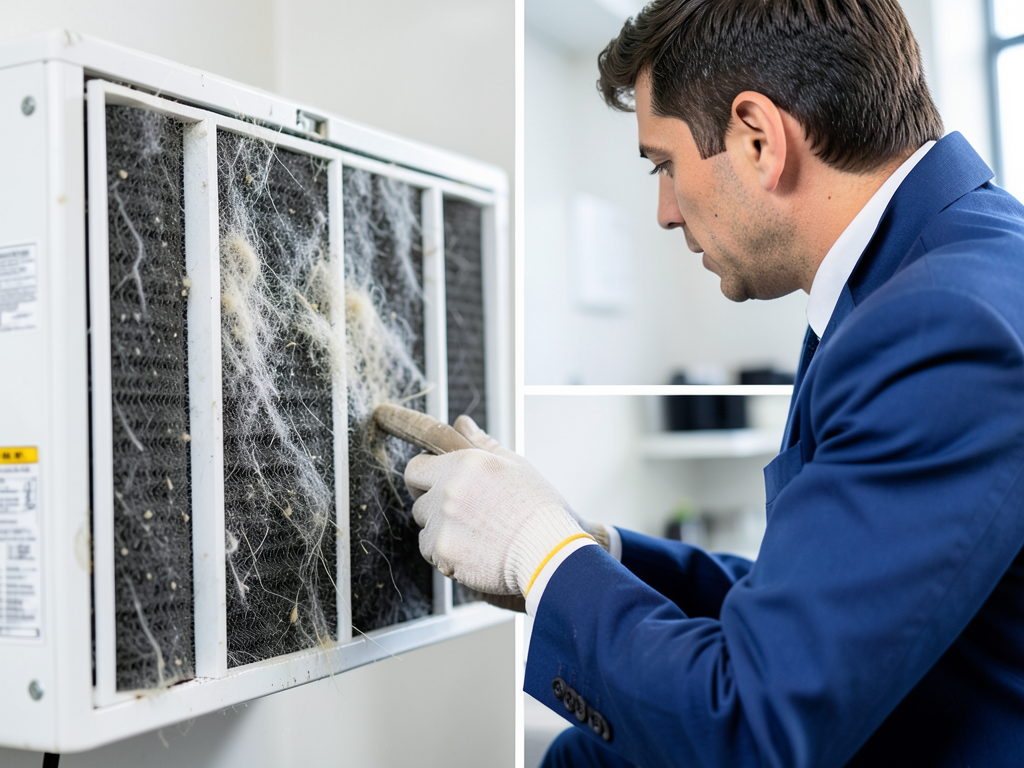
Evaporator coils develop a fuzzy coating of pet hair and dander that acts like insulation. This forces your system to run longer cycles to achieve the same cooling effect. The extra runtime increases energy costs and accelerates wear on compressors and motors.
Blower wheels accumulate pet hair that throws them off balance. Unbalanced wheels create vibrations that can damage bearings and lead to premature motor failure. The shaking also loosens duct connections creating air leaks.
The Science Behind MERV Ratings and Pet Dander
Minimum Efficiency Reporting Value (MERV) ratings indicate how effectively filters capture particles. For pet owners in Cordova understanding these ratings matters for system performance.
| MERV Rating | Particle Size Captured | Pet Dander Effectiveness | Airflow Impact |
|---|---|---|---|
| MERV 8 | 3-10 microns | Basic | Minimal |
| MERV 11 | 1-3 microns | Good | Slight |
| MERV 13 | 0.3-1 microns | Excellent | Moderate |
MERV 11 filters capture approximately 85 percent of pet dander particles while maintaining adequate airflow for most residential systems. MERV 13 filters capture over 90 percent but may restrict airflow in older systems.
For Cordova homes with pets the sweet spot typically falls between MERV 11 and MERV 13. These ratings balance filtration effectiveness with the airflow demands of our humid climate.
Protecting Your Outdoor Condenser Unit
Outdoor condenser units face unique threats from pets. Dog urine contains ammonia and other compounds that corrode copper coils and aluminum fins. Even a few accidents can create small holes that leak refrigerant.
Cat urine poses similar risks though cats typically mark territory less frequently than dogs. The acidic nature of pet urine etches metal surfaces creating permanent damage.
Physical damage occurs when pets chew on wiring or claw at refrigerant lines. Exposed wires create short circuit risks while damaged refrigerant lines leak harmful chemicals.
Installing a decorative fence or lattice screen around your condenser provides protection while maintaining proper airflow. The barrier should sit at least 24 inches from the unit to prevent airflow restriction.
Indoor Air Quality Solutions for Pet Owners
Advanced filtration systems capture pet dander before it circulates through your home. HEPA filters remove 99.97 percent of particles 0.3 microns or larger including most pet dander. EPA guide to air cleaners and filters.
UV light systems installed in ductwork kill bacteria mold and viruses that thrive on pet dander. These systems also neutralize pet odors by breaking down odor-causing molecules.
Electronic air cleaners use charged plates to attract and trap particles. They excel at capturing pet hair and larger dander flakes that might overwhelm standard filters.
Whole house air purifiers integrate with your existing HVAC system to provide continuous filtration. These units often combine multiple technologies including HEPA filtration activated carbon for odor removal and UV sterilization.
Professional Duct Cleaning Frequency
Standard recommendations suggest duct cleaning every three to five years. Pet owners in Cordova should consider more frequent service.
Homes with one pet benefit from professional duct cleaning every two to three years. Multiple pet households often need annual cleaning to maintain optimal airflow and air quality. Professional Heat Pump Replacement Services in Bartlett.
Signs your ducts need cleaning include visible dust buildup around vents increased allergy symptoms and reduced system efficiency. Musty odors when the system runs indicate mold growth inside ductwork.
Seasonal Maintenance Calendar for Pet Owners
Spring maintenance prepares your system for summer cooling demands. Replace filters check for pet hair accumulation and inspect outdoor units for winter damage.
Summer requires more frequent filter changes due to increased shedding and AC runtime. Check condensate drains monthly as pet dander can clog these passages causing water damage.
Fall brings additional allergens from falling leaves and seasonal shedding. Deep clean your system including coil cleaning and duct inspection before winter heating begins.
Winter maintenance focuses on heating efficiency and air quality. Replace filters monthly and consider adding a humidifier to combat dry winter air that can irritate pet and human respiratory systems.
Common HVAC Problems in Multi-Pet Homes
Restricted airflow from clogged filters and dirty coils causes systems to short cycle. This rapid on-off pattern reduces efficiency and accelerates component wear.
Refrigerant leaks develop when pet urine corrodes copper lines. Low refrigerant levels cause ice buildup on evaporator coils and reduced cooling capacity.
Electrical problems arise when pet hair accumulates in control panels. Hair can cause short circuits and interfere with thermostat operation.
Condensate drain clogs from pet hair and dander lead to water overflow. This moisture creates perfect conditions for mold growth and can damage surrounding structures.
Safety Considerations for Pets and HVAC Systems
Exposed electrical components pose shock risks to curious pets. Secure control panels and keep pets away from outdoor units where they might contact live wires.
Refrigerant leaks create health hazards for both pets and humans. The chemicals can cause respiratory irritation and in severe cases chemical burns.
Small pets sometimes climb into outdoor units seeking shelter. These animals risk injury from moving parts and can cause system damage.
Thermostat wires attract some pets who chew on them. Damaged wires prevent proper system operation and create fire risks.
Cost Factors for Pet-Related HVAC Maintenance
More frequent filter changes increase annual maintenance costs by $50 to $150 depending on filter quality and replacement frequency.
Professional duct cleaning for pet owners typically costs $300 to $500 compared to $200 to $400 for non-pet homes due to the additional cleaning required.
Coil cleaning services range from $100 to $200 when performed annually. Skipping this service often leads to $500 to $1000 in premature system replacement costs.
UV light installation costs $400 to $800 but can extend system life by preventing coil fouling and reducing maintenance needs.
Energy Efficiency Impacts
Systems burdened with pet hair and dander consume 10 to 15 percent more energy than clean systems. This translates to $100 to $300 in additional annual cooling costs.
Restricted airflow forces systems to run longer cycles. A system that should cool your home in 30 minutes might run for 45 minutes when dirty consuming significantly more electricity.
Premature component failure from pet-related wear often requires emergency repairs during peak cooling season when service costs are highest. Reliable Emergency Furnace Repair for Families in Collierville.
Diagnostic Testing for Pet-Related Issues
Technicians use particle counters to measure airborne dander levels before and after system cleaning. Readings above 1000 particles per cubic foot indicate significant contamination.
Static pressure measurements reveal airflow restrictions caused by filter clogging or duct blockages. Readings above 0.5 inches of water column suggest problems requiring attention.
Thermal imaging cameras detect temperature variations caused by restricted airflow or dirty coils. Cold spots on supply ducts indicate blockages reducing system efficiency.
Electronic leak detectors identify refrigerant leaks from corroded lines. These devices can pinpoint leaks as small as 1 gram per year.
Local Building Code Considerations
Shelby County requires minimum MERV 8 filtration for all new HVAC installations. Pet owners often upgrade to MERV 11 or 13 to meet their specific needs.
Memphis Light Gas and Water safety standards mandate proper clearance around outdoor units. The 24-inch clearance requirement helps prevent airflow restriction from fencing or landscaping.
Local energy codes encourage high-efficiency equipment that performs better under the additional load of pet dander filtration.
Professional Maintenance vs DIY Care
Monthly filter changes represent the most important DIY task for pet owners. This simple step prevents most pet-related HVAC problems.
Annual professional maintenance includes tasks beyond homeowner capability. Technicians clean coils check refrigerant levels and inspect electrical components for pet-related damage.
Professional duct cleaning requires specialized equipment. Truck-mounted vacuum systems generate suction strong enough to remove deeply embedded pet hair and dander.
UV light installation demands electrical knowledge and proper placement for maximum effectiveness. Incorrect installation reduces system efficiency and creates safety hazards.
Emergency Situations to Watch For
Complete system shutdown often results from severe filter clogging. When airflow stops completely the system overheats and triggers safety switches.
Ice buildup on evaporator coils indicates restricted airflow from dirty filters or clogged coils. This ice can crack refrigerant lines and damage other components.
Water overflow from clogged condensate drains damages floors and creates slip hazards. The moisture also promotes mold growth in surrounding areas.
Unusual noises from the blower motor suggest bearing wear from pet hair accumulation. Grinding or squealing sounds indicate imminent failure requiring immediate attention.
Long-Term System Protection Strategies
Regular grooming reduces the amount of dander your pets produce. Brushing pets outdoors prevents loose hair from entering your home and HVAC system.
HEPA air purifiers in main living areas capture dander before it reaches your HVAC system. These units work continuously to maintain air quality.
Washable filters offer cost savings for multi-pet homes. While initial costs exceed disposable filters they pay for themselves within one to two years.
Smart thermostats monitor system performance and alert you to airflow problems. Early detection prevents minor issues from becoming major repairs. Troubleshooting AC Issues.
Choosing the Right HVAC Professional
Look for technicians with specific experience in pet-related HVAC issues. They understand the unique challenges and can recommend appropriate solutions.
Ask about maintenance plans that include quarterly filter changes and annual deep cleaning. These programs often cost less than individual service calls.
Verify the company carries proper licensing and insurance. Pet-related repairs sometimes involve electrical work requiring special certifications.
Check online reviews specifically mentioning pet owners. Companies with positive feedback from multi-pet households demonstrate relevant expertise.
Environmental Impact Considerations
Efficient HVAC operation reduces energy consumption and carbon emissions. Clean systems with proper filtration minimize the environmental impact of pet ownership.
Proper refrigerant handling prevents harmful chemicals from entering the atmosphere. Licensed technicians capture and recycle old refrigerant during repairs.
High-efficiency filters reduce waste by lasting longer than standard filters. Washable options eliminate disposable filter waste entirely.
UV light systems reduce the need for chemical coil cleaners. This eliminates harmful cleaning chemicals from your home and the environment.
Future Technology Trends
Smart air quality monitors detect dander levels and automatically adjust filtration. These systems optimize performance while minimizing energy consumption.
Self-cleaning coil technology uses water and air to remove buildup automatically. This innovation reduces maintenance needs and extends system life.
Antimicrobial filter media actively kills bacteria and mold spores. These advanced filters provide superior air quality with less frequent replacement.
AI-powered diagnostics predict maintenance needs before problems occur. These systems analyze performance data to recommend optimal service timing.
Frequently Asked Questions
How often should I change my HVAC filter with pets?
Most pet owners need to change filters every 30-60 days depending on the number of pets and filter type. Homes with multiple pets or high-shedding breeds may need changes every 2-3 weeks.
Can pet dander damage my HVAC system?
Yes. Pet dander clogs filters reduces airflow and accumulates on coils causing systems to work harder. This leads to higher energy bills and premature component failure if not addressed.
What MERV rating is best for homes with pets?
MERV 11 provides excellent dander capture while maintaining good airflow for most systems. MERV 13 offers superior filtration but may restrict airflow in older systems. The best choice depends on your specific equipment.
Take Action to Protect Your System
Pet dander creates real challenges for HVAC systems in Cordova but proper maintenance prevents most problems. Start with monthly filter changes and schedule professional cleaning annually. Your system will run more efficiently last longer and provide better air quality for your entire family.
Call (901) 640-3999 today to schedule your HVAC inspection. Our technicians understand the unique challenges of pet ownership in the Mid-South and can recommend solutions tailored to your home and pets. For more information, visit ASHRAE standards for indoor air quality.
{
“@context”: “https://schema.org”,
“@type”: “BlogPosting”,
“headline”: “How pet dander ruins your HVAC system in Cordova and what you can do about it”,
“description”: “Discover how pet dander affects your Cordova HVAC system and learn expert solutions to improve air quality and system efficiency. Call (901) 640-3999 for help.”,
“wordCount”: 2139,
“datePublished”: “2026-03-31T13:52:00.000Z”,
“dateModified”: “2026-03-31T13:52:00.000Z”,
“inLanguage”: “en-US”,
“mainEntityOfPage”: {
“@type”: “WebPage”,
“@id”: “https://ironwoodhvacmemphis.com”
},
“publisher”: {
“@type”: “LocalBusiness”,
“name”: “Ironwood HVAC Memphis”,
“url”: “https://ironwoodhvacmemphis.com”
},
“author”: {
“@type”: “Organization”,
“name”: “Ironwood HVAC Memphis”,
“url”: “https://ironwoodhvacmemphis.com”
},
“image”: {
“@type”: “ImageObject”,
“url”: “https://ironwoodhvacmemphis.com/wp-content/uploads/2026/03/how-pet-dander-ruins-your-hvac-system-in-cordova-a-1.png”
}
}
{
“@context”: “https://schema.org”,
“@type”: “HVACBusiness”,
“name”: “Ironwood HVAC Memphis”,
“url”: “https://ironwoodhvacmemphis.com”,
“address”: {
“@type”: “PostalAddress”,
“addressLocality”: “Memphis”
},
“areaServed”: {
“@type”: “City”,
“name”: “Memphis”
}
}
{
“@context”: “https://schema.org”,
“@type”: “FAQPage”,
“mainEntity”: [
{
“@type”: “Question”,
“name”: “How often should I change my HVAC filter with pets?”,
“acceptedAnswer”: {
“@type”: “Answer”,
“text”: “Most pet owners need to change filters every 30-60 days depending on the number of pets and filter type. Homes with multiple pets or high-shedding breeds may need changes every 2-3 weeks.”
}
},
{
“@type”: “Question”,
“name”: “Can pet dander damage my HVAC system?”,
“acceptedAnswer”: {
“@type”: “Answer”,
“text”: “Yes. Pet dander clogs filters reduces airflow and accumulates on coils causing systems to work harder. This leads to higher energy bills and premature component failure if not addressed.”
}
},
{
“@type”: “Question”,
“name”: “What MERV rating is best for homes with pets?”,
“acceptedAnswer”: {
“@type”: “Answer”,
“text”: “MERV 11 provides excellent dander capture while maintaining good airflow for most systems. MERV 13 offers superior filtration but may restrict airflow in older systems. The best choice depends on your specific equipment.”
}
}
]
}
{
“@context”: “https://schema.org”,
“@type”: “BreadcrumbList”,
“itemListElement”: [
{
“@type”: “ListItem”,
“position”: 1,
“name”: “Home”,
“item”: “https://ironwoodhvacmemphis.com”
},
{
“@type”: “ListItem”,
“position”: 2,
“name”: “Blog”,
“item”: “https://ironwoodhvacmemphis.com/blog”
},
{
“@type”: “ListItem”,
“position”: 3,
“name”: “How pet dander ruins your HVAC system in Cordova and what you can do about it”
}
]
}
{
“@context”: “https://schema.org”,
“@type”: “Service”,
“serviceType”: “HVAC”,
“provider”: {
“@type”: “LocalBusiness”,
“name”: “Ironwood HVAC Memphis”,
“url”: “https://ironwoodhvacmemphis.com”
},
“areaServed”: {
“@type”: “City”,
“name”: “Memphis”
},
“description”: “Discover how pet dander affects your Cordova HVAC system and learn expert solutions to improve air quality and system efficiency. Call (901) 640-3999 for help.”
}