
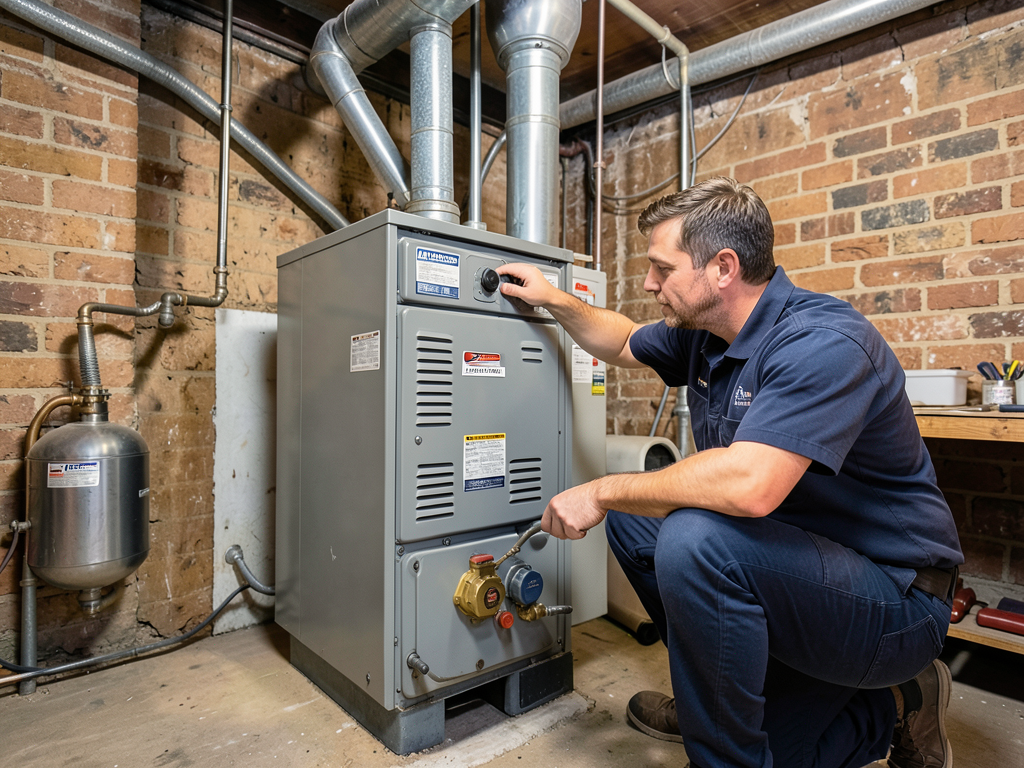
Gas Furnaces vs Electric Heat Pumps for Historic Cooper-Young Homes
Choosing between a gas furnace and an electric heat pump for your historic Cooper-Young home affects more than just your monthly MLGW bill. The Mid-South climate with its unpredictable winter cold snaps and high humidity creates unique heating challenges for these older homes built before modern insulation standards. Understanding the real differences in performance, cost, and reliability helps you make the right investment for your specific situation. MLGW utility rates.
Understanding the Memphis Heating Landscape
Memphis homes face distinct heating demands compared to northern climates. The average winter temperature hovers around 40 degrees, but sudden arctic blasts can drop temperatures into the teens within hours. Historic Cooper-Young homes often feature drafty windows, limited wall insulation, and aging ductwork that struggles with modern heating demands.
MLGW serves as the primary utility provider for Memphis residents, offering both natural gas and electricity. Current MLGW rates show natural gas averaging $0.92 per therm while electricity costs approximately $0.1235 per kilowatt-hour. These rates directly impact your monthly heating expenses and long-term operational costs.
Historic homes in Cooper-Young face additional challenges. Many were built between 1900 and 1950 with balloon-frame construction and single-pane windows. The lack of proper vapor barriers and insulation means these homes lose heat rapidly, forcing heating systems to work harder and longer during cold periods.
Upfront Costs vs. Long-term Savings
Gas furnaces typically cost $3,500 to $6,000 for installation in Memphis, including proper venting and gas line connections. Electric heat pumps range from $4,000 to $8,000 installed, with higher-end models featuring variable-speed compressors and smart thermostats.
The initial price difference narrows when considering installation complexity. Gas furnaces require proper venting through the roof or sidewall, gas line connections, and carbon monoxide detectors. Heat pumps need adequate outdoor space, proper refrigerant line routing, and sometimes electrical panel upgrades.
Monthly operational costs tell a different story. A 70,000 BTU gas furnace running at 80% efficiency costs approximately $120 to $180 monthly during peak winter months. An electric heat pump with a 3-ton capacity typically runs $140 to $200 monthly, though this varies based on outdoor temperatures and home insulation quality.
Energy efficiency ratings matter significantly. Modern gas furnaces achieve 95% to 98% Annual Fuel Utilization Efficiency (AFUE) ratings. Heat pumps measure efficiency through Heating Seasonal Performance Factor (HSPF), with quality units rating between 8.2 and 10.5. Higher ratings translate directly to lower utility bills over the system’s lifespan.
Lifespan expectations differ between technologies. Gas furnaces typically last 15 to 20 years with proper maintenance. Heat pumps often operate 15 to 25 years, though the outdoor compressor unit may need replacement separately after 10 to 15 years. Professional Heat Pump Replacement Services in Bartlett.
Performance in Memphis Winters
Memphis winters test heating systems differently than northern climates. The region experiences rapid temperature swings where 60-degree afternoons can plummet to 20 degrees overnight. This volatility affects how each heating technology performs.
Gas furnaces provide immediate, intense heat. When temperatures drop suddenly, gas furnaces reach set temperatures within 15 to 20 minutes. The combustion process generates heat regardless of outdoor conditions, making gas furnaces reliable during extreme cold snaps. The Best Way to Find a Reliable HVAC Contractor in Arlington.
Heat pumps extract heat from outdoor air through refrigeration cycles. As temperatures approach freezing, heat pump efficiency drops significantly. Most Memphis heat pumps include electric resistance heat strips that activate when outdoor temperatures fall below 35 degrees, but this backup heating costs three to four times more per BTU than the heat pump’s primary operation.
Humidity affects both systems differently. Memphis averages 75% relative humidity year-round, with summer dew points often exceeding 70 degrees. Gas furnaces produce extremely dry heat, which can crack wood floors and furniture in historic homes. Heat pumps maintain better humidity balance but struggle with dehumidification during shoulder seasons.
Memphis experiences ice storms every few years that can knock out power for days. Gas furnaces continue operating during power outages if they have standing pilot lights or battery backup systems. Modern heat pumps with electronic ignition require electricity for operation, leaving homes without heat during extended outages.
Energy Efficiency and Environmental Impact
AFUE ratings measure how efficiently gas furnaces convert fuel to heat. A 95% AFUE furnace wastes only 5% of its fuel through exhaust. Older Memphis homes often have 70% to 80% efficient furnaces that waste 20% to 30% of their fuel.
Heat pumps move heat rather than generate it, making them inherently more efficient than resistance heating. A heat pump with an HSPF of 9.0 produces approximately 9 BTUs of heat for every watt of electricity consumed. This translates to 300% to 400% efficiency compared to electric resistance heating.
Memphis electricity comes primarily from TVA’s mixed generation sources, including coal, nuclear, and hydroelectric power. The carbon footprint of electric heating depends on TVA’s current generation mix. Natural gas burns cleaner than coal but still produces carbon dioxide emissions. TVA energy efficiency programs.
Heat pumps offer cooling capabilities that gas furnaces cannot provide. This dual functionality means one system handles both heating and cooling needs, potentially eliminating the need for separate air conditioning equipment in historic homes with limited mechanical space.
Noise levels vary significantly between technologies. Gas furnaces produce combustion noise and air movement sounds through ductwork. Heat pumps generate outdoor compressor noise that neighbors might notice, especially in the close quarters of Cooper-Young’s historic lots.
Maintenance and Reliability in Humid Climates
Memphis humidity creates unique maintenance challenges for both heating systems. High moisture levels accelerate corrosion, particularly in outdoor heat pump components and furnace heat exchangers.
Gas furnace maintenance includes annual inspections of heat exchangers for cracks, cleaning of burners, checking gas pressure, and testing carbon monoxide levels. The humid Memphis climate can cause rust on heat exchangers, potentially creating dangerous carbon monoxide leaks in historic homes with aging systems.
Heat pump maintenance focuses on outdoor coil cleaning, refrigerant level checks, and ensuring proper drainage. Memphis pollen and cottonwood seeds can clog outdoor coils, reducing efficiency by 15% to 30% if not cleaned regularly.
Filter replacement frequency increases in Memphis due to high pollen counts and dust from the Mississippi River valley. Both systems benefit from monthly filter changes during peak usage seasons, with more frequent changes recommended for homes with pets or allergies.
Repair costs vary by technology. Gas furnace repairs typically range from $150 to $500 for common issues like igniter replacement or gas valve problems. Heat pump repairs often cost $200 to $800 due to the complexity of refrigeration components and the need for EPA-certified technicians. Troubleshooting AC Issues.
Emergency repair availability matters in Memphis’s volatile climate. Gas furnace repairs can often be completed within hours since most HVAC technicians carry common gas furnace parts. Heat pump repairs may require ordering specific components, potentially leaving homes without heat for days during critical cold periods. Reliable Emergency Furnace Repair for Families in Collierville.
The Hybrid Option: Dual Fuel Systems
Dual fuel systems combine a heat pump with a gas furnace backup, offering the best of both technologies for Memphis’s climate. The heat pump handles cooling and mild heating, while the gas furnace activates during extreme cold or when electricity costs peak.
Installation costs for dual fuel systems range from $7,000 to $12,000, reflecting the complexity of integrating two heating sources. However, the operational savings often justify the higher upfront investment for larger homes or those with poor insulation.
Smart controls automatically switch between heat sources based on outdoor temperature, utility rates, and system efficiency. This optimization can reduce heating costs by 15% to 30% compared to single-source systems, particularly in historic homes where insulation improvements may be limited.
Dual fuel systems provide redundancy that single systems cannot match. If the heat pump fails during an ice storm, the gas furnace continues operating. Conversely, if gas service is interrupted, the heat pump maintains heating capabilities.
TN Code 68-120-103 requires HVAC contractors to hold proper licensing and insurance for dual fuel system installations. The code mandates specific sizing calculations based on Manual J load calculations to ensure proper system capacity for historic home characteristics.
MLGW offers rebates for high-efficiency equipment installations that meet specific efficiency thresholds. Current programs provide up to $300 for gas furnaces exceeding 95% AFUE and up to $500 for heat pumps meeting Energy Star criteria.
Making the Right Choice for Your Historic Home
Historic Cooper-Young homes require careful consideration of several factors beyond simple cost comparisons. The age of your home, existing ductwork condition, and planned occupancy duration all influence the optimal heating choice.
Homes built before 1920 often lack proper return air pathways, forcing contractors to install unconventional duct configurations that affect system efficiency. Modern high-efficiency furnaces may require extensive modifications to fit within the limited mechanical spaces common in historic homes.
Consider your long-term plans. If you plan to stay in your home for more than five years, the operational savings of high-efficiency equipment often justify the higher upfront costs. For shorter occupancy periods, a reliable mid-efficiency system may provide better value.
Indoor air quality concerns affect the heating choice. Gas furnaces can produce combustion byproducts that require proper venting. Heat pumps circulate existing indoor air, which may concentrate allergens without proper filtration systems.
Memphis’s building codes require permits for heating system replacements and inspections to ensure proper venting and safety measures. Historic district regulations may restrict exterior modifications needed for certain system types.
Professional load calculations determine proper system sizing. Oversized systems cycle on and off frequently, reducing efficiency and comfort. Undersized systems run continuously, increasing utility bills and wear on components.
The decision ultimately depends on your specific circumstances, budget constraints, and comfort priorities. Both technologies can provide reliable heating when properly sized and installed by qualified professionals familiar with historic home requirements.
Frequently Asked Questions
Which heating system costs less to operate in Memphis?
Gas furnaces typically cost less to operate than electric heat pumps during extreme cold when heat strips activate. However, heat pumps are more efficient during mild weather, potentially providing lower overall annual costs depending on your home’s insulation and local utility rates.
How long does a heating system replacement take in a historic Cooper-Young home?
Most heating system replacements in historic homes take one to three days. Complex installations involving ductwork modifications or gas line extensions may require additional time. Historic district homes may need additional permitting that extends the timeline.
Do I need permits to replace my heating system in Memphis?
>
Yes, Memphis and Shelby County require permits for heating system replacements. The permits ensure proper installation according to local building codes and safety standards. Licensed HVAC contractors typically handle permit acquisition as part of the installation process.
Ready to Upgrade Your Heating System?
Don’t let another Memphis winter catch you unprepared. Whether you need emergency repairs or are planning a system upgrade, our NATE-certified technicians understand the unique challenges of heating historic Cooper-Young homes.
Call (901) 640-3999 today to schedule your inspection and receive a detailed quote for your specific home. We offer same-day service for emergency situations and provide clear, upfront pricing with no hidden fees.
Pick up the phone and call (901) 640-3999 before the next cold snap hits. Your comfort and safety depend on having a reliable heating system that can handle whatever Memphis weather throws your way.
{
“@context”: “https://schema.org”,
“@type”: “BlogPosting”,
“headline”: “Gas Furnaces vs Electric Heat Pumps for Historic Cooper-Young Homes”,
“description”: “Compare gas furnaces and electric heat pumps for historic Cooper-Young homes in Memphis. Learn about MLGW utility rates, installation costs, and energy efficiency.”,
“wordCount”: 1884,
“datePublished”: “2026-03-06T16:23:00.000Z”,
“dateModified”: “2026-03-06T16:23:00.000Z”,
“inLanguage”: “en-US”,
“mainEntityOfPage”: {
“@type”: “WebPage”,
“@id”: “https://ironwoodhvacmemphis.com”
},
“publisher”: {
“@type”: “LocalBusiness”,
“name”: “Ironwood HVAC Memphis”,
“url”: “https://ironwoodhvacmemphis.com”
},
“author”: {
“@type”: “Organization”,
“name”: “Ironwood HVAC Memphis”,
“url”: “https://ironwoodhvacmemphis.com”
},
“image”: {
“@type”: “ImageObject”,
“url”: “https://ironwoodhvacmemphis.com/wp-content/uploads/2026/03/gas-furnaces-vs-electric-heat-pumps-for-historic-c-1.png”
}
}
{
“@context”: “https://schema.org”,
“@type”: “HVACBusiness”,
“name”: “Ironwood HVAC Memphis”,
“url”: “https://ironwoodhvacmemphis.com”,
“address”: {
“@type”: “PostalAddress”,
“addressLocality”: “Memphis”
},
“areaServed”: {
“@type”: “City”,
“name”: “Memphis”
}
}
{
“@context”: “https://schema.org”,
“@type”: “FAQPage”,
“mainEntity”: [
{
“@type”: “Question”,
“name”: “Which heating system costs less to operate in Memphis?”,
“acceptedAnswer”: {
“@type”: “Answer”,
“text”: “Gas furnaces typically cost less to operate than electric heat pumps during extreme cold when heat strips activate. However, heat pumps are more efficient during mild weather, potentially providing lower overall annual costs depending on your home’s insulation and local utility rates.”
}
},
{
“@type”: “Question”,
“name”: “How long does a heating system replacement take in a historic Cooper-Young home?”,
“acceptedAnswer”: {
“@type”: “Answer”,
“text”: “Most heating system replacements in historic homes take one to three days. Complex installations involving ductwork modifications or gas line extensions may require additional time. Historic district homes may need additional permitting that extends the timeline.”
}
},
{
“@type”: “Question”,
“name”: “Ready to Upgrade Your Heating System?”,
“acceptedAnswer”: {
“@type”: “Answer”,
“text”: “Don’t let another Memphis winter catch you unprepared. Whether you need emergency repairs or are planning a system upgrade, our NATE-certified technicians understand the unique challenges of heating historic Cooper-Young homes.”
}
}
]
}
{
“@context”: “https://schema.org”,
“@type”: “BreadcrumbList”,
“itemListElement”: [
{
“@type”: “ListItem”,
“position”: 1,
“name”: “Home”,
“item”: “https://ironwoodhvacmemphis.com”
},
{
“@type”: “ListItem”,
“position”: 2,
“name”: “Blog”,
“item”: “https://ironwoodhvacmemphis.com/blog”
},
{
“@type”: “ListItem”,
“position”: 3,
“name”: “Gas Furnaces vs Electric Heat Pumps for Historic Cooper-Young Homes”
}
]
}
{
“@context”: “https://schema.org”,
“@type”: “Service”,
“serviceType”: “HVAC”,
“provider”: {
“@type”: “LocalBusiness”,
“name”: “Ironwood HVAC Memphis”,
“url”: “https://ironwoodhvacmemphis.com”
},
“areaServed”: {
“@type”: “City”,
“name”: “Memphis”
},
“description”: “Compare gas furnaces and electric heat pumps for historic Cooper-Young homes in Memphis. Learn about MLGW utility rates, installation costs, and energy efficiency.”
}