Commercial HVAC Maintenance Plans for Businesses in Downtown Memphis
Memphis businesses in the Downtown core face unique HVAC challenges from high humidity, aging infrastructure, and Mississippi River climate swings. A commercial HVAC maintenance plan keeps your system running at peak efficiency, reduces emergency repair costs, and extends equipment life by up to 30%. We design custom maintenance schedules for office buildings, retail spaces, and industrial facilities that meet Shelby County code requirements and MLGW energy standards. MLGW Commercial Energy Efficiency Programs.
Without regular maintenance, rooftop units lose 5% efficiency annually, chiller tubes foul within months, and compressor failures spike during July heat waves. Downtown Memphis facilities cannot afford downtime. Our preventative plans include twice-yearly inspections, coil cleaning, refrigerant level checks, and 24/7 priority service to keep your business comfortable and compliant.
Why Downtown Memphis Businesses Need Specialized Commercial HVAC Maintenance
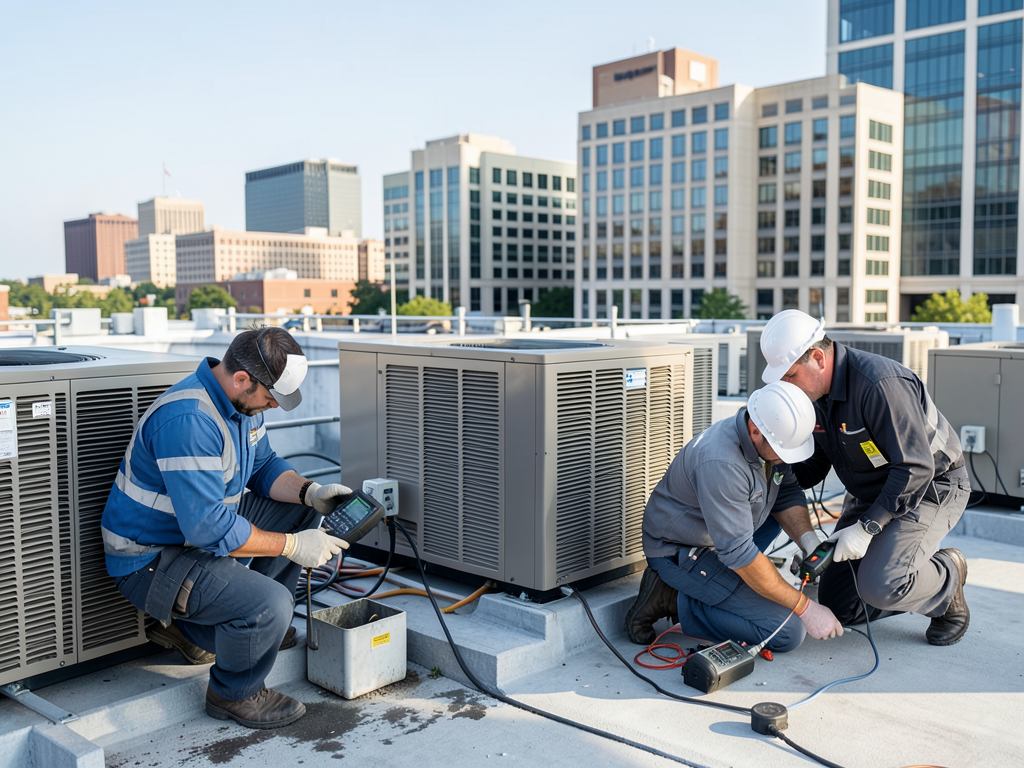
Downtown Memphis sits in the Mississippi River Valley where summer dew points consistently exceed 70 degrees. This humidity forces HVAC systems to work harder, causing condensation buildup, mold growth, and corrosion in rooftop units. The dense urban environment also creates heat island effects, pushing rooftop temperatures above 150 degrees on asphalt surfaces.
Many Downtown buildings were constructed before 2000 and use R-22 refrigerant systems now phased out under EPA regulations. These aging systems require specialized knowledge to maintain efficiency and avoid costly refrigerant leaks. Shelby County Code Section 13-8-32 mandates regular commercial HVAC inspections for buildings over 10,000 square feet, making maintenance not just smart but legally required. EPA Section 608 Refrigerant Certification.
The Wolf River alluvial soil beneath Downtown Memphis creates foundation settling that misaligns rooftop units, causing vibration damage and refrigerant line stress. Our technicians use laser alignment tools to ensure proper unit leveling, preventing premature bearing wear and compressor failure.
Comprehensive Maintenance Plan Components
A complete commercial HVAC maintenance plan includes 12 critical tasks performed on a scheduled rotation. We track each component’s condition using digital maintenance logs that flag potential failures before they cause business interruption.
- Refrigerant Pressure Testing
We measure suction and discharge pressures to verify system charge. Low pressure indicates leaks that waste energy and damage compressors. High pressure suggests restricted airflow or dirty coils.
- Electrical Component Inspection
Voltage and amperage readings on motors, compressors, and contactors identify failing bearings or winding degradation. We check capacitor microfarad ratings to prevent motor burnout.
- Coil Cleaning and Airflow Verification
Dirty evaporator and condenser coils reduce heat transfer by 30%. We use chemical cleaning and pressure washing to restore efficiency. Static pressure readings confirm proper airflow across coils.
- Drain Pan and Line Maintenance
Clogged condensate drains cause water overflow and ceiling damage. We flush lines with algaecide and verify proper slope to prevent microbial growth.
- Thermostat and Control Calibration
Inaccurate temperature sensors cause short cycling and energy waste. We calibrate sensors to within 1 degree and verify programmable schedules match occupancy patterns.
MLGW Commercial Energy Efficiency Programs
Memphis Light, Gas and Water offers commercial customers significant rebates for high-efficiency HVAC upgrades and maintenance improvements. MLGW’s Commercial and Industrial Energy Efficiency Program provides up to $200,000 annually for qualifying projects that reduce energy consumption by at least 10%.
Variable frequency drives on rooftop unit fans can reduce energy use by 25% during partial load conditions. MLGW rebates cover 50% of VFD installation costs up to $10,000 per project. Smart thermostats with occupancy sensors qualify for $50 per unit rebates when replacing manual thermostats.
Regular maintenance itself qualifies for incentives under MLGW’s Existing Building Commissioning program. Businesses that implement preventative maintenance contracts and demonstrate energy savings through before-and-after metering can receive technical assistance and partial funding for system optimization studies.
The Tennessee Valley Authority’s EnergyRight program partners with MLGW to offer zero-interest financing for commercial HVAC upgrades. This allows businesses to install high-efficiency equipment with payments offset by energy savings, often resulting in positive cash flow from day one.
Industry-Specific Maintenance Requirements
Different commercial sectors face unique HVAC challenges that require specialized maintenance approaches. Healthcare facilities must maintain precise temperature and humidity control to protect patients and comply with CDC guidelines. We calibrate systems to maintain 68-72 degree temperatures with 40-60% relative humidity.
Memphis hospitals and clinics require HEPA filtration and ultraviolet light sterilization to prevent airborne pathogen transmission. Our maintenance includes quarterly UV bulb replacement and annual HEPA filter testing to ensure MERV 13 or higher efficiency ratings.
Warehouse and logistics facilities in Downtown Memphis need robust dehumidification to protect inventory from moisture damage. We install desiccant dehumidifiers and maintain relative humidity below 55% to prevent mold growth on stored goods. These systems require monthly desiccant wheel inspection and annual reactivation heater testing.
Restaurants and food service operations demand grease filtration and odor control. Commercial kitchen hoods require quarterly baffle filter cleaning and annual exhaust fan bearing replacement. We coordinate maintenance during off-hours to prevent kitchen downtime during peak meal periods.
Office buildings benefit from zoned HVAC control to reduce energy waste in unoccupied areas. We install building automation system (BAS) sensors that adjust airflow based on occupancy, reducing fan energy use by up to 40% in variable occupancy spaces.
Emergency Response and Priority Service
When commercial HVAC systems fail, every hour of downtime costs thousands in lost productivity and customer dissatisfaction. Our maintenance plan customers receive 24/7 priority dispatch with guaranteed 4-hour response times for emergency calls.
We stock common commercial parts including contactors, capacitors, fan motors, and control boards on our service vehicles. This allows most repairs to be completed within a single visit, minimizing business interruption. For major component failures, we provide temporary cooling solutions while replacement parts are ordered.
Our technicians carry NATE certification and Shelby County mechanical licenses, ensuring compliance with all local regulations. We maintain relationships with major manufacturers for warranty claims and can often secure overnight shipping on critical components.
During extreme weather events like summer heat waves or winter ice storms, we increase staffing and maintain extended hours to handle the surge in emergency calls. Maintenance plan customers receive priority scheduling over non-contract customers during these high-demand periods.
Cost-Benefit Analysis of Maintenance Plans
Commercial HVAC maintenance delivers measurable returns through energy savings, extended equipment life, and reduced repair costs. A well-maintained system operates 15-20% more efficiently than a neglected system, saving $0.15-$0.25 per square foot annually in energy costs.
Regular maintenance extends equipment life from 12-15 years to 18-20 years, delaying the $50,000-$150,000 replacement cost for 5-8 additional years. This represents a 30-40% reduction in lifetime ownership costs for the HVAC system.
Preventative maintenance reduces emergency repair frequency by 70%. While a maintenance contract costs $1,500-$3,000 annually depending on system size, it prevents $5,000-$15,000 in unexpected repair bills and eliminates the cost of business interruption during failures.
Energy savings alone typically pay for the maintenance contract within 18-24 months. The remaining benefits represent pure financial gain for the business. Many of our clients report 200-300% return on investment from their maintenance contracts when factoring in all cost savings.
Compliance and Documentation
Shelby County Code Section 13-8-32 requires commercial buildings over 10,000 square feet to maintain documentation of HVAC maintenance and inspections. Our maintenance plans include detailed digital reports with photos, measurements, and recommendations that satisfy code requirements.
We maintain electronic records for seven years, providing documentation for insurance claims, property sales, or code inspections. Our reports include temperature and humidity logs, electrical readings, and photos of equipment condition that demonstrate due diligence in system maintenance.
For businesses in historic Downtown buildings, we coordinate with the Memphis Landmarks Commission to ensure all maintenance work complies with preservation guidelines. This includes using low-noise equipment and maintaining original architectural features while upgrading system efficiency.
OSHA regulations require proper documentation of refrigerant handling and recovery. Our technicians are certified under EPA Section 608 for refrigerant management and maintain logs of all refrigerant additions, recoveries, and recycling to ensure regulatory compliance.
Technology Integration and Smart Controls
Modern commercial HVAC systems integrate with building automation systems for optimal efficiency and control. We install smart thermostats that learn occupancy patterns and adjust temperatures automatically, reducing energy use by 15-25% without sacrificing comfort.
Variable refrigerant flow (VRF) systems offer zoning capabilities that allow different areas of a building to maintain different temperatures simultaneously. This technology is ideal for mixed-use buildings common in Downtown Memphis, where retail spaces may need cooling while office areas require heating.
Internet-connected HVAC controls allow facility managers to monitor system performance remotely through smartphone apps. We set up alerts for abnormal conditions like high head pressure, low refrigerant levels, or filter restrictions, enabling proactive maintenance before failures occur.
Energy management systems integrate HVAC with lighting, security, and other building systems to optimize overall energy consumption. These systems can reduce total building energy use by 20-30% through coordinated control strategies and demand response capabilities.
Case Studies: Downtown Memphis Success Stories
The Peabody Hotel Downtown Memphis reduced their annual HVAC energy costs by $45,000 after implementing our comprehensive maintenance plan. We identified and repaired multiple refrigerant leaks, cleaned severely fouled condenser coils, and installed variable frequency drives on all rooftop unit fans.
A 50,000 square foot office building on Front Street avoided a $75,000 compressor replacement when our technician detected abnormal vibration patterns during routine maintenance. We identified a failing motor mount and bearing issue before catastrophic failure occurred, saving the client from emergency repair costs and business interruption.
The Orpheum Theatre’s complex HVAC system serves multiple performance spaces with varying temperature and humidity requirements. Our quarterly maintenance ensures each zone maintains optimal conditions for performers and audiences while minimizing energy waste during dark days.
MLGW’s Downtown office building achieved Energy Star certification after we implemented a comprehensive maintenance and optimization program. The building now operates at 25% below the national average energy use for similar facilities, qualifying for utility rebates and demonstrating environmental leadership.
Choosing the Right Maintenance Partner
Commercial HVAC maintenance requires specialized knowledge, proper licensing, and adequate resources to handle large-scale systems. We maintain Shelby County mechanical licenses, NATE certifications, and EPA refrigerant handling certifications to ensure compliance and quality workmanship.
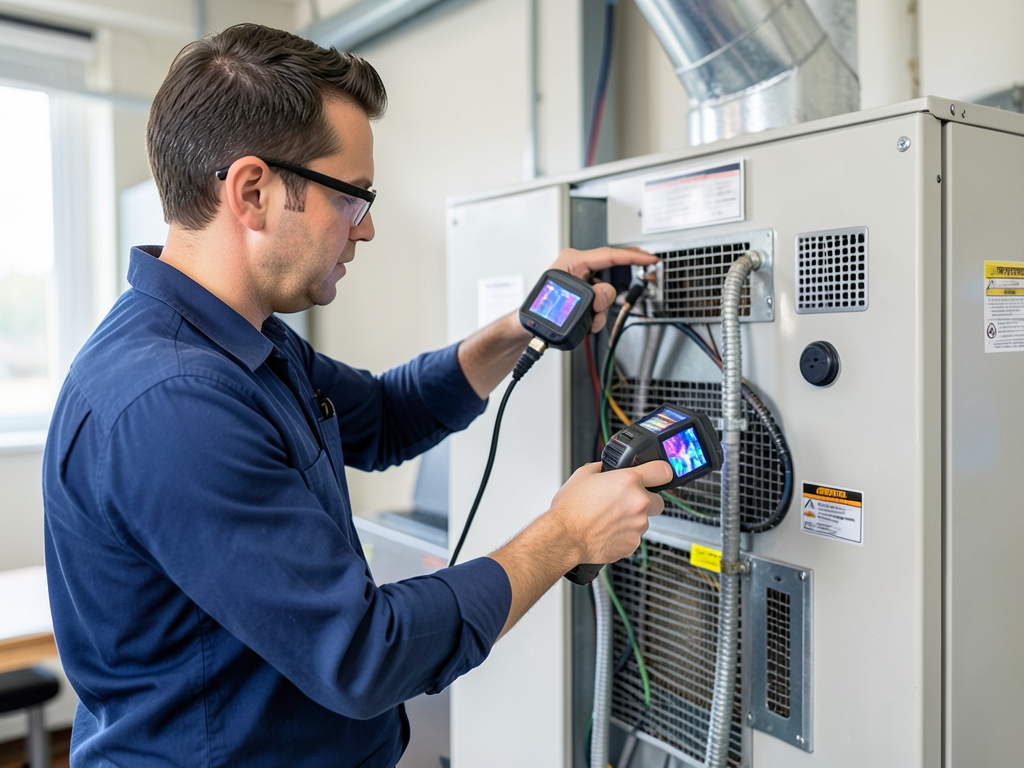
Our technicians receive ongoing training on new HVAC technologies and local code requirements. We invest in diagnostic tools including thermal imaging cameras, refrigerant leak detectors, and airflow measurement equipment to provide accurate assessments and targeted repairs.
Insurance coverage is critical for commercial work. We carry $2 million in general liability insurance and $1 million in pollution liability coverage to protect your business from potential damages during maintenance operations.
References and case studies demonstrate our experience with similar facilities. We provide references from Downtown Memphis businesses in your industry and can show examples of completed maintenance projects that match your building’s size and complexity.
Frequently Asked Questions
How often should commercial HVAC systems be maintained?
Commercial HVAC systems require semi-annual maintenance at minimum, with quarterly inspections recommended for systems over 20 tons or in critical applications. High-use facilities like restaurants may need monthly filter changes and quarterly comprehensive inspections.
What does a commercial HVAC maintenance contract typically include?
Standard contracts include twice-yearly comprehensive inspections, quarterly filter changes, monthly belt and bearing checks, 24/7 emergency service, priority scheduling, and detailed maintenance reports. Premium plans add energy audits, building automation integration, and equipment replacement recommendations.
How much does commercial HVAC maintenance cost?
Costs range from $0.10 to $0.25 per square foot annually for basic plans, with comprehensive plans costing $0.25 to $0.50 per square foot. A 10,000 square foot building typically pays $1,500 to $5,000 annually depending on system complexity and service frequency.
Can maintenance prevent all HVAC emergencies?
While maintenance cannot prevent all failures, it reduces emergency frequency by 70% and allows early detection of developing problems. Most catastrophic failures result from neglected maintenance issues that could have been identified and corrected during routine inspections.
What are the signs my commercial HVAC needs maintenance?
Signs include rising energy bills, inconsistent temperatures between zones, unusual noises or odors, frequent cycling, and visible ice buildup on coils. Any of these symptoms indicates immediate need for professional inspection and maintenance.
How long does a maintenance visit take?
Comprehensive maintenance visits take 2-4 hours for typical rooftop units, with larger or more complex systems requiring 6-8 hours. We schedule visits during off-peak hours to minimize business disruption and coordinate with facility managers for optimal timing.
Do you provide after-hours maintenance?
Yes, we offer flexible scheduling including evenings, weekends, and holidays to accommodate business operations. Maintenance plan customers receive priority for after-hours service at no additional cost.
What documentation do you provide?
We provide detailed digital reports with photos, measurements, and recommendations after each visit. Annual summary reports include energy usage trends, cost savings analysis, and equipment condition assessments for planning purposes.
How do I get started with a maintenance plan?
Call (901) 640-3999 to schedule a free system assessment. We evaluate your current equipment, review your maintenance history, and design a customized plan that meets your facility’s specific needs and budget requirements.
What if I need emergency service outside the contract?
Emergency service is available 24/7 to all customers, though maintenance plan customers receive priority response and discounted emergency rates. We maintain on-call technicians year-round to handle urgent HVAC failures.
Commercial HVAC maintenance is not an expense but an investment in your business’s reliability and efficiency. Downtown Memphis businesses face unique climate and infrastructure challenges that demand specialized expertise and proactive maintenance strategies. Our comprehensive maintenance plans protect your investment, ensure code compliance, and provide peace of mind through guaranteed emergency response.
Don’t wait for a system failure to disrupt your operations. Call (901) 640-3999 today to schedule your free commercial HVAC assessment and learn how our maintenance plans can save you money while keeping your Downtown Memphis business comfortable and productive.
{
“@context”: “https://schema.org”,
“@type”: “BlogPosting”,
“headline”: “Commercial HVAC Maintenance Plans for Businesses in Downtown Memphis”,
“description”: “Keep your Downtown Memphis business running smoothly with expert commercial HVAC maintenance plans. Reduce downtime, improve efficiency, and extend system life. Call (901) 640-3999.”,
“wordCount”: 2266,
“datePublished”: “2026-02-21T16:46:00.000Z”,
“dateModified”: “2026-02-21T16:46:00.000Z”,
“inLanguage”: “en-US”,
“mainEntityOfPage”: {
“@type”: “WebPage”,
“@id”: “https://ironwoodhvacmemphis.com”
},
“publisher”: {
“@type”: “LocalBusiness”,
“name”: “Ironwood HVAC Memphis”,
“url”: “https://ironwoodhvacmemphis.com”
},
“author”: {
“@type”: “Organization”,
“name”: “Ironwood HVAC Memphis”,
“url”: “https://ironwoodhvacmemphis.com”
},
“image”: {
“@type”: “ImageObject”,
“url”: “https://ironwoodhvacmemphis.com/wp-content/uploads/2026/03/commercial-hvac-maintenance-plans-for-businesses-i-1.png”
}
}
{
“@context”: “https://schema.org”,
“@type”: “HVACBusiness”,
“name”: “Ironwood HVAC Memphis”,
“url”: “https://ironwoodhvacmemphis.com”,
“address”: {
“@type”: “PostalAddress”,
“addressLocality”: “Memphis”
},
“areaServed”: {
“@type”: “City”,
“name”: “Memphis”
}
}
{
“@context”: “https://schema.org”,
“@type”: “FAQPage”,
“mainEntity”: [
{
“@type”: “Question”,
“name”: “How often should commercial HVAC systems be maintained?”,
“acceptedAnswer”: {
“@type”: “Answer”,
“text”: “Commercial HVAC systems require semi-annual maintenance at minimum, with quarterly inspections recommended for systems over 20 tons or in critical applications. High-use facilities like restaurants may need monthly filter changes and quarterly comprehensive inspections.”
}
},
{
“@type”: “Question”,
“name”: “What does a commercial HVAC maintenance contract typically include?”,
“acceptedAnswer”: {
“@type”: “Answer”,
“text”: “Standard contracts include twice-yearly comprehensive inspections, quarterly filter changes, monthly belt and bearing checks, 24/7 emergency service, priority scheduling, and detailed maintenance reports. Premium plans add energy audits, building automation integration, and equipment replacement recommendations.”
}
},
{
“@type”: “Question”,
“name”: “How much does commercial HVAC maintenance cost?”,
“acceptedAnswer”: {
“@type”: “Answer”,
“text”: “Costs range from $0.10 to $0.25 per square foot annually for basic plans, with comprehensive plans costing $0.25 to $0.50 per square foot. A 10,000 square foot building typically pays $1,500 to $5,000 annually depending on system complexity and service frequency.”
}
},
{
“@type”: “Question”,
“name”: “Can maintenance prevent all HVAC emergencies?”,
“acceptedAnswer”: {
“@type”: “Answer”,
“text”: “While maintenance cannot prevent all failures, it reduces emergency frequency by 70% and allows early detection of developing problems. Most catastrophic failures result from neglected maintenance issues that could have been identified and corrected during routine inspections.”
}
},
{
“@type”: “Question”,
“name”: “What are the signs my commercial HVAC needs maintenance?”,
“acceptedAnswer”: {
“@type”: “Answer”,
“text”: “Signs include rising energy bills, inconsistent temperatures between zones, unusual noises or odors, frequent cycling, and visible ice buildup on coils. Any of these symptoms indicates immediate need for professional inspection and maintenance.”
}
},
{
“@type”: “Question”,
“name”: “How long does a maintenance visit take?”,
“acceptedAnswer”: {
“@type”: “Answer”,
“text”: “Comprehensive maintenance visits take 2-4 hours for typical rooftop units, with larger or more complex systems requiring 6-8 hours. We schedule visits during off-peak hours to minimize business disruption and coordinate with facility managers for optimal timing.”
}
},
{
“@type”: “Question”,
“name”: “Do you provide after-hours maintenance?”,
“acceptedAnswer”: {
“@type”: “Answer”,
“text”: “Yes, we offer flexible scheduling including evenings, weekends, and holidays to accommodate business operations. Maintenance plan customers receive priority for after-hours service at no additional cost.”
}
},
{
“@type”: “Question”,
“name”: “What documentation do you provide?”,
“acceptedAnswer”: {
“@type”: “Answer”,
“text”: “We provide detailed digital reports with photos, measurements, and recommendations after each visit. Annual summary reports include energy usage trends, cost savings analysis, and equipment condition assessments for planning purposes.”
}
},
{
“@type”: “Question”,
“name”: “How do I get started with a maintenance plan?”,
“acceptedAnswer”: {
“@type”: “Answer”,
“text”: “Call (901) 640-3999 to schedule a free system assessment. We evaluate your current equipment, review your maintenance history, and design a customized plan that meets your facility’s specific needs and budget requirements.”
}
},
{
“@type”: “Question”,
“name”: “What if I need emergency service outside the contract?”,
“acceptedAnswer”: {
“@type”: “Answer”,
“text”: “Emergency service is available 24/7 to all customers, though maintenance plan customers receive priority response and discounted emergency rates. We maintain on-call technicians year-round to handle urgent HVAC failures.”
}
}
]
}
{
“@context”: “https://schema.org”,
“@type”: “HowTo”,
“name”: “Commercial HVAC Maintenance Tasks”,
“step”: [
{
“@type”: “HowToStep”,
“position”: 1,
“name”: “Refrigerant Pressure Testing”,
“text”: “We measure suction and discharge pressures to verify system charge. Low pressure indicates leaks that waste energy and damage compressors. High pressure suggests restricted airflow or dirty coils.”
},
{
“@type”: “HowToStep”,
“position”: 2,
“name”: “Electrical Component Inspection”,
“text”: “Voltage and amperage readings on motors, compressors, and contactors identify failing bearings or winding degradation. We check capacitor microfarad ratings to prevent motor burnout.”
},
{
“@type”: “HowToStep”,
“position”: 3,
“name”: “Coil Cleaning and Airflow Verification”,
“text”: “Dirty evaporator and condenser coils reduce heat transfer by 30%. We use chemical cleaning and pressure washing to restore efficiency. Static pressure readings confirm proper airflow across coils.”
},
{
“@type”: “HowToStep”,
“position”: 4,
“name”: “Drain Pan and Line Maintenance”,
“text”: “Clogged condensate drains cause water overflow and ceiling damage. We flush lines with algaecide and verify proper slope to prevent microbial growth.”
},
{
“@type”: “HowToStep”,
“position”: 5,
“name”: “Thermostat and Control Calibration”,
“text”: “Inaccurate temperature sensors cause short cycling and energy waste. We calibrate sensors to within 1 degree and verify programmable schedules match occupancy patterns.”
}
],
“image”: “https://ironwoodhvacmemphis.com/wp-content/uploads/2026/03/commercial-hvac-maintenance-plans-for-businesses-i-1.png”
}
{
“@context”: “https://schema.org”,
“@type”: “BreadcrumbList”,
“itemListElement”: [
{
“@type”: “ListItem”,
“position”: 1,
“name”: “Home”,
“item”: “https://ironwoodhvacmemphis.com”
},
{
“@type”: “ListItem”,
“position”: 2,
“name”: “Blog”,
“item”: “https://ironwoodhvacmemphis.com/blog”
},
{
“@type”: “ListItem”,
“position”: 3,
“name”: “Commercial HVAC Maintenance Plans for Businesses in Downtown Memphis”
}
]
}
{
“@context”: “https://schema.org”,
“@type”: “Service”,
“serviceType”: “HVAC”,
“provider”: {
“@type”: “LocalBusiness”,
“name”: “Ironwood HVAC Memphis”,
“url”: “https://ironwoodhvacmemphis.com”
},
“areaServed”: {
“@type”: “City”,
“name”: “Memphis”
},
“description”: “Keep your Downtown Memphis business running smoothly with expert commercial HVAC maintenance plans. Reduce downtime, improve efficiency, and extend system life. Call (901) 640-3999.”
}