Can a dirty air filter actually cause your AC to catch fire or break down?
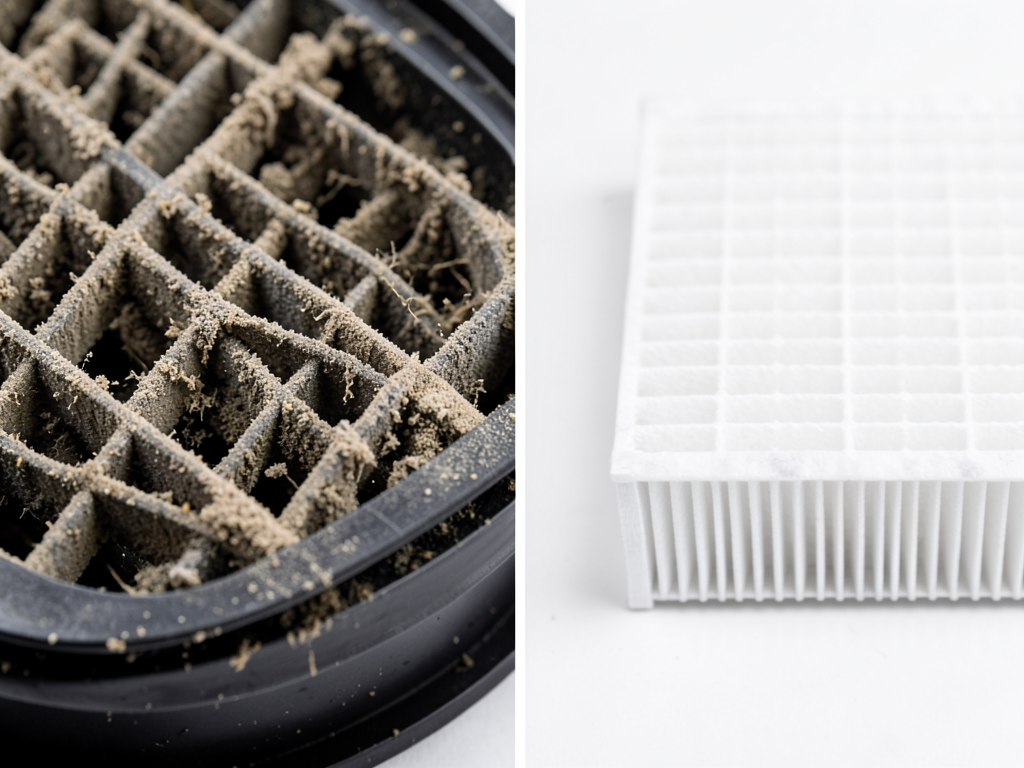
Your air filter does more than trap dust. It protects your entire HVAC system from overheating and failure. In Memphis’s humid climate, a clogged filter can trigger a chain reaction that leads to frozen coils, electrical shorts, and yes, even fire hazards.
When airflow drops below 300 CFM (cubic feet per minute), your system works harder to push air through. This strain causes the blower motor to overheat. In extreme cases, overheated motors can ignite nearby dust or insulation. While fire is rare, the breakdown risk is very real. A neglected filter can cut system efficiency by up to 15%, according to the Department of Energy, and increase energy bills by $20 to $50 per month. Department of Energy air conditioner maintenance guide.
Memphis’s high humidity makes filter maintenance even more critical. When dust combines with moisture, it forms a sludge that sticks to coils and restricts airflow further. This creates the perfect conditions for ice buildup on evaporator coils, even during summer heat.
Why Memphis homeowners face higher filter risks
Memphis sits in the Mississippi River Valley where pollen counts rank among the nation’s highest. Oak, ragweed, and mold spores clog filters faster than in drier climates. Local utility provider MLGW reports that homes with neglected filters use 10-15% more electricity during peak summer months.
The region’s clay soil also plays a role. Foundation shifts common in Shelby County can cause ductwork to separate slightly, allowing unfiltered air to bypass the filter entirely. This means even if you change your filter regularly, your system might still be breathing dirty air. EPA guide to air cleaners and air filters.
Memphis building codes require MERV 8 minimum for residential HVAC systems, but many homeowners install lower-rated filters to save money. This violates Shelby County Code Section 13-8-101 and can void manufacturer warranties.
The domino effect: How a dirty filter leads to system failure
When your filter clogs, the first sign is reduced airflow from vents. You might notice rooms take longer to cool or the system runs constantly. This happens because restricted airflow causes the evaporator coil to get too cold, forming ice.
Ice buildup creates several problems. First, it insulates the coil, preventing heat exchange. Second, when the ice melts, water can drip onto electrical components. Third, the compressor works harder to maintain cooling, leading to short cycling.
Short cycling means your AC turns on and off rapidly. This wears out compressor bearings and can cause refrigerant lines to sweat excessively. In Memphis’s 70%+ humidity, this moisture creates the perfect environment for electrical shorts.
The final stage often involves the heat exchanger. When airflow is restricted, heat builds up in the system. Over time, this can cause metal fatigue and cracks. A cracked heat exchanger poses serious carbon monoxide risks, especially during winter when your system switches to heating mode.
Warning signs your filter is causing damage
You don’t need special tools to spot filter-related problems. Listen for these warning sounds: a humming blower motor that sounds strained, clicking noises from the electrical panel, or hissing sounds from refrigerant lines.
Visual signs include ice crystals on refrigerant lines, water pooling around the indoor unit, or black soot around vents. The soot indicates your system is burning dust and debris that bypassed a clogged filter.
Energy bills spiking $30-$50 without increased usage often point to filter issues. Your system works overtime to achieve the same cooling, consuming more electricity. MLGW data shows Memphis homes with neglected filters average 12% higher summer energy costs. Troubleshooting AC Issues.
Another red flag: your AC runs constantly but never reaches the set temperature. This indicates restricted airflow preventing proper heat exchange. In Memphis’s 90+ degree summers, this puts enormous stress on your system.
The Memphis factor: Humidity and allergens compound filter problems
Memphis’s average July dew point exceeds 70 degrees Fahrenheit. This means the air holds substantial moisture year-round. When this humid air passes through a dirty filter, dust particles absorb water and expand, creating an even tighter mesh that blocks airflow.
Local allergen counts support this concern. The Asthma and Allergy Foundation ranks Memphis among the top 20 most challenging places to live with allergies. During peak seasons, filters can clog in just 30 days instead of the standard 60-90 day lifespan.
The Wolf River floodplain adds another layer of complexity. Homes near the river experience higher humidity levels and more mold spores. These microscopic particles pass through standard filters, accumulating on coils and creating the conditions for dirty sock syndrome – a foul odor caused by bacterial growth on evaporator coils.
Memphis’s temperature swings also stress filters. When outdoor temperatures swing 30+ degrees in a single day, your system cycles more frequently. Each cycle pulls more air through the filter, accelerating dust accumulation.
Cost comparison: Filter maintenance vs. system replacement
| Service | Average Cost | Frequency | Total 5-Year Cost |
|---|---|---|---|
| Standard 1-inch filter replacement | $15-25 | Every 60-90 days | $300-500 |
| 4-inch media filter replacement | $45-75 | Every 6-12 months | $225-375 |
| Emergency AC repair (compressor) | $1,500-3,000 | Once (if failure occurs) | $1,500-3,000 |
| Complete system replacement | $4,000-8,000 | Once (if failure occurs) | $4,000-8,000 |
The math is clear. Regular filter maintenance costs $300-500 over five years. Emergency repairs or system replacement costs thousands. Plus, neglected systems consume more electricity, adding $200-600 to utility bills over the same period. Reliable Emergency Furnace Repair for Families in Collierville.
Beyond direct costs, consider the inconvenience. A system failure during Memphis’s July heatwave means uncomfortable days waiting for repairs. During winter ice storms, heating failures pose health risks for elderly residents or those with medical conditions.
Choosing the right filter for Memphis conditions
Not all filters perform equally in Memphis’s climate. MERV ratings measure filtration efficiency, but higher isn’t always better. A MERV 13 filter might seem ideal for trapping allergens, but it can restrict airflow in systems designed for MERV 8.. Read more about Managing allergens in your Downtown Memphis loft without spending a fortune.
For most Memphis homes, MERV 8-11 provides the best balance. These filters trap 85-95% of particles 3-10 microns in size – large enough for pollen and dust but not so dense they choke your system.
Consider your specific situation. Homes with pets need more frequent changes – every 30-45 days instead of 60-90. Smokers should replace filters monthly. If anyone in your home has allergies or asthma, upgrade to MERV 11 and change every 45-60 days.
4-inch media filters offer advantages in Memphis. They provide MERV 11+ filtration with minimal airflow restriction and only need annual replacement. The larger surface area means they clog more slowly, making them ideal for homes near busy roads or construction zones common in growing areas like Bartlett and Cordova. Professional Heat Pump Replacement Services in Bartlett.
Professional maintenance: When to call the experts
DIY filter changes handle basic maintenance, but some situations demand professional attention. If you notice ice on coils, water leaks, or burning smells, turn off your system immediately and call (901) 640-3999.
Professional tune-ups include coil cleaning, refrigerant level checks, and electrical component testing. These services cost $75-150 but can prevent $1,000+ repairs. During a tune-up, technicians measure static pressure to ensure your system moves adequate airflow – something impossible to check without specialized tools. Affordable AC Tune-Ups for Homeowners in Lakeland.
Consider annual maintenance if your system is over 10 years old or if you’ve experienced multiple repairs. Memphis’s climate accelerates wear on HVAC components. The combination of high humidity, temperature extremes, and allergen load means systems here often need service twice as often as those in milder climates.
Smart thermostat integration can help monitor filter health. These devices track run time and can alert you when filters need replacement based on actual usage rather than calendar dates. This prevents both premature replacement and dangerous neglect.
Frequently Asked Questions
How often should I really change my air filter in Memphis?
Most Memphis homes need filter changes every 60 days minimum. Homes with pets, allergies, or near construction sites should change filters every 30-45 days. Check your filter monthly during peak allergy seasons (March-May and September-November).
Can a dirty filter really cause a fire?
While rare, overheated blower motors can ignite dust or insulation. More commonly, dirty filters cause electrical shorts when moisture from frozen coils drips onto components. The real danger is system failure during extreme weather when you need cooling or heating most.
What’s the difference between MERV ratings and HEPA filters?
MERV (Minimum Efficiency Reporting Value) rates filters on a 1-16 scale. HEPA (High-Efficiency Particulate Air) filters must remove 99.97% of particles 0.3 microns or smaller. Most residential HVAC systems cannot handle true HEPA filters due to airflow restriction. MERV 13-16 filters offer near-HEPA performance with less restriction.. Read more about How much your Southaven home value increases after a full HVAC replacement.
How do I know if my AC has frozen coils?
Check for ice on refrigerant lines near the outdoor unit, reduced airflow from vents, or the system running constantly without cooling. Turn off your system and let it thaw completely (this can take 4-6 hours) before checking the filter. Never chip ice off coils as this can damage them.
Is it worth upgrading to a 4-inch media filter?
For Memphis homes, 4-inch media filters often pay for themselves through reduced maintenance and better air quality. They last 6-12 months versus 1-3 months for standard filters, trap more allergens, and cause less airflow restriction. The upfront cost ($45-75) is higher, but you’ll change them less frequently.
Take action before your system fails
Don’t wait for your AC to break down on the hottest day of the year. A $15 filter change today can prevent a $3,000 repair tomorrow. Check your filter right now – if it looks gray or you can’t see light through it, replace it immediately.
If you’re unsure about your system’s condition or notice any warning signs mentioned above, call (901) 640-3999 for a professional inspection. Our NATE-certified technicians understand Memphis’s unique climate challenges and can spot problems before they cause system failure.
Remember: your air filter protects your entire HVAC investment. In Memphis’s demanding climate, this simple maintenance task can mean the difference between reliable comfort and expensive emergency repairs. Pick up the phone and call (901) 640-3999 before the next storm hits. The Best Way to Find a Reliable HVAC Contractor in Arlington.
You may also find this helpful. How to decide between a Lennox and a Trane system for your East Memphis home.
{
“@context”: “https://schema.org”,
“@type”: “BlogPosting”,
“headline”: “Can a dirty air filter actually cause your AC to catch fire or break down?”,
“description”: “Learn how dirty air filters can cause AC fires, breakdowns, and costly repairs in Memphis’s humid climate. Protect your HVAC system today.”,
“wordCount”: 1704,
“datePublished”: “2026-04-10T12:23:00.000Z”,
“dateModified”: “2026-04-10T12:23:00.000Z”,
“inLanguage”: “en-US”,
“mainEntityOfPage”: {
“@type”: “WebPage”,
“@id”: “https://ironwoodhvacmemphis.com”
},
“publisher”: {
“@type”: “LocalBusiness”,
“name”: “Ironwood HVAC Memphis”,
“url”: “https://ironwoodhvacmemphis.com”
},
“author”: {
“@type”: “Organization”,
“name”: “Ironwood HVAC Memphis”,
“url”: “https://ironwoodhvacmemphis.com”
},
“image”: {
“@type”: “ImageObject”,
“url”: “https://ironwoodhvacmemphis.com/wp-content/uploads/2026/03/can-a-dirty-air-filter-actually-cause-your-ac-to-c-1.png”
}
}
{
“@context”: “https://schema.org”,
“@type”: “HVACBusiness”,
“name”: “Ironwood HVAC Memphis”,
“url”: “https://ironwoodhvacmemphis.com”,
“address”: {
“@type”: “PostalAddress”,
“addressLocality”: “Memphis”
},
“areaServed”: {
“@type”: “City”,
“name”: “Memphis”
}
}
{
“@context”: “https://schema.org”,
“@type”: “FAQPage”,
“mainEntity”: [
{
“@type”: “Question”,
“name”: “How often should I really change my air filter in Memphis?”,
“acceptedAnswer”: {
“@type”: “Answer”,
“text”: “Most Memphis homes need filter changes every 60 days minimum. Homes with pets, allergies, or near construction sites should change filters every 30-45 days. Check your filter monthly during peak allergy seasons (March-May and September-November).”
}
},
{
“@type”: “Question”,
“name”: “Can a dirty filter really cause a fire?”,
“acceptedAnswer”: {
“@type”: “Answer”,
“text”: “While rare, overheated blower motors can ignite dust or insulation. More commonly, dirty filters cause electrical shorts when moisture from frozen coils drips onto components. The real danger is system failure during extreme weather when you need cooling or heating most.”
}
},
{
“@type”: “Question”,
“name”: “What’s the difference between MERV ratings and HEPA filters?”,
“acceptedAnswer”: {
“@type”: “Answer”,
“text”: “MERV (Minimum Efficiency Reporting Value) rates filters on a 1-16 scale. HEPA (High-Efficiency Particulate Air) filters must remove 99.97% of particles 0.3 microns or smaller. Most residential HVAC systems cannot handle true HEPA filters due to airflow restriction. MERV 13-16 filters offer near-HEPA performance with less restriction.”
}
},
{
“@type”: “Question”,
“name”: “How do I know if my AC has frozen coils?”,
“acceptedAnswer”: {
“@type”: “Answer”,
“text”: “Check for ice on refrigerant lines near the outdoor unit, reduced airflow from vents, or the system running constantly without cooling. Turn off your system and let it thaw completely (this can take 4-6 hours) before checking the filter. Never chip ice off coils as this can damage them.”
}
},
{
“@type”: “Question”,
“name”: “Is it worth upgrading to a 4-inch media filter?”,
“acceptedAnswer”: {
“@type”: “Answer”,
“text”: “For Memphis homes, 4-inch media filters often pay for themselves through reduced maintenance and better air quality. They last 6-12 months versus 1-3 months for standard filters, trap more allergens, and cause less airflow restriction. The upfront cost ($45-75) is higher, but you’ll change them less frequently.”
}
}
]
}
{
“@context”: “https://schema.org”,
“@type”: “BreadcrumbList”,
“itemListElement”: [
{
“@type”: “ListItem”,
“position”: 1,
“name”: “Home”,
“item”: “https://ironwoodhvacmemphis.com”
},
{
“@type”: “ListItem”,
“position”: 2,
“name”: “Blog”,
“item”: “https://ironwoodhvacmemphis.com/blog”
},
{
“@type”: “ListItem”,
“position”: 3,
“name”: “Can a dirty air filter actually cause your AC to catch fire or break down?”
}
]
}
{
“@context”: “https://schema.org”,
“@type”: “Service”,
“serviceType”: “HVAC”,
“provider”: {
“@type”: “LocalBusiness”,
“name”: “Ironwood HVAC Memphis”,
“url”: “https://ironwoodhvacmemphis.com”
},
“areaServed”: {
“@type”: “City”,
“name”: “Memphis”
},
“description”: “Learn how dirty air filters can cause AC fires, breakdowns, and costly repairs in Memphis’s humid climate. Protect your HVAC system today.”
}