
Keeping your walk-in pantry or food storage cool in the Collierville humidity
Memphis summers bring more than just heat. The humidity here creates a constant battle for homeowners trying to keep food fresh. Collierville’s location in the Mississippi River Valley means your pantry faces moisture levels that can climb above 90% during July and August. That damp air seeps into every corner of your home, including your food storage areas.
Standard kitchen ventilation cannot handle this level of moisture. Your walk-in pantry needs specialized climate control to prevent mold growth, food spoilage, and pest infestations. Without proper temperature and humidity management, dry goods absorb moisture and become breeding grounds for bacteria. Wine collections suffer from temperature fluctuations that ruin their flavor profiles.
The solution requires understanding how Memphis humidity affects enclosed spaces. A dedicated HVAC approach using mini-split systems or specialized dehumidifiers creates the stable environment your pantry needs. This guide shows you exactly what works in Collierville’s climate and why generic cooling solutions fail here.
Why Memphis humidity destroys pantries without proper climate control
Collierville sits in a humid subtropical climate zone where summer dew points regularly exceed 70 degrees Fahrenheit. That means the air holds so much moisture it feels like walking through a cloud. When this saturated air enters your pantry, it condenses on cooler surfaces and creates perfect conditions for mold growth.
Standard home ventilation systems exchange air with the outside, bringing in more humid air. Your pantry becomes a steam room for food. Dry pasta, flour, and cereal absorb this moisture within days. The result is clumpy, spoiled food that must be thrown away. The musty smell that develops comes from mold spores multiplying on cardboard packaging and wood shelves.
The Wolf River watershed affects local humidity patterns. Collierville’s proximity to the river means moisture levels stay elevated even at night when temperatures drop. This creates a daily cycle where your pantry never fully dries out. Without active dehumidification, the space remains in a constant state of dampness.
Ideal temperature and humidity ranges for food preservation
Different foods require different storage conditions. Dry goods like pasta, rice, and flour need temperatures between 50 and 70 degrees Fahrenheit with relative humidity around 15% to 20%. This range prevents moisture absorption while keeping food from becoming too dry.
Wine storage demands stricter control. Red wines need 55 degrees Fahrenheit with 60% to 70% humidity. White wines prefer slightly cooler temperatures around 45 to 50 degrees. The key difference is that wine benefits from higher humidity to keep corks from drying out, while dry foods need much lower humidity to prevent spoilage.
Chocolate, nuts, and certain oils require temperatures below 65 degrees to prevent rancidity. These items absorb odors easily, so they need sealed storage in addition to temperature control. The Memphis heat accelerates oil breakdown, making proper cooling essential for maintaining food quality.
Active vs passive cooling solutions for pantries
Passive cooling relies on insulation and ventilation alone. This approach fails in Memphis because outdoor air carries too much moisture. Even with good insulation, humid air entering through small gaps overwhelms the system. Passive solutions work only in dry climates or for short-term storage.
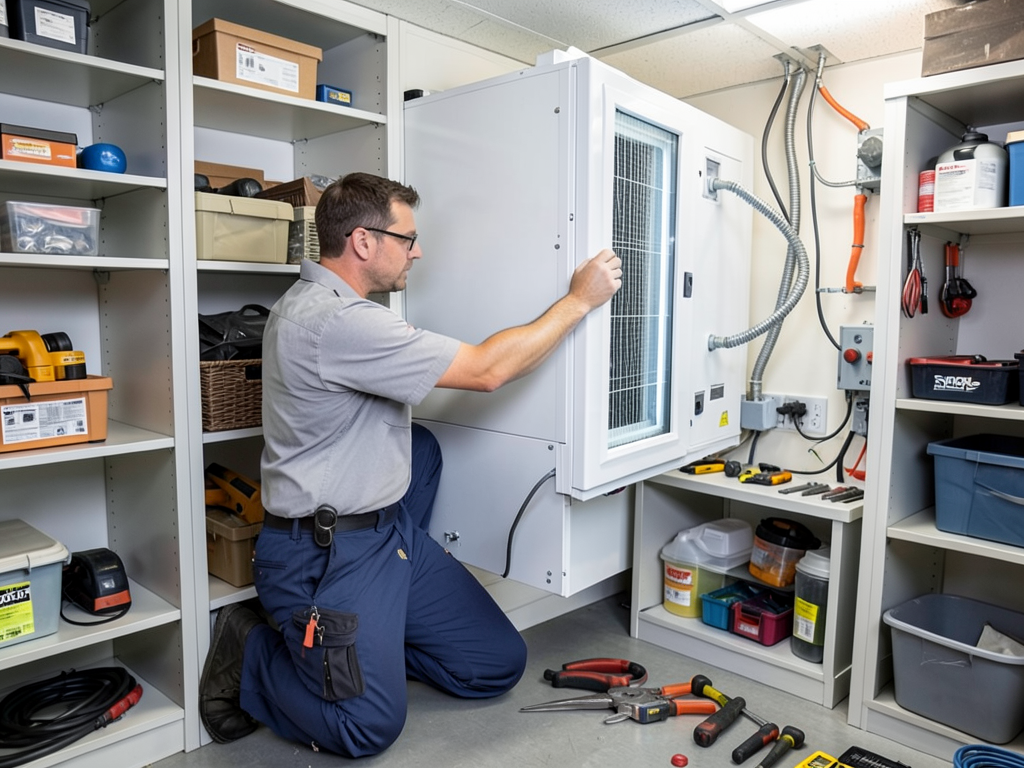
Active cooling uses mechanical systems to remove heat and moisture. Mini-split heat pumps excel at pantry applications because they handle both cooling and dehumidification. These systems operate independently of your main HVAC, allowing precise temperature control without affecting the rest of your home.
Dehumidifiers provide moisture removal but generate heat as a byproduct. In small pantries, this heat can raise temperatures above safe levels. The best approach combines a mini-split for cooling with supplemental dehumidification during peak humidity periods.
HVAC engineering for small enclosed spaces
Simply adding a vent to your pantry creates pressure imbalances that draw in more humid air. The physics work against you. Your home’s HVAC system operates under negative pressure, meaning it pulls air from everywhere, including your pantry. Without proper returns, the system creates a vacuum effect.
Professional pantry HVAC design includes dedicated return air pathways. This prevents pressure differentials that would otherwise pull humid air through walls and under doors. The system must also account for the pantry’s cubic footage to ensure adequate air circulation without creating cold spots. Professional Heat Pump Replacement Services in Bartlett.
Memphis building codes require proper ventilation for enclosed spaces. Shelby County Code Section 11-4-1410 mandates minimum ventilation rates based on room volume. Your pantry must meet these requirements even with climate control systems installed. This ensures air quality and prevents dangerous gas buildup from any appliances.
Step-by-step pantry retrofitting process
- Assess current conditions
Use a hygrometer to measure existing temperature and humidity levels over several days. Document any musty smells, visible mold, or condensation on walls.
- Calculate HVAC load
Determine the pantry’s cubic footage and insulation values. This calculation shows whether a mini-split or dedicated dehumidifier system provides adequate capacity.
- Plan electrical requirements
Most pantry systems need a dedicated 120-volt circuit. Check your electrical panel capacity before selecting equipment.
- Install vapor barriers
Apply vapor barrier paint or film to walls to prevent moisture migration from surrounding areas. This step proves critical in Collierville’s humid climate.
- Mount and connect equipment
Install the mini-split indoor unit high on a wall for optimal air circulation. Connect the outdoor condenser unit following manufacturer specifications and local codes.
- Test and calibrate
Run the system for 24 hours, monitoring temperature and humidity levels. Adjust settings to maintain target ranges consistently.
Insulation and vapor barrier requirements
Pantry walls need R-13 insulation minimum for interior applications. Exterior pantries or those sharing walls with unconditioned spaces require R-19 or higher. The insulation prevents heat transfer and reduces the cooling load on your HVAC system.
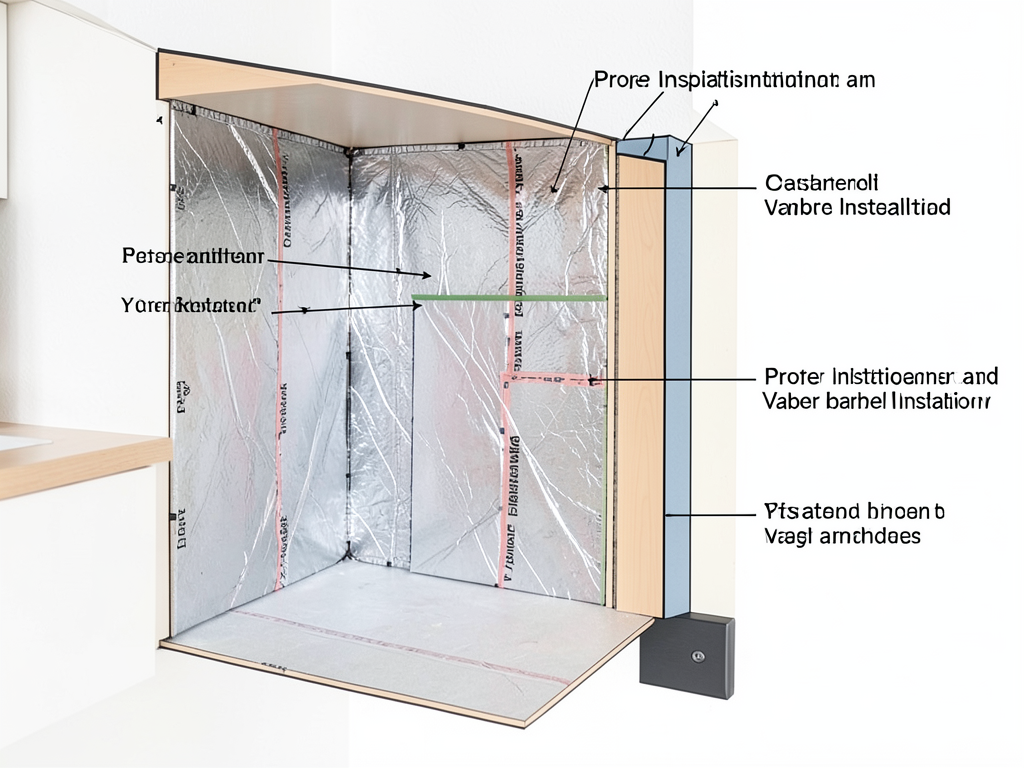
Vapor barriers stop moisture migration through walls. In Memphis, water vapor moves from warm, humid areas to cooler spaces. Without a barrier, humidity from your kitchen seeps into the pantry, overwhelming even the best cooling system.
Closed-cell spray foam provides both insulation and vapor barrier in one application. This material creates an airtight seal that prevents moisture infiltration. For existing pantries, vapor barrier paint offers a cost-effective alternative to full spray foam installation.
Mold and pest prevention through climate regulation
Mold needs three things to grow: moisture, warmth, and organic material. Your pantry provides all three without climate control. Mold spores exist everywhere and settle on food packaging, cardboard boxes, and wooden shelves. Once humidity exceeds 60%, these spores activate and multiply rapidly.
The musty smell in pantries signals active mold growth. This odor comes from microbial volatile organic compounds released as mold consumes organic materials. By the time you smell it, colonies have already established themselves throughout the space.
Pests follow the same moisture patterns as mold. Cockroaches, silverfish, and pantry moths thrive in humid conditions. These insects need water to survive and breed. Climate control eliminates the moisture these pests require, breaking their life cycles naturally.
Energy efficiency considerations
Small-space cooling systems achieve higher efficiency ratings than whole-house units. Mini-splits designed for pantries typically offer SEER2 ratings between 18 and 22. This means they use less electricity per cooling unit than standard AC systems.
The reduced cooling load in a pantry allows for smaller, more efficient equipment. A 6,000 BTU mini-split handles most pantry applications, while your main AC system might be 36,000 BTU or larger. This size difference translates to lower operating costs.
Smart thermostats optimize energy use by adjusting cooling based on actual conditions rather than fixed schedules. These devices learn your pantry’s thermal characteristics and maintain ideal conditions with minimal energy waste. How to Get Your Germantown AC Fixed Fast Without Overpaying.
Cost-benefit analysis of professional climate control
Food waste costs American families an average of $1,500 annually. In Memphis’s humid climate, this number climbs higher as moisture accelerates spoilage. A professional pantry cooling system costs between $2,500 and $4,500 installed, including electrical work and insulation upgrades.
The system pays for itself within two to three years through reduced food waste alone. Additional benefits include preserved wine collections, protected dry goods, and eliminated pest control costs. The system also increases your home’s value by adding a functional luxury feature.
Energy costs for a properly sized pantry system run approximately $15 to $25 monthly during peak summer months. This expense offsets against hundreds of dollars in saved groceries and eliminated mold remediation costs.
Maintenance requirements for climate-controlled pantries
Regular filter changes keep your system running efficiently. Pantry mini-splits need filter cleaning every three months due to higher dust and food particle exposure. Dirty filters reduce airflow and cooling capacity while increasing energy consumption.
Condensate drain lines require annual cleaning to prevent clogs. Memphis’s mineral-rich water creates scale buildup that can block drainage. A blocked drain causes water overflow and potential water damage to floors and walls.
System diagnostics should occur annually to check refrigerant levels, electrical connections, and overall performance. Early detection of issues prevents costly emergency repairs and ensures consistent temperature control throughout the year. EPA humidity control guidelines.
Common mistakes to avoid
Many homeowners install standard dehumidifiers in pantries without considering heat output. These units warm the space while removing moisture, creating a cycle where the dehumidifier runs constantly without achieving target conditions.
Another mistake involves inadequate sizing. An undersized system cannot maintain consistent temperatures during Memphis’s hottest days. The unit runs continuously, wearing out components prematurely and failing to protect your food.
Ignoring vapor barriers proves particularly problematic in Collierville. Without proper moisture barriers, humidity migrates through walls regardless of how powerful your cooling system becomes. The moisture always finds the path of least resistance.
Professional installation considerations
Professional installation ensures proper system sizing and code compliance. NATE-certified technicians understand the specific challenges of Memphis humidity and can recommend equipment proven effective in local conditions.
Electrical work requires licensed electricians familiar with Memphis Light, Gas and Water requirements. Improper wiring creates fire hazards and may void equipment warranties. Professional installation also ensures proper condensate drainage to prevent water damage.
Permits may be required for electrical upgrades or new HVAC installations. Shelby County requires permits for most mechanical system changes. Professional installers handle permitting, ensuring your project meets all local requirements.
Frequently Asked Questions
How much does a pantry cooling system cost in Collierville?
Most pantry cooling installations range from $2,500 to $4,500 depending on system size and complexity. This includes equipment, installation, electrical work, and insulation upgrades necessary for Memphis’s humid climate.
Can I use a regular dehumidifier instead of a mini-split?
Standard dehumidifiers produce heat as they remove moisture, which can raise pantry temperatures. Mini-splits provide both cooling and dehumidification without the heat penalty, making them more effective for Memphis conditions.
How long does installation take?
Most pantry cooling installations complete in one to two days. This includes equipment mounting, electrical connections, insulation work, and system testing to ensure proper operation.
Will this increase my electric bill significantly?
Expect $15 to $25 monthly added cost during peak summer months. The system’s efficiency and reduced food waste typically offset this expense within the first year of operation.
Do I need permits for pantry HVAC installation?
Shelby County requires permits for most mechanical system changes. Professional installers handle permitting requirements and ensure your installation meets all local building codes.
Memphis humidity makes pantry climate control not just a luxury but a necessity for food preservation. The combination of high dew points and daily temperature swings creates conditions where standard storage methods fail. Professional HVAC solutions provide the stable environment your pantry needs to protect your food investment.
Don’t let another summer ruin your stored goods. Call (901) 640-3999 today to schedule your pantry climate assessment. Our NATE-certified technicians understand Memphis humidity challenges and can recommend the perfect solution for your home.
Pick up the phone and call (901) 640-3999 before the next storm hits. Your food deserves protection from Collierville’s relentless humidity. For more information, visit National Association of Certified Home Inspectors.
{
“@context”: “https://schema.org”,
“@type”: “BlogPosting”,
“headline”: “Keeping your walk-in pantry or food storage cool in the Collierville humidity”,
“description”: “Protect your pantry from Memphis humidity with professional climate control solutions. Learn how to prevent food spoilage and mold growth in Collierville’s humid climate.”,
“wordCount”: 1976,
“datePublished”: “2026-06-07T13:39:00.000Z”,
“dateModified”: “2026-06-07T13:39:00.000Z”,
“inLanguage”: “en-US”,
“mainEntityOfPage”: {
“@type”: “WebPage”,
“@id”: “https://ironwoodhvacmemphis.com”
},
“publisher”: {
“@type”: “LocalBusiness”,
“name”: “Ironwood HVAC Memphis”,
“url”: “https://ironwoodhvacmemphis.com”
},
“author”: {
“@type”: “Organization”,
“name”: “Ironwood HVAC Memphis”,
“url”: “https://ironwoodhvacmemphis.com”
},
“image”: {
“@type”: “ImageObject”,
“url”: “https://ironwoodhvacmemphis.com/wp-content/uploads/2026/03/keeping-your-walk-in-pantry-or-food-storage-cool-i-1.png”
}
}
{
“@context”: “https://schema.org”,
“@type”: “HVACBusiness”,
“name”: “Ironwood HVAC Memphis”,
“url”: “https://ironwoodhvacmemphis.com”,
“address”: {
“@type”: “PostalAddress”,
“addressLocality”: “Memphis”
},
“areaServed”: {
“@type”: “City”,
“name”: “Memphis”
}
}
{
“@context”: “https://schema.org”,
“@type”: “FAQPage”,
“mainEntity”: [
{
“@type”: “Question”,
“name”: “How much does a pantry cooling system cost in Collierville?”,
“acceptedAnswer”: {
“@type”: “Answer”,
“text”: “Most pantry cooling installations range from $2,500 to $4,500 depending on system size and complexity. This includes equipment, installation, electrical work, and insulation upgrades necessary for Memphis’s humid climate.”
}
},
{
“@type”: “Question”,
“name”: “Can I use a regular dehumidifier instead of a mini-split?”,
“acceptedAnswer”: {
“@type”: “Answer”,
“text”: “Standard dehumidifiers produce heat as they remove moisture, which can raise pantry temperatures. Mini-splits provide both cooling and dehumidification without the heat penalty, making them more effective for Memphis conditions.”
}
},
{
“@type”: “Question”,
“name”: “How long does installation take?”,
“acceptedAnswer”: {
“@type”: “Answer”,
“text”: “Most pantry cooling installations complete in one to two days. This includes equipment mounting, electrical connections, insulation work, and system testing to ensure proper operation.”
}
},
{
“@type”: “Question”,
“name”: “Will this increase my electric bill significantly?”,
“acceptedAnswer”: {
“@type”: “Answer”,
“text”: “Expect $15 to $25 monthly added cost during peak summer months. The system’s efficiency and reduced food waste typically offset this expense within the first year of operation.”
}
},
{
“@type”: “Question”,
“name”: “Do I need permits for pantry HVAC installation?”,
“acceptedAnswer”: {
“@type”: “Answer”,
“text”: “Shelby County requires permits for most mechanical system changes. Professional installers handle permitting requirements and ensure your installation meets all local building codes.”
}
}
]
}
{
“@context”: “https://schema.org”,
“@type”: “HowTo”,
“name”: “How to retrofit a pantry for climate control”,
“step”: [
{
“@type”: “HowToStep”,
“position”: 1,
“name”: “Assess current conditions”,
“text”: “Use a hygrometer to measure existing temperature and humidity levels over several days. Document any musty smells, visible mold, or condensation on walls.”
},
{
“@type”: “HowToStep”,
“position”: 2,
“name”: “Calculate HVAC load”,
“text”: “Determine the pantry’s cubic footage and insulation values. This calculation shows whether a mini-split or dedicated dehumidifier system provides adequate capacity.”
},
{
“@type”: “HowToStep”,
“position”: 3,
“name”: “Plan electrical requirements”,
“text”: “Most pantry systems need a dedicated 120-volt circuit. Check your electrical panel capacity before selecting equipment.”
},
{
“@type”: “HowToStep”,
“position”: 4,
“name”: “Install vapor barriers”,
“text”: “Apply vapor barrier paint or film to walls to prevent moisture migration from surrounding areas. This step proves critical in Collierville’s humid climate.”
},
{
“@type”: “HowToStep”,
“position”: 5,
“name”: “Mount and connect equipment”,
“text”: “Install the mini-split indoor unit high on a wall for optimal air circulation. Connect the outdoor condenser unit following manufacturer specifications and local codes.”
},
{
“@type”: “HowToStep”,
“position”: 6,
“name”: “Test and calibrate”,
“text”: “Run the system for 24 hours, monitoring temperature and humidity levels. Adjust settings to maintain target ranges consistently.”
}
],
“image”: “https://ironwoodhvacmemphis.com/wp-content/uploads/2026/03/keeping-your-walk-in-pantry-or-food-storage-cool-i-1.png”
}
{
“@context”: “https://schema.org”,
“@type”: “BreadcrumbList”,
“itemListElement”: [
{
“@type”: “ListItem”,
“position”: 1,
“name”: “Home”,
“item”: “https://ironwoodhvacmemphis.com”
},
{
“@type”: “ListItem”,
“position”: 2,
“name”: “Blog”,
“item”: “https://ironwoodhvacmemphis.com/blog”
},
{
“@type”: “ListItem”,
“position”: 3,
“name”: “Keeping your walk-in pantry or food storage cool in the Collierville humidity”
}
]
}
{
“@context”: “https://schema.org”,
“@type”: “Service”,
“serviceType”: “HVAC”,
“provider”: {
“@type”: “LocalBusiness”,
“name”: “Ironwood HVAC Memphis”,
“url”: “https://ironwoodhvacmemphis.com”
},
“areaServed”: {
“@type”: “City”,
“name”: “Memphis”
},
“description”: “Protect your pantry from Memphis humidity with professional climate control solutions. Learn how to prevent food spoilage and mold growth in Collierville’s humid climate.”
}