How to hide your outdoor AC unit with fencing or plants at your Piperton home
Your outdoor AC condenser doesn’t have to be an eyesore in your Piperton yard. With the right approach, you can create an attractive screen that enhances your landscaping while protecting your system’s performance. The key is balancing aesthetics with the critical airflow requirements that keep your AC running efficiently through Memphis’s brutal summers.. Read more about How to soundproof a noisy outdoor AC unit if you live on a small Harbor Town lot.
Before you start building or planting, understand this: your condensing unit needs proper clearance to breathe. Blocking airflow can cause your system to overheat, reduce efficiency by up to 15%, and potentially void your manufacturer’s warranty. Let’s explore how to create beautiful camouflage that works with your system, not against it.. Read more about The best trees and shrubs to plant around your AC unit in Olive Branch for better efficiency.
Understanding the 2-foot rule for AC clearance
Most manufacturers require at least 24 inches of clearance on all sides of your outdoor unit. This isn’t just a suggestion—it’s a technical requirement. Your condenser pulls in massive volumes of air to cool the refrigerant. When airflow gets restricted, the compressor works harder, energy bills climb, and system lifespan drops.
Think of it like this: your AC needs to breathe just like you do. Imagine trying to run a marathon while someone holds a pillow over your face. That’s what restricted airflow does to your system during a 98-degree Memphis afternoon.
Before you design your screen, measure your current unit. Most residential condensers in Piperton are between 28-36 inches wide and 30-34 inches deep. Add 24 inches to each dimension to determine your minimum footprint for any enclosure or planting bed.. Read more about The best way to cool your luxury wine cellar in Piperton or Eads.
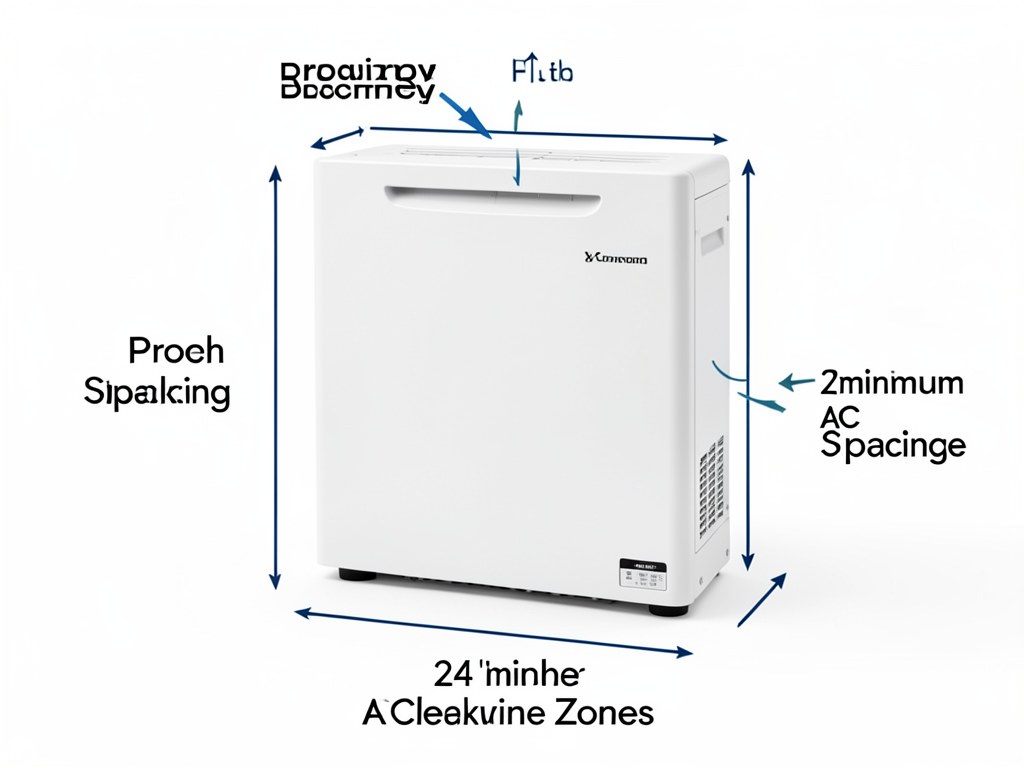
Image shows a technical diagram of proper AC clearance zones, with 24-inch minimum spacing marked around the unit and arrows indicating airflow patterns. Includes measurements for service access doors and refrigerant line clearance.
Hardscape options: fencing and privacy screens that work
When it comes to hiding your AC with hard materials, you have several options that can withstand Memphis’s humidity and heat. The key is choosing materials that won’t trap heat or block critical airflow.
Lattice fencing offers excellent airflow while providing visual screening. Western red cedar lattice resists rot and insects naturally, making it ideal for the Mid-South climate. Pressure-treated pine works too, but requires sealing every 2-3 years to prevent warping in our high humidity.
Vinyl privacy screens provide a maintenance-free option. Look for UV-resistant vinyl rated for outdoor use. These panels typically allow 40-60% airflow, which meets minimum requirements when combined with proper spacing.
Consider a three-sided screen rather than fully enclosing the unit. This approach maintains airflow while hiding the unit from view. Leave the service panel side completely open or use a hinged panel for technician access.
Metal screens can work if designed correctly. Perforated aluminum or powder-coated steel allows airflow while providing modern aesthetics. Avoid solid metal panels—they trap heat and can cause your unit to overheat on sunny days.
Material comparison for AC surrounds
| Material | Airflow Rating | Memphis Durability | Maintenance Level |
|---|---|---|---|
| Western Red Cedar Lattice | 75-85% | 8-10 years untreated | Moderate (seal every 2-3 years) |
| Pressure-Treated Pine | 60-70% | 5-7 years untreated | High (seal every 1-2 years) |
| UV-Resistant Vinyl | 40-60% | 15-20 years | Very Low |
| Perforated Aluminum | 50-70% | 20+ years | Very Low |
Living screens: plants that hide without harming
Plants offer natural beauty but require careful selection to avoid damaging your AC system. The goal is finding species that provide coverage without dropping excessive debris into the unit.
Boxwood shrubs make excellent AC surrounds. These evergreen plants grow slowly, require minimal pruning, and don’t shed leaves during cooling season. Green Velvet or Winter Gem boxwoods stay compact at 3-4 feet tall, perfect for screening without overwhelming the unit.
Dwarf Yaupon Holly provides another solid option. Native to the Southeast, these plants tolerate heat and humidity while maintaining their shape year-round. They grow to about 4 feet tall and produce minimal debris.
Ornamental grasses like Dwarf Maiden Grass or Blue Fescue add texture without creating maintenance headaches. These plants die back in winter but provide excellent summer coverage. Plant them 24-30 inches from the unit to maintain proper clearance.
Avoid these problematic plants near your AC:
- Pine trees (needle drop clogs fins)
- Crape myrtles (flower debris sticks to coils)
- Deciduous trees that drop leaves in fall
- Vines that climb and restrict airflow
Remember that plants grow. What looks perfectly spaced today can become a airflow problem in three years. Plan for mature sizes, not current sizes.
Memphis-friendly plants for AC surrounds
| Plant Type | Max Height | Debris Level | Memphis Hardiness |
|---|---|---|---|
| Green Velvet Boxwood | 4 feet | Very Low | Excellent |
| Dwarf Yaupon Holly | 4 feet | Low | Excellent |
| Dwarf Maiden Grass | 5 feet | Moderate | Good |
| Blue Fescue | 1 foot | Very Low | Excellent |
Creating removable access for service calls
Your beautiful screen means nothing if your HVAC technician can’t service the unit. Every enclosure design needs a service access point that meets National Electrical Code requirements.
The service panel—typically on the back or side of the unit—needs 30 inches of clearance in front for a technician to work safely. This means your screen can’t block this area completely. Consider these solutions:
Hinged panels work well for wooden screens. Use exterior-grade hinges and a simple latch system. The panel should swing open at least 90 degrees for full access. Make the panel slightly larger than the service area to account for any misalignment.
Removable lattice sections offer another option. Design the screen so individual lattice panels slide out or lift off completely. Number the panels for easy reassembly after service calls.
For plant-based screens, create a mulched path or stepping stones leading to the service panel. This gives technicians a clean, stable surface to work on while protecting your landscaping.
Consider installing a small gate or removable section on the control panel side. Most service calls involve checking electrical connections or replacing capacitors, which requires access to the control panel.
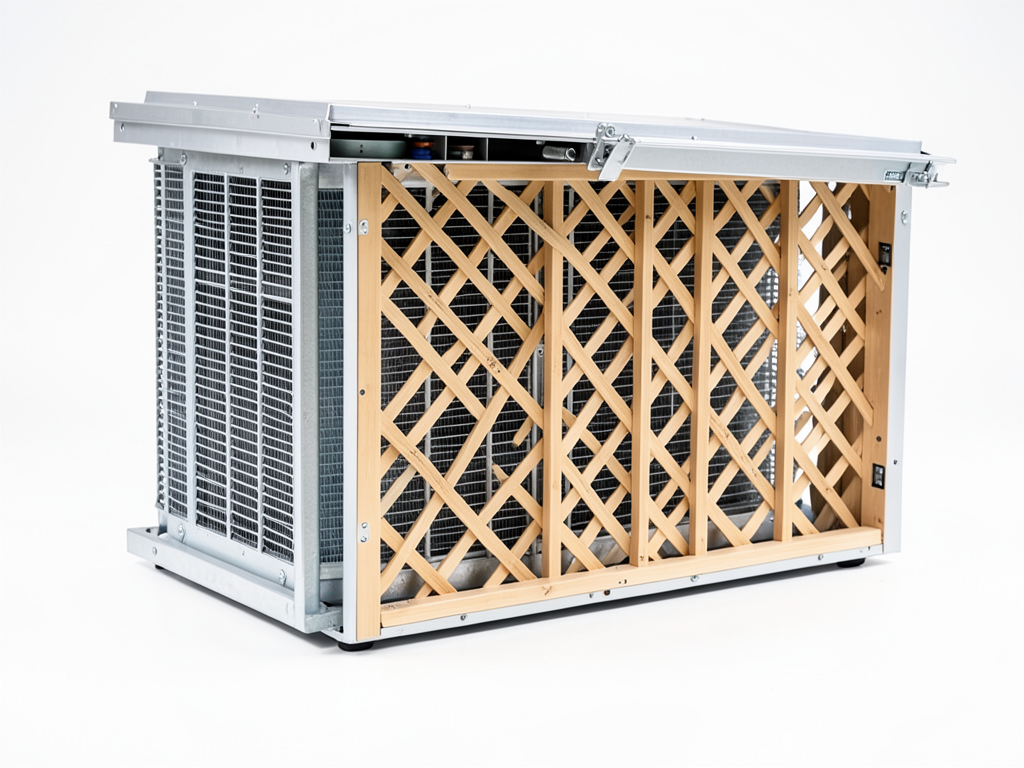
Photo shows a completed AC screen with a hinged access panel, demonstrating proper clearance for technician access. The screen uses cedar lattice with a removable section on the service panel side.
Memphis climate considerations for outdoor enclosures
Piperton’s location in the Memphis metropolitan area means your AC screen faces specific challenges. Our high humidity (often above 70% in summer) and intense UV exposure require materials that can withstand these conditions.
Wood in our climate needs extra protection. Even pressure-treated lumber can warp or rot within 5-7 years if not properly sealed. Apply a water-repellent sealer annually, focusing on end grains where moisture penetrates most easily.
Metal components should be powder-coated or galvanized. Standard steel will rust within a single summer in our humid conditions. Aluminum offers excellent corrosion resistance but costs more upfront.
Consider the heat island effect in your yard. Surfaces like concrete, brick, or dark-colored fences absorb heat and radiate it toward your AC unit. Light-colored or reflective materials help keep the area cooler, improving efficiency.
Memphis’s clay soil expands and contracts with moisture changes. This can cause fence posts to shift over time. Set posts in concrete below the frost line (typically 12-18 inches deep in our area) to prevent heaving and leaning.
Our frequent summer thunderstorms bring high winds that can topple poorly constructed screens. Use galvanized fasteners and cross-bracing for any screen over 4 feet tall. The last thing you want is your screen becoming a projectile during a summer squall.
Noise reduction benefits of proper screening
While hiding your AC is primarily about aesthetics, a well-designed screen can also reduce noise levels by 3-5 decibels. This might not seem like much, but the decibel scale is logarithmic—a 3 dB reduction cuts perceived noise by about 50%.
Solid barriers work better for noise reduction than open lattice. A combination approach often works best: solid panels on the sides facing living areas, with open lattice on the back for airflow.
Mass-loaded vinyl barriers can be installed inside wooden screens for additional sound dampening. These materials are used in recording studios and can reduce noise transmission significantly without blocking airflow completely.
Plant-based screens also help with noise. Dense evergreen shrubs like Arborvitae can reduce noise by 5-10 decibels when planted in a continuous row. However, they take 3-5 years to reach effective height and density.
Common mistakes to avoid
Many homeowners make these errors when trying to hide their AC units:
Completely enclosing the unit is the most common mistake. Even with ventilation holes, solid enclosures trap heat and reduce efficiency. Your AC needs to dissipate heat, not contain it.
Planting too close to the unit causes problems as plants grow. What looks good in year one can strangle your system in year three. Always plan for mature plant sizes.
Using the top of the unit for storage or planting creates serious airflow restrictions. The top grille needs completely unrestricted airflow to function properly.
Ignoring service access requirements leads to frustrated technicians and potential damage to your screen. A good screen should make service easier, not harder.
Choosing materials that can’t handle Memphis weather results in constant maintenance or early replacement. Our humidity, UV exposure, and temperature swings are brutal on outdoor structures. Professional Heat Pump Replacement Services in Bartlett.
Neglecting to check local HOA guidelines can lead to costly modifications. Many Piperton and Memphis-area HOAs have specific requirements for outdoor equipment screening.
DIY vs. professional installation considerations
Building your own AC screen can save money, but consider these factors before starting:
DIY projects require tools like post-hole diggers, levels, and power saws. If you don’t own these tools, rental costs can eat into your savings. A basic screen might require $100-200 in tool rentals.
Professional installation ensures proper footing depth and structural integrity. In our clay soil, improper post setting leads to leaning and eventual failure. A professional knows how deep to set posts for long-term stability.
Time investment matters. A simple screen might take a weekend for an experienced DIYer, but could stretch to several weekends for beginners. Consider your time value versus professional installation costs.. Read more about How much your Southaven home value increases after a full HVAC replacement.
Warranty considerations: Some manufacturers require professional installation of surrounding structures to maintain warranty coverage. Check your AC warranty before building anything.
Permitting requirements vary by municipality. Shelby County and many Memphis suburbs require permits for structures over 6 feet tall or attached to existing buildings. Check local requirements before starting.
Maintenance tips for long-lasting AC screens
Your AC screen needs regular maintenance to stay attractive and functional:
Wood screens require annual inspection for rot, warping, or loose fasteners. Replace damaged boards before they compromise the entire structure. Apply water-repellent sealer every 1-2 years, more frequently if you notice water absorption.
Vinyl and metal screens need cleaning twice yearly. Use mild soap and water to remove pollen, dirt, and mildew. Avoid pressure washing, which can damage surfaces and force water into joints.
Plant screens require seasonal pruning to maintain proper clearance. Check the 24-inch rule quarterly and trim back any encroaching growth. Remove fallen leaves and debris weekly during autumn.
Inspect hardware annually. Hinges, latches, and fasteners can rust or loosen over time. Replace corroded hardware with galvanized or stainless steel components.
Check for pest damage, especially from termites or carpenter bees. These insects love the protected spaces around AC units. Treat any infestations immediately to prevent structural damage.
Final thoughts on AC camouflage in Piperton
Creating an attractive screen for your outdoor AC unit is absolutely achievable in Piperton. The key is understanding that beauty and function must work together. A screen that looks great but restricts airflow will cost you more in energy bills and potentially shorten your system’s life.
Start with the technical requirements: 24 inches of clearance on all sides, unrestricted top airflow, and easy service access. Then layer on your aesthetic choices—whether that’s cedar lattice, vinyl panels, or carefully selected plants.
Remember that your AC system is a significant investment. Protecting that investment means ensuring proper airflow and maintenance access. A well-designed screen enhances your property value while keeping your system running efficiently through Memphis’s challenging climate.. Read more about Keeping your backyard home office or She-Shed comfortable in Lakeland all year long.
If you’re unsure about any aspect of your AC screening project, consult with a local HVAC professional. They can assess your specific unit, recommend appropriate clearance, and ensure your design won’t cause problems down the road.
Before and after photo showing a Piperton home with a newly installed AC screen. The before image shows the exposed unit, while the after image displays a professionally installed cedar lattice screen with proper clearance and service access.
Frequently Asked Questions
How much does it cost to build an AC screen?
DIY screens typically cost $150-400 depending on materials and size. Professional installation ranges from $500-1,200. Vinyl screens cost more upfront but require less maintenance over time.
Can I plant flowers around my AC unit?
Yes, but choose low-debris options like ornamental grasses or compact perennials. Keep all plants at least 24 inches from the unit and avoid anything that drops excessive leaves, flowers, or seeds.
Will screening my AC void the warranty?
Not if done correctly. Most manufacturers require 24-inch clearance and service access. Improper screening that restricts airflow or blocks service panels could void coverage. Always check your specific warranty terms.
How do I maintain my AC screen in Memphis humidity?
Wood screens need annual sealing and inspection for rot. Vinyl and metal require cleaning twice yearly. Check for pest damage and loose hardware annually. Trim any plants that encroach on the 24-inch clearance zone.
Can I use my AC top for planting or storage?
Never block the top of your AC unit. The top grille needs completely unrestricted airflow for proper operation. Placing anything on top can cause overheating and system damage.
Ready to improve your outdoor space?
Creating the perfect AC screen requires balancing aesthetics with technical requirements. If you’re unsure about clearance requirements or need professional advice on your specific setup, we’re here to help. Our team understands Memphis’s unique climate challenges and can ensure your screening project enhances both your home’s appearance and your AC system’s performance.
Call (901) 640-3999 today to schedule a consultation. We’ll assess your current setup, recommend appropriate screening options, and ensure your design meets all manufacturer requirements. Don’t let another summer go by with an eyesore in your yard—or worse, an inefficient AC system struggling to keep up with Memphis heat.
Pick up the phone and call (901) 640-3999 before the next heat wave hits. Your comfort—and your AC system—will thank you. For more information, visit EPA guidelines. For more information, visit ASHRAE standards.
{
“@context”: “https://schema.org”,
“@type”: “BlogPosting”,
“headline”: “How to hide your outdoor AC unit with fencing or plants at your Piperton home”,
“description”: “Discover safe ways to conceal your outdoor AC unit in Piperton with fencing and plants while maintaining proper airflow and easy service access.”,
“wordCount”: 2391,
“datePublished”: “2026-04-12T07:16:00.000Z”,
“dateModified”: “2026-04-12T07:16:00.000Z”,
“inLanguage”: “en-US”,
“mainEntityOfPage”: {
“@type”: “WebPage”,
“@id”: “https://ironwoodhvacmemphis.com”
},
“publisher”: {
“@type”: “LocalBusiness”,
“name”: “Ironwood HVAC Memphis”,
“url”: “https://ironwoodhvacmemphis.com”
},
“author”: {
“@type”: “Organization”,
“name”: “Ironwood HVAC Memphis”,
“url”: “https://ironwoodhvacmemphis.com”
},
“image”: {
“@type”: “ImageObject”,
“url”: “https://ironwoodhvacmemphis.com/wp-content/uploads/2026/03/how-to-hide-your-outdoor-ac-unit-with-fencing-or-p-1.png”
}
}
{
“@context”: “https://schema.org”,
“@type”: “HVACBusiness”,
“name”: “Ironwood HVAC Memphis”,
“url”: “https://ironwoodhvacmemphis.com”,
“address”: {
“@type”: “PostalAddress”,
“addressLocality”: “Memphis”
},
“areaServed”: {
“@type”: “City”,
“name”: “Memphis”
}
}
{
“@context”: “https://schema.org”,
“@type”: “FAQPage”,
“mainEntity”: [
{
“@type”: “Question”,
“name”: “How much does it cost to build an AC screen?”,
“acceptedAnswer”: {
“@type”: “Answer”,
“text”: “DIY screens typically cost $150-400 depending on materials and size. Professional installation ranges from $500-1,200. Vinyl screens cost more upfront but require less maintenance over time.”
}
},
{
“@type”: “Question”,
“name”: “Can I plant flowers around my AC unit?”,
“acceptedAnswer”: {
“@type”: “Answer”,
“text”: “Yes, but choose low-debris options like ornamental grasses or compact perennials. Keep all plants at least 24 inches from the unit and avoid anything that drops excessive leaves, flowers, or seeds.”
}
},
{
“@type”: “Question”,
“name”: “Will screening my AC void the warranty?”,
“acceptedAnswer”: {
“@type”: “Answer”,
“text”: “Not if done correctly. Most manufacturers require 24-inch clearance and service access. Improper screening that restricts airflow or blocks service panels could void coverage. Always check your specific warranty terms.”
}
},
{
“@type”: “Question”,
“name”: “How do I maintain my AC screen in Memphis humidity?”,
“acceptedAnswer”: {
“@type”: “Answer”,
“text”: “Wood screens need annual sealing and inspection for rot. Vinyl and metal require cleaning twice yearly. Check for pest damage and loose hardware annually. Trim any plants that encroach on the 24-inch clearance zone.”
}
},
{
“@type”: “Question”,
“name”: “Can I use my AC top for planting or storage?”,
“acceptedAnswer”: {
“@type”: “Answer”,
“text”: “Never block the top of your AC unit. The top grille needs completely unrestricted airflow for proper operation. Placing anything on top can cause overheating and system damage.”
}
},
{
“@type”: “Question”,
“name”: “Ready to improve your outdoor space?”,
“acceptedAnswer”: {
“@type”: “Answer”,
“text”: “Creating the perfect AC screen requires balancing aesthetics with technical requirements. If you’re unsure about clearance requirements or need professional advice on your specific setup, we’re here to help. Our team understands Memphis’s unique climate challenges and can ensure your screening project enhances both your home’s appearance and your AC system’s performance.”
}
}
]
}
{
“@context”: “https://schema.org”,
“@type”: “BreadcrumbList”,
“itemListElement”: [
{
“@type”: “ListItem”,
“position”: 1,
“name”: “Home”,
“item”: “https://ironwoodhvacmemphis.com”
},
{
“@type”: “ListItem”,
“position”: 2,
“name”: “Blog”,
“item”: “https://ironwoodhvacmemphis.com/blog”
},
{
“@type”: “ListItem”,
“position”: 3,
“name”: “How to hide your outdoor AC unit with fencing or plants at your Piperton home”
}
]
}
{
“@context”: “https://schema.org”,
“@type”: “Service”,
“serviceType”: “HVAC”,
“provider”: {
“@type”: “LocalBusiness”,
“name”: “Ironwood HVAC Memphis”,
“url”: “https://ironwoodhvacmemphis.com”
},
“areaServed”: {
“@type”: “City”,
“name”: “Memphis”
},
“description”: “Discover safe ways to conceal your outdoor AC unit in Piperton with fencing and plants while maintaining proper airflow and easy service access.”
}