Your furnace makes a clicking sound but never actually starts up. The house stays cold while the clicking continues. This is one of the most common heating problems we see in Olive Branch homes during winter months.
The clicking sound typically comes from the ignition system trying to start the heating cycle. When you hear this but feel no heat, something is preventing the furnace from completing its start-up sequence. The problem could be as simple as a dirty flame sensor or as complex as a failing control board.
Before you call for emergency service, there are a few quick checks you can do yourself. Make sure your thermostat is set to “heat” and the temperature is higher than the current room temperature. Check that your air filter isn’t completely clogged with dust. Look at your circuit breaker to see if the furnace switch has tripped. Reliable Emergency Furnace Repair for Families in Collierville.
If these basic checks don’t solve the problem, you’re dealing with a more serious issue that requires professional diagnosis. The clicking sound is your furnace’s way of saying “I’m trying to start, but something is stopping me.” Professional Heat Pump Replacement Services in Bartlett.
Common Causes of Furnace Clicking Without Starting
Understanding what’s causing that clicking sound helps you know when to call a professional. Here are the most frequent problems we find in Olive Branch homes.
Igniter Failure
The igniter is responsible for lighting the gas burners. When it fails, you’ll hear clicking as the control board tries to activate it, but no flame appears. Modern furnaces use either a hot surface igniter or a direct spark igniter. Both make clicking sounds when they fail.
A hot surface igniter looks like a small metal rod that glows red-hot when working correctly. Over time, these can crack or burn out from repeated heating cycles. The clicking you hear is the control board sending voltage to the igniter, but no glow means no ignition.
Flame Sensor Problems
The flame sensor is a thin metal rod that detects whether the burners have ignited. When it gets covered in carbon buildup or corrosion, it can’t sense the flame properly. The furnace will try to start, click several times, then shut down as a safety measure.
This is actually one of the most common issues we see in Olive Branch homes. The combination of high humidity and dust in the air creates perfect conditions for flame sensor buildup. A simple cleaning often solves the problem. Troubleshooting AC Issues.
Gas Valve Issues
The gas valve controls the flow of natural gas to your burners. When it fails, you might hear a single loud click as it tries to open, but no gas flows. This creates a clicking sound without any ignition attempt.
Gas valve problems are serious because they involve the gas supply line. If you smell gas along with the clicking, turn off your main gas valve immediately and call for emergency service.
Draft Inducer Motor Problems
The draft inducer motor clears combustion gases from the heat exchanger before each heating cycle. If this motor fails or its pressure switch malfunctions, the furnace won’t start. You might hear clicking from the motor or from the control board trying to activate it.
In older Olive Branch homes, draft inducer motors often fail due to dust buildup or bearing wear. The clicking sound in this case is usually accompanied by a humming noise from the motor trying to turn.
Control Board Failure
The control board is the brain of your furnace. When relays on the board fail, you might hear rapid clicking as different components try to activate. This is often accompanied by other symptoms like the blower running constantly or the furnace cycling on and off rapidly.
Control board failures are more common in older furnaces or those that have experienced power surges. The clicking sound is actually the sound of electrical relays trying to close but failing.
What Different Clicking Patterns Mean
The pattern of clicking can tell you a lot about what’s wrong with your furnace. Here’s what different sounds typically indicate.
| Clicking Pattern | Most Likely Cause | Urgency Level |
|---|---|---|
| Rapid clicking (3-5 clicks per second) | Igniter failure or flame sensor issues | Medium – Schedule within 24-48 hours |
| Single loud click, then silence | Gas valve failure or pressure switch issue | High – Need diagnosis today |
| Clicking that stops after 30-60 seconds | Control board safety lockout | Medium – System is protecting itself |
| Clicking with humming sound | Draft inducer motor bearing failure | Medium – Can worsen quickly |
Understanding these patterns helps you communicate better with your HVAC technician and understand the urgency of your situation.
Memphis-Specific Factors Affecting Your Furnace
Olive Branch and the greater Memphis area have unique climate and infrastructure conditions that affect furnace performance. Understanding these local factors can help prevent future problems.
Memphis experiences dramatic temperature swings, especially during winter months. One day might be 70 degrees, and the next could drop to 25 degrees. This puts extra stress on your furnace’s ignition system as it cycles on and off more frequently than in areas with more stable temperatures.
The high humidity in the Mid-South region also affects furnace components. Moisture in the air can cause corrosion on flame sensors and electrical contacts. This is why flame sensor cleaning is such a common repair in our area compared to drier climates.
Many homes in Olive Branch were built during rapid development periods when construction standards varied. Some older homes have undersized ductwork or inadequate return air systems, which can cause your furnace to work harder and experience more ignition failures.
MLGW (Memphis Light, Gas and Water) provides natural gas service to most of the area. Their infrastructure is generally reliable, but older gas lines in established neighborhoods can sometimes cause pressure fluctuations that affect furnace performance. MLGW (Memphis Light, Gas and Water).
When to Call for Professional Help
Some furnace problems require immediate professional attention. Here’s when you should stop troubleshooting and call for service.
If you smell gas along with the clicking sound, turn off your main gas valve immediately and call for emergency service. Gas leaks are dangerous and require immediate professional attention.
If the clicking continues for more than 60 seconds without the furnace starting, this indicates a serious problem. Modern furnaces have safety controls that should shut down the system after repeated failed ignition attempts.
If you’ve tried the basic troubleshooting steps (checking thermostat, filter, and breaker) and the furnace still won’t start, it’s time to call a professional. Continuing to run a malfunctioning furnace can cause further damage and leave you without heat when you need it most.
According to the National Fire Protection Association, heating equipment is involved in one in six home fires. A clicking furnace that won’t start could be a sign of a dangerous condition that needs professional evaluation. National Fire Protection Association.
DIY Troubleshooting Steps You Can Try Safely
While some furnace repairs require professional expertise, there are several safe troubleshooting steps you can take before calling for service.
- Check Thermostat Settings
Make sure your thermostat is set to “heat” mode and the temperature is set higher than the current room temperature. Sometimes thermostats get accidentally switched to “cool” or the batteries die.
- Inspect Air Filter
A completely clogged air filter can cause your furnace to shut down as a safety measure. Remove the filter and hold it up to a light. If you can’t see light through it, replace it with a new one.
- Check Circuit Breakers
Locate your furnace’s dedicated circuit breaker. If it’s tripped, reset it once. If it trips again immediately, don’t keep resetting it. This indicates an electrical problem that needs professional attention.
- Look for Error Codes
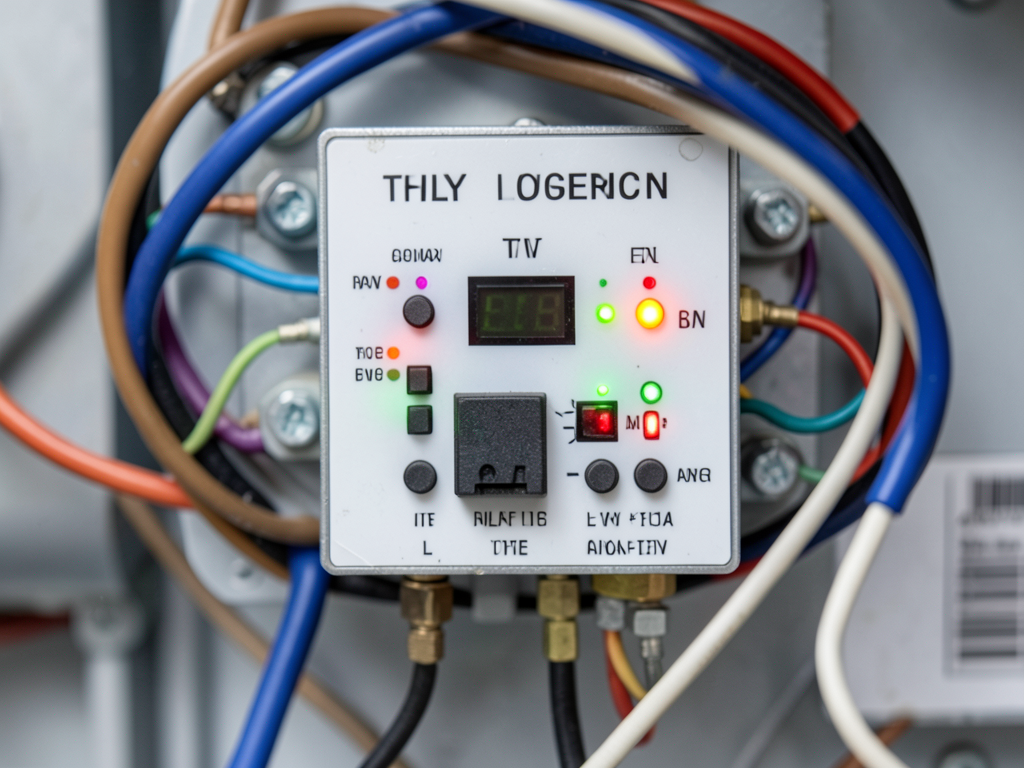
Many modern furnaces have LED lights that flash error codes when there’s a problem. Look through the small window on your furnace’s control panel for flashing lights and count the pattern.
- Inspect Vent Pipes
Check that the PVC vent pipes on the side of your home aren’t blocked by snow, ice, or debris. Blocked vents can cause pressure switch problems that prevent the furnace from starting.
Never attempt to clean or adjust the flame sensor yourself unless you’re experienced with furnace components. The igniter and gas valve are also best left to professionals due to safety concerns.
Preventing Future Furnace Problems
Regular maintenance can prevent many of the issues that cause clicking and failure to start. Here are key prevention steps for Olive Branch homeowners.
Schedule annual furnace maintenance before the heating season begins. A professional tune-up includes cleaning the flame sensor, checking the igniter, testing the gas valve, and inspecting all electrical connections. This preventive service can catch problems before they leave you without heat.
Replace your air filter every 1-3 months depending on your home’s dust levels and whether you have pets. A clean filter improves airflow and reduces strain on your furnace’s components.
Consider installing a surge protector for your HVAC system. Power fluctuations during Memphis thunderstorms can damage control boards and other sensitive electronic components.
If your home is in an area with hard water, consider having your furnace’s heat exchanger inspected for scale buildup. Scale can cause overheating and premature component failure.
Understanding Furnace Age and Replacement Timing
The age of your furnace affects the likelihood of clicking and starting problems. Most furnaces last 15-20 years with proper maintenance, but older units are more prone to ignition failures.
If your furnace is over 15 years old and experiencing frequent clicking or starting problems, it might be more cost-effective to replace it rather than continue repairing it. New furnaces are more efficient and have better safety features.
Watch for these signs that replacement might be needed: increasing frequency of repairs, rising energy bills, uneven heating throughout your home, and strange noises beyond just clicking.
Modern high-efficiency furnaces have diagnostic capabilities that make troubleshooting much easier. They can often tell you exactly what’s wrong through error codes or even smartphone apps.
Local Service Areas and Emergency Response
We serve Olive Branch and the entire Memphis metro area, including Bartlett, Germantown, Collierville, and surrounding communities. Our technicians are familiar with the specific furnace models and common problems in this region. How to Get Your Germantown AC Fixed Fast Without Overpaying.
Emergency service is available 24/7 for situations where you’re without heat during cold weather. We understand that a clicking furnace that won’t start is an emergency when temperatures drop below freezing.
Our service vehicles are stocked with common replacement parts, allowing us to complete most repairs on the first visit. This means you can get your heat back on quickly without waiting for parts to be ordered.
Safety Considerations for Gas Furnace Owners
Gas furnaces require special safety considerations. Always keep the area around your furnace clear of flammable materials and ensure proper ventilation.
Install carbon monoxide detectors near sleeping areas and on each level of your home. Carbon monoxide is odorless and colorless, but a malfunctioning furnace can produce dangerous levels.
If you suspect a gas leak, evacuate your home immediately and call MLGW or emergency services from a safe location. Don’t use any electrical devices or create any sparks that could ignite gas.
Regular maintenance by a qualified technician helps ensure your furnace operates safely and efficiently throughout the heating season.
Frequently Asked Questions
Why does my furnace click but the blower doesn’t run?
This usually indicates a problem with the control board or a safety switch that’s preventing the furnace from completing its start-up sequence. The clicking you hear is likely the control board trying to activate components, but a safety sensor is preventing operation.
How much does it cost to fix a clicking furnace?
Repair costs vary depending on the specific problem. Simple fixes like cleaning a flame sensor might cost $75-150, while replacing a control board could cost $300-600. We provide upfront pricing after diagnosing the exact issue.
Can I clean the flame sensor myself?
While it’s possible to clean a flame sensor yourself, we don’t recommend it unless you’re experienced with furnace components. The sensor is delicate and easily damaged, and improper cleaning can make the problem worse. Plus, there are safety risks involved with opening your furnace cabinet.
How long should I wait before calling for service?
If your furnace clicks for more than 60 seconds without starting, or if it’s cold in your home and the clicking continues, call for service right away. Don’t wait until evening or the next day if you’re without heat during freezing weather.
Will a dirty air filter cause clicking?
A severely clogged air filter can cause your furnace to shut down as a safety measure, which might result in clicking sounds. However, the clicking is usually a symptom of the furnace trying to start and failing due to restricted airflow.
Don’t let a clicking furnace leave you in the cold this winter. If your furnace won’t start after basic troubleshooting, call (901) 640-3999 today to schedule your inspection. Our experienced technicians will diagnose the problem quickly and get your heat working again.
Pick up the phone and call (901) 640-3999 before the next cold snap hits. We’re ready to help Olive Branch homeowners stay warm all winter long.
You may also find this helpful. How to decide between a Lennox and a Trane system for your East Memphis home.
{
“@context”: “https://schema.org”,
“@type”: “BlogPosting”,
“headline”: “Why your furnace keeps clicking but won’t start at your Olive Branch property”,
“description”: “Your Olive Branch furnace clicks but won’t start? Learn the common causes from a Memphis HVAC expert and when to call (901) 640-3999 for emergency service.”,
“wordCount”: 2204,
“datePublished”: “2026-04-06T10:02:00.000Z”,
“dateModified”: “2026-04-06T10:02:00.000Z”,
“inLanguage”: “en-US”,
“mainEntityOfPage”: {
“@type”: “WebPage”,
“@id”: “https://ironwoodhvacmemphis.com”
},
“publisher”: {
“@type”: “LocalBusiness”,
“name”: “Ironwood HVAC Memphis”,
“url”: “https://ironwoodhvacmemphis.com”
},
“author”: {
“@type”: “Organization”,
“name”: “Ironwood HVAC Memphis”,
“url”: “https://ironwoodhvacmemphis.com”
},
“image”: {
“@type”: “ImageObject”,
“url”: “https://ironwoodhvacmemphis.com/wp-content/uploads/2026/03/why-your-furnace-keeps-clicking-but-won-t-start-at-1.png”
}
}
{
“@context”: “https://schema.org”,
“@type”: “HVACBusiness”,
“name”: “Ironwood HVAC Memphis”,
“url”: “https://ironwoodhvacmemphis.com”,
“address”: {
“@type”: “PostalAddress”,
“addressLocality”: “Memphis”
},
“areaServed”: {
“@type”: “City”,
“name”: “Memphis”
}
}
{
“@context”: “https://schema.org”,
“@type”: “FAQPage”,
“mainEntity”: [
{
“@type”: “Question”,
“name”: “Why does my furnace click but the blower doesn’t run?”,
“acceptedAnswer”: {
“@type”: “Answer”,
“text”: “This usually indicates a problem with the control board or a safety switch that’s preventing the furnace from completing its start-up sequence. The clicking you hear is likely the control board trying to activate components, but a safety sensor is preventing operation.”
}
},
{
“@type”: “Question”,
“name”: “How much does it cost to fix a clicking furnace?”,
“acceptedAnswer”: {
“@type”: “Answer”,
“text”: “Repair costs vary depending on the specific problem. Simple fixes like cleaning a flame sensor might cost $75-150, while replacing a control board could cost $300-600. We provide upfront pricing after diagnosing the exact issue.”
}
},
{
“@type”: “Question”,
“name”: “Can I clean the flame sensor myself?”,
“acceptedAnswer”: {
“@type”: “Answer”,
“text”: “While it’s possible to clean a flame sensor yourself, we don’t recommend it unless you’re experienced with furnace components. The sensor is delicate and easily damaged, and improper cleaning can make the problem worse. Plus, there are safety risks involved with opening your furnace cabinet.”
}
},
{
“@type”: “Question”,
“name”: “How long should I wait before calling for service?”,
“acceptedAnswer”: {
“@type”: “Answer”,
“text”: “If your furnace clicks for more than 60 seconds without starting, or if it’s cold in your home and the clicking continues, call for service right away. Don’t wait until evening or the next day if you’re without heat during freezing weather.”
}
},
{
“@type”: “Question”,
“name”: “Will a dirty air filter cause clicking?”,
“acceptedAnswer”: {
“@type”: “Answer”,
“text”: “A severely clogged air filter can cause your furnace to shut down as a safety measure, which might result in clicking sounds. However, the clicking is usually a symptom of the furnace trying to start and failing due to restricted airflow.”
}
}
]
}
{
“@context”: “https://schema.org”,
“@type”: “HowTo”,
“name”: “Furnace Troubleshooting Steps”,
“step”: [
{
“@type”: “HowToStep”,
“position”: 1,
“name”: “Check Thermostat Settings”,
“text”: “Make sure your thermostat is set to \”heat\” mode and the temperature is set higher than the current room temperature. Sometimes thermostats get accidentally switched to \”cool\” or the batteries die.”
},
{
“@type”: “HowToStep”,
“position”: 2,
“name”: “Inspect Air Filter”,
“text”: “A completely clogged air filter can cause your furnace to shut down as a safety measure. Remove the filter and hold it up to a light. If you can’t see light through it, replace it with a new one.”
},
{
“@type”: “HowToStep”,
“position”: 3,
“name”: “Check Circuit Breakers”,
“text”: “Locate your furnace’s dedicated circuit breaker. If it’s tripped, reset it once. If it trips again immediately, don’t keep resetting it. This indicates an electrical problem that needs professional attention.”
},
{
“@type”: “HowToStep”,
“position”: 4,
“name”: “Look for Error Codes”,
“text”: “Many modern furnaces have LED lights that flash error codes when there’s a problem. Look through the small window on your furnace’s control panel for flashing lights and count the pattern.”
},
{
“@type”: “HowToStep”,
“position”: 5,
“name”: “Inspect Vent Pipes”,
“text”: “Check that the PVC vent pipes on the side of your home aren’t blocked by snow, ice, or debris. Blocked vents can cause pressure switch problems that prevent the furnace from starting.”
}
],
“image”: “https://ironwoodhvacmemphis.com/wp-content/uploads/2026/03/why-your-furnace-keeps-clicking-but-won-t-start-at-1.png”
}
{
“@context”: “https://schema.org”,
“@type”: “BreadcrumbList”,
“itemListElement”: [
{
“@type”: “ListItem”,
“position”: 1,
“name”: “Home”,
“item”: “https://ironwoodhvacmemphis.com”
},
{
“@type”: “ListItem”,
“position”: 2,
“name”: “Blog”,
“item”: “https://ironwoodhvacmemphis.com/blog”
},
{
“@type”: “ListItem”,
“position”: 3,
“name”: “Why your furnace keeps clicking but won’t start at your Olive Branch property”
}
]
}
{
“@context”: “https://schema.org”,
“@type”: “Service”,
“serviceType”: “HVAC”,
“provider”: {
“@type”: “LocalBusiness”,
“name”: “Ironwood HVAC Memphis”,
“url”: “https://ironwoodhvacmemphis.com”
},
“areaServed”: {
“@type”: “City”,
“name”: “Memphis”
},
“description”: “Your Olive Branch furnace clicks but won’t start? Learn the common causes from a Memphis HVAC expert and when to call (901) 640-3999 for emergency service.”
}