Preparing Your HVAC System for the Memphis Summer Heat
Memphis summers bring relentless heat and humidity that push HVAC systems to their limits. With temperatures regularly climbing above 90 degrees and humidity levels hovering near 70%, your air conditioning system works overtime to keep your home comfortable. Without proper preparation, you risk unexpected breakdowns, skyrocketing energy bills, and indoor air quality issues when you need cooling the most. EPA Indoor Air Quality Guidelines.
The Mid-South climate creates unique challenges for HVAC equipment. High humidity forces systems to remove excess moisture while cooling, reducing efficiency and increasing wear on components. Memphis’s clay soil can shift outdoor units out of alignment, while the region’s high pollen counts clog filters faster than in drier climates. These factors combine to create a perfect storm of potential HVAC failures if your system isn’t properly maintained.
Professional maintenance before summer hits can prevent 80% of common AC failures. A comprehensive tune-up identifies worn parts, cleans critical components, and ensures your system operates at peak efficiency. This proactive approach not only prevents breakdowns but also extends equipment life and reduces energy consumption during the hottest months. Professional Heat Pump Replacement Services in Bartlett.
Memphis Climate Challenges That Stress Your AC System
Memphis’s location in the Mississippi River Valley creates specific HVAC stress factors that homeowners in other regions rarely face. The combination of high humidity and extreme temperatures forces air conditioning systems to work twice as hard as they would in drier climates.
Humidity levels in Memphis routinely exceed 70% during summer months, creating a phenomenon HVAC technicians call the “latent heat load.” Your AC must remove this excess moisture before it can effectively cool your home. This process, called dehumidification, accounts for up to 30% of your system’s energy consumption during peak summer months.
The region’s clay soil presents another challenge. Memphis sits on a foundation of heavy clay that expands when wet and contracts during dry periods. This constant movement can shift outdoor condenser units, causing refrigerant line stress, electrical connection issues, and reduced efficiency. Many Memphis homeowners don’t realize their AC problems stem from a slightly tilted outdoor unit rather than equipment failure. Troubleshooting AC Issues.
Pollen counts in the Mid-South rank among the highest in the nation, particularly during spring and early summer. This airborne debris quickly clogs air filters, reducing airflow and forcing your system to work harder. Memphis residents typically need to replace filters every 30-45 days during peak seasons, compared to 90 days in many other regions.
Essential Pre-Summer HVAC Maintenance Checklist
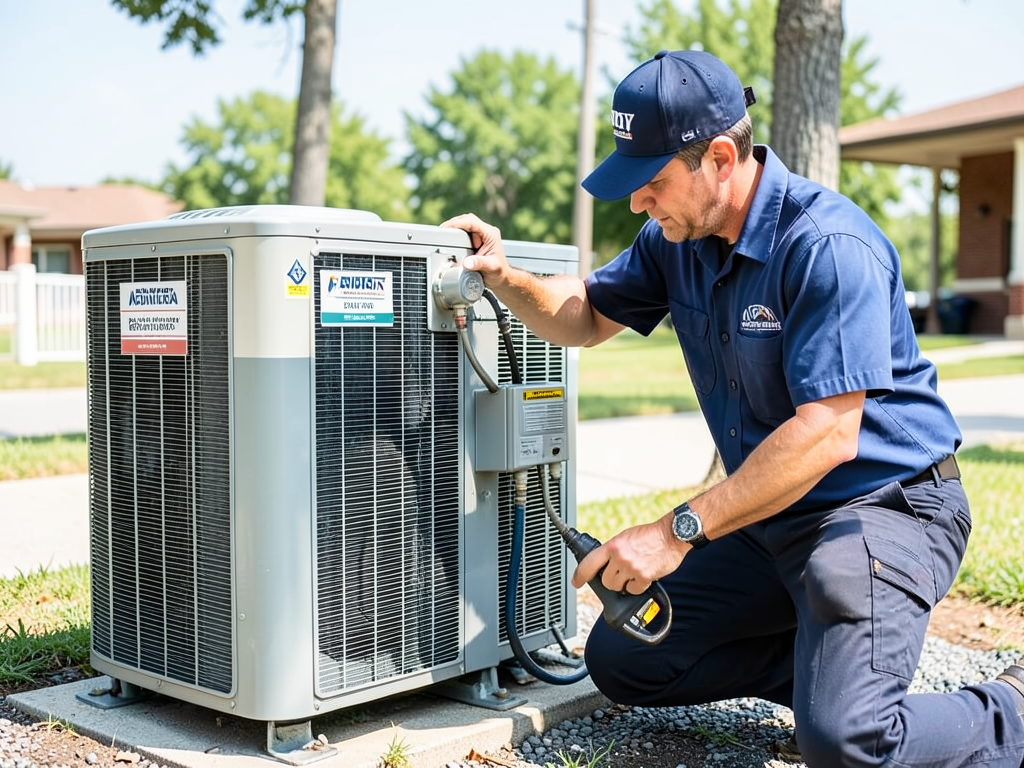
Professional maintenance before summer arrives can prevent most common AC failures. Here’s what a comprehensive tune-up should include:
- Refrigerant Level Check
Technicians measure refrigerant pressure and temperature to ensure proper charge. Low refrigerant indicates leaks that reduce efficiency by up to 20% and can damage compressors.
- Coil Cleaning
Both evaporator and condenser coils accumulate dirt and debris. Clean coils improve heat transfer efficiency by 15-30%, directly reducing energy costs.
- Electrical Connection Inspection
Technicians tighten connections and check for corrosion. Loose connections cause 30% of AC failures and create fire hazards.
- Condensate Drain Cleaning
Clogged drains cause water damage and create mold growth conditions. Memphis’s high humidity makes this especially critical.
- Thermostat Calibration
Accurate temperature readings prevent short cycling and ensure consistent comfort. Many older thermostats lose calibration over time.
- Fan Motor and Belt Inspection
Worn bearings or loose belts reduce airflow and increase energy consumption. Memphis heat accelerates wear on these components.
- Air Filter Assessment
Technicians check filter condition and recommend appropriate MERV ratings for Memphis’s high pollen environment.
During maintenance visits, technicians also look for warning signs of impending failure. Unusual noises, strange odors, or inconsistent cooling often indicate problems that worsen quickly under summer stress. Catching these issues early prevents emergency service calls during heat waves when repair companies are busiest. Reliable Emergency Furnace Repair for Families in Collierville.
Energy Efficiency Strategies for Memphis Summers
Memphis residents spend an average of $350-450 monthly on cooling during peak summer months. Implementing efficiency strategies can reduce these costs by 15-25% while improving comfort.
Programmable thermostats offer significant savings by automatically adjusting temperatures when you’re asleep or away. Setting your thermostat 7-10 degrees higher for 8 hours daily can reduce cooling costs by up to 10%. Smart thermostats learn your schedule and optimize settings automatically, providing convenience along with savings.
Sealing ductwork prevents cooled air from escaping into attics or crawl spaces. In Memphis’s humid climate, leaky ducts can waste 20-30% of cooled air, forcing your system to run longer. Professional duct sealing typically pays for itself within one cooling season through energy savings.
Proper attic insulation becomes crucial in Memphis’s climate. Heat radiating through the roof can raise attic temperatures to 150 degrees or higher, forcing your AC to work overtime. Adding R-38 insulation in attics reduces cooling loads by 15-20% in Mid-South homes.
Window treatments provide another efficiency opportunity. Solar heat gain through windows accounts for up to 30% of cooling loads in Memphis homes. Reflective window films, thermal curtains, or exterior shading can significantly reduce this heat gain without sacrificing natural light.
Common Memphis HVAC Problems and Solutions
Memphis homeowners face several recurring HVAC issues unique to the region’s climate and soil conditions. Understanding these problems helps you identify when professional service is needed.
Refrigerant leaks occur frequently in Memphis due to the region’s soil movement. Clay soil expansion and contraction puts stress on refrigerant lines, causing microscopic cracks that grow over time. Symptoms include reduced cooling capacity, longer run times, and ice formation on evaporator coils. EPA regulations require certified technicians to handle refrigerant, making DIY repairs impossible.
Condensate drain clogs represent another Memphis-specific issue. The region’s high humidity creates more condensation than drier climates, while Memphis’s pollen and dust quickly accumulate in drain lines. Standing water in drain pans breeds bacteria and mold, creating health hazards and potential water damage. Annual drain cleaning prevents these problems.
Capacitor failures increase during Memphis summers due to the combination of heat and humidity. Capacitors store electrical energy for compressor and fan motor startup. High temperatures and moisture exposure cause capacitors to swell and fail, typically after 5-7 years of service. Failed capacitors prevent AC units from starting, creating emergency situations during heat waves.
Compressor overheating affects Memphis AC systems more than in cooler climates. Compressors generate significant heat during operation, and Memphis’s high ambient temperatures make heat dissipation more difficult. Symptoms include short cycling, reduced cooling, and eventual compressor failure. Proper refrigerant charge and clean coils prevent most overheating issues.
DIY Maintenance Tasks Between Professional Visits
While professional maintenance remains essential, several tasks homeowners can perform help maintain system efficiency between service visits.
Monthly air filter replacement stands as the most important DIY task. Memphis’s high pollen counts and humidity cause filters to clog faster than in other regions. Set calendar reminders to check filters every 30 days, replacing them when visibly dirty. This simple step can reduce energy consumption by 5-15%.
Outdoor unit maintenance prevents many common problems. Keep a 2-foot clearance around your condenser by trimming vegetation and removing debris. Gently rinse the unit with a garden hose (never a pressure washer) to remove dirt and pollen buildup. This improves airflow and heat transfer efficiency.
Checking thermostat batteries prevents unexpected failures. Many programmable thermostats use batteries that last 1-2 years. Weak batteries cause erratic behavior or complete failure, leaving you without cooling during critical times. Replace batteries annually as a preventive measure.
Monitoring system performance helps identify problems early. Listen for unusual noises during operation, check for consistent airflow from vents, and note any changes in cooling effectiveness. Early detection often prevents minor issues from becoming major repairs.
Memphis HVAC Maintenance Plans and Cost Considerations
Regular maintenance represents a small investment compared to emergency repairs or premature system replacement. Memphis homeowners typically spend $150-300 annually on professional maintenance, while emergency repairs during summer heat waves often cost $300-800 or more.
Maintenance plans offer the best value for Memphis residents. These agreements typically include two annual visits (spring and fall), priority scheduling, and repair discounts. Many plans cost $200-400 annually but provide 10-15% discounts on repairs and eliminate emergency service fees.
The age of your system affects maintenance needs. Systems under 5 years typically require basic maintenance, while units 10+ years old benefit from more comprehensive inspections. Older systems in Memphis’s climate often develop specific failure patterns that experienced technicians can anticipate and prevent.
Energy savings from proper maintenance often offset the service cost within one or two cooling seasons. A well-maintained system operates 15-20% more efficiently than a neglected one, directly reducing monthly utility bills during Memphis’s long cooling season.
When to Call for Professional Service
Certain symptoms indicate immediate need for professional HVAC service. Ignoring these warning signs often leads to more expensive repairs or complete system failure.
Warm air from vents when the AC runs indicates refrigerant problems, compressor failure, or airflow restrictions. These issues worsen quickly in Memphis heat and typically require professional diagnosis and repair.
Unusual noises from your outdoor unit signal mechanical problems. Grinding sounds suggest failing bearings, while clicking noises often indicate electrical issues. These problems typically worsen rapidly and can cause complete system failure if ignored.
Water pooling around your indoor unit indicates condensate drain problems or refrigerant issues. In Memphis’s humid climate, even small leaks can cause significant water damage and mold growth within days.
Short cycling (system turning on and off frequently) indicates control problems, refrigerant issues, or oversized equipment. This behavior increases energy consumption and accelerates component wear, leading to premature failure.
Ice formation on refrigerant lines or evaporator coils indicates airflow restrictions or refrigerant problems. Running a system with ice formation can destroy the compressor within hours, creating a very expensive repair situation.
Memphis-Specific HVAC Considerations
Memphis’s unique characteristics require specific HVAC approaches that differ from other regions. Understanding these factors helps you make informed decisions about equipment selection and maintenance.
The region’s high humidity makes proper system sizing critical. Oversized air conditioners cool spaces quickly but don’t run long enough to remove adequate moisture. This creates cold, clammy conditions that feel uncomfortable and promote mold growth. Proper Manual J calculations account for Memphis’s latent heat load.. Read more about What to Do When Your Air Conditioner Starts Freezing Up in Mud Island.
Memphis’s building codes require specific considerations for HVAC installation. Shelby County mandates proper permit acquisition and inspections for all new HVAC work. These requirements ensure systems meet efficiency standards and operate safely in the region’s challenging climate.
The Mississippi River Valley’s air quality affects HVAC equipment differently than inland areas. Memphis’s proximity to agricultural areas means higher dust and pollen levels, requiring more frequent filter changes and coil cleaning. Systems in Memphis typically need twice the maintenance of identical units in drier climates.
Power quality in Memphis creates additional HVAC challenges. Summer thunderstorms and occasional grid fluctuations can damage sensitive electronic controls. Surge protection for HVAC systems prevents costly control board failures during electrical storms common to the region.
Emergency HVAC Services in Memphis
Despite best maintenance practices, HVAC emergencies still occur, particularly during Memphis’s extreme weather events. Understanding emergency service options helps you respond effectively when problems arise.
24/7 emergency HVAC service becomes essential during Memphis summers. Heat indexes above 100 degrees create dangerous conditions for vulnerable populations within hours of AC failure. Emergency service typically costs 1.5-2 times standard rates but provides critical response when temperatures threaten health and safety.
Common emergency scenarios include complete system failure during heat waves, refrigerant leaks that prevent cooling, and electrical failures that create safety hazards. These situations require immediate professional attention to prevent property damage and ensure occupant safety.
Emergency service availability varies significantly among HVAC contractors. Companies with dedicated on-call technicians provide faster response times than those using on-call staff from multiple locations. Response times of 2-4 hours represent industry standards for true emergency service. The Best Way to Find a Reliable HVAC Contractor in Arlington.
Many Memphis homeowners benefit from emergency service agreements that guarantee response times and provide priority scheduling. These agreements typically cost $100-200 annually but eliminate the premium charges associated with true emergency calls.
Indoor Air Quality Considerations for Memphis Homes
Memphis’s high humidity and pollen counts create specific indoor air quality challenges that affect HVAC system performance and occupant health. Addressing these issues improves comfort while reducing system strain.
Humidity control becomes critical in Memphis homes. Relative humidity above 60% promotes mold growth, dust mite proliferation, and creates uncomfortable “cold but clammy” conditions. Many Memphis homeowners benefit from whole-house dehumidifiers that work alongside their air conditioning to maintain optimal 45-55% humidity levels.
Air purification systems address Memphis’s high pollen and mold spore counts. HEPA filtration removes 99.97% of airborne particles, while UV light systems kill bacteria and mold that thrive in Memphis’s humid conditions. These systems protect both occupant health and HVAC equipment from contamination.
Ventilation becomes important in tightly sealed modern homes. Energy recovery ventilators (ERVs) exchange stale indoor air with fresh outdoor air while transferring heat and moisture, maintaining efficiency while improving air quality. This becomes especially important during Memphis’s shoulder seasons when neither heating nor cooling dominates.
Carbon monoxide detection remains essential for homes with gas appliances. Memphis’s older housing stock often contains aging gas furnaces and water heaters that can develop dangerous leaks. Combination CO/smoke detectors provide critical safety protection for all homes.
Preparing for Memphis’s Shoulder Seasons
Memphis experiences dramatic temperature swings during spring and fall, creating unique HVAC challenges. These “shoulder seasons” often require both heating and cooling within the same week, stressing systems and confusing homeowners about proper operation.
Spring preparation focuses on AC readiness. This includes cleaning outdoor units of winter debris, checking refrigerant levels after winter contraction, and ensuring condensate drains function properly before heavy summer use begins. Spring maintenance prevents the rush of emergency calls when first heat waves arrive.
Fall preparation addresses heating system needs. Memphis experiences occasional cold snaps requiring heating, even after summer AC use. Furnace inspections, filter changes, and safety checks prevent emergency heating calls during unexpected cold periods.
Thermostat programming becomes more complex during shoulder seasons. Smart thermostats that automatically switch between heating and cooling based on outdoor temperatures eliminate manual adjustments and ensure optimal comfort during unpredictable weather patterns.
Maintenance scheduling during shoulder seasons offers advantages. HVAC companies typically have more availability during these periods, allowing for convenient scheduling and thorough service without the pressure of extreme weather emergencies.
Frequently Asked Questions
How often should I replace my HVAC filter in Memphis?
Memphis residents should check filters monthly and replace them every 30-45 days during peak cooling season. The region’s high pollen counts and humidity cause filters to clog faster than in many other areas.
What’s the ideal thermostat setting for Memphis summers?
Set your thermostat to 78 degrees when home and active, 80-82 degrees when away or sleeping. Each degree above 72 saves approximately 3-5% on cooling costs.
How long should my AC run during a typical Memphis summer day?
A properly sized system should run 15-20 minutes per cycle, with 2-3 cycles per hour during peak afternoon heat. Continuous operation or very short cycles indicate problems requiring professional attention.
Is a maintenance agreement worth the cost in Memphis?
Yes. Memphis’s extreme climate makes maintenance agreements particularly valuable. The priority service, repair discounts, and preventive care typically pay for themselves through avoided emergency repairs and improved efficiency.
When should I consider replacing rather than repairing my AC?
Consider replacement if your system is over 10-12 years old, requires frequent repairs, or shows significant efficiency decline. Modern high-efficiency units can reduce cooling costs by 30-50% compared to older equipment.
Conclusion
Memphis’s unique climate demands specific HVAC preparation and maintenance approaches that differ from other regions. The combination of extreme heat, high humidity, and abundant airborne debris creates conditions that stress cooling systems year-round. Professional maintenance, proper system sizing, and attention to indoor air quality help Memphis homeowners maintain comfort while controlling energy costs.
Don’t wait until the first heat wave to discover your AC isn’t ready for Memphis summer. Call (901) 640-3999 today to schedule your pre-season maintenance and ensure your system operates reliably when you need it most. Our experienced technicians understand the specific challenges of Mid-South HVAC systems and provide the thorough service that prevents summer breakdowns.
Pick up the phone and call (901) 640-3999 before the next storm hits. Your comfort and safety during Memphis’s extreme weather depend on a properly maintained HVAC system. We’re here to help you prepare for whatever summer throws your way. For more information, visit Department of Energy Cooling Efficiency Tips.
{
“@context”: “https://schema.org”,
“@type”: “BlogPosting”,
“headline”: “Preparing Your HVAC System for the Memphis Summer Heat”,
“description”: “Get your Memphis HVAC ready for summer with expert tips on maintenance, efficiency, and avoiding breakdowns during peak heat. Call (901) 640-3999 for service.”,
“wordCount”: 2749,
“datePublished”: “2026-03-01T07:33:00.000Z”,
“dateModified”: “2026-03-01T07:33:00.000Z”,
“inLanguage”: “en-US”,
“mainEntityOfPage”: {
“@type”: “WebPage”,
“@id”: “https://ironwoodhvacmemphis.com”
},
“publisher”: {
“@type”: “LocalBusiness”,
“name”: “Ironwood HVAC Memphis”,
“url”: “https://ironwoodhvacmemphis.com”
},
“author”: {
“@type”: “Organization”,
“name”: “Ironwood HVAC Memphis”,
“url”: “https://ironwoodhvacmemphis.com”
},
“image”: {
“@type”: “ImageObject”,
“url”: “https://ironwoodhvacmemphis.com/wp-content/uploads/2026/03/preparing-your-hvac-system-for-the-memphis-summer-1.png”
}
}
{
“@context”: “https://schema.org”,
“@type”: “HVACBusiness”,
“name”: “Ironwood HVAC Memphis”,
“url”: “https://ironwoodhvacmemphis.com”,
“address”: {
“@type”: “PostalAddress”,
“addressLocality”: “Memphis”
},
“areaServed”: {
“@type”: “City”,
“name”: “Memphis”
}
}
{
“@context”: “https://schema.org”,
“@type”: “FAQPage”,
“mainEntity”: [
{
“@type”: “Question”,
“name”: “How often should I replace my HVAC filter in Memphis?”,
“acceptedAnswer”: {
“@type”: “Answer”,
“text”: “Memphis residents should check filters monthly and replace them every 30-45 days during peak cooling season. The region’s high pollen counts and humidity cause filters to clog faster than in many other areas.”
}
},
{
“@type”: “Question”,
“name”: “What’s the ideal thermostat setting for Memphis summers?”,
“acceptedAnswer”: {
“@type”: “Answer”,
“text”: “Set your thermostat to 78 degrees when home and active, 80-82 degrees when away or sleeping. Each degree above 72 saves approximately 3-5% on cooling costs.”
}
},
{
“@type”: “Question”,
“name”: “How long should my AC run during a typical Memphis summer day?”,
“acceptedAnswer”: {
“@type”: “Answer”,
“text”: “A properly sized system should run 15-20 minutes per cycle, with 2-3 cycles per hour during peak afternoon heat. Continuous operation or very short cycles indicate problems requiring professional attention.”
}
},
{
“@type”: “Question”,
“name”: “Is a maintenance agreement worth the cost in Memphis?”,
“acceptedAnswer”: {
“@type”: “Answer”,
“text”: “Yes. Memphis’s extreme climate makes maintenance agreements particularly valuable. The priority service, repair discounts, and preventive care typically pay for themselves through avoided emergency repairs and improved efficiency.”
}
},
{
“@type”: “Question”,
“name”: “When should I consider replacing rather than repairing my AC?”,
“acceptedAnswer”: {
“@type”: “Answer”,
“text”: “Consider replacement if your system is over 10-12 years old, requires frequent repairs, or shows significant efficiency decline. Modern high-efficiency units can reduce cooling costs by 30-50% compared to older equipment.”
}
}
]
}
{
“@context”: “https://schema.org”,
“@type”: “HowTo”,
“name”: “Summer HVAC Maintenance Steps”,
“step”: [
{
“@type”: “HowToStep”,
“position”: 1,
“name”: “Refrigerant Level Check”,
“text”: “Technicians measure refrigerant pressure and temperature to ensure proper charge. Low refrigerant indicates leaks that reduce efficiency by up to 20% and can damage compressors.”
},
{
“@type”: “HowToStep”,
“position”: 2,
“name”: “Coil Cleaning”,
“text”: “Both evaporator and condenser coils accumulate dirt and debris. Clean coils improve heat transfer efficiency by 15-30%, directly reducing energy costs.”
},
{
“@type”: “HowToStep”,
“position”: 3,
“name”: “Electrical Connection Inspection”,
“text”: “Technicians tighten connections and check for corrosion. Loose connections cause 30% of AC failures and create fire hazards.”
},
{
“@type”: “HowToStep”,
“position”: 4,
“name”: “Condensate Drain Cleaning”,
“text”: “Clogged drains cause water damage and create mold growth conditions. Memphis’s high humidity makes this especially critical.”
},
{
“@type”: “HowToStep”,
“position”: 5,
“name”: “Thermostat Calibration”,
“text”: “Accurate temperature readings prevent short cycling and ensure consistent comfort. Many older thermostats lose calibration over time.”
},
{
“@type”: “HowToStep”,
“position”: 6,
“name”: “Fan Motor and Belt Inspection”,
“text”: “Worn bearings or loose belts reduce airflow and increase energy consumption. Memphis heat accelerates wear on these components.”
},
{
“@type”: “HowToStep”,
“position”: 7,
“name”: “Air Filter Assessment”,
“text”: “Technicians check filter condition and recommend appropriate MERV ratings for Memphis’s high pollen environment.”
}
],
“image”: “https://ironwoodhvacmemphis.com/wp-content/uploads/2026/03/preparing-your-hvac-system-for-the-memphis-summer-1.png”
}
{
“@context”: “https://schema.org”,
“@type”: “BreadcrumbList”,
“itemListElement”: [
{
“@type”: “ListItem”,
“position”: 1,
“name”: “Home”,
“item”: “https://ironwoodhvacmemphis.com”
},
{
“@type”: “ListItem”,
“position”: 2,
“name”: “Blog”,
“item”: “https://ironwoodhvacmemphis.com/blog”
},
{
“@type”: “ListItem”,
“position”: 3,
“name”: “Preparing Your HVAC System for the Memphis Summer Heat”
}
]
}
{
“@context”: “https://schema.org”,
“@type”: “Service”,
“serviceType”: “HVAC”,
“provider”: {
“@type”: “LocalBusiness”,
“name”: “Ironwood HVAC Memphis”,
“url”: “https://ironwoodhvacmemphis.com”
},
“areaServed”: {
“@type”: “City”,
“name”: “Memphis”
},
“description”: “Get your Memphis HVAC ready for summer with expert tips on maintenance, efficiency, and avoiding breakdowns during peak heat. Call (901) 640-3999 for service.”
}