
Choosing the Right Size AC Unit for Your New Build in Oakland Tennessee
Building a new home in Oakland Tennessee means making dozens of critical decisions, but few impact your comfort and energy bills more than selecting the right air conditioning system. The Mid-South climate throws everything at your HVAC equipment—from 95% humidity in July to sudden January ice storms—and getting the sizing wrong means either sweating through summer or paying for wasted capacity. At Ironwood HVAC, we’ve installed hundreds of systems in Fayette County’s new construction developments, and we know that proper sizing isn’t about picking the biggest unit available. It’s about precision engineering your home’s cooling needs from the ground up. HVAC Oakland.
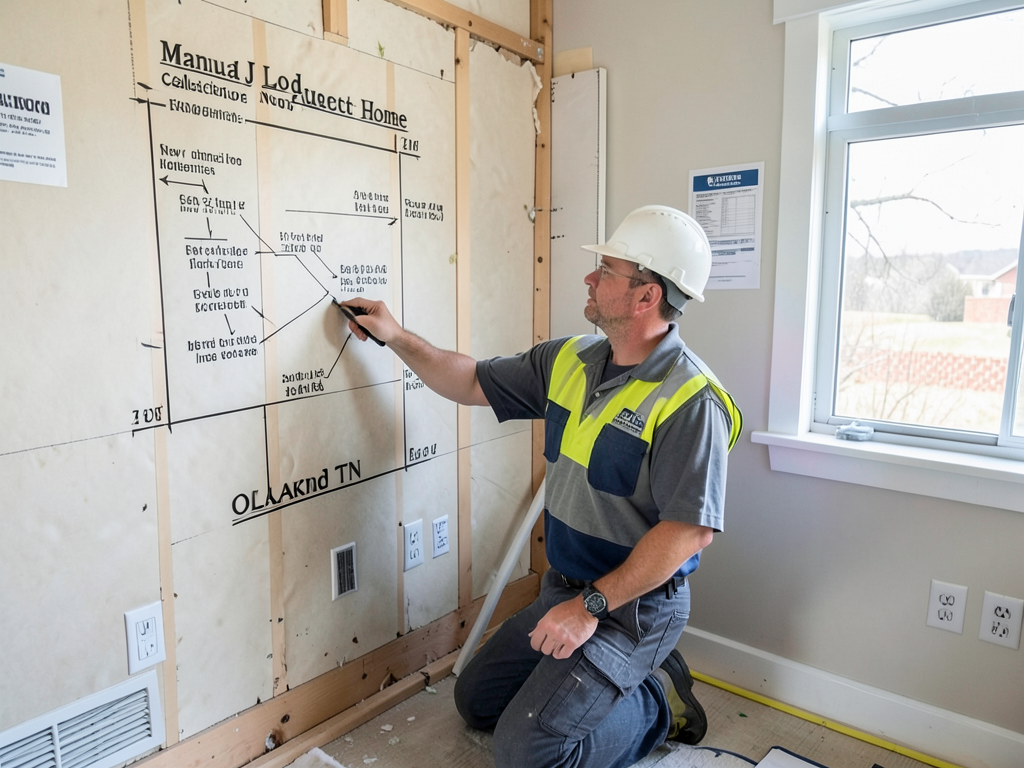
Before any equipment gets installed, we start with a Manual J load calculation—the industry standard that determines exactly how many BTUs your home needs to stay comfortable. This isn’t a guess based on square footage. It accounts for your home’s orientation, window placement, insulation levels, ceiling heights, and even the number of occupants. In Oakland’s newer developments like Fairways and Hidden Springs, we’re seeing more open-concept designs with large windows that face west, which dramatically increases cooling loads. The calculation also factors in local conditions like the area’s high dew points, which force your AC to work harder to remove moisture from the air.
The Manual J process takes about two hours on-site and involves measuring every room, checking insulation R-values, and evaluating your home’s thermal envelope. We use specialized software that references local weather data from the National Weather Service’s Memphis station, ensuring your system can handle those 95-degree days with 70% relative humidity that are so common here. Getting this wrong means your system either runs constantly trying to catch up or cycles on and off too frequently, both of which shorten equipment life and drive up utility bills.
Why Manual D Duct Design Matters for Oakland New Construction
Even the perfectly sized AC unit fails if the ductwork isn’t designed to deliver that cooling efficiently. Manual D duct design ensures every room gets the right amount of conditioned air without creating pressure imbalances that make some spaces too hot and others too cold. In Oakland’s newer homes, we’re seeing more complex floor plans with vaulted ceilings and bonus rooms over garages that require careful zoning and duct layout.
The duct design process considers the total airflow your AC unit will produce and maps out exactly how to distribute it. We calculate friction losses, static pressure, and proper register sizing for each room. In homes near Highway 64 where soil conditions can shift foundations slightly, we also ensure duct runs are accessible for future maintenance. Poor duct design in new construction often shows up within the first year as rooms that never quite cool properly or excessive dust accumulation from leaky returns.
Modern duct design also integrates with your home’s insulation package. In Oakland’s clay-heavy soil areas, we recommend specific duct sealing techniques that prevent moisture infiltration, which can cause mold growth in the humid months. We use mastic sealants and UL 181-rated tapes that exceed Tennessee code requirements, ensuring your system operates at peak efficiency for years to come.
Energy Efficiency and SEER2 Standards for 2026
The Department of Energy’s SEER2 standards, which took full effect in 2023, changed how we specify AC equipment for new construction. SEER2 provides a more accurate measure of real-world efficiency by accounting for fan energy and part-load conditions. For Oakland new builds, this means choosing equipment that not only meets but exceeds minimum requirements to handle our climate’s demands.
Most new homes in Fayette County now require at least 15 SEER2 equipment, but we often recommend 16-18 SEER2 units for the energy savings they provide over the system’s lifetime. The higher efficiency units use variable-speed compressors that adjust cooling output based on demand, which is perfect for Oakland’s weather patterns where morning lows might be 65 degrees but afternoon highs hit 95. These systems also maintain more consistent humidity control, which is crucial in our area where indoor humidity above 60% creates comfort issues and potential mold problems. Troubleshooting AC Issues.
Energy Star certification has also become standard for new construction in Oakland. Homes built to Energy Star standards must meet specific HVAC sizing requirements and often qualify for TVA energy efficiency rebates. These programs can offset several hundred dollars of your equipment costs while ensuring your home meets or exceeds local building codes.
Smart Home Integration and Modern Comfort Control
Today’s new construction isn’t just about cooling capacity—it’s about intelligent comfort management. Smart thermostats have evolved far beyond simple scheduling. Modern systems learn your habits, integrate with humidity sensors, and can even predict when maintenance is needed based on performance data. In Oakland’s tech-forward developments, we’re seeing more requests for zoned HVAC systems that allow different areas of the home to be heated or cooled independently.
Zoning works by installing multiple thermostats and motorized dampers in your ductwork. This is particularly valuable in larger Oakland homes where the upstairs might need cooling while the downstairs remains comfortable. The system can direct more airflow to the areas that need it most, reducing overall energy consumption while improving comfort. We often pair zoning with variable-speed air handlers that can modulate airflow precisely, eliminating the hot and cold spots that plague single-zone systems.
Smart integration also means your system can communicate with other home automation platforms. Voice control through Alexa or Google Home, remote monitoring via smartphone apps, and integration with indoor air quality sensors are all becoming standard features in new Oakland construction. These systems can alert you to filter changes, unusual operating patterns, or even potential equipment failures before they become major problems.
The New Construction HVAC Timeline and Process
Understanding when HVAC work happens during new construction helps you plan properly and avoid costly delays. The process typically begins during the design phase when we collaborate with your builder and architect to ensure proper equipment placement and duct routing. This is when we perform the initial Manual J calculation and begin planning for any specialized needs like whole-house dehumidification or advanced air filtration.
The rough-in phase happens after framing but before insulation. This is when we install the indoor and outdoor units, run refrigerant lines, and set the foundation for ductwork. In Oakland’s climate, we pay special attention to protecting equipment from moisture during this phase and ensuring all penetrations are properly sealed to prevent future air leaks. The timing here is critical—delays in other trades can push back your HVAC schedule and impact the overall build timeline.
Finally, the trim-out and final commissioning happen after insulation and drywall are complete. This is when we install registers, connect thermostats, and perform comprehensive testing to ensure everything operates as designed. We verify airflow at each register, check refrigerant charge, and confirm that humidity control meets our specifications. This final step often takes a full day but ensures your system will perform optimally from day one.
Throughout the process, we maintain constant communication with your builder to coordinate inspections and ensure compliance with Fayette County building codes. Tennessee requires permits for all new HVAC installations, and our team handles all the paperwork and scheduling to keep your project moving smoothly.
Why Local Builders and Homeowners Trust Ironwood HVAC
Ironwood HVAC has been serving the greater Memphis area for over 15 years, with deep experience in Oakland’s new construction market. We understand the unique challenges of building in Fayette County—from the clay soil that can affect foundation stability to the specific energy code requirements that have evolved in recent years. Our team holds Tennessee state contractor licenses and maintains current NATE certifications, ensuring every installation meets or exceeds industry standards. The Best Way to Find a Reliable HVAC Contractor in Arlington.
We’re not just installers; we’re building partners. We work directly with architects, builders, and homeowners to create HVAC solutions that integrate seamlessly with your home’s design and your family’s lifestyle. Our experience with Oakland’s specific developments means we know which equipment performs best in local conditions and how to navigate the permitting process efficiently.
Our commitment to the community shows in our availability. We offer 24/7 emergency service because we know that even new systems can have issues, especially during Oakland’s extreme weather seasons. Whether it’s a heat wave that hits before you’ve moved in or an unexpected freeze that tests your new heat pump, we’re here to ensure your family stays comfortable. Reliable Emergency Furnace Repair for Families in Collierville.
Common Sizing Mistakes to Avoid in New Construction
One of the biggest mistakes we see in new Oakland construction is oversizing the AC unit. Many people think bigger is better, but an oversized system cools too quickly without properly dehumidifying the air. This leaves your home feeling clammy and can actually make you less comfortable. In Oakland’s humid climate, this mistake is particularly problematic because the short cycling prevents the system from running long enough to remove moisture effectively.
Another common error is failing to account for future changes. If you’re planning to finish your basement or add a sunroom in a few years, your initial load calculation should factor in those eventual uses. Retrofitting HVAC after construction is far more expensive than planning for it upfront. We help you think through your long-term plans and design a system that can accommodate future modifications without requiring a complete replacement. Professional Heat Pump Replacement Services in Bartlett.
Ignoring local climate factors is another pitfall. Oakland’s proximity to the Loosahatchie River and its position in the Mississippi River Valley means higher humidity levels than many other parts of Tennessee. Systems designed for drier climates often struggle here, running constantly but never quite achieving the comfort levels you expect. Our local expertise ensures your system is specified for actual conditions, not theoretical ones.
Maintenance and Longevity for Your New System
Even the best-installed new HVAC system needs regular maintenance to perform optimally. We recommend bi-annual maintenance—once in spring before cooling season and again in fall before heating season. This service includes cleaning coils, checking refrigerant levels, testing electrical components, and ensuring all safety controls function properly. For new construction systems, we also verify that all factory seals remain intact and that no construction debris has entered the system.
Filter changes are particularly important in new homes because construction dust can linger in the system for months. We recommend using high-quality pleated filters and changing them every 60-90 days during the first year. After that, your filter schedule will depend on factors like pet ownership, local pollen levels, and whether anyone in your home has allergies or respiratory sensitivities.
Professional maintenance also helps protect your investment. Most manufacturers require proof of regular maintenance to honor warranty claims, and our detailed service records ensure you’re covered if any issues arise. We also catch small problems before they become expensive repairs, potentially saving you thousands over your system’s lifetime.
Energy Rebates and Cost Considerations
Investing in the right-sized, high-efficiency system for your Oakland new build can qualify you for significant rebates and incentives. TVA offers rebates for Energy Star certified homes and high-efficiency HVAC equipment, often totaling several hundred dollars. These programs change annually, so we stay current on the latest offerings to help you maximize your savings.
The initial cost difference between minimum efficiency and high-efficiency equipment is often offset by energy savings within 3-5 years. In Oakland’s climate, where cooling can account for 60% of your annual energy bill, those savings add up quickly. We provide detailed payback calculations so you can make informed decisions about where to invest in efficiency upgrades.
Financing options are also available for new construction HVAC projects. Many homeowners choose to roll HVAC costs into their construction loan, spreading payments over the mortgage term. We work with several lenders who specialize in energy-efficient home improvements and can help you explore options that fit your budget.
Indoor Air Quality Solutions for New Homes
New construction homes are built tighter than ever for energy efficiency, which is great for utility bills but can trap indoor pollutants. In Oakland’s climate, where pollen counts regularly exceed 9,000 grains per cubic meter during spring, proper air filtration becomes essential. We recommend integrating whole-house air purification systems during the initial construction phase when ductwork is accessible.
Modern air purification goes beyond simple filters. UV light systems installed in your ductwork can neutralize airborne bacteria and viruses, while advanced media filters can capture particles as small as 0.3 microns—small enough to trap most allergens and some viruses. For families with asthma or allergies, these systems can make a dramatic difference in indoor air quality.
Humidity control is another critical factor in Oakland’s climate. Even with a properly sized AC unit, you might need supplemental dehumidification during shoulder seasons when outdoor temperatures are moderate but humidity remains high. We can integrate whole-house dehumidifiers that work in tandem with your AC, maintaining optimal 45-55% relative humidity year-round.
Choosing the Right HVAC Partner for Your Oakland Build
Selecting an HVAC contractor for your new construction project is about more than finding someone who can install equipment. You need a partner who understands local building codes, can coordinate with your builder’s timeline, and stands behind their work with comprehensive warranties. At Ironwood HVAC, we bring all these qualities plus deep local knowledge of Oakland’s specific conditions.
Our process begins with a detailed consultation where we learn about your home’s design, your family’s comfort preferences, and your long-term plans. We then develop a comprehensive proposal that includes equipment specifications, installation timeline, and projected energy costs. We’re transparent about every aspect of the project, from equipment brands we recommend to the specific installation techniques we’ll use.
We also provide ongoing support after installation. Our maintenance programs ensure your system continues performing optimally, and our 24/7 emergency service means you’re never left without heating or cooling. For Oakland homeowners, this reliability is particularly important given our area’s extreme weather patterns and the investment you’ve made in your new home.
Frequently Asked Questions
How long does it take to install HVAC in a new construction home?
The complete HVAC installation process for new construction typically takes 2-3 days for the rough-in phase and another 1-2 days for final commissioning. However, the planning and design phase begins months before construction starts. We work closely with your builder to ensure our work aligns with the overall construction schedule.
What size AC unit do I need for a 2,000 square foot home in Oakland?
Square footage alone doesn’t determine AC size. A 2,000 square foot home in Oakland might need anywhere from 2.5 to 4 tons of cooling capacity depending on factors like insulation, window placement, and ceiling height. That’s why we always perform a Manual J load calculation rather than guessing based on size.
Are there specific building codes for HVAC in Fayette County?
Yes, Fayette County follows the 2018 International Residential Code with local amendments. All new HVAC installations require permits and inspections. We handle all permitting and ensure every installation meets or exceeds local code requirements, including proper duct sealing, equipment clearances, and condensate drainage.
Can I upgrade my HVAC system later if I’m on a tight construction budget?
While you can upgrade later, it’s significantly more expensive than installing the right system upfront. Retrofitting often requires modifying existing ductwork, potentially replacing other system components, and dealing with finished walls and ceilings. We work with you to find solutions that fit your current budget while allowing for future upgrades.
How do I know if my builder’s HVAC contractor is qualified?
Ask about their licensing, insurance, and certifications. A qualified contractor should hold a Tennessee state contractor license, carry proper insurance, and have NATE-certified technicians. They should also be willing to provide references from other new construction projects in the Oakland area.
What’s the difference between a heat pump and a traditional AC system?
A heat pump provides both heating and cooling, while a traditional AC system only cools and requires a separate furnace for heating. In Oakland’s climate, heat pumps are increasingly popular because they’re highly efficient for our mild winters and can provide significant energy savings compared to electric furnaces.
How often should I replace my AC filter in a new home?
During the first year in a new home, check your filter monthly. Construction dust can clog filters faster than normal. After the first year, most homes need filter changes every 60-90 days, but this varies based on factors like pet ownership, local pollen levels, and whether anyone has allergies.
Do you offer warranties on new construction installations?
Yes, we offer comprehensive warranties on all new construction installations. Equipment typically carries 10-year parts warranties from the manufacturer, and we provide a 2-year labor warranty on our installations. We also offer extended warranty options for added protection.
How does humidity affect AC sizing in Oakland?
Oakland’s high humidity means your AC needs to handle both cooling and moisture removal. This often requires slightly larger equipment than you’d need in a drier climate, but proper sizing is still critical. An oversized unit won’t run long enough to dehumidify effectively, leaving your home feeling clammy.
Can smart thermostats really save money on energy bills?
Absolutely. Smart thermostats can reduce cooling costs by 10-15% by optimizing run times, learning your schedule, and providing detailed energy usage data. Many also integrate with utility company programs that offer additional savings during peak demand periods.
- Start with Professional Load Calculation
Have a qualified HVAC contractor perform a Manual J load calculation using your home’s specific details and local climate data.
- Consider Future Needs
Plan for potential home additions, finished basements, or lifestyle changes that might affect your cooling requirements.
- Evaluate Efficiency Options
Compare SEER2 ratings and calculate long-term energy savings versus upfront costs for higher efficiency equipment.
- Plan for Indoor Air Quality
Integrate air purification and humidity control solutions during the construction phase when ductwork is accessible.
- Choose the Right Contractor
Select a licensed, insured contractor with local experience and proper certifications who will handle all permitting and inspections.
Building your dream home in Oakland Tennessee deserves the perfect HVAC system to match. The right sizing, efficiency, and installation make the difference between a home that’s merely comfortable and one that’s truly exceptional. At Ironwood HVAC, we bring the expertise, local knowledge, and commitment to quality that your new construction project demands.
Don’t leave your family’s comfort to chance. The Mid-South climate demands precision-engineered HVAC solutions, and we’re here to deliver them. Call (901) 640-3999 today to schedule your new construction consultation. We’ll help you navigate every decision, from equipment selection to final commissioning, ensuring your Oakland home stays comfortable for decades to come.
Ready to get started? Pick up the phone and call (901) 640-3999 before the next heat wave hits. Your new home deserves nothing less than expert HVAC installation from a team that understands Oakland’s unique climate challenges. For more information, visit Energy.gov Central Air Conditioning Guide. For more information, visit North American Technician Excellence (NATE).
{
“@context”: “https://schema.org”,
“@type”: “BlogPosting”,
“headline”: “Choosing the Right Size AC Unit for Your New Build in Oakland Tennessee”,
“description”: “Learn how Manual J load calculations, SEER2 efficiency, and Fayette County codes ensure your Oakland new construction gets the perfect AC system. Call (901) 640-3999.”,
“wordCount”: 3171,
“datePublished”: “2026-03-05T10:08:00.000Z”,
“dateModified”: “2026-03-05T10:08:00.000Z”,
“inLanguage”: “en-US”,
“mainEntityOfPage”: {
“@type”: “WebPage”,
“@id”: “https://ironwoodhvacmemphis.com”
},
“publisher”: {
“@type”: “LocalBusiness”,
“name”: “Ironwood HVAC Memphis”,
“url”: “https://ironwoodhvacmemphis.com”
},
“author”: {
“@type”: “Organization”,
“name”: “Ironwood HVAC Memphis”,
“url”: “https://ironwoodhvacmemphis.com”
},
“image”: {
“@type”: “ImageObject”,
“url”: “https://ironwoodhvacmemphis.com/wp-content/uploads/2026/03/choosing-the-right-size-ac-unit-for-your-new-build-1.png”
}
}
{
“@context”: “https://schema.org”,
“@type”: “HVACBusiness”,
“name”: “Ironwood HVAC Memphis”,
“url”: “https://ironwoodhvacmemphis.com”,
“address”: {
“@type”: “PostalAddress”,
“addressLocality”: “Memphis”
},
“areaServed”: {
“@type”: “City”,
“name”: “Memphis”
}
}
{
“@context”: “https://schema.org”,
“@type”: “FAQPage”,
“mainEntity”: [
{
“@type”: “Question”,
“name”: “How long does it take to install HVAC in a new construction home?”,
“acceptedAnswer”: {
“@type”: “Answer”,
“text”: “The complete HVAC installation process for new construction typically takes 2-3 days for the rough-in phase and another 1-2 days for final commissioning. However, the planning and design phase begins months before construction starts. We work closely with your builder to ensure our work aligns with the overall construction schedule.”
}
},
{
“@type”: “Question”,
“name”: “What size AC unit do I need for a 2,000 square foot home in Oakland?”,
“acceptedAnswer”: {
“@type”: “Answer”,
“text”: “Square footage alone doesn’t determine AC size. A 2,000 square foot home in Oakland might need anywhere from 2.5 to 4 tons of cooling capacity depending on factors like insulation, window placement, and ceiling height. That’s why we always perform a Manual J load calculation rather than guessing based on size.”
}
},
{
“@type”: “Question”,
“name”: “Are there specific building codes for HVAC in Fayette County?”,
“acceptedAnswer”: {
“@type”: “Answer”,
“text”: “Yes, Fayette County follows the 2018 International Residential Code with local amendments. All new HVAC installations require permits and inspections. We handle all permitting and ensure every installation meets or exceeds local code requirements, including proper duct sealing, equipment clearances, and condensate drainage.”
}
},
{
“@type”: “Question”,
“name”: “Can I upgrade my HVAC system later if I’m on a tight construction budget?”,
“acceptedAnswer”: {
“@type”: “Answer”,
“text”: “While you can upgrade later, it’s significantly more expensive than installing the right system upfront. Retrofitting often requires modifying existing ductwork, potentially replacing other system components, and dealing with finished walls and ceilings. We work with you to find solutions that fit your current budget while allowing for future upgrades.”
}
},
{
“@type”: “Question”,
“name”: “How do I know if my builder’s HVAC contractor is qualified?”,
“acceptedAnswer”: {
“@type”: “Answer”,
“text”: “Ask about their licensing, insurance, and certifications. A qualified contractor should hold a Tennessee state contractor license, carry proper insurance, and have NATE-certified technicians. They should also be willing to provide references from other new construction projects in the Oakland area.”
}
},
{
“@type”: “Question”,
“name”: “What’s the difference between a heat pump and a traditional AC system?”,
“acceptedAnswer”: {
“@type”: “Answer”,
“text”: “A heat pump provides both heating and cooling, while a traditional AC system only cools and requires a separate furnace for heating. In Oakland’s climate, heat pumps are increasingly popular because they’re highly efficient for our mild winters and can provide significant energy savings compared to electric furnaces.”
}
},
{
“@type”: “Question”,
“name”: “How often should I replace my AC filter in a new home?”,
“acceptedAnswer”: {
“@type”: “Answer”,
“text”: “During the first year in a new home, check your filter monthly. Construction dust can clog filters faster than normal. After the first year, most homes need filter changes every 60-90 days, but this varies based on factors like pet ownership, local pollen levels, and whether anyone has allergies.”
}
},
{
“@type”: “Question”,
“name”: “Do you offer warranties on new construction installations?”,
“acceptedAnswer”: {
“@type”: “Answer”,
“text”: “Yes, we offer comprehensive warranties on all new construction installations. Equipment typically carries 10-year parts warranties from the manufacturer, and we provide a 2-year labor warranty on our installations. We also offer extended warranty options for added protection.”
}
},
{
“@type”: “Question”,
“name”: “How does humidity affect AC sizing in Oakland?”,
“acceptedAnswer”: {
“@type”: “Answer”,
“text”: “Oakland’s high humidity means your AC needs to handle both cooling and moisture removal. This often requires slightly larger equipment than you’d need in a drier climate, but proper sizing is still critical. An oversized unit won’t run long enough to dehumidify effectively, leaving your home feeling clammy.”
}
},
{
“@type”: “Question”,
“name”: “Can smart thermostats really save money on energy bills?”,
“acceptedAnswer”: {
“@type”: “Answer”,
“text”: “Absolutely. Smart thermostats can reduce cooling costs by 10-15% by optimizing run times, learning your schedule, and providing detailed energy usage data. Many also integrate with utility company programs that offer additional savings during peak demand periods.”
}
}
]
}
{
“@context”: “https://schema.org”,
“@type”: “HowTo”,
“name”: “How to Choose the Right AC Size”,
“step”: [
{
“@type”: “HowToStep”,
“position”: 1,
“name”: “Start with Professional Load Calculation”,
“text”: “Have a qualified HVAC contractor perform a Manual J load calculation using your home’s specific details and local climate data.”
},
{
“@type”: “HowToStep”,
“position”: 2,
“name”: “Consider Future Needs”,
“text”: “Plan for potential home additions, finished basements, or lifestyle changes that might affect your cooling requirements.”
},
{
“@type”: “HowToStep”,
“position”: 3,
“name”: “Evaluate Efficiency Options”,
“text”: “Compare SEER2 ratings and calculate long-term energy savings versus upfront costs for higher efficiency equipment.”
},
{
“@type”: “HowToStep”,
“position”: 4,
“name”: “Plan for Indoor Air Quality”,
“text”: “Integrate air purification and humidity control solutions during the construction phase when ductwork is accessible.”
},
{
“@type”: “HowToStep”,
“position”: 5,
“name”: “Choose the Right Contractor”,
“text”: “Select a licensed, insured contractor with local experience and proper certifications who will handle all permitting and inspections.”
}
],
“image”: “https://ironwoodhvacmemphis.com/wp-content/uploads/2026/03/choosing-the-right-size-ac-unit-for-your-new-build-1.png”
}
{
“@context”: “https://schema.org”,
“@type”: “BreadcrumbList”,
“itemListElement”: [
{
“@type”: “ListItem”,
“position”: 1,
“name”: “Home”,
“item”: “https://ironwoodhvacmemphis.com”
},
{
“@type”: “ListItem”,
“position”: 2,
“name”: “Blog”,
“item”: “https://ironwoodhvacmemphis.com/blog”
},
{
“@type”: “ListItem”,
“position”: 3,
“name”: “Choosing the Right Size AC Unit for Your New Build in Oakland Tennessee”
}
]
}
{
“@context”: “https://schema.org”,
“@type”: “Service”,
“serviceType”: “HVAC”,
“provider”: {
“@type”: “LocalBusiness”,
“name”: “Ironwood HVAC Memphis”,
“url”: “https://ironwoodhvacmemphis.com”
},
“areaServed”: {
“@type”: “City”,
“name”: “Memphis”
},
“description”: “Learn how Manual J load calculations, SEER2 efficiency, and Fayette County codes ensure your Oakland new construction gets the perfect AC system. Call (901) 640-3999.”
}